- Company Articles
- Products and Technology
- Product knowledge
- Stainless Steel vs. Chrome Parallel Lean Pipe Joints: Comparison for Production Lines

Stainless Steel vs. Chrome Parallel Lean Pipe Joints: Comparison for Production Lines
Related Product
Parallel Lean Pipe Joint
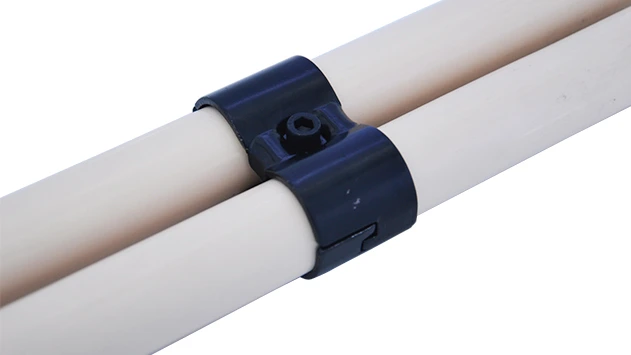
Parallel lean pipe joint used for 2 pcs 28MM lean pipe connection in parallel direction to enhance frame structure, usually for heavy payload requirement for workbench. flow rack, hand trolley.
Introduction: The Backbone of Lean Systems in Modern Manufacturing
In the fast-paced world of manufacturing, where efficiency and adaptability can make or break a production line, lean systems have become more than just a buzzword—they're the foundation of smart, sustainable operations. At the heart of these systems lie the unsung heroes: the components that hold everything together. Among these, parallel lean pipe joints stand out as critical connectors, enabling the assembly of everything from workbenches and flow racks to conveyors and turnover trolleys. But not all joints are created equal. Today, we're diving into two heavyweights in the industry: stainless steel parallel lean pipe joints and chrome parallel lean pipe joints. By the end, you'll have a clear picture of which one deserves a spot in your production setup.
Whether you're setting up a new ESD workstation for electronics assembly or revamping a food processing line, the choice between stainless steel and chrome joints impacts durability, maintenance, cost, and even compliance. Let's start by understanding what makes these joints tick, then break down their pros, cons, and ideal applications.
What Are Parallel Lean Pipe Joints, Anyway?
Before we compare materials, let's get back to basics. Parallel lean pipe joints are specialized connectors designed to link lean pipes (often aluminum, steel, or plastic-coated) into stable, modular structures. Think of them as the "Lego blocks" of manufacturing—versatile, easy to assemble, and reusable. Unlike fixed joints, parallel joints allow pipes to run side-by-side, creating flat surfaces, shelves, or tracks that are essential for production assemble lines. They're compatible with a range of lean pipe and accessories , from caster wheels for mobile trolleys to roller tracks for smooth material flow.
Now, the material of the joint itself—stainless steel vs. chrome—dictates how well it performs in different environments. Let's explore each in detail.

Stainless Steel Parallel Lean Pipe Joints: The Workhorse of Harsh Environments
Material Matters: Why Stainless Steel?
Stainless steel is a alloy of iron, chromium, and often nickel or manganese, known for its resistance to corrosion and staining. When we talk about stainless steel parallel lean pipe joints, we're usually referring to grades like 304 or 316—304 being the most common for general use, and 316 offering enhanced corrosion resistance for marine or chemical environments. These joints are part of the broader stainless steel pipe series , which includes everything from basic pipes to specialized connectors.
Key Benefits of Stainless Steel Joints
- Unbeatable Corrosion Resistance: The chromium in stainless steel forms a passive oxide layer that protects against rust, making these joints ideal for humid, wet, or chemical-exposed areas. If your production line deals with water, oils, or cleaning agents, stainless steel won't let you down.
- Durability That Lasts: Stainless steel is tough—resistant to dents, scratches, and impact. In high-traffic areas where carts bump into racks or tools drop on workbenches, these joints hold their shape, reducing the need for frequent replacements.
- Hygiene-Friendly: Unlike porous materials, stainless steel has a smooth surface that's easy to sanitize. This is a game-changer for industries like food processing, pharmaceuticals, or medical device manufacturing, where cleanliness is non-negotiable.
- Low Maintenance: No need for regular painting or coating. A quick wipe with a damp cloth is usually enough to keep stainless steel joints looking and performing like new.
Potential Drawbacks
No material is perfect, and stainless steel is no exception. The biggest downsides? Cost and weight. Stainless steel joints are generally pricier than chrome-plated alternatives, which can add up for large-scale installations. They're also heavier, which might make assembly more labor-intensive and increase shipping costs. For lightweight, temporary structures, this extra heft might be overkill.
Ideal Applications
Stainless steel joints shine in environments where durability and hygiene are critical. Think:
- Food and beverage processing lines (resistant to cleaning chemicals and moisture)
- Pharmaceutical manufacturing (easily sanitized, meets GMP standards)
- Marine or coastal facilities (corrosion resistance against salt air)
- Heavy-duty workbench setups for automotive or machinery assembly (handles heavy loads without bending)

Chrome Parallel Lean Pipe Joints: The Aesthetic Contender
What Is Chrome Plating?
Chrome parallel lean pipe joints aren't made of solid chrome—instead, they're typically steel or iron joints coated with a thin layer of chromium via electroplating. This process deposits a shiny, protective layer over the base metal, enhancing both appearance and corrosion resistance (though not to the same level as stainless steel). The result? A joint that looks sleek and professional, often at a lower cost than stainless steel.
Key Benefits of Chrome Joints
- Eye-Catching Aesthetics: Chrome's mirror-like finish adds a polished look to production lines. If your facility includes client tours or public areas, chrome joints can elevate the overall appearance of workstations and racks.
- Cost-Effective: Chrome plating is less expensive than using solid stainless steel, making these joints a budget-friendly option for general manufacturing setups.
- Decent Corrosion Resistance (Under Normal Conditions): The chrome layer protects the underlying steel from rust in dry, indoor environments. For standard assembly lines or warehouses with controlled conditions, this is often sufficient.
- Lightweight: Since the base material is usually mild steel, chrome joints are lighter than stainless steel, making them easier to handle during installation and reconfiguration.
Potential Drawbacks
The Achilles' heel of chrome joints is the plating itself. If the chrome layer chips, scratches, or cracks, the underlying steel is exposed, leading to rust. This makes them a poor choice for humid, wet, or chemical-heavy environments. They also require more maintenance than stainless steel—if you notice peeling chrome, you'll need to address it quickly to prevent corrosion from spreading. Additionally, the plating can wear down over time with frequent friction, such as when adjusting or disassembling joints.
Ideal Applications
Chrome joints are best suited for dry, indoor environments where appearance and cost matter most:
- General electronics assembly lines (clean, dry conditions)
- Retail or warehouse storage racks (aesthetic appeal for customer-facing areas)
- Light to medium-duty flow rack setups (for boxes or lightweight materials)
- Temporary or frequently reconfigured workstations (lower cost for short-term use)
Head-to-Head Comparison: Stainless Steel vs. Chrome Joints
To make the choice clearer, let's put these two materials side by side in a detailed comparison:
| Feature | Stainless Steel Parallel Lean Pipe Joints | Chrome Parallel Lean Pipe Joints |
|---|---|---|
| Material Composition | Alloy (iron + chromium, often nickel/manganese) | Steel/iron base with chromium electroplating |
| Corrosion Resistance | Excellent (resists moisture, chemicals, salt) | Good in dry conditions; poor if plating is damaged |
| Durability | High (resistant to dents, scratches, impact) | Medium (plating can chip; base metal prone to rust if exposed) |
| Cost | Higher (premium material) | Lower (affordable plating process) |
| Aesthetics | Matte to brushed finish (functional, industrial look) | Shiny, mirror-like finish (sleeker appearance) |
| Maintenance Needs | Low (wipe clean; no need for re-coating) | Medium (check for chipping; repair/replace if plating fails) |
| Weight | Heavier (denser material) | Lighter (thinner plating on steel base) |
| Best For | Wet/humid environments, hygiene-critical industries, heavy loads | Dry indoor settings, budget projects, aesthetic-focused areas |
As you can see, the decision hinges on your specific environment and priorities. For long-term reliability in tough conditions, stainless steel is worth the investment. For cost-sensitive, dry setups where looks matter, chrome might be the way to go.
Beyond the Joint: Compatibility with Lean Pipe and Accessories
Another key factor to consider is how well these joints play with other components in your lean system . Both stainless steel and chrome joints are designed to work with standard lean pipes, but there are a few nuances to keep in mind.
Stainless Steel Compatibility
Stainless steel joints pair seamlessly with stainless steel pipes (from the stainless steel pipe series ), aluminum pipes, and even plastic-coated lean pipes. Their robust construction makes them ideal for heavy accessories like large caster wheel assemblies or multi-tier material racks. If you're using ESD-safe components (like ESD workstation surfaces), stainless steel's conductivity can be an advantage—just ensure proper grounding.
Chrome Compatibility
Chrome joints work well with steel or aluminum pipes, but their plating can wear down if paired with abrasive materials (like rough plastic-coated pipes). They're better suited for lightweight accessories, such as small caster wheels or plastic roller tracks. For ESD applications, chrome's conductivity is similar to stainless steel, but you'll need to monitor for plating damage, which can disrupt grounding.
Pro tip: Always check with your lean pipe supplier to ensure joint-pipe compatibility. Mixing materials (e.g., stainless steel joints with chrome pipes) can sometimes lead to galvanic corrosion, where dissimilar metals react in the presence of moisture—avoid this by sticking to matching or compatible material combinations.
Real-World Scenarios: Which Joint Wins?
Let's walk through a few common production line scenarios to see how these joints perform in practice.
Scenario 1: A Bakery Production Line
Bakeries are hot, humid, and full of cleaning chemicals—tough conditions for any joint. Stainless steel joints here are a no-brainer. They'll resist corrosion from daily washdowns and stand up to the weight of flour sacks and dough trays. Chrome joints, on the other hand, would quickly chip and rust, leading to frequent replacements and potential contamination risks.
Scenario 2: A Consumer Electronics Assembly Plant
Electronics assembly lines are clean, dry, and often require ESD protection. Here, chrome joints could work well—they're affordable, look professional, and pair nicely with aluminum ESD workbenches. However, if the line uses water-based cleaning agents or is in a humid climate, stainless steel would be more reliable in the long run.
Scenario 3: A Warehouse Flow Rack System for E-Commerce
E-commerce warehouses need durable, cost-effective storage. Chrome joints are a solid choice here—they're lightweight, easy to install, and the shiny finish keeps racks looking neat for auditors or clients. Since the environment is dry and loads are moderate (boxes, not heavy machinery), chrome's lower cost outweighs the need for stainless steel's extra durability.
Making Your Decision: Key Questions to Ask
Still on the fence? Ask yourself these questions to narrow it down:
- What's the environment like? (Humid, dry, chemical-exposed? Stainless steel for harsh conditions.)
- What's the budget? (Tight budget? Chrome. Long-term investment? Stainless steel.)
- How heavy are the loads? (Heavy machinery or materials? Stainless steel's strength is worth it.)
- Does appearance matter? (Client-facing areas? Chrome's shine. Back-of-house? Function over form with stainless steel.)
- What's the maintenance plan? (Limited maintenance staff? Stainless steel's low upkeep is better.)
Remember, there's no one-size-fits-all answer. Some facilities even mix both—stainless steel in wet areas and chrome in dry zones—to balance performance and cost.
Conclusion: Investing in the Right Joint for Your Lean Journey
At the end of the day, both stainless steel and chrome parallel lean pipe joints play vital roles in building efficient lean system s. Stainless steel is the workhorse, built to withstand the toughest environments and deliver long-term reliability—perfect for industries where durability and hygiene can't be compromised. Chrome, on the other hand, offers an affordable, aesthetically pleasing option for dry, lightweight setups where cost and appearance take precedence.
As you plan your next production line upgrade or new workstation build, consider not just the upfront cost, but the long-term value. A slightly higher investment in stainless steel today could save you from frequent replacements and downtime tomorrow. And if you're still unsure, reach out to a trusted lean pipe supplier —they can help assess your needs and recommend the best fit.
After all, in the world of lean manufacturing, every component counts. Choose wisely, and your joints will keep your production line running smoothly for years to come.