- Company Articles
- Products and Technology
- Product knowledge
- Standard Sizes of 3030 Aluminum Profile End Caps: A Complete Chart

Standard Sizes of 3030 Aluminum Profile End Caps: A Complete Chart
Related Product
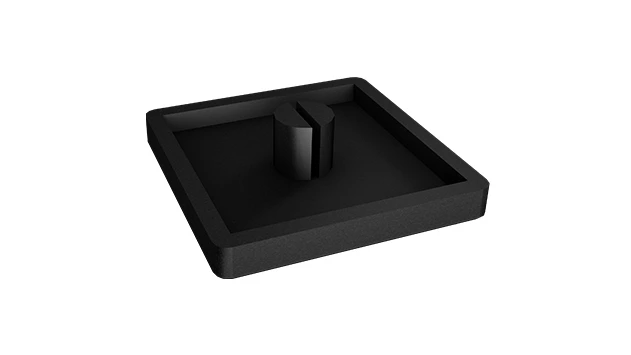
3030 Aluminum Profile End Cap
The aluminum profile end cap adds a finishing touch to your project and closes off profile ends to limit dust and debris buildup, also it can avaid some scratch for material and labor during the assemble work.
If you've ever walked through a manufacturing plant, a workshop, or even a modern office with sleek modular furniture, you've probably seen aluminum profiles in action—even if you didn't realize it. Those sturdy, lightweight frames holding up workbenches, shelving units, or machine guards? Chances are, they're made of aluminum extrusion profiles. But here's the thing: while the profiles themselves get all the attention for their strength and versatility, there's a tiny component that often flies under the radar but makes a huge difference in safety, durability, and aesthetics: the end cap. Specifically, today we're diving deep into 3030 aluminum profile end caps—those small but mighty pieces that finish off the ends of 30x30mm aluminum profiles. Whether you're a seasoned facility manager, a DIY enthusiast building your own workstation, or someone just starting to explore aluminum profile accessories, understanding standard sizes, types, and how to choose the right end cap can save you time, money, and headaches down the line. Let's start by breaking down why these little caps matter so much.
What Are Aluminum Profiles, Anyway? And Why Do End Caps Matter?
First, let's get the basics straight. Aluminum profiles—also called aluminum extrusion profiles—are long, rigid pieces of aluminum shaped through a process called extrusion. Imagine pushing a ball of clay through a cookie cutter; the clay takes the shape of the cutter. Extrusion works similarly: heated aluminum billets are forced through a die (a custom-shaped tool) to create profiles with specific cross-sections, like squares, rectangles, or more complex shapes with grooves (called T-slots) for attaching accessories. The 3030 aluminum profile, as the name suggests, has a square cross-section measuring 30mm by 30mm—one of the most common sizes used in industrial and commercial settings because it strikes a perfect balance between strength and weight.
Now, why do these profiles need end caps? Let's think about a raw aluminum profile straight from the extrusion press. Its ends are often rough, with sharp edges from the cutting process. If you leave those ends exposed, a few things can happen: employees might accidentally brush against them and get cuts, dust and debris can collect inside the profile's hollow core (which, over time, can lead to corrosion), and let's be honest—those rough edges just don't look professional. End caps solve all these problems. They're like the "finish line" of a profile, covering the raw end to protect people, prevent contamination, and give the whole structure a polished look. In short, they're the unsung heroes of aluminum profile assemblies.
Real-World Example: A friend of mine runs a small electronics assembly workshop. A few years back, they built a series of workbenches using 3030 aluminum profiles but skipped the end caps to save a few dollars. Within a month, two employees had nicked their arms on the sharp ends of the profiles. Worse, dust and small screws kept falling into the hollow profiles, making it hard to clean and eventually causing a minor short circuit when a metal shard fell into a machine below. After replacing all the exposed ends with proper 3030 aluminum profile end caps, the injuries stopped, cleaning became easier, and the workbenches looked significantly more professional. Moral of the story? Don't skimp on the small stuff.
Understanding the 3030 Aluminum Extrusion Profile
Before we jump into end caps, let's make sure we're all on the same page about the star of the show: the 3030 aluminum profile itself. As mentioned, it's a square profile with dimensions of 30mm (width) by 30mm (height). But not all 3030 profiles are identical—they can vary in wall thickness, T-slot design, and surface finish, which in turn affects which end caps will fit. For example, some 3030 profiles have a single T-slot on each side, while others might have double slots or different slot widths (common slot sizes are 6mm, 8mm, or 10mm). The wall thickness typically ranges from 1.2mm to 3mm, with thicker walls offering more strength for heavy-duty applications like machine frames, and thinner walls being lighter for tasks like shelving or display units.
Another key feature is the profile's "hollow" center. Most 3030 profiles aren't solid—they have a hollow core to reduce weight while maintaining structural integrity. The shape of this hollow core can vary: some have a simple square hollow, others have internal ribs for added strength, and some might have notches or grooves to accommodate specific accessories. This hollow core is exactly what the end cap needs to cover, so the inner dimensions of the profile's end are critical when choosing a cap. If the end cap is too small, it might fall off; too large, and it won't fit at all. That's why understanding your specific 3030 profile's design is the first step in finding the right end cap.
Common Uses of 3030 Aluminum Profiles
3030 profiles are incredibly versatile, which is why they're a staple in so many industries. Here are just a few places you might find them:
- Workbenches and Assembly Lines: Sturdy, adjustable work surfaces for manufacturing, electronics, or lab work.
- Shelving and Racks: Lightweight but strong storage solutions for warehouses, offices, or garages.
- Machine Frames: Supporting structures for 3D printers, CNC machines, or conveyor systems.
- Guardrails and Safety Barriers: Protecting employees from machinery or defining walkways in factories.
- Modular Furniture: Desks, tables, or storage units that can be easily reconfigured.
In all these applications, the end cap plays a role in safety (no sharp edges), cleanliness (keeping debris out), and longevity (preventing moisture or corrosion in the hollow core). Now that we understand the profile, let's zoom in on the end caps themselves.

The Role of 3030 Aluminum Profile End Caps: More Than Just a "Cap"
At first glance, an end cap might seem like a simple piece of plastic or aluminum that just "plugs" the end of a profile. But its job is more nuanced than that. Let's break down the key functions of a 3030 aluminum profile end cap:
1. Safety First: Eliminating Sharp Edges
When aluminum profiles are cut to length (either at the factory or on-site), the cut ends can be surprisingly sharp—think of a freshly cut piece of metal, with burrs or jagged edges. Even a small burr can catch on clothing, gloves, or skin, leading to cuts or scrapes. End caps cover these edges, creating a smooth, rounded finish that's safe to touch. This is especially important in high-traffic areas like workshops or assembly lines, where employees are constantly moving around the profiles.
2. Protection Against Contamination
The hollow core of a 3030 profile is like an open invitation for dust, dirt, water, or even small tools (looking at you, misplaced screws!) to sneak inside. Over time, this debris can accumulate, making the profile harder to clean and potentially causing issues down the line. For example, in humid environments, moisture trapped inside the profile can lead to corrosion, weakening the metal. End caps act as a barrier, sealing off the hollow core and keeping unwanted elements out.
3. Aesthetic Appeal: Polishing the Look
Let's face it: raw, cut aluminum ends look unfinished. Whether you're building a customer-facing display or a workshop that prides itself on organization, the little details matter. A well-fitted end cap gives the profile a clean, professional appearance, tying the whole project together. Many end caps come in colors (like black, white, or silver) that can match or complement the profile's finish, adding a touch of intentional design.
4. Structural Support (Yes, Really!)
While end caps aren't load-bearing in the traditional sense, a snug-fitting cap can add a tiny bit of structural rigidity to the profile's end. This is especially true for profiles with thin walls or those used in applications where the ends might be subject to minor impacts (like a shelf that gets bumped occasionally). The end cap helps distribute that impact slightly, reducing the risk of bending or denting the profile's edge.

Types of 3030 Aluminum Profile End Caps
Not all end caps are created equal. Depending on your needs, you might opt for one type over another. Let's explore the most common varieties:
1. Snap-On End Caps
Snap-on caps are the most popular type, and for good reason: they're easy to install and remove. As the name suggests, they "snap" into place by squeezing the cap slightly and pushing it into the end of the profile. They typically have small, flexible tabs or ridges that grip the inner walls of the profile, holding the cap securely. Snap-on caps are ideal for applications where you might need to access the inside of the profile later (e.g., running wires or cables through the hollow core), as they can be popped off without tools. They're also the most cost-effective option, making them a favorite for DIY projects and large-scale installations alike.
2. Screw-On End Caps
For applications where a more permanent seal is needed, screw-on end caps are the way to go. These caps have a threaded hole (usually in the center) that allows you to secure them to the profile using a small screw. The screw can either thread directly into the profile's wall (if it's thick enough) or into a T-nut inserted into one of the profile's T-slots. Screw-on caps are great for outdoor use or areas with high vibration (like near heavy machinery), as they're less likely to pop off than snap-on caps. The downside? They require tools to install and remove, and the screw head is visible (though some designs have a recessed screw for a cleaner look).
3. Vented End Caps
In some cases, you might want to cover the profile's end but still allow air circulation—for example, if the profile is being used to house electronics that generate heat, or if condensation is a concern. Vented end caps have small holes or slots that let air flow through while still keeping out large debris. They're less common than solid caps but invaluable in specific situations, like server racks or LED light fixtures built with aluminum profiles.
4. Decorative End Caps
For projects where aesthetics are a top priority (think retail displays, office furniture, or trade show booths), decorative end caps can add a unique touch. These might have rounded edges, custom colors, or even logos or patterns. Some are made of polished aluminum to match the profile's finish, while others are made of colored plastic or rubber for a pop of contrast. Decorative caps are often more expensive than basic snap-on caps, but they can elevate the look of a project from "functional" to "high-end."
Standard Sizes of 3030 Aluminum Profile End Caps: The Complete Chart
Now, the part you've been waiting for: standard sizes. While there's no single "global standard" that every manufacturer follows, over time, certain sizes have become industry norms based on common 3030 profile designs. Below is a comprehensive chart of the most widely available 3030 aluminum profile end cap sizes, along with key details to help you find the right fit for your profile.
| End Cap Type | Outer Dimensions (mm) | Inner Diameter (mm) | Thickness (mm) | Recommended Profile Wall Thickness | Material | Typical Applications |
|---|---|---|---|---|---|---|
| Snap-On (Standard) | 30 x 30 | 26.5 – 27.5 | 1.5 – 2.0 | 1.2mm – 2.0mm | PVC, Nylon | Workbenches, shelving, indoor furniture |
| Snap-On (Heavy-Duty) | 30 x 30 | 25.0 – 26.0 | 2.0 – 2.5 | 2.0mm – 3.0mm | ABS, Polypropylene | Machine frames, guardrails, heavy shelving |
| Screw-On (Flat Head) | 30 x 30 | 26.0 – 27.0 | 2.0 – 3.0 | 1.5mm – 3.0mm | Aluminum, Nylon | Outdoor use, high-vibration areas |
| Screw-On (Recessed Screw) | 30 x 30 | 26.0 – 27.0 | 2.5 – 3.5 | 1.5mm – 3.0mm | Aluminum, Steel (coated) | Industrial machinery, clean rooms |
| Vented Snap-On | 30 x 30 | 26.5 – 27.5 | 1.5 – 2.0 | 1.2mm – 2.0mm | PVC, Polypropylene | Electronics enclosures, heat-generating equipment |
| Decorative Rounded | 32 x 32 (rounded edges) | 26.5 – 27.5 | 2.0 – 2.5 | 1.2mm – 2.0mm | Polished Aluminum, Colored ABS | Retail displays, office furniture, trade shows |
Important Notes:
- Inner Diameter Tolerance: The "inner diameter" in the chart refers to the distance between the cap's inner walls. Profiles can vary slightly in inner dimensions (e.g., due to manufacturing tolerances), so aim for a cap with an inner diameter 0.5mm – 1.0mm smaller than the profile's inner end dimensions for a snug snap-on fit.
- Wall Thickness Matters: If your 3030 profile has a thick wall (3.0mm), a standard snap-on cap with an inner diameter of 26.5mm might be too loose, as the profile's inner dimensions would be smaller (30mm – 2*3mm = 24mm inner width). In this case, opt for a heavy-duty snap-on cap with a smaller inner diameter (25.0 – 26.0mm).
- Check with Your Profile Manufacturer: The best way to ensure a perfect fit is to check your profile's technical datasheet (usually available from the supplier) for the exact end dimensions, then match that to the end cap's specifications. Many aluminum profile accessories suppliers also offer sample end caps for testing.
Materials Used in 3030 Aluminum Profile End Caps
End caps are made from a variety of materials, each with its own pros and cons. The right material depends on your application, environment, and budget. Let's break down the most common options:
1. PVC (Polyvinyl Chloride)
PVC is the most widely used material for basic end caps, and for good reason: it's cheap, lightweight, and resistant to moisture, chemicals, and UV rays. PVC caps are flexible enough to snap into place easily but rigid enough to hold their shape. They're available in a range of colors (white, black, gray, and natural) and are ideal for indoor applications like workbenches, shelving, or office furniture. The downside? PVC can become brittle over time if exposed to extreme temperatures (below -10°C or above 60°C), so it's not the best choice for outdoor use in harsh climates.
2. Nylon
Nylon is a step up from PVC in terms of durability and heat resistance. It's stronger, more impact-resistant, and can withstand higher temperatures (up to 80°C) without deforming. Nylon end caps are slightly more expensive than PVC but offer better longevity, making them a good choice for industrial settings, machine frames, or areas with moderate temperature fluctuations. They're also oil and chemical resistant, which is useful in workshops or factories where spills might occur.
3. ABS (Acrylonitrile Butadiene Styrene)
ABS is a tough, rigid plastic known for its impact resistance and glossy finish. It's often used for decorative end caps or applications where a smooth, professional look is important. ABS can be easily colored, so you'll find it in vibrant hues or custom shades to match specific projects. It's more expensive than PVC but less so than aluminum, striking a balance between cost and aesthetics. ABS caps are suitable for indoor use and can handle moderate impacts, but like PVC, they're not ideal for extreme temperatures.
4. Aluminum
For a seamless look that matches the aluminum profile itself, aluminum end caps are the way to go. They're typically made from extruded or stamped aluminum, with a polished, anodized, or powder-coated finish to resist corrosion. Aluminum caps are strong, heat-resistant, and suitable for both indoor and outdoor use. They're often used in high-end applications like architectural projects, marine settings, or machinery where durability and aesthetics are equally important. The downside? They're heavier and more expensive than plastic caps, and they require tools to install (most are screw-on, as aluminum isn't flexible enough for snap-on designs).
5. Rubber
Rubber end caps are flexible, non-slip, and excellent for applications where vibration dampening or noise reduction is needed. They're often used on the feet of workbenches or racks to prevent slipping and protect floors from scratches. Rubber caps can also provide a watertight seal, making them useful for outdoor furniture or profiles exposed to moisture. They're available in natural rubber (good for flexibility) or synthetic rubber (better for chemical resistance). The main drawback is that rubber can degrade over time when exposed to UV light, so they're best used indoors or in shaded outdoor areas.
How to Install 3030 Aluminum Profile End Caps: A Step-by-Step Guide
Installing end caps is generally a simple process, but a few tips can ensure a snug, long-lasting fit. Below is a step-by-step guide for the two most common types: snap-on and screw-on caps.
Installing Snap-On End Caps
- Prepare the Profile End: Start by cleaning the end of the profile to remove any dust, debris, or burrs. Use a file or sandpaper to smooth out sharp edges—this will help the cap slide on easily and prevent damage to the cap's inner tabs.
- Check the Fit: Before installing, dry-fit the cap by gently pressing it against the profile end. It should align evenly with the edges of the profile and feel like it will snap into place with moderate pressure. If it's too loose or too tight, double-check that you have the correct size.
- Apply Pressure Evenly: Hold the cap with both hands, aligning it squarely with the profile end. Press firmly and evenly around the edges of the cap until you hear a "snap" or feel it lock into place. Avoid pressing too hard on one side, as this can bend the cap or damage the profile.
- Test for Security: Once installed, give the cap a gentle tug to ensure it's secure. It should not wiggle or fall off easily. If it does, check for debris inside the profile or try a slightly smaller cap.
Installing Screw-On End Caps
- Mark the Screw Hole: Place the end cap on the profile end and mark the location of the screw hole (usually in the center). If the cap has a recessed hole, use a pencil to mark through the hole onto the profile.
- Prep the Profile: If your profile has a T-slot, insert a T-nut into the slot at the marked location. If not, and the profile's wall is thick enough (at least 2mm), you may need to drill a pilot hole for the screw. Use a drill bit slightly smaller than the screw's diameter to avoid splitting the aluminum.
- Attach the Cap: Align the cap with the profile end, then insert the screw through the cap's hole and into the T-nut or pilot hole. Tighten the screw with a screwdriver until the cap is snug—be careful not to overtighten, as this can strip the threads or crack the cap.
- Finish (Optional): For a cleaner look, use a screw with a matching finish or add a decorative cap to cover the screw head.
Common Issues and Troubleshooting Tips
Even with the right size and material, you might run into issues when installing or using end caps. Here are some common problems and how to fix them:
Issue 1: The End Cap Won't Snap Into Place
If the cap feels too tight to snap on, the inner diameter might be too small, or there could be burrs or debris inside the profile. Try these fixes:
- Sand the Profile End: Use fine-grit sandpaper to smooth any burrs or rough edges on the profile's inner walls.
- Warm the Cap (Plastic Only): If the cap is made of PVC or nylon, gently warming it with a hairdryer (on low heat) can make it more flexible, making it easier to snap into place.
- Check the Size: If all else fails, verify that you have the correct inner diameter for your profile. A cap with an inner diameter 0.5mm larger might be the solution.
Issue 2: The End Cap Keeps Falling Off
A loose cap is usually due to a size mismatch or worn-out tabs. Fixes include:
- Try a Smaller Cap: If the cap is too loose, switch to a cap with a smaller inner diameter (e.g., from 27.5mm to 26.5mm).
- Add Adhesive (Temporarily): For a quick fix, apply a small amount of double-sided tape or silicone adhesive to the inside of the cap before installing. Note: This makes removal harder later.
- Upgrade to Screw-On: If snap-on caps keep failing, switch to a screw-on cap for a permanent solution.
Issue 3: The Cap Cracks or Breaks
Cracking is often caused by overtightening (for screw-on caps) or using a brittle material in a high-impact area. Solutions:
- Use a Softer Material: Switch from rigid ABS to flexible nylon or rubber for areas with impacts.
- Avoid Overtightening: For screw-on caps, tighten just until snug—stop if you feel resistance.
- Reinforce the Cap: For heavy-duty applications, use a thicker cap or add a metal washer under the screw head to distribute pressure.
How to Choose the Right 3030 Aluminum Profile End Cap for Your Project
With so many options, choosing the right end cap can feel overwhelming. Here's a step-by-step guide to help you decide:
Step 1: Identify Your Profile's Specifications
Start by noting your 3030 profile's wall thickness, inner end dimensions, and T-slot design. This information is usually in the profile's datasheet, but if you don't have it, you can measure the inner width and height of the profile's end with a caliper. Write down these measurements—they'll be your most important tool for finding a well-fitting cap.
Step 2: Consider the Environment
Where will the profile be used? Indoor, outdoor, humid, dry, hot, or cold? For indoor, dry environments, a basic PVC snap-on cap is fine. For outdoor use or areas with moisture, opt for nylon or aluminum to resist corrosion. In high-heat areas (like near machinery), choose heat-resistant materials like nylon or aluminum.
Step 3: Think About Usage
Will the end cap be subject to impacts, vibration, or frequent handling? Heavy-duty applications (machine frames, guardrails) need durable materials like nylon or aluminum with secure attachment (screw-on). Light-duty applications (shelving, displays) can use lightweight PVC snap-on caps.
Step 4: Aesthetics Matter
Do you need the cap to blend in or stand out? For a seamless look, match the cap's color and material to the profile (e.g., aluminum cap with aluminum profile). For a pop of color, choose a contrasting plastic cap. Decorative caps are worth the extra cost for customer-facing projects.
Step 5: Source from Reputable Suppliers
Finally, buy from a trusted aluminum profile accessories supplier. Reputable suppliers will provide detailed specifications for their end caps, offer samples, and stand behind their products if there's a sizing issue. Avoid generic "one-size-fits-all" caps from unknown sellers—they're more likely to have inconsistent sizing or poor quality materials.
Conclusion: Don't Overlook the Little Things
At the end of the day, 3030 aluminum profile end caps might seem like small, insignificant parts—but as we've explored, they play a huge role in safety, durability, and the overall look of your project. From preventing cuts to keeping debris out, from snapping into place in seconds to adding a polished finish, these tiny components are the unsung heroes of aluminum profile assemblies.
Whether you're building a workshop workbench, a retail display, or a heavy-duty machine frame, taking the time to choose the right end cap size, material, and type will pay off in the long run. With the information in this guide—from understanding your 3030 profile to using the standard size chart to troubleshooting common issues—you're now equipped to make informed decisions and ensure your project is safe, functional, and professional.
So the next time you're ordering aluminum profile accessories, don't forget to add those end caps to your list. Your employees, your customers, and your project's longevity will thank you.