- Company Articles
- Products and Technology
- Product knowledge
- Standard vs. Custom Plastic Pipe End Caps: Which Suits Your Production Line?

Standard vs. Custom Plastic Pipe End Caps: Which Suits Your Production Line?
Related Product
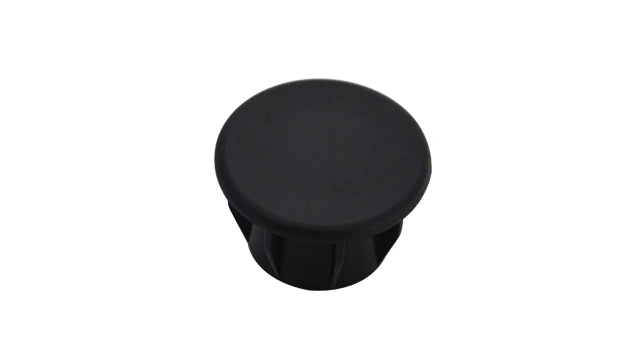
Plastic pipe end cap
Plastic pipe cover, used for 28mm two end cover and protection, to avoid any scratch from sharp metal surface.
In the bustling world of manufacturing, where every second counts and efficiency is the name of the game, it's often the smallest components that keep the entire operation running smoothly. Take a walk through any production assemble floor, and you'll see a maze of lean pipes, workbenches, and material racks—each piece working in harmony to move parts, assemble products, and maintain the rhythm of a well-oiled lean system. Yet, among these larger structures, there's a humble hero that often goes unnoticed: the plastic pipe end cap. These unassuming caps seal the ends of pipes, protect workers from sharp edges, prevent debris from clogging lines, and even contribute to the overall safety and longevity of your equipment. But when it comes to choosing between standard and custom options, the decision isn't always clear. Let's dive into the details, explore their pros and cons, and help you figure out which one truly fits your production line's unique needs.
What Are Standard Plastic Pipe End Caps?
Standard plastic pipe end caps are the workhorses of the manufacturing world—pre-made, mass-produced, and designed to fit the most common pipe sizes used in lean systems. Think of them as the "one-size-fits-most" solution: if your production line relies on standard lean pipes (like the 28mm or 30mm diameters commonly used in lean pipe workbenches or material racks), these caps are ready to go right out of the box.
Most standard caps are made from durable plastics like polypropylene (PP) or polyethylene (PE), chosen for their resistance to impact, chemicals, and general wear and tear. They come in basic colors—usually black, white, or gray—and are sold in bulk quantities by lean pipe suppliers. You can find them in hardware stores, industrial supply catalogs, or directly from manufacturers, often at a lower cost per unit than their custom counterparts.
The biggest draw of standard caps is their convenience. When you need to replace a damaged cap or set up a new lean pipe structure quickly, standard options are readily available. There's no waiting for designs to be finalized or prototypes to be tested—you order, you receive, you install. This speed makes them ideal for production lines with tight timelines or those that use off-the-shelf lean pipe components without modifications.
But convenience comes with trade-offs. Standard caps are designed for "average" pipes, which means they might not fit perfectly if your setup uses non-standard diameters, thicker-walled pipes, or specialized materials like aluminum lean pipes. They also lack customization options: if you need a cap with a specific color to color-code workbenches, a textured surface to improve grip, or a heat-resistant material for high-temperature environments, standard caps will leave you wanting more.
Custom Plastic Pipe End Caps: Tailored to Your Needs
Custom plastic pipe end caps, on the other hand, are the "bespoke suits" of the manufacturing world. They're designed from scratch to match your production line's unique specifications, whether that means fitting an odd-sized aluminum pipe, integrating ESD (electrostatic discharge) properties for electronics assembly, or even adding a company logo for branding. If your lean system has quirks—like pipes with unusual diameters, unique mounting requirements, or exposure to harsh conditions—custom caps are built to address those exact challenges.
The process starts with a conversation: you share your needs with a supplier, who then designs a cap that fits your pipes, meets your material requirements, and aligns with your production goals. For example, if your workbench handles sensitive electronic components, a custom ESD-safe cap (made with conductive plastic) can prevent static electricity from damaging parts. If your lean pipe racks are outdoors or exposed to chemicals, a custom cap made from UV-resistant or chemical-proof plastic will outlast a standard option.
Custom caps also open the door to functional enhancements. Need a cap with a built-in drain hole to prevent water buildup in outdoor racks? Or a flanged design to attach labels or sensors? These features can be integrated during the design phase, turning a simple cap into a tool that adds value to your production process. Some manufacturers even offer custom colors, allowing you to color-code different sections of your lean system—red for high-priority parts, blue for finished products—to improve organization and reduce errors.
Of course, this level of personalization comes with a cost. Custom caps require design work, tooling, and small-batch production, which means higher upfront expenses and longer lead times than standard caps. You might also face minimum order quantities (MOQs), which can be a barrier if you only need a handful of caps for a one-off project. But for many production lines, the long-term benefits—like reduced downtime, improved safety, and better integration with existing systems—make the investment worthwhile.

Standard vs. Custom: A Side-by-Side Comparison
To help you visualize the differences, let's break down the key factors that matter most to production managers:
| Feature | Standard Plastic Pipe End Caps | Custom Plastic Pipe End Caps |
|---|---|---|
| Cost | Lower upfront cost; ideal for tight budgets or high-volume orders. | Higher initial cost due to design and tooling; better long-term value for specialized needs. |
| Lead Time | Readily available; can be shipped within days (or even same-day from local suppliers). | 2–6 weeks (or longer) for design, prototyping, and production. |
| Fit | Designed for standard pipe sizes (e.g., 28mm, 30mm lean pipes); may be loose or tight on non-standard diameters. | Precision-engineered to fit your exact pipe size, wall thickness, and shape (even irregular or custom pipes). |
| Material Options | Limited to common plastics (PP, PE); few specialized materials (e.g., ESD, UV-resistant) available. | Wide range of materials: ESD-safe, UV-resistant, chemical-proof, heat-resistant, and more. |
| Customization Level | Basic options only; no custom colors, sizes, or features. | Full customization: size, material, color, features (drain holes, flanges, ESD properties), and branding. |
| Best For | Standard lean pipes, high-volume production, short-term projects, or budget-focused teams. | Non-standard pipes, specialized environments (ESD, chemicals, UV exposure), safety-critical applications, or long-term lean system integration. |

Real-World Examples: When to Choose Which
The best way to understand which cap is right for you is to look at real scenarios. Let's explore two common production line challenges and how standard and custom caps solve them:
Example 1: A High-Volume Automotive Assembly Line
An automotive manufacturer runs three shifts a day, assembling car doors on a lean pipe-based production line. Their pipes are standard 28mm lean pipes, and the line rarely changes—no new materials, no specialized environments, just steady, high-volume work. For this team, standard caps are the obvious choice. They're cheap, available in bulk, and fit perfectly on their standard pipes. When a cap gets damaged, the maintenance team can grab a replacement from the stockroom and have the line back up in minutes. No need for custom features here—standard caps do the job, and the savings add up over time.
Example 2: A Small Electronics Workshop with Custom Racks
A boutique electronics workshop builds custom circuit boards for medical devices. Their lean system uses non-standard aluminum pipes (32mm diameter) to support heavier equipment, and their workbenches require ESD protection to avoid damaging sensitive components. Standard caps are too loose on their 32mm pipes, and regular plastic caps generate static electricity—both issues that could slow down production or ruin expensive parts. Here, custom caps make sense. The workshop partners with a supplier to design ESD-safe caps that fit their 32mm aluminum pipes, ensuring a tight seal and static protection. The higher cost is offset by fewer defects, less downtime, and the peace of mind that comes with knowing their caps are built for their unique setup.
How to Decide: Key Questions to Ask
Still on the fence? Ask yourself these questions to narrow down your choice:
1. What type of pipes do you use? If you're using standard lean pipes (28mm, 30mm) from a reputable lean pipe supplier, standard caps will likely work. But if you have custom diameters, aluminum pipes, or non-round shapes, custom is the way to go.
2. What's your environment like? Do you work with chemicals, extreme temperatures, or static-sensitive parts? Standard caps may fail in harsh conditions, while custom caps can be made from materials that stand up to your environment.
3. How often does your production line change? If your lean system is static (no new pipes, no layout changes), standard caps are cost-effective. If you frequently reconfigure workbenches or add new racks, custom caps that integrate with multiple setups might save time in the long run.
4. What's your budget and timeline? Need caps tomorrow? Standard is your only option. Have a few weeks and room in the budget for a better fit? Custom could be worth exploring.
5. What's your long-term goal? Are you looking to cut costs today, or invest in a system that will grow with your business? Custom caps often align better with long-term lean system optimization.
The Bottom Line: It's About Fit, Not Perfection
At the end of the day, there's no "better" option—only the one that fits your production line. Standard plastic pipe end caps excel in simplicity, speed, and cost, making them ideal for high-volume, standard setups. Custom caps shine in flexibility, precision, and problem-solving, perfect for unique pipes, harsh environments, or specialized production assemble needs.
If you're still unsure, start small. Order a batch of standard caps for your most common pipes, and test custom caps for one problematic area (like that section with non-standard aluminum pipes or ESD needs). See how they perform, track the results, and scale from there. Remember, the goal of any lean system is to eliminate waste—whether that's waste from ill-fitting caps causing downtime or waste from overspending on custom features you don't need.
So, take a closer look at your pipes, talk to your team about pain points, and choose the cap that helps your production line run smarter, safer, and more efficiently. After all, even the smallest components can make the biggest difference in keeping your lean system—and your business—moving forward.