- Company Articles
- Products and Technology
- Product knowledge
- Steel vs. Aluminum Castor Install Base: Pros and Cons for Industrial Use

Steel vs. Aluminum Castor Install Base: Pros and Cons for Industrial Use
Related Product
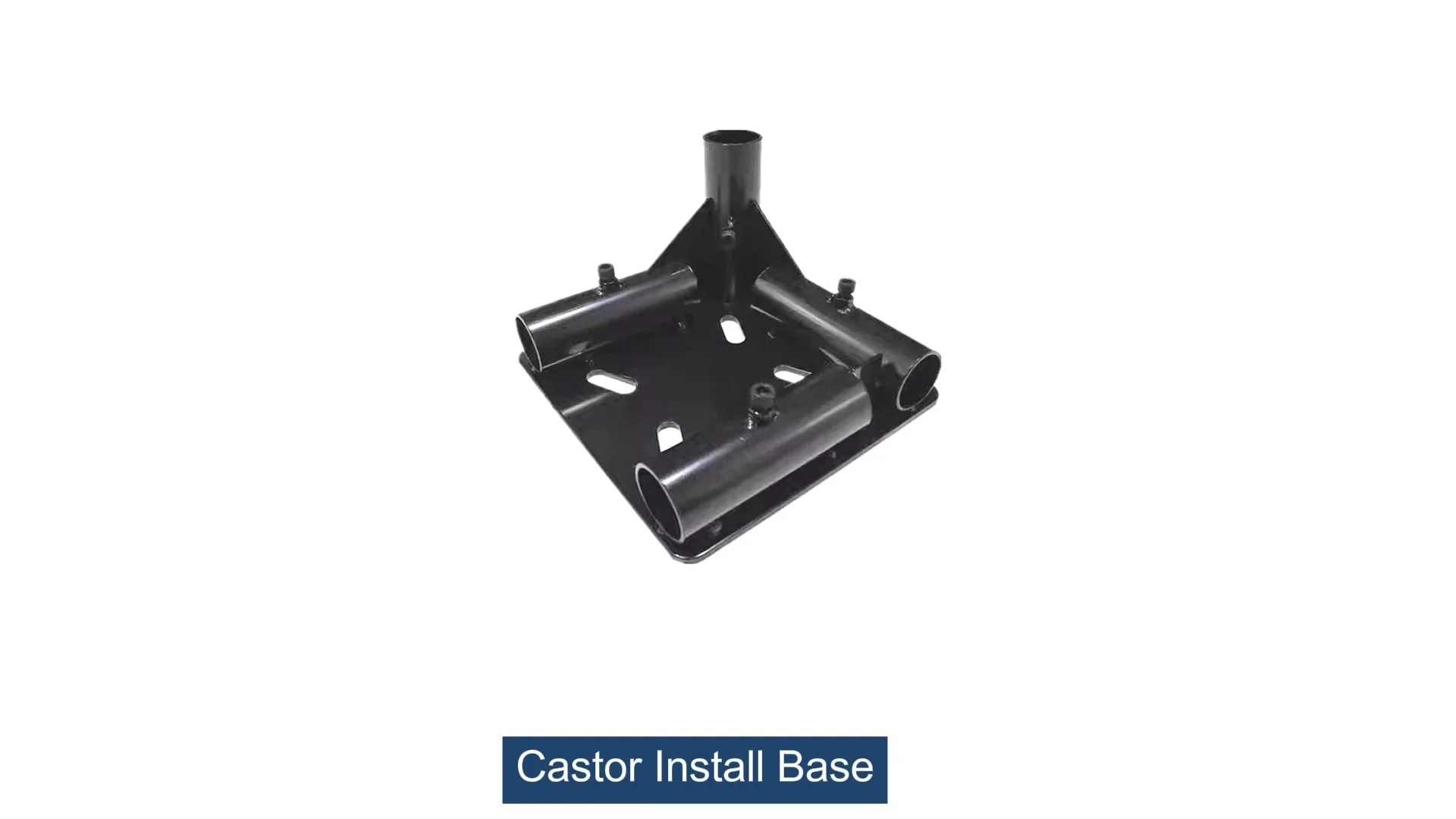
Castor Install Base
Castor install base, used for connection between pipe and castor, it can connect 4 pcs pipe by 1 pcs castor base, to make the structure strong and stable.
The Unsung Hero of Industrial Mobility
In the bustling world of manufacturing, warehousing, and assembly lines, every component plays a role in keeping operations running smoothly. From massive machinery to tiny fasteners, each part contributes to efficiency, safety, and productivity. Yet, some of the most critical components are the ones we rarely notice—like the castor install base. These unassuming platforms are the foundation of mobility, connecting caster wheels to carts, workbenches, and material racks. They're the reason a heavy workbench glides across the factory floor with ease, or a loaded turnover trolley doesn't tip over mid-transport. But not all castor install bases are created equal. When it comes to choosing between steel and aluminum, the decision can impact everything from worker fatigue to long-term maintenance costs. Let's dive into the pros and cons of these two materials, and why it matters for your industrial setup.
What Even Is a Castor Install Base?
Before we compare materials, let's make sure we're on the same page: a castor install base is the structural component that attaches caster wheels to the bottom of equipment. Think of it as the "feet" of a mobile workbench or the "base" of a turnover trolley. It's not just a flat plate, though—good bases are engineered to distribute weight evenly, absorb shocks from uneven floors, and keep the caster wheels securely fastened, even under heavy loads. They're part of the broader family of caster and accessories , working hand-in-hand with caster wheels, brakes, and mounting hardware to create a stable, mobile system. Without a reliable base, even the best caster wheels would fail—leading to wobbly carts, damaged floors, or worse, workplace accidents.

Steel Castor Install Bases: The Heavyweights of Durability
Steel has been a staple in industrial settings for decades, and for good reason. It's tough, reliable, and built to handle the harshest conditions. When it comes to castor install bases, steel brings a level of strength that's hard to match. Let's break down what makes steel a go-to choice, and where it might fall short.
The Pros: Why Steel Stands Strong
1. Unbeatable Load Capacity – Steel's high tensile strength means it can support massive weights without bending or warping. A thick steel base might handle 1,000 pounds or more per caster, making it ideal for heavy machinery, loaded material racks, or industrial workbenches stacked with tools and parts. In factories where raw materials or finished products weigh hundreds of pounds, steel bases provide the peace of mind that the equipment won't collapse under pressure.
2. Resistance to Impact and Wear – Industrial environments are rough. Carts get bumped into walls, workbenches are dragged across concrete, and heavy objects are dropped. Steel's hardness means it can take a beating. Unlike softer materials, it won't dent easily if a pallet jack accidentally slams into it, and it resists scratches and abrasions that could weaken the structure over time. This durability translates to longer lifespans—steel bases often outlast the equipment they're attached to, reducing replacement costs.
3. Cost-Effective for Heavy-Duty Use – While steel isn't the cheapest material upfront, its longevity and low maintenance needs make it cost-effective in the long run. For operations that rely on heavy loads day in and day out, the initial investment pays off by avoiding frequent replacements. Plus, steel is widely available, so sourcing replacement bases or customizing designs is usually easy and affordable.
The Cons: Where Steel Falls Short
1. Weight Adds Up – Steel is heavy, and that weight isn't just about the base itself. When you attach steel bases to a cart or workbench, the total weight of the equipment increases significantly. This can make maneuvering harder for workers, especially over long shifts. A steel-based trolley might require two people to push instead of one, slowing down workflows and increasing the risk of strain injuries. In lean system setups—where efficiency and reducing waste are priorities—unnecessary weight can be a major bottleneck.
2. Prone to Rust and Corrosion – Without proper treatment, steel is susceptible to rust, especially in humid or wet environments like food processing plants, outdoor warehouses, or facilities that use water for cleaning. Rust doesn't just look bad; it weakens the metal, compromising the base's structural integrity. To prevent this, steel bases often need coatings like powder coating or galvanization, which add to the cost and can chip over time, leaving the metal exposed.
3. Limited Design Flexibility – Steel is strong, but it's also rigid. Shaping it into complex designs or lightweight frames is difficult and expensive. This lack of flexibility can be a problem in modern industrial setups that require custom configurations, like ergonomic workbenches or space-saving material racks. Steel bases often end up being bulkier than necessary, taking up valuable floor space.
Real-World Example: A automotive parts warehouse uses steel castor install bases on their material racks (specifically, "material rack b (3 row and 3 floor)"). These racks hold heavy engine components, and the steel bases ensure they stay stable even when fully loaded. However, during daily operations, workers complain that moving the racks across the concrete floor is tiring, especially on hot days. The warehouse manager notes that the steel bases add 30 pounds to each rack—weight that could be reduced with a lighter material.

Aluminum Castor Install Bases: The Lightweight Innovators
Aluminum has been gaining ground in industrial settings, thanks to its unique blend of strength and lightness. It's not just for soda cans and airplane parts—aluminum castor install bases are changing how we think about mobility and durability. Let's explore why aluminum might be the better choice for your operation, and where it still has room to grow.
The Pros: Why Aluminum is on the Rise
1. Lightweight Without Sacrificing Strength – Aluminum is about one-third the weight of steel, which makes a huge difference in mobility. An aluminum castor install base can cut the total weight of a cart or workbench by 20-40%, making it easier for workers to push, pull, or maneuver. This reduces fatigue, speeds up workflow, and lowers the risk of workplace injuries. In lean systems, where every second counts, this increased mobility can translate to faster order fulfillment, smoother assembly lines, and happier employees.
2. Naturally Corrosion-Resistant – Unlike steel, aluminum forms a thin layer of oxide on its surface when exposed to air, which protects it from rust and corrosion. This makes it ideal for wet or humid environments, like food processing facilities, pharmaceutical labs, or outdoor storage areas. You won't need to spend extra on coatings or treatments—aluminum bases can handle rain, spills, and frequent cleaning without deteriorating. This also means less maintenance: no scraping off rust or repainting every few years.
3. Versatile and Design-Friendly – Aluminum is easy to shape, weld, and machine, giving engineers and designers more freedom to create custom bases. Whether you need a sleek, low-profile base for a compact workbench or a multi-functional frame for a turnover trolley, aluminum can be tailored to fit. It's also compatible with a wide range of aluminum profile accessories , like brackets, connectors, and mounting plates, making it easy to integrate into existing systems or upgrade old equipment.
The Cons: Where Aluminum Isn't Perfect
1. Lower Load Capacity – While aluminum is strong for its weight, it can't match steel's raw load-bearing ability. A typical aluminum base might handle 500-700 pounds per caster, which is enough for most light to medium-duty applications but not for heavy machinery or ultra-heavy material racks. In settings where loads exceed 1,000 pounds, aluminum bases may bend or flex over time, leading to instability.
2. Higher Upfront Cost – Aluminum is more expensive than steel, especially high-grade alloys designed for industrial use. This higher upfront cost can be a barrier for small businesses or operations on tight budgets. However, it's important to consider the long-term savings: aluminum bases require less maintenance, last longer in harsh environments, and reduce worker fatigue—all of which can offset the initial price tag.
3. Softer Metal, Prone to Dents – Aluminum is softer than steel, which means it's more likely to dent if hit by a pallet jack, dropped tool, or heavy object. While minor dents might not affect performance, deep dents can weaken the base's structure, especially around the caster mounting points. In high-traffic areas, aluminum bases may need protective guards or regular inspections to ensure they're still safe to use.
Real-World Example: A electronics manufacturer switches to aluminum castor install bases on their "workbench e (single deck-without caster)" models. These workbenches are used for assembling circuit boards, and the lighter aluminum bases make it easier for workers to adjust the workbench height or move it to different stations. The factory is also air-conditioned but has high humidity, so the corrosion-resistant aluminum prevents rust from forming near sensitive electronics. The only issue? A few bases were dented when a new employee accidentally dropped a toolbox on one. The manufacturer adds small rubber bumpers to the corners of the bases to prevent future damage.

Head-to-Head: Steel vs. Aluminum Castor Install Bases
| Feature | Steel Castor Install Bases | Aluminum Castor Install Bases |
|---|---|---|
| Weight | Heavy (adds significant weight to equipment) | Lightweight (1/3 the weight of steel) |
| Load Capacity | High (1,000+ pounds per caster) | Medium (500-700 pounds per caster) |
| Corrosion Resistance | Low (prone to rust without coatings) | High (natural oxide layer prevents rust) |
| Impact Resistance | High (hard, scratch/dent-resistant) | Medium (softer, more prone to dents) |
| Design Flexibility | Low (hard to shape into custom designs) | High (easy to machine, weld, and customize) |
| Upfront Cost | Lower | Higher |
| Maintenance Needs | High (requires coatings, rust checks) | Low (no rust, minimal upkeep) |
| Ideal For | Heavy machinery, ultra-heavy material racks, dry environments | Lean systems, workbenches, wet/humid environments, mobile setups |
Choosing the Right Base for Your Operation
So, how do you decide between steel and aluminum castor install bases? It all comes down to your specific needs. Here's a simple framework to guide your choice:
1. Assess Your Load Requirements – Start by calculating the maximum weight each caster will need to support. If your loads are consistently over 700 pounds, steel is the safer bet. For lighter loads (under 700 pounds), aluminum offers better mobility and corrosion resistance.
2. Evaluate Your Environment – Consider factors like humidity, temperature, and traffic. Wet or humid environments (e.g., food processing, outdoor use) benefit from aluminum's rust resistance. Dry, heavy-traffic areas with lots of impacts (e.g., automotive factories) may prefer steel's durability.
3. Prioritize Worker Safety and Efficiency – In lean system setups, where reducing waste and improving workflow are key, aluminum's lightweight design can make a big difference. Workers will spend less energy moving equipment, leading to fewer injuries and faster task completion. Steel, while strong, may slow down operations if mobility is a priority.
4. Factor in Long-Term Costs – Don't just look at the upfront price. Steel may be cheaper initially, but aluminum saves money on maintenance, replacement, and worker productivity. For example, a warehouse using aluminum bases might see lower turnover due to reduced worker fatigue, while a steel-based warehouse might spend more on rust treatments and replacement bases over time.
Conclusion: The Right Base for a Strong Foundation
Steel and aluminum castor install bases each have their strengths and weaknesses, and the "best" choice depends on your unique industrial needs. Steel is the workhorse for heavy loads and harsh impacts, while aluminum is the innovator for mobility, corrosion resistance, and modern, lean workflows. Both play vital roles in keeping our factories, warehouses, and assembly lines moving forward.
As industrial operations evolve—with a growing focus on sustainability, ergonomics, and efficiency—aluminum is likely to become even more popular, especially in lean system setups and environments where worker well-being is a top priority. However, steel will always have a place in heavy-duty applications where raw strength is non-negotiable.
At the end of the day, the goal is to choose a castor install base that supports your operations, not holds them back. Whether you opt for steel, aluminum, or a mix of both, investing in quality bases will pay off in smoother workflows, happier workers, and a more productive bottom line.