- Company Articles
- Products and Technology
- Product knowledge
- Steel vs. Aluminum Pipe with Board Holder: Cost Comparison

Steel vs. Aluminum Pipe with Board Holder: Cost Comparison
Related Product
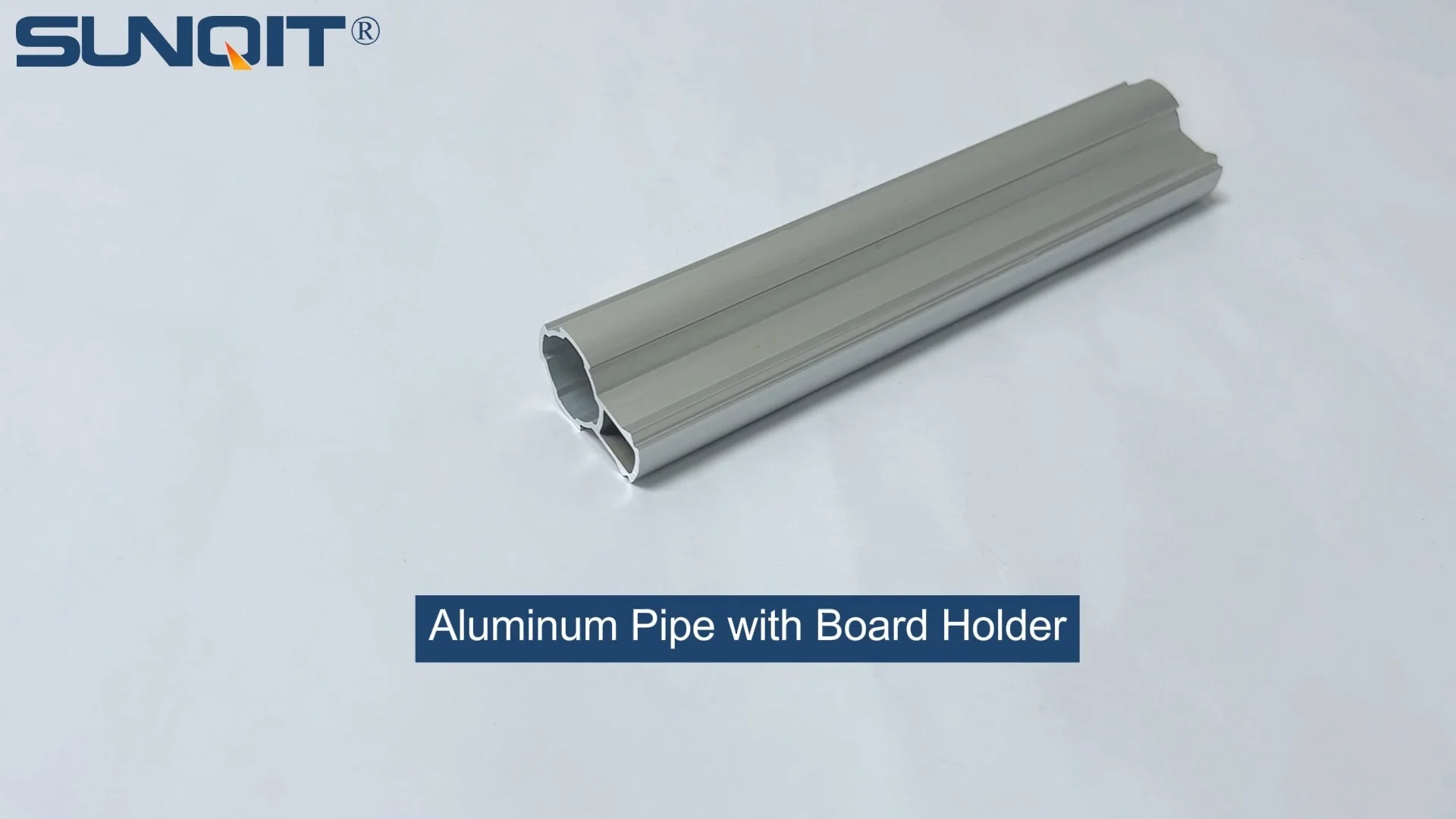
Aluminum Pipe with Board Holder
The linear rolling assembly can be arbitrarily connected in the protruding part of the card slot to increase the rigidity of the track.
When it comes to setting up a production line, workshop, or warehouse, every detail matters—especially the materials that form the backbone of your workspace. Among the many decisions you'll face, choosing between steel and aluminum pipes with board holders is one that ripples through your operations, budget, and long-term efficiency. Whether you're assembling a lean system for small-batch production or scaling up a large manufacturing floor, understanding the true cost of these materials isn't just about the price tag on the invoice. It's about weighing upfront expenses against maintenance, durability, and even how they adapt to your team's evolving needs. Let's dive into this head-to-head comparison, breaking down the costs that really count for your business.
What Are Steel and Aluminum Pipes with Board Holders, Anyway?
Before we crunch numbers, let's make sure we're on the same page. Both steel and aluminum pipes with board holders are foundational components in modern workspace setups, often used to build workbenches, material racks, and assembly stations. The "board holder" part is key—it's the accessory that secures shelves, panels, or work surfaces to the pipes, turning a simple tube into a functional, organized workspace. These systems are workhorses in production assemble lines, warehouses, and even small workshops, where efficiency and adaptability are non-negotiable.
Steel pipes are typically made from carbon steel, known for their strength and rigidity. They're the traditional choice, often seen in heavy-duty applications where raw power is needed. Aluminum pipes, on the other hand, are lighter and often part of aluminum profile systems—think sleek, modular setups that prioritize flexibility and corrosion resistance. Both have their place, but their costs tell very different stories.
Breaking Down the Costs: It's More Than Just the Pipe Price
When most people think "cost," they fixate on the initial price of the materials. But in reality, the total cost of ownership (TCO) includes everything from how much you pay to get the pipes in the door to how much you'll spend keeping them running smoothly for years. Let's break it down.
1. Initial Material Cost: Steel Starts Strong, Aluminum Plays the Long Game
Walk into a supplier's catalog, and you'll likely notice steel pipes with board holders are cheaper upfront. Steel is abundant and easier to produce in bulk, so per linear foot, it often costs 30-50% less than aluminum. For example, a basic steel pipe with a standard board holder might run $15-$25 per unit, while a comparable aluminum version could be $25-$40. If you're working with a tight immediate budget, steel might seem like the obvious win here.
But here's the catch: aluminum pipes are often sold as part of pre-engineered systems with compatible accessories—think brackets, joints, and board holders designed to snap together without custom tools. Steel systems, while cheaper per piece, may require additional hardware (like welding or heavy-duty bolts) that adds up fast. So that "cheaper" steel pipe might not feel so cheap once you factor in all the extras.
2. Installation Costs: Aluminum Saves on Labor (and Backaches)
Steel is heavy—really heavy. A 10-foot steel pipe can weigh 20-30 pounds, while an aluminum pipe of the same length might be 5-10 pounds. That difference translates directly to labor costs. Installing steel systems often requires two people, specialized lifting equipment, and more time to align and secure. Aluminum? One person can carry, cut, and assemble it with basic hand tools. If you're paying a crew $50/hour, those saved hours add up quickly.
Take a small workshop installing a 20-foot workbench with board holders. Steel installation might take 4-6 hours (including setup and cleanup), costing $200-$300 in labor. Aluminum? Maybe 2-3 hours, trimming labor costs to $100-$150. Over a larger project—say, a factory floor with 50 workstations—that's a difference of thousands of dollars.
3. Maintenance Costs: Rust, Paint, and Peace of Mind
Steel and aluminum handle wear and tear very differently, and that affects your wallet over time. Steel is prone to rust, especially in humid environments or if it gets scratched. To fight this, you'll need to paint it, apply anti-corrosion coatings, or replace rusted sections every 2-3 years. Each touch-up costs time and money—paint, sandpaper, labor, and maybe even downtime while the system is out of commission.
Aluminum, on the other hand, forms a natural oxide layer that resists corrosion. It doesn't rust, fade, or require painting. Even in damp warehouses or outdoor loading areas, aluminum pipes with board holders stay looking and functioning like new with just an occasional wipe-down. Over 10 years, the maintenance cost for steel could be 2-3 times that of aluminum—easily erasing the initial material savings.
4. Durability and Lifespan: When "Stronger" Isn't Always Better
Steel is stronger in terms of raw tensile strength—it can handle heavier loads without bending. If you're storing 500-pound crates on a material rack with board holders, steel is the way to go. But in most everyday applications (like assembly workbenches or light-part storage), aluminum is more than strong enough. And here's the kicker: aluminum's resistance to corrosion means it often outlasts steel in harsh environments. A steel system in a coastal factory might need replacement after 7-10 years, while aluminum could last 15-20 years with no major issues.
Think of it like buying a car: a budget sedan (steel) is cheaper now, but a reliable SUV (aluminum) might run longer with fewer repairs. Over time, the SUV's higher upfront cost fades next to the sedan's repeated trips to the shop.
5. Customization and Flexibility: Aluminum Adapts as Your Needs Change
Businesses evolve, and so do workspaces. Maybe you need to add a shelf to your workbench next year, or reconfigure your assembly line to accommodate a new product. Aluminum systems shine here. Thanks to their modular design and lightweight nature, you can disassemble, reconfigure, and expand aluminum pipes with board holders in hours. Steel? Not so much. Welded joints, heavy bolts, and rigid structures make changes time-consuming and expensive—if they're even possible.
For example, a manufacturing plant switching from small parts to larger components might need to raise their board holders by 6 inches. With aluminum, that's a matter of loosening a few joints and sliding the pipes up. With steel, it might mean cutting the pipes, rewelding, and repainting—costing days of downtime and hundreds in labor.

Steel vs. Aluminum: The Cost Comparison Table
| Cost Factor | Steel Pipe with Board Holder | Aluminum Pipe with Board Holder |
|---|---|---|
| Initial Material Cost (per unit) | $15-$25 (lower upfront, but extra hardware adds up) | $25-$40 (higher upfront, but includes compatible accessories) |
| Installation Labor (per 20ft system) | $200-$300 (requires 2+ people, heavy lifting) | $100-$150 (1 person, basic tools) |
| Annual Maintenance Cost | $50-$100 (painting, rust treatment, hardware replacement) | $10-$30 (occasional cleaning, minimal upkeep) |
| Estimated Lifespan (in harsh environments) | 7-10 years | 15-20 years |
| Cost to Reconfigure/Expand | High (requires welding, cutting, repainting) | Low (modular design, tool-free adjustments) |
| Total Cost of Ownership (10-year estimate) | $800-$1,200 (material + labor + maintenance) | $600-$900 (higher material, lower labor/maintenance) |
*Estimates based on average market prices and labor costs for small to medium-sized systems. Costs may vary by supplier, location, and system size.

Real-World Scenarios: Which One Makes Sense for You?
Numbers on a page are helpful, but let's put this in context with real businesses.
Scenario 1: The Budget-Conscious Startup
Imagine you're launching a small electronics assembly workshop with $5,000 to spend on workspace setup. You need 10 workbenches with board holders, and you don't anticipate major growth for 3-5 years. Steel might be the way to go here. The lower upfront cost lets you get operational faster, and with careful maintenance (like painting and keeping the space dry), you can stretch that steel system until you're ready to invest in upgrades.
Scenario 2: The High-Volume Food Processing Plant
Food plants are humid, with frequent washdowns to meet safety standards. Steel here would be a nightmare—constant rust, peeling paint, and the risk of contamination from flaking coatings. Aluminum, with its corrosion resistance, is worth the higher upfront cost. Over 10 years, you'll save on maintenance, avoid shutdowns for repairs, and keep your workspace compliant with health regulations.
Scenario 3: The Rapidly Growing E-Commerce Warehouse
Your warehouse is expanding every quarter, and you're always adding new SKUs. You need material racks with board holders that can grow with you. Aluminum's modularity is priceless here. You can start small, add sections as you need them, and reconfigure racks to optimize flow—all without halting operations. Steel would lock you into a fixed layout, forcing you to buy entirely new systems as you grow.
Making the Right Choice: It's About More Than Money
At the end of the day, choosing between steel and aluminum pipes with board holders isn't just about cost—it's about aligning with your business goals. Ask yourself:
- What's my timeline? If you need to open tomorrow and can't wait to save for aluminum, steel might be a temporary fix.
- What's my environment like? Humidity, chemicals, or frequent washdowns? Aluminum is safer and cheaper long-term.
- How heavy are my loads? If you're storing 1,000-pound pallets, steel's strength is non-negotiable.
- Will my needs change? If you anticipate growth or reconfigurations, aluminum's flexibility is worth the investment.
Remember: the cheapest option today might cost you twice as much tomorrow. Aluminum pipes with board holders are an investment in durability, flexibility, and peace of mind—qualities that pay dividends for years to come.
Final Thoughts: Cost Is a Journey, Not a Destination
Steel and aluminum pipes with board holders both have their merits, but when you look beyond the initial price tag, aluminum often emerges as the smarter long-term choice for most businesses. Its lower maintenance costs, ease of installation, and adaptability make it a cost-effective solution that grows with your company.
Whether you're setting up a single workbench or outfitting an entire factory, take the time to calculate total cost of ownership—not just what's on the invoice. Your future self (and your budget) will thank you.