- Company Articles
- Products and Technology
- Installation And Maintenance
- Step-by-Step: Cleaning & Maintaining Chrome Five Way Straight Lean Pipe Joints

Step-by-Step: Cleaning & Maintaining Chrome Five Way Straight Lean Pipe Joints
Related Product
Five Way Straight Lean Pipe Joint
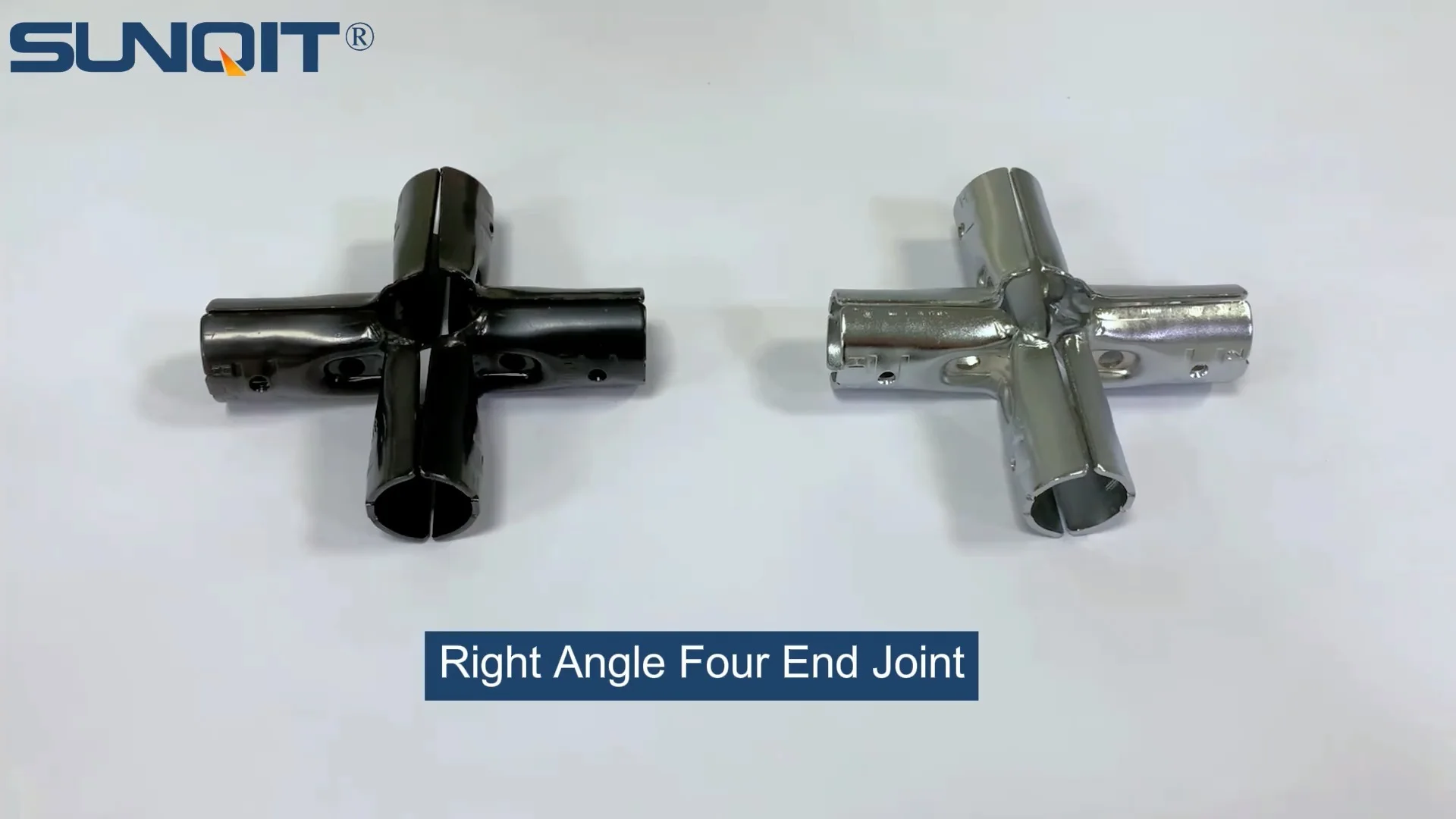
Five way straight lean pipe joint, for 5 pcs 28mm lean pipe connect in straight angle,which used widely in workbench, flow rack, hand trolley frame connection.
Introduction: The Unsung Heroes of Your Lean System
In the bustling world of manufacturing and production, there's a silent workhorse that keeps everything connected—literally. It's not the flashy conveyor belts or the high-tech machinery, but the small, unassuming components that hold your entire operation together. Today, we're shining a spotlight on one such hero: the chrome five way straight lean pipe joint. If you've ever walked through a workshop, warehouse, or assembly line, you've probably seen these joints without even realizing it. They're the chrome-plated connectors that link lean pipes, flow racks, and stabilize workbenches, ensuring your lean system runs like a well-oiled machine.
But here's the thing: even the sturdiest joints can't last forever without a little TLC. Dust, grime, moisture, and the daily wear of heavy use can take a toll, turning a reliable connector into a source of frustration. A rusted joint might seize up, slowing down material flow. A loose connection could wobble, compromising the stability of your entire workstation. And let's not forget the hidden costs—unplanned downtime, replacement parts, and even safety risks when joints fail unexpectedly. That's why taking the time to clean and maintain your chrome five way straight lean pipe joints isn't just a "nice-to-do"—it's a critical part of keeping your lean system efficient, safe, and cost-effective.
In this guide, we're going to walk you through everything you need to know to keep these essential components in top shape. From understanding what makes these joints tick to a step-by-step cleaning process, maintenance tips, and troubleshooting common issues, we'll cover it all. Whether you're a seasoned facility manager, a production floor supervisor, or someone just starting to dip their toes into lean manufacturing, this article is for you. Let's dive in and make sure your lean pipe joints stay strong, smooth, and ready to support your team for years to come.
Understanding the Chrome Five Way Straight Lean Pipe Joint
Before we grab our cleaning supplies, let's take a minute to get to know the star of the show: the chrome five way straight lean pipe joint. At first glance, it might look like a simple metal piece, but there's more to it than meets the eye. Let's break it down.
What Is It, Exactly?
A chrome five way straight lean pipe joint is a multi-functional connector designed to join lean pipes (also called "lean tubes") at various angles, typically in a straight line with additional ports for branching off. The "five way" part means it has five connection points—one main straight-through port and four perpendicular ports—allowing you to build complex structures like workbenches, material racks, or flow racks with minimal effort. The "chrome" coating is key here: it's not just for shine. Chrome plating adds a protective layer that resists corrosion, scratches, and wear, making the joint durable enough to handle the rigors of industrial environments.
Why Chrome? Why Five Way?
Chrome plating isn't just about aesthetics. In busy production settings, joints are exposed to all kinds of elements: oil from machinery, moisture from cleaning, even chemicals from spills. Chrome acts as a barrier, preventing the underlying metal (often steel) from rusting or corroding. This is especially important for joints that are part of stainless steel pipe series or aluminum lean pipe systems, where compatibility and longevity are non-negotiable.
As for the "five way" design? Lean systems thrive on flexibility. A five way joint lets you connect pipes in multiple directions—say, a main horizontal pipe with vertical supports on both sides and a diagonal brace for extra stability. This versatility means you can customize your workspace on the fly, adapting to new production needs without overhauling your entire setup. Whether you're building a turnover trolley, a material rack, or a custom workbench, these joints are the building blocks that make modularity possible.
Where Do They Fit in Your Lean System?
Think of your lean system as a human body. If lean pipes are the bones, then joints are the joints (no pun intended)—the elbows, knees, and shoulders that give structure and mobility. Chrome five way straight lean pipe joints are often found in high-stress areas: the corners of workbenches that support heavy tools, the intersections of flow racks that carry boxes, or the junctions of conveyor systems that move parts along the assembly line. They work hand-in-hand with other lean pipe and accessories, like caster wheels for mobility, roller tracks for smooth material flow, and aluminum profiles for added strength. In short, without these joints, your lean system would be little more than a pile of pipes.

Why Cleaning & Maintenance Matter: The Cost of Cutting Corners
Let's get real: between meeting production deadlines, training new staff, and troubleshooting unexpected breakdowns, who has time to "waste" on cleaning a tiny metal joint? But here's the hard truth: skipping maintenance on your chrome five way straight lean pipe joints will cost you far more time, money, and stress in the long run. Let's break down why this simple task deserves a spot on your to-do list.
Preventing Corrosion: Chrome's Worst Enemy
Chrome plating is tough, but it's not invincible. Over time, dust and grime can build up on the surface, trapping moisture against the metal. When that happens, even chrome can start to chip or rust. A small rust spot might seem harmless, but left unchecked, it can spread, weakening the joint and making it prone to snapping under pressure. Imagine a flow rack loaded with parts suddenly collapsing because a rusted joint gave way—that's not just a production delay; it's a safety hazard. Regular cleaning removes that buildup, keeping the chrome intact and your joints strong.
Ensuring Smooth Operation: No More Sticky Situations
Many lean pipe joints, including five way ones, have moving parts or require precise alignment to work properly. If dirt gets into the crevices where the joint connects to the pipe, it can create friction, making it hard to adjust or tighten. Over time, this can lead to loose connections, wobbling structures, or even pipes that slip out entirely. By keeping joints clean and lubricated, you ensure that adjustments are smooth, connections are secure, and your lean system stays stable—no more wrestling with stuck pipes or wobbly workbenches.
Extending Lifespan: Save Money on Replacements
Lean pipe joints aren't cheap, and replacing them frequently adds up. A single chrome five way straight lean pipe joint might cost $10–$20, but if you have dozens (or hundreds) in your facility, replacing them all because of neglect could set you back thousands. On the flip side, a little cleaning and maintenance can double or even triple the lifespan of your joints. It's simple math: spending 10 minutes a month cleaning a joint costs next to nothing, but replacing it costs time, money, and the hassle of shutting down production to swap it out.
Safety First: Protecting Your Team
At the end of the day, the most important reason to maintain your joints is safety. A loose or damaged joint can lead to collapsed racks, falling tools, or unstable work surfaces—all of which put your team at risk. Imagine a worker leaning on a workbench that suddenly gives way because a joint failed, or a box falling from a flow rack onto someone below. These aren't just hypothetical scenarios; they're real risks that can lead to injuries, workers' compensation claims, and damaged morale. By keeping your joints in top shape, you're not just protecting your equipment—you're protecting the people who keep your business running.

Step 1: Gather Your Supplies—What You'll Need
Before you roll up your sleeves, let's make sure you have everything you need. Cleaning and maintaining chrome five way straight lean pipe joints doesn't require fancy tools, but having the right supplies on hand will make the job faster and more effective. Here's your checklist:
- Mild detergent or chrome cleaner: Avoid harsh chemicals like bleach or abrasive cleaners—they can scratch or damage the chrome plating. A gentle dish soap mixed with warm water works great, or you can pick up a specialized chrome cleaner from your local hardware store.
- Soft microfiber cloths: These are gentle on chrome and won't leave lint or scratches. Avoid paper towels, which can be abrasive.
- Soft-bristled brush: A toothbrush (old, obviously!) or a small paintbrush works well for getting into tight crevices and around the threads of the joint.
- Compressed air can or air compressor: Useful for blowing dust and debris out of hard-to-reach spots, like the inside of the joint where pipes connect.
- Rust remover (optional): If you notice small rust spots, a mild rust remover (like naval jelly) can help—just test it on a small, hidden area first to make sure it doesn't damage the chrome.
- Lubricant: A silicone-based lubricant or light machine oil (like 3-in-1 oil) will keep moving parts smooth. Avoid heavy greases, which can attract dust and grime.
- Wrench or hex key: Depending on how your joints are secured, you may need a wrench or hex key to loosen/tighten connections during maintenance.
- Bucket of warm water: For rinsing cloths (if using soap and water).
- Gloves (optional): To protect your hands from chemicals or sharp edges.
Pro tip: Keep these supplies in a dedicated "lean pipe maintenance kit" and store it near your workstations. That way, you won't waste time hunting for tools when it's time for cleaning.

Step 2: Pre-Cleaning Inspection—What to Look For
Before you start scrubbing, take a minute to inspect the joint. This step might seem small, but it's crucial for catching issues early and tailoring your cleaning approach. Here's how to do it:
Check for Visible Damage
Hold the joint up to the light (or use a flashlight) and look for signs of wear: cracks in the chrome plating, dents, or bent metal. If the chrome is peeling or flaking, that's a red flag—the underlying metal is now exposed and at risk of rust. Also, check the threads (if the joint screws onto pipes) for stripping or damage. Stripped threads can't hold pipes securely, so these joints will need to be replaced, not just cleaned.
Look for Rust or Corrosion
Rust often starts in small, hidden spots: around the edges of the joint, in the crevices between ports, or where the joint meets the pipe. Even tiny orange or brown spots are worth noting—they'll only get worse if ignored. Pay extra attention to joints in damp areas (like near washing stations) or those exposed to oil or chemicals, as these are more prone to corrosion.
Test Mobility and Tightness
If the joint has moving parts (like swivel ports), gently rotate or adjust them to see if they move smoothly. Stiffness or resistance could mean dirt or rust is causing friction. Also, check how tight the joint is to the pipe—if it wobbles or twists easily, it may need to be tightened (we'll cover that in the maintenance step).
Note Debris Buildup
Dust, grease, and dirt can cake onto joints, especially in high-traffic areas. Take note of where the buildup is heaviest—this will guide where you focus your cleaning efforts. For example, joints near conveyor belts might have more grease, while those near open windows could have more dust.
Once you've completed the inspection, you'll have a clear picture of what you're dealing with. If the joint is damaged beyond repair (cracked, heavily rusted, stripped threads), it's time to replace it with a new one. But if it's just dirty or slightly worn, let's move on to cleaning.
Step 3: Cleaning the Joint—A Deep Dive
Now, the main event: cleaning your chrome five way straight lean pipe joint. Follow these steps to get it sparkling clean and ready for maintenance:
Step 3.1: Remove Loose Debris with Compressed Air
Start by blowing away loose dust, dirt, and crumbs using compressed air. Hold the can or compressor nozzle a few inches from the joint and aim it at all the ports, crevices, and threads. This will dislodge any dry debris that could scratch the chrome when you start wiping. Pay special attention to the inside of the ports, where dust can hide—you might be surprised by how much gunk comes out!
Step 3.2: Wipe Down with Mild Detergent and Water
Dampen a microfiber cloth with warm water and a drop of mild detergent. Gently wipe the entire surface of the joint, using circular motions to lift away grease and grime. Don't scrub too hard—chrome plating is durable, but excessive pressure can scratch it. For stubborn spots (like dried oil), let the soapy cloth sit on the area for 30 seconds to loosen the gunk before wiping again.
Step 3.3: Clean Crevices with a Soft Brush
Use your soft-bristled brush to get into the tight spots the cloth can't reach: the corners between ports, the threads, and the edges of the chrome plating. Dip the brush in soapy water if needed, and gently scrub to dislodge trapped dirt. For example, the area where the five ports meet in the center of the joint is a common hiding spot for grime—take your time here to ensure it's clean.
Step 3.4: Rinse and Dry Thoroughly
If you used soap and water, dampen a clean microfiber cloth with plain water and wipe away any soap residue. Soap left on chrome can leave streaks or even damage the plating over time, so make sure to rinse thoroughly. Once rinsed, dry the joint immediately with a dry microfiber cloth—moisture is the enemy of chrome, so don't let it air dry. Pay extra attention to the inside of the ports and crevices, where water can pool.
Step 3.5: Tackle Rust Spots (If Needed)
If you noticed small rust spots during inspection, now's the time to address them. Apply a tiny amount of rust remover to a cotton swab and gently dab it on the rust spot. Let it sit for 5–10 minutes (follow the product instructions), then wipe it away with a damp cloth. Rinse the area again with water and dry thoroughly. Remember: only use rust remover on small spots—if the joint is heavily rusted, it's better to replace it.
Step 3.6: Polish for Shine (Optional)
For an extra shine (and added protection), you can polish the chrome with a chrome polish or a small amount of baby oil on a dry cloth. Rub the polish onto the joint in circular motions, then buff it off with a clean cloth. This will leave a protective layer that repels dust and moisture, keeping your joint cleaner for longer.
Step 4: Maintenance—Keeping the Joint in Top Shape
Cleaning is just the first part—now it's time to maintain your joint to ensure it stays functional and lasts. Here's how to keep it in peak condition:
Step 4.1: Lubricate Moving Parts
If your chrome five way straight lean pipe joint has moving or adjustable parts (like swivel ports), apply a small amount of silicone lubricant or light machine oil to the hinges or threads. Use a cotton swab to apply the lubricant—this ensures you don't overdo it (too much oil attracts dust). Move the parts back and forth a few times to distribute the lubricant evenly. This will keep adjustments smooth and prevent rust from forming in the moving components.
Step 4.2: Tighten Connections
Over time, vibrations from machinery or the weight of pipes can loosen the joint's connection to the lean pipe. Using a wrench or hex key (depending on the joint's design), gently tighten the joint to the pipe. Be careful not to over-tighten—this can strip the threads or damage the pipe. A good rule of thumb: tighten until you feel resistance, then give it a quarter-turn more. Check all connected pipes to ensure they're secure and the joint is centered (no or misalignment).
Step 4.3: Inspect for Wear (Again!)
Now that the joint is clean, take a second look for any wear you might have missed during the pre-cleaning inspection. Clean chrome makes it easier to spot cracks, dents, or thinning plating. If you notice any new issues (like a small crack you didn't see before), mark the joint for replacement as soon as possible—don't wait for it to fail.
Step 4.4: Reinstall (If You Removed It)
If you removed the joint from the lean system to clean it, now's the time to put it back. Align the ports with the pipes, slide it into place, and tighten the connections as you did in Step 4.2. Double-check that the structure is stable—no wobbling, no loose pipes, and all parts aligned correctly.
Troubleshooting Common Issues: A Handy Table
Even with regular cleaning and maintenance, issues can pop up. Here's a quick reference table to help you diagnose and fix common problems with chrome five way straight lean pipe joints:
| Issue | Possible Cause | Solution |
|---|---|---|
| Joint is stiff or hard to adjust | Dirt or rust in moving parts; lack of lubrication | Clean the joint thoroughly, then apply lubricant to moving components. If still stiff, check for rust and replace if needed. |
| Joint wobbles or feels loose | Loose connection to pipe; stripped threads; worn internal components | Tighten the joint with a wrench. If it still wobbles, check for stripped threads—replace the joint if threads are damaged. |
| Chrome is peeling or flaking | Heavy wear, corrosion, or impact damage | replace the joint—peeling chrome exposes the underlying metal to rust, making it unsafe. |
| Small rust spots on chrome | Moisture trapped under dirt or debris | Clean the spot with rust remover, rinse, dry, and polish. Monitor for spreading—replace if rust worsens. |
| Pipe slips out of the joint | Loose connection; damaged or worn internal grip (e.g., plastic inserts) | Tighten the joint. If slipping continues, check for worn internal parts—replace the joint if inserts are damaged. |
Best Practices: Making Maintenance a Habit
To keep your chrome five way straight lean pipe joints (and your entire lean system) in top shape, make maintenance a regular habit. Here are some tips to make it easy:
Set a Schedule
Create a maintenance calendar and stick to it. For high-use joints (like those on workbenches or flow racks), aim for a quick clean every week and a deep clean + maintenance every month. For low-use joints, a monthly quick clean and quarterly deep clean should suffice. Assign someone on your team to be responsible for checking off tasks—accountability goes a long way.
Train Your Team
Teach your staff to spot issues early. A quick "joint check" can be part of their daily or weekly duties—encourage them to report loose, rusted, or damaged joints immediately. The sooner you catch a problem, the easier (and cheaper) it is to fix.
Stock Spare Parts
Keep a supply of spare chrome five way straight lean pipe joints, lean pipe and accessories (like bolts and washers) on hand. This way, if a joint needs replacement, you can swap it out quickly without waiting for an order to arrive. Store spares in a labeled bin near your maintenance kit for easy access.
Keep the Area Clean
A clean workspace means less debris on your joints. Regularly sweep or vacuum around lean systems, and wipe down workbenches and flow racks to prevent dust and grease buildup. This reduces the amount of cleaning your joints need in the first place.
Document and Track
Keep a log of when joints are cleaned, maintained, or replaced. This helps you spot patterns (e.g., joints in a certain area rust faster) and plan for future maintenance or upgrades. A simple spreadsheet or notebook works—just note the date, joint location, and what was done.
Conclusion: Small Steps, Big Results
Cleaning and maintaining chrome five way straight lean pipe joints might not be the most glamorous task in your facility, but it's one of the most impactful. These small, unassuming components are the backbone of your lean system, and taking care of them ensures your operation runs smoothly, safely, and efficiently. By following the steps in this guide—inspecting, cleaning, maintaining, and troubleshooting—you'll extend the lifespan of your joints, save money on replacements, and protect your team from unnecessary risks.
Remember: lean manufacturing is all about continuous improvement, and that starts with the little things. A clean, well-maintained joint is a sign of a well-run facility—one that values efficiency, safety, and quality. So the next time you walk past a workbench or flow rack, take a second to check the joints. You might be surprised by how much difference a little TLC can make.
Now, go grab your maintenance kit, roll up your sleeves, and give those joints the care they deserve. Your lean system (and your team) will thank you.