Straight Lean Pipe Joint Square End Chrome Explained: From Material to Application

Related Product
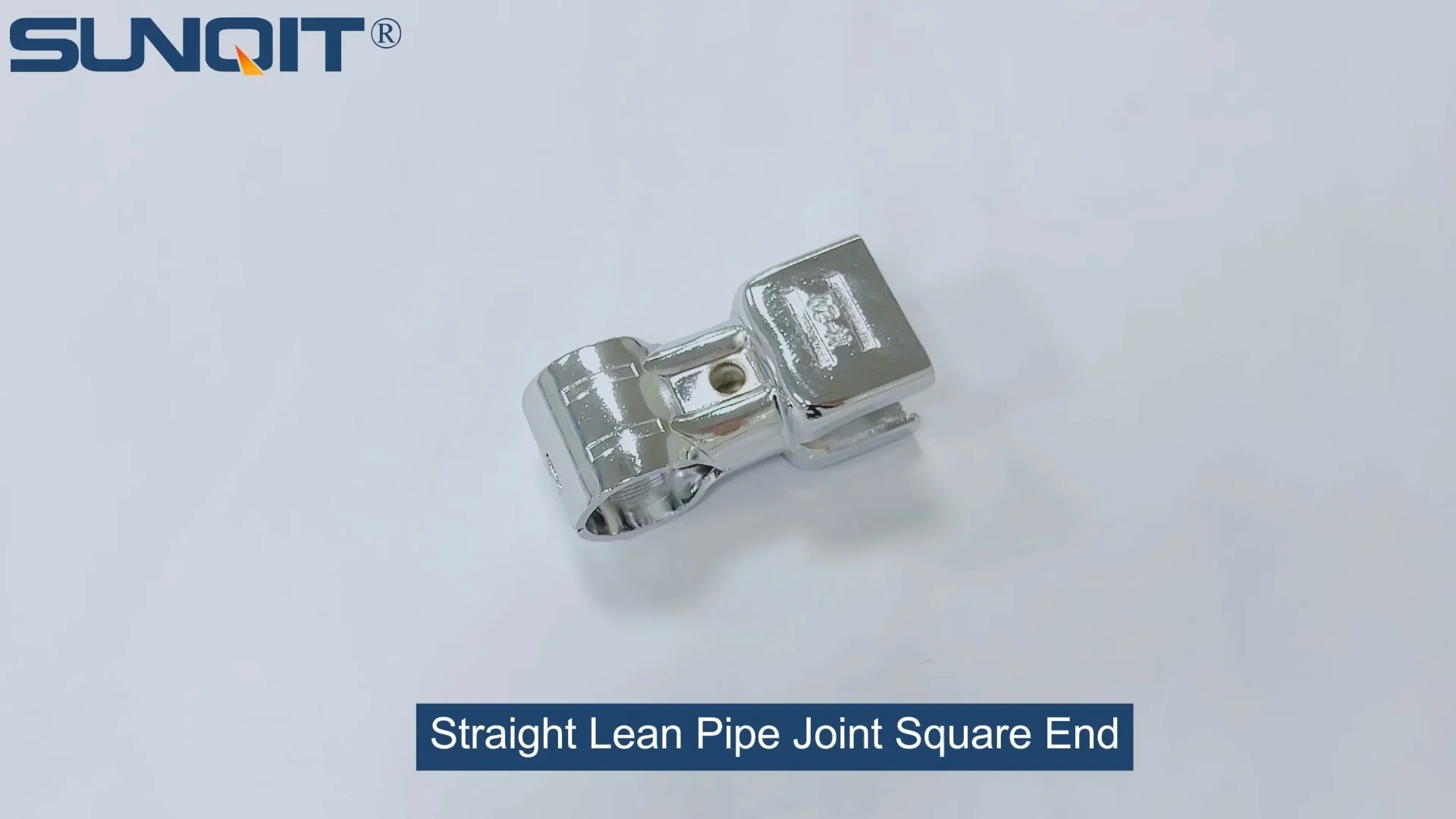
Straight Lean Pipe Joint Square End Chrome
Straight lean pipe joint square end, one side connect with 28mm round pipe, the other side connect with square tube.
Straight Lean Pipe Joint Square End Chrome

Introduction: The Unsung Hero of Lean Manufacturing

Walk into any modern factory, warehouse, or assembly line, and you'll likely see a symphony of movement: products gliding along flow racks, workers stationed at sturdy workbenches, and trolleys zipping between stations. What ties all these elements together? More often than not, it's a lean pipe system—modular, flexible, and designed to adapt to the ever-changing needs of production. But within these systems, there's a small component that deserves a spotlight: the straight lean pipe joint square end chrome. It might not look like much at first glance, but this unassuming piece is the backbone of stability and versatility in lean manufacturing setups.

Lean manufacturing isn't just about cutting costs; it's about creating systems that are efficient, adaptable, and responsive. Every component, from the largest workbench to the tiniest joint, plays a role in that mission. The straight lean pipe joint square end chrome, with its chrome-plated finish and square design, is a perfect example of how attention to detail in materials and engineering can transform a simple connector into a tool that boosts productivity, reduces downtime, and ensures safety. Let's dive into what makes this joint special—from the materials that give it strength to the real-world applications where it shines.

What Exactly Is the Straight Lean Pipe Joint Square End Chrome?

At its core, the straight lean pipe joint square end chrome is a connector. Its job? To link lean pipes (hollow metal tubes, often made of steel or aluminum) together, forming structures like workbenches, flow racks, material carts, and more. But not all connectors are created equal. What sets this one apart is its design: a straight profile, a square end, and a chrome-plated finish. Let's break that down.

First, the "straight" part means it's designed to connect pipes in a linear fashion, creating straight sections of a structure. The "square end" refers to the flat, angular edges where the pipe inserts, unlike rounded or tapered ends. This square design isn't just for looks—it ensures a snug, secure fit that minimizes wobbling or misalignment. And "chrome"? That's the protective plating that coats the joint, adding durability and a sleek finish. Together, these features make it a go-to choice for anyone building robust, long-lasting lean pipe systems.

Material Deep Dive: Why Chrome Plating Matters

To understand the straight lean pipe joint square end chrome, we need to start with what it's made of. Most of these joints begin as a base of steel—chosen for its strength and affordability. But steel alone isn't enough to withstand the harsh conditions of a factory floor: moisture, oil, frequent handling, and even minor impacts can take a toll over time. That's where chrome plating comes in.

Chrome plating is a process where a thin layer of chromium is electroplated onto the steel surface. Why chromium? For starters, it's incredibly resistant to corrosion. In environments where spills or humidity are common, a chrome finish acts like a shield, preventing rust from eating away at the joint. This isn't just about longevity; it's about safety, too. A rusted joint could weaken over time, putting workers or products at risk. Chrome also adds hardness to the surface, making the joint more scratch-resistant and able to handle the wear and tear of daily use—like when a worker accidentally bumps a trolley into a rack or tightens a pipe a little too firmly during assembly.

Aesthetics play a role, too. Chrome has a bright, reflective finish that gives lean systems a clean, professional look. In industries like electronics manufacturing, where cleanliness is critical, this matters—not just for appearance, but for maintaining a sterile environment. Unlike painted joints, which can chip or fade, chrome stays shiny and intact for years, even with regular cleaning.

Design Features: The Square End Advantage

Let's talk about that square end. If you've ever tried to build something with rounded connectors, you know the frustration: pipes slip, angles are hard to lock in, and you end up spending extra time adjusting. The square end of this joint solves that problem. When you insert a lean pipe into the square opening, the flat edges create a "lock" that prevents the pipe from rotating or shifting. This makes assembly faster and more precise—no more second-guessing if the joint is aligned correctly.

But the square design isn't just about alignment. It also distributes pressure more evenly across the pipe. Rounded joints can concentrate stress on a single point, which over time might bend or damage the pipe. With a square end, the force is spread out, reducing wear and extending the life of both the joint and the pipe. This is especially important for structures that hold heavy loads, like material racks or workbenches stacked with tools and components.

Another key design feature is compatibility. The straight lean pipe joint square end chrome is typically engineered to fit standard lean pipe sizes (often 28mm or 30mm in diameter), making it easy to pair with other lean pipe accessories—think caster wheels for trolleys, roller tracks for flow racks, or leveling feet for workbenches. This universality is what makes lean pipe systems so flexible: you can mix and match components to build exactly what you need, without being locked into a single brand or style.

Assembly Made Simple: No Tools, No Fuss

One of the biggest perks of lean pipe systems is how easy they are to assemble—and the straight lean pipe joint square end chrome is a big reason why. Unlike welded structures, which require specialized skills and equipment, these joints let you build (and rebuild) in minutes. Here's how it works: slide the lean pipe into the square end of the joint, tighten the set screw (usually with a simple hex key), and you're done. No welding, no drilling, no complicated instructions.

This simplicity is a game-changer for busy production lines. Imagine you run a small electronics factory, and you suddenly need to reconfigure your assembly line for a new product. With traditional fixed workbenches, that might mean days of downtime and costly renovations. But with lean pipe systems using square end chrome joints? You can disassemble the old setup, rearrange the pipes and joints, and have a brand-new workbench or flow rack up and running by the end of the shift. It's flexibility that keeps pace with your business.

And let's not overlook reusability. If a joint gets damaged or you no longer need a particular structure, you can simply unscrew the set screw, remove the joint, and reuse it elsewhere. This reduces waste—a core principle of lean manufacturing—and saves money on replacement parts. It's a small detail, but it adds up over time, especially for businesses looking to scale or adapt quickly.

Applications: Where This Joint Shines

So, where do you actually use a straight lean pipe joint square end chrome? The short answer: anywhere you need a strong, stable, and adaptable structure. Let's look at three common applications where this joint proves its worth.

1. Workbenches: The Foundation of Productivity

A workbench is more than just a table—it's where workers spend hours assembling products, testing equipment, or sorting materials. It needs to be sturdy, level, and able to withstand daily use. The straight lean pipe joint square end chrome is ideal here. When building a workbench frame, these joints connect the vertical and horizontal pipes, creating a rigid structure that doesn't wobble, even when tools or heavy parts are placed on top. The square ends ensure the legs are perfectly aligned, so the bench stays level, reducing strain on workers' backs and improving accuracy.

Take an automotive parts manufacturer, for example. Their workbenches need to hold heavy tools and components, and they might need to add shelves or tool hooks as new tasks come up. With square end chrome joints, they can easily attach extra pipes for shelves or hangers, knowing the joints will support the weight without bending.

2. Flow Racks: Keeping Materials Moving

Flow racks are the arteries of a warehouse or assembly line, transporting materials from storage to production with minimal effort. They rely on gravity or rollers to move products smoothly, but the frame holding those rollers needs to be rock-solid. The straight lean pipe joint square end chrome excels here, too. When building the sides and supports of a flow rack, these joints create straight, stable rails that keep the roller tracks aligned. Misaligned tracks can cause jams, slowing down production—something the square end design prevents by locking pipes into place.

Imagine a distribution center handling small electronics components. Their flow racks need to be precise to avoid damaging delicate parts. By using square end chrome joints, they can ensure the roller tracks are perfectly straight, so components glide from shelf to picker without getting stuck. And if they need to adjust the rack's height or width for new products? Just loosen the joints, reposition the pipes, and tighten—no need for a whole new rack.

3. Turnover Trolleys: Mobility Without Compromise

Turnover trolleys (or material carts) are the workhorses of any facility, moving parts from one station to another. They need to be lightweight enough to push easily but strong enough to carry heavy loads. The straight lean pipe joint square end chrome helps here by connecting the trolley's frame, ensuring it doesn't flex or bend when loaded. The chrome finish also resists scratches from frequent use, so the trolley stays looking clean and professional, even in busy environments.

A food packaging plant, for instance, might use turnover trolleys to move boxes of ingredients. These trolleys need to be easy to clean (hence the chrome's resistance to moisture) and sturdy enough to handle stacked boxes. With square end joints, the frame stays rigid, preventing the trolley from swaying and spilling contents—saving time and reducing waste.

How Does It Compare to Other Joints?

Not all lean pipe joints are the same. From aluminum rotatory joints to plastic connectors, there are options for every need. So when should you choose the straight lean pipe joint square end chrome over the others? Let's compare.

Joint Type Material Best For Key Advantage Limitations
Straight Lean Pipe Joint Square End Chrome Chrome-plated steel Heavy-duty structures (workbenches, flow racks) High strength, corrosion resistance, square end alignment Heavier than aluminum; fixed angle (straight only)
Aluminum Rotatory Joint Aluminum alloy Lightweight, adjustable structures (mobile trolleys) Lightweight, rotatable for flexible angles Lower load capacity; less corrosion resistance than chrome
Plastic Fixed Joint Polypropylene Low-weight, low-cost setups (light shelving) Affordable, easy to clean Not for heavy loads; prone to cracking under stress
90° Steel Fixed Joint Unplated steel Right-angle structures (corner supports) Strong for 90° angles No chrome finish (prone to rust); not straight/linear

As the table shows, the straight lean pipe joint square end chrome stands out for heavy-duty, high-stability applications. If you need a joint that can handle weight, resist corrosion, and keep pipes aligned, this is your pick. Aluminum joints are great for lightweight setups, but they can't match the chrome steel joint's strength. Plastic joints are cheap, but they won't last in tough factory conditions. For most industrial settings, the square end chrome joint is the reliable choice.

Maintenance: Keeping Your Joints in Top Shape

Like any tool, the straight lean pipe joint square end chrome works best when it's well-maintained. The good news? It doesn't take much effort. Here are a few tips to keep your joints (and your lean pipe system) working smoothly for years:

1. Clean the Chrome Regularly

Chrome's shine isn't just for looks—it's part of its protective layer. To keep it from dulling or pitting, wipe down the joints with a soft cloth and mild soap (avoid abrasive cleaners, which can scratch the chrome). This removes oil, dust, or chemicals that might eat away at the plating over time.

2. Tighten Set Screws Periodically

With daily use, the set screws that hold the pipes in place can loosen slightly. A quick check every few weeks (or whenever you notice wobbling) is all it takes. Grab a hex key, give each screw a gentle turn to tighten, and your structure will stay stable.

3. Inspect for Wear and Tear

Even the toughest joints can get damaged. Look for signs like bent square ends, stripped screws, or chipped chrome. If a joint is damaged, replace it right away—compromised joints can weaken the entire structure, risking accidents or downtime.

Choosing the Right Components: It's All About Compatibility

To get the most out of your straight lean pipe joint square end chrome, you need to pair it with the right lean pipes and accessories. Here's what to keep in mind:

Lean Pipes: Size and Material Matter

Most square end chrome joints are designed for standard 28mm or 30mm diameter lean pipes. Using a pipe that's too small or too large will make the joint loose or impossible to insert, so check the pipe size before buying. For heavy-duty setups, go with steel pipes (they pair perfectly with the joint's steel core). For lighter structures, aluminum pipes work too—just ensure the joint's set screws can grip the aluminum without damaging it.

Accessories: Build Beyond the Basics

The real power of lean pipe systems is in the accessories. Once you have your joints and pipes, you can add caster wheels for mobility, roller tracks for flow racks, or leveling feet for uneven floors. The straight lean pipe joint square end chrome plays well with all these—just make sure the accessories are designed for lean pipe systems (most are, but double-checking never hurts).

Supplier Quality: Don't Skimp on the Basics

Not all square end chrome joints are created equal. A cheap, poorly made joint might have thin chrome plating that chips easily or set screws that strip. Invest in joints from a reputable lean pipe supplier—they'll use thicker steel, better plating, and higher-quality screws, ensuring your structures are safe and long-lasting.

Conclusion: Small Joint, Big Impact

At the end of the day, the straight lean pipe joint square end chrome is more than just a connector. It's a tool that empowers businesses to build smarter, adapt faster, and work safer. From its corrosion-resistant chrome finish to its square end design that locks pipes into place, every detail is engineered to support the goals of lean manufacturing: efficiency, flexibility, and waste reduction.

Whether you're building a workbench for a small workshop or a network of flow racks for a large factory, this joint ensures your structure is strong enough to handle the job and flexible enough to grow with your needs. It's a reminder that in lean systems, even the smallest components can make a big difference. So the next time you see a smooth-running assembly line or a sturdy workbench, take a closer look—chances are, there's a straight lean pipe joint square end chrome holding it all together.


Get In Touch with us

Hey there! Your message matters! It'll go straight into our CRM system. Expect a one-on-one reply from our CS within 7×24 hours. We value your feedback. Fill in the box and share your thoughts!