- Company Articles
- Products and Technology
- Product knowledge
- Straight Lean Pipe Joint Square End Chrome: Handling and Storage Best Practices

Straight Lean Pipe Joint Square End Chrome: Handling and Storage Best Practices
Related Product
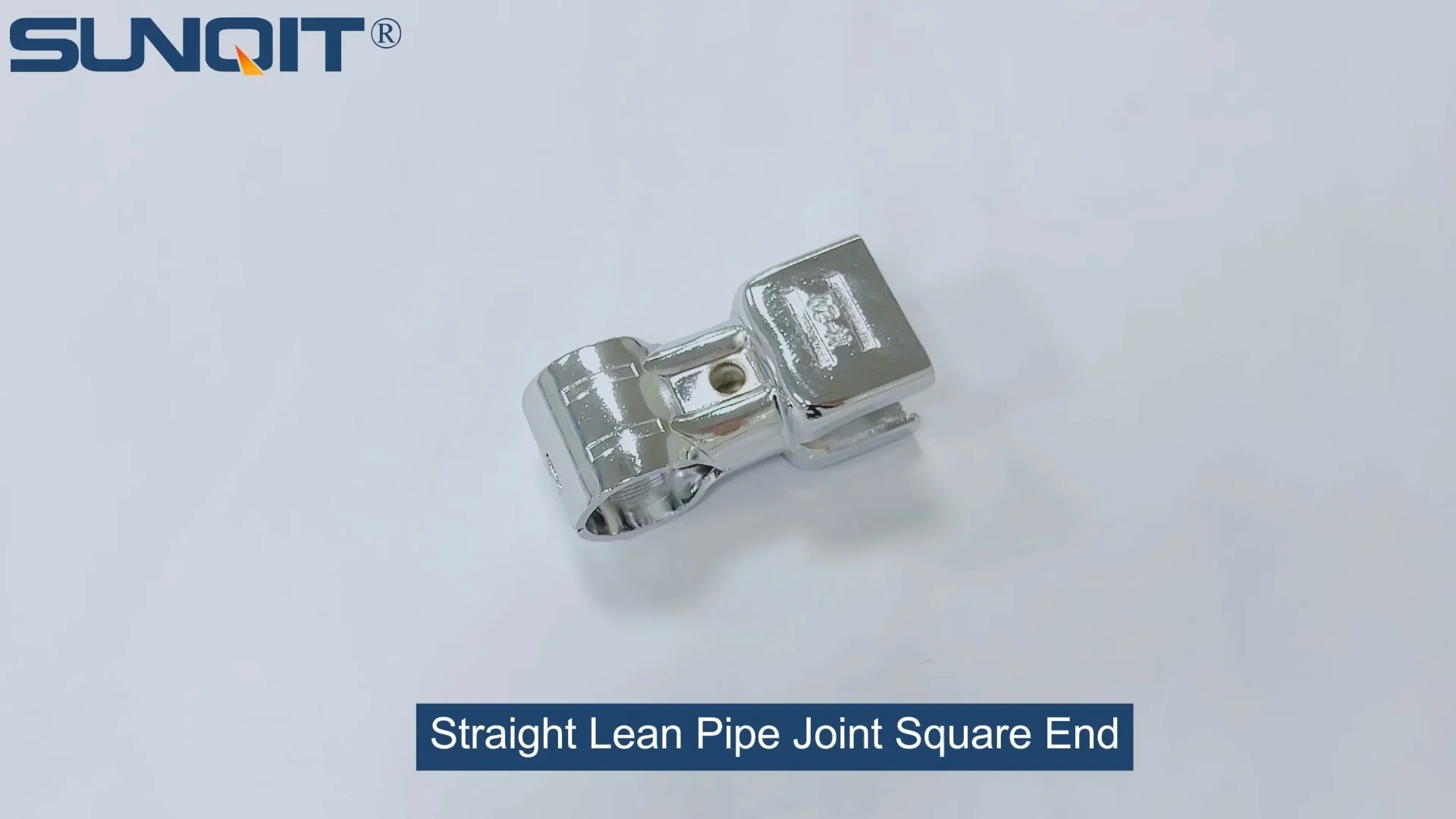
Straight Lean Pipe Joint Square End Chrome
Straight lean pipe joint square end, one side connect with 28mm round pipe, the other side connect with square tube.
Introduction: The Unsung Hero of Lean Systems
In the bustling world of manufacturing and production, where efficiency is king and waste is the enemy, there's a quiet workhorse that keeps operations running smoothly: the straight lean pipe joint square end chrome. You might not notice it at first glance, tucked away between pipes and frames, but this small component is the backbone of countless lean pipe and accessories setups—from workbenches on factory floors to material racks in warehouses. As a critical part of lean systems, it connects pipes, reinforces structures, and ensures stability, making it indispensable for anyone building or maintaining lean workspaces.
But here's the thing: even the sturdiest components can fail if mishandled or stored poorly. A dented joint, a rusted surface, or a misaligned connection can throw off an entire assembly line, leading to delays, rework, and unnecessary costs. That's why mastering the art of handling and storing these chrome-plated joints isn't just a "nice-to-have"—it's a cornerstone of efficient, cost-effective operations. Whether you're a small workshop owner or a procurement manager at a large facility, understanding how to care for these joints will save you time, money, and headaches down the line.
Why Proper Handling and Storage Matter
Let's start with the basics: why does this even matter? Imagine investing in high-quality lean pipe joint components, only to see them degrade within months because they were stacked haphazardly in a damp corner. Or worse, a damaged joint causing a workbench to wobble, putting employee safety at risk. The consequences of poor handling and storage go beyond just the cost of replacement parts—they impact productivity, safety, and the reliability of your entire lean system.
First, there's the financial hit. A single damaged joint might seem trivial, but multiply that by dozens (or hundreds) across a facility, and the costs add up fast. Chrome plating, which protects against corrosion and ensures a smooth finish, can chip or scratch if joints are dropped or rubbed against rough surfaces. Once the plating is compromised, rust sets in, weakening the joint and making it unfit for use. Then there's the downtime: if a joint fails during assembly, your team has to stop work, track down a replacement, and restart—all while deadlines loom.
Safety is another critical factor. These joints are often used in structures that support heavy materials or equipment. A cracked or weakened joint could lead to collapses, putting workers in harm's way. OSHA reports that improper storage of industrial components contributes to thousands of workplace injuries each year, many of which are preventable with basic care. Finally, there's efficiency. When joints are stored disorganized, your team spends valuable time hunting for the right part instead of building or assembling. Proper storage turns "I can't find that joint" into "Here it is—let's get to work."

Handling Best Practices: Treating Joints Like the Precision Parts They Are
1. Safety First: Protect Your Team and the Joints
Handling straight lean pipe joints square end chrome starts with keeping your team safe—and that means gearing up. These joints might not be heavy individually, but when carried in bulk, they can strain muscles or cause slips. Always wear cut-resistant gloves to protect against sharp edges (yes, even chrome-plated surfaces can have burrs from manufacturing). Steel-toe boots are a must if you're moving boxes of joints, as a dropped package can easily crush toes. If you're lifting more than 50 pounds at once, use a team lift or mechanical aid like a pallet jack—no one should risk a back injury for a box of parts.
Another safety tip: never carry joints loose in your arms. They're slippery, especially if the chrome plating is smooth, and can slide out unexpectedly. Instead, use a sturdy container with a lid, like a plastic bin or a cardboard box lined with bubble wrap, to keep them secure during transport. And when unloading from delivery trucks or shelves, take it slow—rushing increases the chance of dropping or banging the joints against hard surfaces, which can chip the chrome or bend the square ends.
2. Tools of the Trade: Using the Right Equipment for Handling
You wouldn't use a wrench to hammer a nail, so don't rely on brute force to handle these joints. For bulk quantities, invest in a small hand truck with a strap to secure boxes—this makes moving stacks of joints across the warehouse a breeze. If you're loading joints onto a workbench for assembly, use a rubber mat on the surface to prevent sliding and absorb impact. For individual joints, a simple tool like a pair of soft-jawed pliers can help grip them without scratching the chrome—perfect for positioning during assembly or inspecting for defects.
Pro tip: Avoid using metal hooks or chains to lift joint containers. The metal-on-metal contact can scratch the chrome, and sharp hooks might puncture packaging, leading to loose parts. Instead, opt for nylon straps or padded slings—they're gentle on the joints and just as strong.
3. Techniques: How to Move, Carry, and Position Joints Without Damage
Let's break it down: when you need to carry a single joint, hold it by the square ends, not the plated surface. The ends are designed to withstand pressure (they're meant to be tightened onto pipes, after all), so gripping them reduces the risk of slipping. If you're passing a joint to a coworker, hand it over palm-to-palm—never toss it. A short toss might seem harmless, but even a 2-foot drop can dent the chrome or misalign the internal threads, making it useless for assembly.
When loading joints into storage racks, align them carefully. Don't force a joint into a space that's too tight; instead, adjust the rack spacing to fit the box dimensions. If you're stacking boxes, make sure the bottom box is sturdy enough to support the weight above—overstacking can crush the joints inside, especially if they're in flimsy packaging. And always place heavier boxes at the bottom of the stack to prevent tipping.

Storage Best Practices: Creating a Home for Your Joints
1. The Right Environment: Keeping Joints Dry, Clean, and Corrosion-Free
Chrome plating is resistant to rust, but it's not invincible. Moisture, humidity, and exposure to chemicals can still cause pitting or discoloration over time. That's why storing your straight lean pipe joints square end chrome in a dry, climate-controlled area is non-negotiable. Aim for a relative humidity below 60%—invest in a dehumidifier if your warehouse tends to get damp, especially during rainy seasons. Avoid storing joints near areas with water leaks, steam pipes, or chemical storage (like cleaning supplies or oils), as these can corrode the chrome or leave sticky residues that attract dust.
Dust is another enemy. A layer of dust might seem harmless, but when it mixes with moisture, it becomes a gritty paste that can scratch the chrome when joints are moved. Keep joints covered when not in use—either in sealed plastic bins or under a breathable cloth tarp. If you're using open shelves, wipe down the joints with a dry microfiber cloth every few weeks to keep them clean. And never store joints directly on concrete floors—moisture can seep up through the slab. Instead, use pallets or plastic risers to elevate boxes off the ground by at least 6 inches.
2. Organization: Racks, Labels, and the Art of "First In, First Out"
A disorganized storage area is a productivity killer. Imagine needing a specific size of straight lean pipe joint and having to dig through piles of unmarked boxes—that's time you'll never get back. The solution? A labeling system that's clear and consistent. Every box or bin should have a label with the joint type (e.g., "Straight Lean Pipe Joint, Square End, Chrome-Plated"), quantity, and date of receipt. This makes inventory checks a breeze and ensures you use the oldest joints first (FIFO method), reducing the chance of long-term storage degradation.
For shelving, use adjustable wire racks or metal shelves that can support the weight of your joint boxes. Group similar joints together—for example, keep all square end chrome joints in one section and other lean pipe joint types in another. If you have limited space, consider using vertical storage—tall racks with narrow shelves maximize floor space. And here's a pro tip: use color-coded bins to differentiate between joint sizes or quantities. Red for 100-count boxes, blue for 50-count, etc.—a quick glance tells you exactly what's where.
If your facility uses roller track systems for material handling, consider installing a short roller track section near your storage area. This makes moving heavy boxes of joints onto shelves or workbenches effortless—just slide the bin along the rollers instead of lifting. It's a small investment that pays off in reduced strain and faster access.
3. Inventory Management: Tracking Joints to Avoid Shortages (or Surpluses)
Even the best storage setup falls apart without proper inventory tracking. How many joints do you have on hand? When will you need to reorder? A simple spreadsheet or inventory management app can answer these questions. Every time you use a joint, note it down. Every time you receive a shipment from your lean pipe supplier , update the count. Set a reorder point—for example, if you use 50 joints per month, reorder when stock hits 75 to avoid running out during a busy period.
Regular audits are also key. Once a month, physically count your joints and compare it to your inventory records. This catches discrepancies early—maybe a box was misplaced, or a joint was damaged and needs to be removed from stock. It also helps you spot trends: are you using more joints in Q4 than Q1? Adjust your ordering schedule accordingly. Remember, an accurate inventory means you never overbuy (wasting money on excess stock) or underbuy (stalling production).
Common Mistakes to Avoid: Learn from Others' (Costly) Errors
Even with the best intentions, it's easy to slip into bad habits. Let's talk about the most common mistakes people make when handling and storing straight lean pipe joints square end chrome—and how to steer clear of them.
Mistake #1: Overstacking boxes. It's tempting to pile boxes high to save space, but the bottom boxes bear the brunt of the weight. Over time, this can crush joints or warp the square ends, making them impossible to fit into pipes. Stick to the manufacturer's weight limits for boxes, and never stack more than 3 boxes high—even if they seem light.
Mistake #2: Ignoring minor damage. "It's just a small scratch—no big deal," you might think. But a scratch in the chrome plating exposes the underlying metal to moisture, which can lead to rust. As soon as you notice a damaged joint, set it aside for inspection. If the damage is cosmetic (a tiny scratch), it might still be usable for non-critical structures. But if the threads are bent or the square end is warped, toss it—using it could compromise the entire assembly.
Mistake #3: Storing joints with incompatible materials. Never store chrome-plated joints next to uncoated steel parts or copper pipes. When different metals touch in a humid environment, they create a chemical reaction called galvanic corrosion, which can eat away at the chrome. Keep dissimilar metals separated by at least a foot, or use plastic dividers between shelves.
Mistake #4: Skipping training. Even if you know the best practices, your team might not. New hires or temporary workers might not realize how delicate these joints can be. Take 10 minutes during onboarding to review handling and storage rules—show them how to lift boxes safely, where joints are stored, and why labels matter. A little training goes a long way in preventing accidents.
Choosing the Right Supplier: Partnering for Quality and Support
Here's a secret that many facility managers overlook: the quality of your handling and storage practices starts with the supplier you choose. A reputable lean pipe supplier doesn't just send you boxes of joints—they provide components that are built to last, packaged to protect during shipping, and backed by support if something goes wrong. So when selecting a supplier, look for these qualities:
Quality plating: The chrome finish should be smooth, even, and free of bubbles or pits. Ask for samples before placing a large order—run your finger over the surface; it should feel consistent, not rough or patchy.
Sturdy packaging: Joints should arrive in boxes with dividers or foam padding to prevent movement during shipping. If your supplier sends joints loose in a flimsy box, expect dents and scratches—even before they reach your warehouse.
Transparent communication: A good supplier will answer questions about material composition, plating thickness, and storage recommendations. If they're vague or unresponsive, it's a red flag—you need a partner who's invested in your success, not just making a sale.
Remember, the cheapest supplier isn't always the best. Saving a few dollars on joints that arrive damaged or corrode quickly will cost you more in the long run. Invest in quality upfront, and pair it with the handling and storage practices we've covered, and you'll get the most out of every joint.
Case Study: How Proper Practices Transformed a Small Workshop
Let's put this all into perspective with a real-world example. A small electronics assembly workshop in Ohio was struggling with frequent delays. Their workbenches, built with lean pipe and accessories , kept wobbling, and they were replacing joints every few months. The team blamed "shoddy parts," but after a closer look, the issue was clear: joints were stored in a damp corner, stacked 5 boxes high, and handled without gloves, leading to rust and bent ends.
The solution? They moved joint storage to a dehumidified closet, installed adjustable metal shelves with labeled bins, and trained the team on proper lifting techniques. They also switched to a lean pipe supplier who provided padded packaging. Within 6 months, joint replacements dropped by 75%, workbench stability improved, and assembly line downtime decreased by 15 hours per week. The lesson? Small changes in handling and storage lead to big results.
Conclusion: The Joint Effort for Success
The straight lean pipe joint square end chrome might be small, but its impact on your operations is huge. By treating it with care—through safe handling, smart storage, and partnership with a reliable lean pipe supplier —you're not just protecting a component; you're protecting your team, your efficiency, and your bottom line. Remember, lean systems are built on the principle that every detail matters. And when it comes to these joints, that detail is in the way you handle, store, and respect the role they play in keeping your facility running like a well-oiled machine.
So take a walk through your storage area today. Are your joints labeled? Are they stored in a dry, organized space? Is your team using the right tools to handle them? A few adjustments now will save you time, money, and stress tomorrow. After all, in the world of lean manufacturing, success isn't about grand gestures—it's about mastering the small things. And when it comes to straight lean pipe joints square end chrome, those small things start with how you treat them.
Quick Reference: Handling & Storage Checklist
| Task | Do's | Don'ts |
|---|---|---|
| Handling | Wear gloves and steel-toe boots; use team lifts for bulk; carry in secure containers | Carry loose joints; toss or drop; use metal hooks for lifting |
| Storage Environment | Keep in dry, climate-controlled area; use pallets to elevate; cover with breathable materials | Store near moisture, chemicals, or concrete floors; leave uncovered |
| Organization | Label clearly with type/quantity/date; use FIFO; group similar joints | Overstack boxes; mix with other joint types; ignore inventory tracking |
| Damage Prevention | Inspect for scratches/rust; set aside damaged joints; use padded packaging | Use bent/warped joints; store with incompatible metals; skip inspections |