- Company Articles
- Products and Technology
- Product knowledge
- Strength Analysis: 1.5mm Stainless Steel Pipe for Heavy-Duty Material Racks

Strength Analysis: 1.5mm Stainless Steel Pipe for Heavy-Duty Material Racks
Related Product
1.5mm Stainless Steel Pipe
Stainless steel pipe, lean pipe, diameter is 28mm, material is SS201 or SS304, SS201 is normally used in the market. It knows a KARAKURI, KAIZEN material for industrial plant to improve efficiency, save labor cost, standard management.
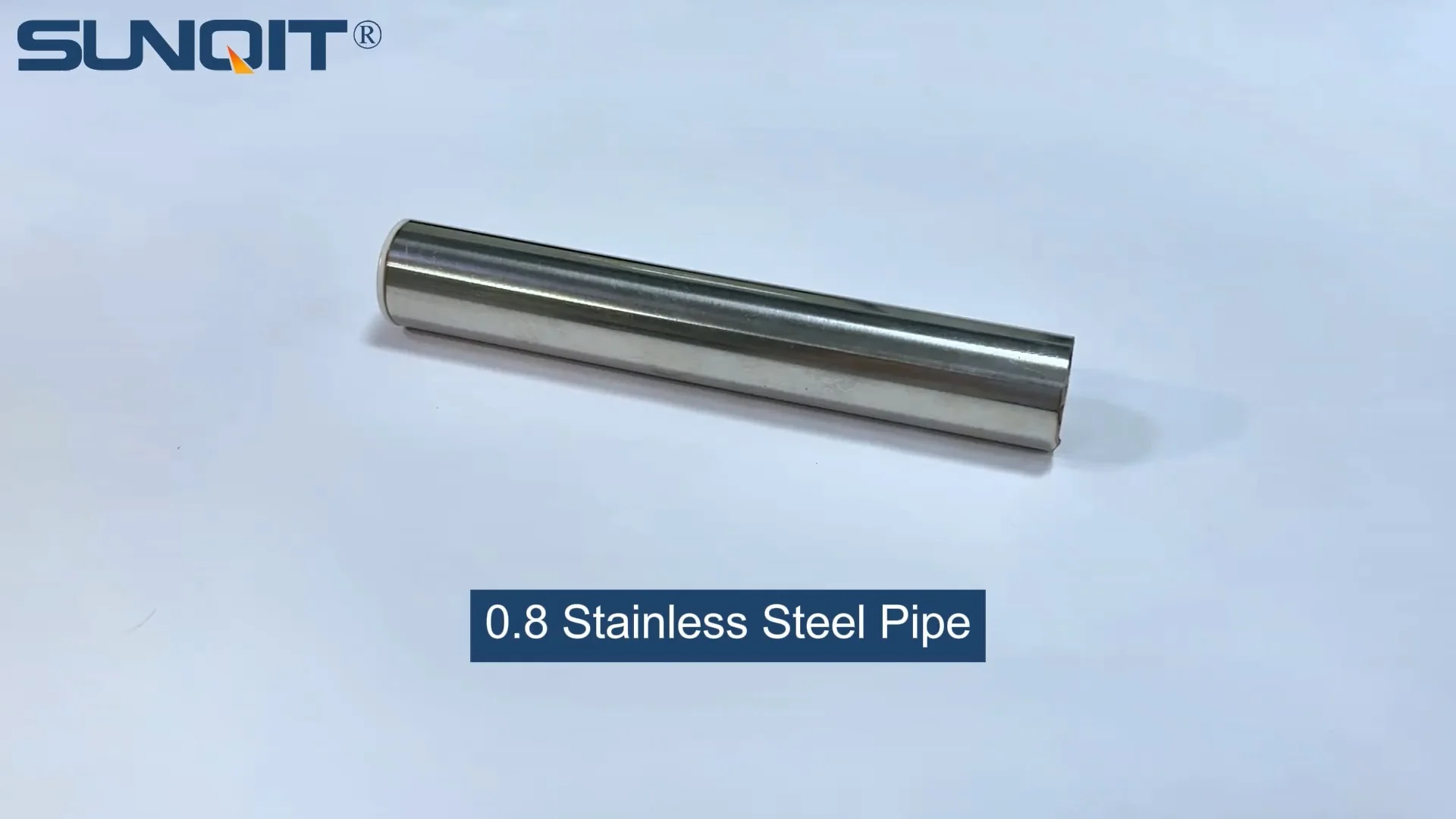
In the fast-paced world of manufacturing and warehousing, the reliability of material handling equipment can make or break daily operations. Among the unsung heroes of these environments are heavy-duty material racks—structures designed to bear substantial loads, streamline workflows, and keep operations running smoothly. At the heart of many of these racks lies a critical component: the 1.5mm stainless steel pipe. Part of the broader stainless steel pipe series , this specific thickness has become a go-to choice for engineers and facility managers alike. But what makes it so effective? Let's dive into a detailed strength analysis, exploring its material properties, structural performance, real-world applications, and why it stands out as a cornerstone of durable material storage solutions.
Understanding the Basics: Stainless Steel as a Material
Stainless steel is revered for its unique combination of strength, corrosion resistance, and longevity. Unlike carbon steel, which is prone to rust, stainless steel contains chromium (at least 10.5%), forming a passive oxide layer that shields the metal from environmental damage. This makes it ideal for use in environments where moisture, chemicals, or frequent cleaning are part of the norm—think automotive plants, food processing facilities, or pharmaceutical warehouses.
Within the stainless steel pipe series , thickness plays a pivotal role in determining performance. A 1.5mm pipe strikes a balance between two key factors: load-bearing capacity and weight. Thicker pipes (like 2.0mm) offer more strength but add unnecessary bulk, making racks harder to assemble and maneuver. Thinner pipes (like 1.2mm) are lighter but may buckle under heavy loads over time. For heavy-duty material racks, 1.5mm emerges as the sweet spot—robust enough to handle demanding tasks without sacrificing practicality.
Strength by the Numbers: Key Mechanical Properties
To truly appreciate the 1.5mm stainless steel pipe's capabilities, let's break down its mechanical properties. These numbers aren't just technical jargon; they directly translate to how well the pipe will perform in real-world scenarios.
Tensile Strength: Resisting Breakage Under Tension
Tensile strength measures the maximum stress a material can withstand before breaking under tension. For 304-grade stainless steel (the most common type in industrial applications), this value typically ranges from 500 to 700 MPa (megapascals). A 1.5mm pipe, when properly fabricated, leverages this strength to resist stretching or snapping, even when supporting unevenly distributed loads—common in material racks where boxes or components may shift during storage.
Yield Strength: Avoiding Permanent Deformation
Yield strength is equally critical. It refers to the stress at which a material begins to deform permanently. For 304 stainless steel, yield strength hovers around 205 MPa. This means the 1.5mm pipe can bend under heavy loads but will return to its original shape once the load is removed—up to a certain point. This "elasticity" is vital for racks, as it prevents permanent warping that could compromise safety or functionality over time.
Thickness and Moment of Inertia: Stiffness Matters
Beyond raw strength, the 1.5mm thickness contributes to the pipe's "stiffness," quantified by its moment of inertia (a measure of resistance to bending). A thicker wall increases this inertia, meaning the pipe is less likely to sag when spanning gaps between rack supports. For example, in a typical material rack b (3 row and 3 floor) —a common design with three vertical columns and three horizontal shelves—the 1.5mm pipe ensures each shelf remains level, even when loaded with 50kg+ items per tier.

Structural Design: How 1.5mm Pipes Support Heavy-Duty Racks
Strength isn't just about the pipe itself; it's also about how it integrates into the rack's overall design. Let's explore the structural elements that make 1.5mm stainless steel pipes such effective building blocks for heavy-duty storage.
Joints and Connections: Distributing Loads Evenly
Racks rely on joints to connect pipes into stable frameworks. The 1.5mm pipe's thickness provides a secure grip for fittings—whether welded, bolted, or clamped. Unlike thinner pipes, which can strip or crack at connection points under stress, 1.5mm walls distribute the load across the joint, reducing the risk of failure. This is especially important in dynamic environments where racks may vibrate (e.g., near machinery) or be bumped during loading/unloading.
Load Distribution: From Shelf to Floor
A well-designed rack transfers weight from the shelves down to the floor, minimizing stress on individual components. 1.5mm pipes excel here: horizontal shelf pipes spread the load across vertical supports, while vertical pipes channel it downward. In a material rack b (3 row and 3 floor) setup, this translates to a total capacity of 450–600kg (assuming 50–70kg per shelf across 3 rows and 3 floors). The 1.5mm pipe's stiffness ensures the shelves don't bow under this weight, keeping stored items stable and accessible.
Corrosion Resistance: Longevity in Harsh Environments
While not a "strength" metric in the traditional sense, corrosion resistance directly impacts a rack's long-term durability. A rusted pipe weakens over time, losing tensile and yield strength. The 1.5mm stainless steel pipe's chromium oxide layer acts as a barrier, resisting rust even in humid warehouses or facilities with frequent washdowns. This longevity reduces maintenance costs and ensures the rack remains safe for years—critical for businesses aiming to maximize return on investment.
| Pipe Type | Thickness (mm) | Tensile Strength (MPa) | Yield Strength (MPa) | Weight (kg/m) | Corrosion Resistance | Max Shelf Load (Typical) |
|---|---|---|---|---|---|---|
| 1.5mm Stainless Steel (304) | 1.5 | 500–700 | 205 | 1.8–2.2 | Excellent (resists rust, chemicals) | 50–70kg per shelf |
| 1.2mm Stainless Steel (304) | 1.2 | 500–700 | 205 | 1.4–1.7 | Excellent | 30–40kg per shelf |
| 2.0mm Aluminum Lean Pipe | 2.0 | 200–300 | 110–180 | 1.0–1.3 | Good (prone to oxidation if uncoated) | 25–35kg per shelf |
The table above compares 1.5mm stainless steel pipes with thinner stainless steel and aluminum alternatives. Notice how 1.5mm outperforms both in load capacity while maintaining a reasonable weight—a balance that's hard to beat for heavy-duty applications.
Real-World Application: Material Rack B in Action
To put this into perspective, let's consider a material rack b (3 row and 3 floor) —a popular design in automotive parts warehouses. This rack stands approximately 1.8m tall, with three vertical columns (rows) and three horizontal shelves (floors), each spanning 1.2m between supports. When fully loaded, each shelf holds 60kg of metal components, totaling 540kg for the entire rack.
Using 1.5mm stainless steel pipes for the horizontal shelves and vertical supports, the rack remains stable and sag-free. Engineers calculate that the pipes experience a maximum bending stress of ~150 MPa under this load—well below the 205 MPa yield strength, ensuring no permanent deformation. Even after months of daily use, the rack retains its shape, and the stainless steel shows no signs of corrosion, despite the warehouse's high humidity.
In contrast, a 1.2mm stainless steel pipe in the same setup would experience ~190 MPa stress—dangerously close to its yield limit. Over time, this could lead to shelf sagging, increasing the risk of items slipping or the rack collapsing. Aluminum pipes, meanwhile, would require thicker walls (2.0mm+) to match the load capacity, adding unnecessary weight and cost.

Integration with Lean Systems: Efficiency Meets Durability
In today's manufacturing landscape, efficiency is key—and that's where lean system principles come into play. Lean systems focus on minimizing waste, optimizing workflows, and maximizing value. 1.5mm stainless steel pipes align perfectly with these goals, offering durability that reduces downtime and flexibility that adapts to changing needs.
Reduced Downtime, Lower Waste
A rack built with 1.5mm stainless steel pipes is less likely to fail, meaning fewer interruptions to production or warehousing. Unlike flimsier materials that require frequent repairs or replacements, stainless steel racks have lifespans of 10+ years. This longevity reduces waste from discarded equipment and frees up maintenance teams to focus on other tasks—core tenets of lean methodology.
Flexibility for Reconfiguration
Lean systems also demand adaptability. As production lines change or product sizes evolve, racks need to be reconfigured quickly. The 1.5mm pipe's strength allows for easy disassembly and reassembly without compromising structural integrity. For example, a material rack b can be modified to add extra shelves or adjust shelf heights, all while retaining its load-bearing capacity. This flexibility ensures the rack grows with the business, avoiding the need for costly replacements.
Accessories and Mobility: Enhancing Functionality
A rack is only as good as its ability to integrate with other tools. 1.5mm stainless steel pipes pair seamlessly with accessories that boost functionality—including caster wheel systems for mobility. Adding caster wheels to the base of a heavy-duty rack transforms it from a static storage unit into a mobile workstation, ideal for moving materials directly to production lines or assembly areas.
The pipe's thickness ensures it can support the added weight of caster wheels and the rack's load during movement. For example, a material rack b fitted with lockable caster wheels can be safely rolled across warehouse floors, even when fully loaded. The stainless steel's durability prevents bending at the wheel mounts, ensuring smooth, safe transport without compromising stability.
Conclusion: Why 1.5mm Stainless Steel Pipe is a Reliable Choice
When it comes to heavy-duty material racks, the 1.5mm stainless steel pipe is more than just a component—it's a cornerstone of reliability. Its balance of tensile strength, yield strength, and corrosion resistance makes it ideal for supporting heavy loads in demanding environments. As part of the stainless steel pipe series , it integrates seamlessly into designs like material rack b (3 row and 3 floor) , ensuring stability and longevity.
Beyond raw strength, its compatibility with lean system principles and accessories like caster wheel s adds layers of functionality, making it a smart investment for businesses prioritizing efficiency and durability. Whether in a bustling warehouse, a precision manufacturing plant, or a busy distribution center, 1.5mm stainless steel pipes deliver the performance needed to keep operations running smoothly—today, tomorrow, and for years to come.