- Company Articles
- Products and Technology
- Solution
- Strengthen Lean Management in Medical Device Production: Custom Solutions Explained

Strengthen Lean Management in Medical Device Production: Custom Solutions Explained
Related Product
Strengthen Lean Management
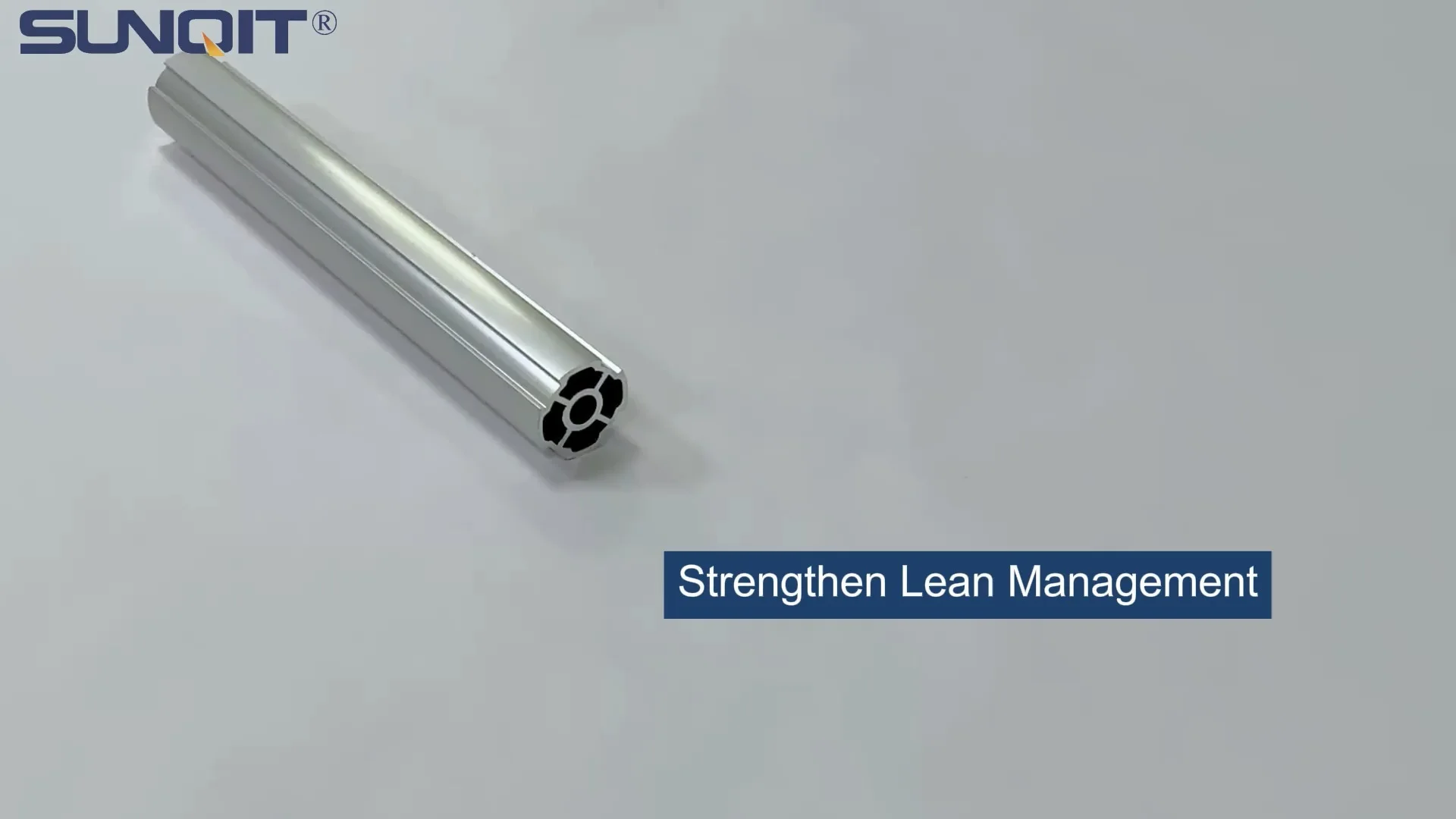
This product is called reinforced aluminum tube, and its bending strength is about twice that of the basic aluminum tube. The end face can process m1o threaded holes, install foot cups and other accessories, or convert internal and external screws in
In the world of medical device manufacturing, where precision can mean the difference between life and death, efficiency isn't just a buzzword—it's a critical component of patient safety. Every second spent searching for a misplaced component, every batch of materials wasted due to poor storage, or every error introduced by a disorganized workspace can compromise the quality of devices that end up in operating rooms, clinics, and patients' homes. This is where lean management steps in—not as a one-size-fits-all methodology, but as a flexible framework tailored to the unique demands of medical production. In this article, we'll explore how custom lean solutions, from ergonomic workbenches to streamlined flow racks and conveyor systems, are transforming medical device manufacturing, ensuring compliance, reducing waste, and ultimately, saving lives.
The Unique Challenges of Medical Device Manufacturing
Medical device production isn't like assembling consumer electronics or automotive parts. The stakes are exponentially higher, and the challenges are uniquely complex. For starters, regulatory bodies like the FDA (Food and Drug Administration) and ISO (International Organization for Standardization) impose rigorous standards for quality control, documentation, and traceability. Every component, from a tiny screw in a surgical tool to a microchip in a pacemaker, must be tracked from supplier to final product, with no room for ambiguity.
Then there's the issue of workflow complexity. Many medical devices require multi-step assembly processes involving specialized labor, sterile environments, and sensitive materials. A single device, such as a catheter or implant, might pass through a dozen hands, each responsible for a critical task. When workflows are disjointed—components stored in scattered locations, tools misplaced, or assembly stations poorly designed—delays become inevitable, and the risk of human error spikes. Add to this the pressure to scale production to meet growing demand (think of the surge in ventilators during the COVID-19 pandemic) without sacrificing quality, and it's clear: traditional, rigid manufacturing setups simply won't cut it.
Waste, too, is a silent enemy. In medical manufacturing, waste isn't just about discarded materials—it includes wasted time (workers hunting for parts), wasted space (unused storage areas), and wasted effort (rework due to errors). For example, expired sterile packaging or components that sit idle on shelves past their usable date can lead to significant material waste, driving up costs and delaying production. In a field where profit margins are already tight due to research and development expenses, these inefficiencies can threaten a company's ability to innovate and deliver life-saving devices.
Lean Systems: A Tailored Approach for Medical Settings
At its core, lean management is about creating more value with less waste—and in medical device production, "value" is defined by patient safety, compliance, and product reliability. But lean isn't a cookie-cutter system; what works for a toy factory won't work here. Medical device manufacturers need lean systems designed specifically for their workflows, their regulatory obligations, and the unique devices they produce. A lean system in this context is a cohesive network of tools, equipment, and processes that streamline workflows, reduce variability, and ensure every step adds value—whether that's reducing the time to assemble a device, minimizing the risk of contamination, or simplifying documentation for audits.
Customization is key. No two medical device companies produce the same products: one might specialize in large-scale imaging equipment, another in disposable diagnostic tools, and a third in implantable devices. Each has different storage needs, assembly line layouts, and compliance requirements. A lean system for a diagnostic kit manufacturer, for example, might prioritize quick access to small, high-volume components, while a company making orthopedic implants would need robust storage for heavy, sterile materials. By partnering with suppliers to design custom solutions, manufacturers can align their lean systems with their specific goals—whether that's faster time-to-market, lower error rates, or better use of floor space.

Custom Lean Solutions in Action
So, what do these custom lean solutions look like on the factory floor? Let's dive into three critical components: the workbench, the flow rack, and the conveyor system. Each plays a unique role in strengthening lean management, but together, they create a seamless, efficient production environment that prioritizes quality and compliance.
The Workbench: Where Precision Meets Ergonomics
The workbench is the heart of any assembly process—and in medical device manufacturing, it's where precision and ergonomics collide. A poorly designed workbench can turn even the most skilled technician into a frustrated, error-prone worker. Imagine a specialist tasked with soldering tiny wires onto a pacemaker circuit board. If the workbench is too low, they'll hunch over, straining their neck and back; if it's too high, their arms will tire quickly, increasing the risk of shaky hands. If tools like microscopes or torque wrenches are scattered across the bench, they'll waste precious seconds reaching for them, breaking their focus.
Custom workbenches solve these issues by adapting to the task at hand. Many are height-adjustable, allowing workers to switch between sitting and standing positions throughout their shift—boosting energy levels and reducing fatigue. Others feature tilting surfaces to improve visibility for intricate tasks, or integrated storage bins with clear labels for tools and components. For sterile environments, workbenches are often made from non-porous materials like stainless steel or aluminum profile, which are easy to clean and sanitize between shifts. Perhaps most critically, ESD (Electrostatic Discharge) workbenches are a staple for handling sensitive electronic components, grounding static electricity to prevent damage to microchips that control everything from heart monitors to insulin pumps.
Take the example of a mid-sized medical device company producing neurostimulation devices—small, battery-powered implants that treat chronic pain. Their assembly line workers were struggling with high error rates during the wiring phase, where even a misplaced wire could render the device useless. After consulting with a lean solutions provider, they invested in custom workbenches with built-in tool rails, LED task lighting, and ESD mats. The result? A 30% reduction in wiring errors, and workers reported feeling less fatigued at the end of their shifts. "It's like night and day," one technician noted. "I can focus on the work, not on finding my tools or straining to see what I'm doing."
Flow Racks: Organizing Components to Eliminate Waste
In medical device production, materials management is a minefield of potential waste. Expired sterile packaging, mislabeled components, and disorganized storage can lead to costly delays and even regulatory violations. Enter the flow rack—a simple yet powerful tool for organizing components, reducing retrieval time, and ensuring FIFO (First-In, First-Out) inventory management, which is critical for preventing the use of expired materials.
Flow racks are designed with inclined shelves and roller tracks, allowing components to "flow" forward as the front items are removed. This ensures that the oldest components (those that arrived first) are used first, reducing the risk of expiration. For medical manufacturers, this is a game-changer: imagine a flow rack stocked with sterile syringes or surgical sutures, each with a clear expiration date. With FIFO in place, workers never accidentally grab an expired batch, avoiding costly rework and potential harm to patients.
Customization takes flow racks a step further. Many are built using aluminum profile shelving, which is lightweight, durable, and easy to reconfigure as production needs change. Shelves can be adjusted to fit different component sizes—from small vials of adhesive to large housings for imaging equipment—and color-coded bins can be added to categorize parts by type, lot number, or assembly step. Some even include integrated barcode scanners or RFID tags, making it easier to track components for compliance audits. For a company producing diagnostic test kits, for example, a custom flow rack with separate sections for reagents, test strips, and packaging materials can reduce picking errors by 50% or more, ensuring each kit contains exactly what it needs to deliver accurate results.
Conveyor Systems: Streamlining Assembly Without Sacrificing Sterility
Moving components and semi-finished devices through the production line is another area ripe for waste reduction—and conveyor systems are the unsung heroes here. In traditional setups, workers might carry heavy trays of components from one station to the next, risking injury or dropping parts. Conveyors eliminate this manual handling, creating a continuous, controlled flow that reduces bottlenecks and minimizes human contact with sensitive materials.
But medical-grade conveyors aren't your average factory belts. They're designed with sterile environments in mind, featuring smooth, non-porous surfaces (often aluminum or stainless steel) that can withstand frequent cleaning with harsh disinfectants. Some are enclosed in clear plastic tunnels to protect components from dust or airborne particles, while others include variable speed controls to match the pace of assembly. For example, during the delicate process of attaching a sensor to a glucose monitor, the conveyor might slow to a crawl, giving the technician time to ensure a perfect bond; later, when applying a label, it can speed up to keep the line moving.
Custom conveyors can also be integrated with other lean tools, such as barcode readers that automatically log each component as it moves through the line, or robotic arms that handle repetitive tasks like placing screws or applying adhesives. This not only speeds up production but also reduces the risk of human error. One cardiovascular device manufacturer, for instance, struggled with inconsistent assembly times for their heart valve prostheses. By installing a custom conveyor system with programmable speed zones and built-in checkpoints (where cameras verify component placement), they reduced cycle time by 35% and cut down on the number of devices rejected during quality control.

The Benefits of Custom Lean Solutions: Beyond Efficiency
The advantages of integrating custom lean solutions like workbenches, flow racks, and conveyors into medical device production go far beyond faster assembly lines. Let's break down the key benefits:
- Error Reduction: By organizing tools and components, streamlining workflows, and reducing manual handling, lean solutions minimize the risk of mistakes—whether that's a misplaced wire, an expired component, or a missed quality check. For medical devices, this directly translates to safer products for patients.
- Compliance Support: Custom systems make it easier to meet regulatory requirements. Flow racks with FIFO ensure material traceability, workbenches with built-in documentation holders simplify audit prep, and conveyors with tracking capabilities provide a clear paper trail for every component.
- Cost Savings: Less waste (materials, time, rework) means lower costs. One study found that medical device manufacturers implementing lean systems reduced operational costs by an average of 20-30% within the first year, freeing up resources for research and development.
- Scalability: Aluminum profile workbenches and flow racks are easy to reconfigure, allowing manufacturers to scale production up or down without major overhauls. This is critical in an industry where demand can spike suddenly (e.g., during a public health crisis).
- Employee Satisfaction: A well-designed workspace shows workers their comfort and safety matter, boosting morale and reducing turnover. Happy, less fatigued employees are also more productive and attentive to detail.
| Lean Component | Key Features | Ideal Applications | Core Benefits in Medical Production |
|---|---|---|---|
| Workbench | Height-adjustable, ESD protection, ergonomic tool storage, aluminum profile construction | Delicate assembly (e.g., pacemakers, sensors), sterile packaging stations | Reduced worker fatigue, lower error rates, compliance with sterile environment standards |
| Flow Rack | Gravity-fed roller tracks, FIFO inventory, aluminum profile shelving, color-coded bins | Storage of sterile components, high-volume materials (e.g., syringes, reagents) | Expired material prevention, faster part retrieval, simplified traceability |
| Conveyor | Sterile-grade materials (aluminum/stainless steel), variable speed controls, enclosed tunnels | Component transfer between stations, automated assembly lines (e.g., diagnostic kits) | Reduced manual handling, consistent workflow, contamination prevention |

Conclusion: Building the Future of Medical Device Production
In medical device manufacturing, lean management isn't just about cutting costs—it's about honoring the trust patients and healthcare providers place in these life-saving tools. Custom lean solutions, from the ergonomic workbench where a technician assembles a pacemaker to the flow rack that ensures sterile components are used on time, create an environment where quality, efficiency, and compliance coexist. By investing in these tools, manufacturers aren't just strengthening their bottom lines—they're strengthening their commitment to patient safety.
As technology advances and regulatory requirements evolve, the need for flexible, tailored lean systems will only grow. The future of medical device production lies in partnerships: manufacturers working closely with lean solution suppliers to design workspaces that adapt to new devices, new materials, and new challenges. After all, in an industry where every detail matters, the right lean system isn't just a tool—it's a lifeline.