- Company Articles
- Products and Technology
- Procurement Guidelines
- Supplier Selection for T-Groove Aluminum Pipe: Quality & Reliability Checkpoints

Supplier Selection for T-Groove Aluminum Pipe: Quality & Reliability Checkpoints
Related Product
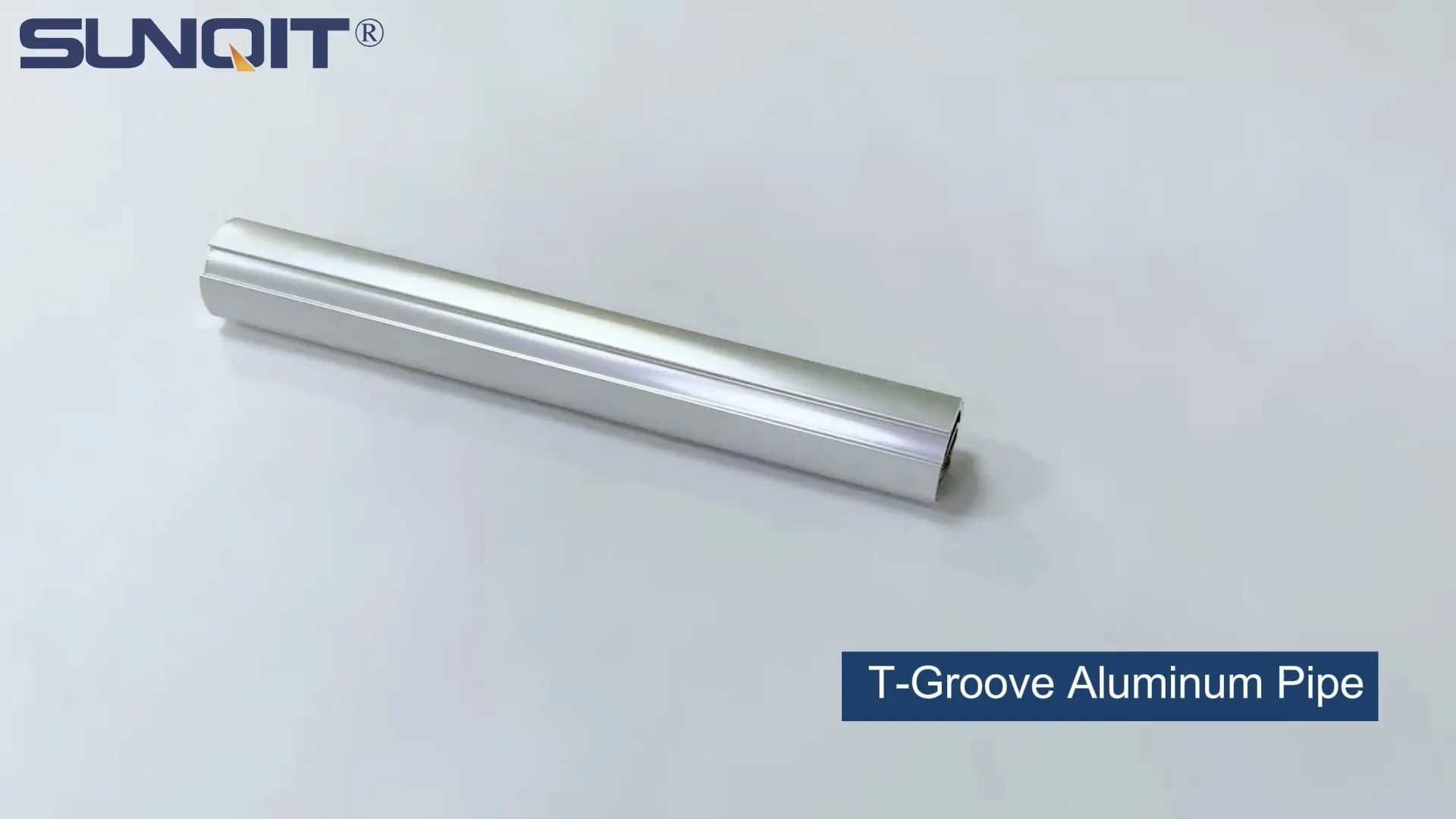
T-Groove Aluminum Pipe
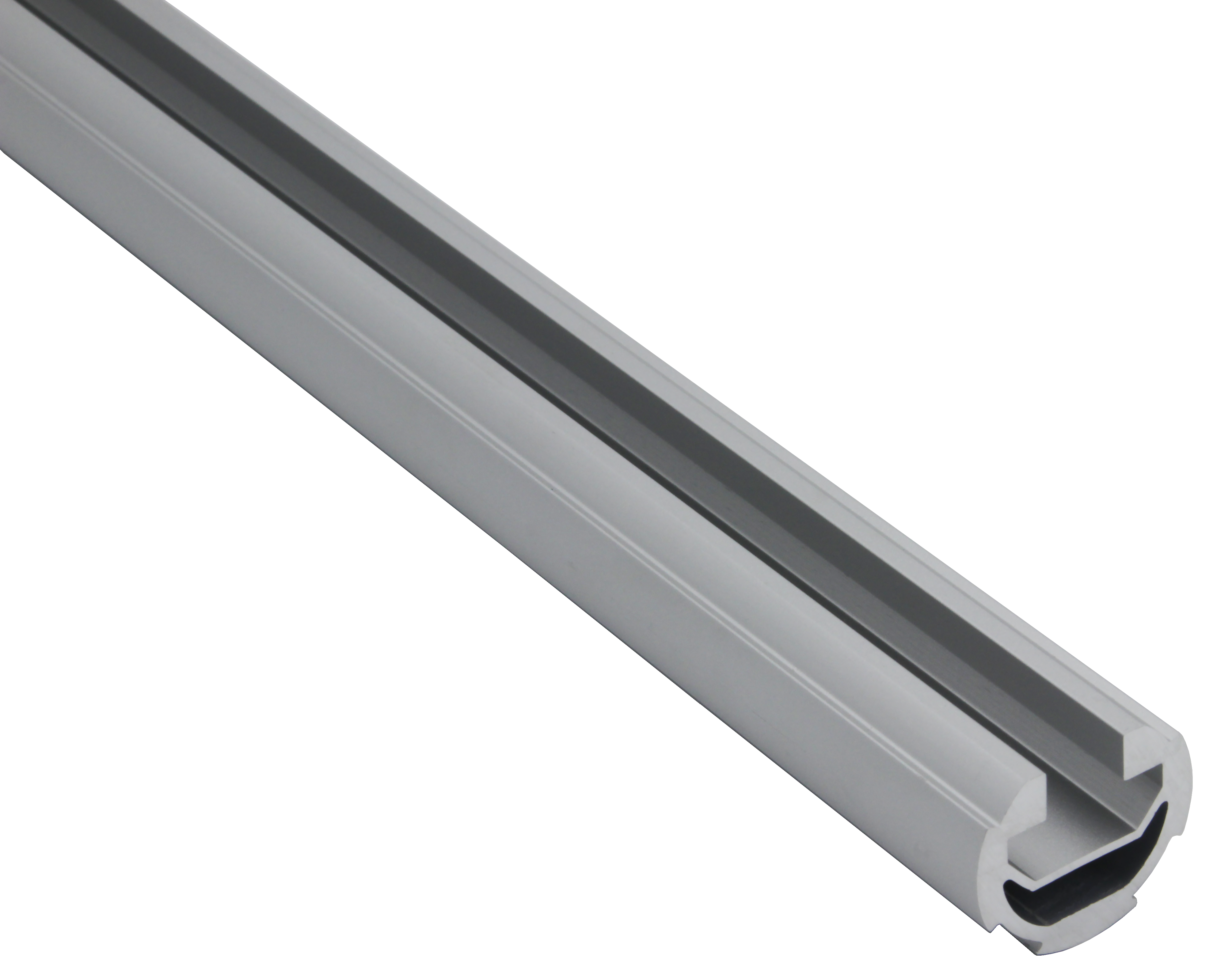
The aluminum pipe opening 10mm is installed into the T-shaped slider, which can be installed with casters or other matching functional parts. The groove can be used for positioning and is used for the track of the roller.
In the world of manufacturing, logistics, and industrial design, few materials have revolutionized workflow efficiency quite like the t-slot aluminum pipe. These unassuming yet versatile components form the backbone of everything from custom workbenches and material racks to conveyor systems and assembly lines. Their modular nature—think of them as industrial building blocks—allows teams to adapt, reconfigure, and scale operations with minimal hassle. But here's the thing: not all t-slot aluminum pipes (and their suppliers) are created equal. The difference between a reliable, high-quality supplier and a subpar one can mean the difference between a smooth, productive workflow and a frustrating cycle of repairs, delays, and wasted resources.
If you've ever stood in a workshop staring at a wobbly workbench or struggled to fit a bracket into a misaligned slot, you know exactly what I'm talking about. The right t-slot aluminum pipe doesn't just hold things together—it holds your operations together. That's why choosing the right supplier isn't just a procurement decision; it's a strategic one. In this guide, we'll walk through the critical checkpoints that separate the best suppliers from the rest, focusing on quality, reliability, and the little details that make a big difference in the long run. Whether you're a small business setting up your first production line or a large manufacturer upgrading your facilities, these insights will help you find a supplier that doesn't just sell parts—they become a partner in your success.
Why T-Slot Aluminum Pipes Matter: More Than Just Metal Tubes
Before diving into supplier selection, let's take a moment to appreciate why t-slot aluminum pipes have become indispensable. Unlike rigid steel structures or one-size-fits-all plastic solutions, t-slot pipes (often called "t-groove" or "t-track" pipes) are designed for flexibility. Their signature T-shaped slots run along the length of the pipe, allowing accessories like brackets, hinges, caster wheels, and panels to slide in and lock securely with minimal tools. This means a workbench today can become a material cart tomorrow, and a static storage rack can evolve into a dynamic conveyor system next month.
But their value goes beyond adaptability. Aluminum, by nature, is lightweight yet strong—ideal for applications where mobility and durability are equally important. It's also resistant to corrosion, which is a game-changer in environments like warehouses, kitchens, or outdoor facilities. And let's not forget aesthetics: a well-designed setup using sleek aluminum extrusion profiles can transform a cluttered workshop into a streamlined, professional space that boosts team morale and impresses clients.
The problem? This versatility only works if the pipes and their accompanying aluminum profile accessories are precision-engineered. A slot that's too narrow, a pipe that's slightly bent, or a bracket that doesn't quite fit can turn your modular dream into a logistical nightmare. That's where the supplier comes in. A reputable supplier doesn't just deliver metal tubes—they deliver consistency, quality, and peace of mind.
Checkpoint 1: Material Quality – The Foundation of Durability
Let's start with the basics: the aluminum itself. Not all aluminum is created equal, and the grade of aluminum used in your t-slot pipes directly impacts their strength, weight, and longevity. The most common grades for industrial t-slot pipes are 6061-T6 and 6063-T5, each with its own strengths.
6061-T6 is often referred to as the "workhorse" of aluminum alloys. Heat-treated for maximum strength, it offers excellent mechanical properties—tensile strength, corrosion resistance, and weldability—making it ideal for structural applications like heavy-duty workbenches, material racks, or load-bearing frames. If your operations involve lifting, moving, or supporting heavy equipment, 6061-T6 should be non-negotiable.
6063-T5, on the other hand, is prized for its extrudability and smooth finish. It's slightly lighter and more malleable than 6061-T6, which makes it perfect for applications where aesthetics or intricate designs matter—think of clean, sleek workstations or display racks. It's also more cost-effective, which can be a plus for projects with tighter budgets, provided the load requirements aren't extreme.
So, how do you verify a supplier's material quality? Start by asking for documentation. A trustworthy supplier will happily provide material certificates (like mill test reports) that confirm the alloy grade, temper, and chemical composition of their pipes. Don't be shy about requesting these—any supplier worth their salt will have them on hand. You can also ask about their sourcing: do they work with reputable aluminum mills, or do they cut corners with recycled or low-grade material? Recycled aluminum isn't inherently bad, but it can have inconsistencies in purity that affect strength and finish.
Another telltale sign is the surface finish. High-quality t-slot pipes should have a uniform, smooth texture, free from dents, scratches, or discoloration. Anodized finishes (a process that adds a protective oxide layer) should be even, with no blotches or peeling. Run your hand along a sample pipe—if it feels rough or uneven, that's a red flag. Remember, the surface isn't just about looks; it's about corrosion resistance and how well accessories (like sliding brackets) will glide into the slots.
Checkpoint 2: Manufacturing Precision – The Art of the Slot
Even the best aluminum alloy is useless if the manufacturing process is sloppy. The magic of t-slot pipes lies in their precision—specifically, the dimensions of the T-slot and the straightness of the pipe. Let's break this down.
First, the slot itself. The width, depth, and angle of the T-slot must be consistent along the entire length of the pipe. Why? Because aluminum profile accessories—like brackets, connectors, or end caps—are designed to fit these dimensions exactly. A slot that's 0.2mm too narrow might seem trivial, but it can make it impossible to slide a bracket into place without force, damaging both the pipe and the accessory. Conversely, a slot that's too wide will result in loose, wobbly connections that compromise stability.
Reputable suppliers use precision extrusion dies and strict quality control measures to ensure slot tolerances of ±0.1mm or better. Ask your supplier what their tolerance standards are—if they can't give you a clear number, that's a warning sign. You can also test this yourself: request a sample pipe and a few common accessories (like a 40-series bracket or a caster mount) and see how they fit. They should slide in smoothly and lock securely with a firm, satisfying click, not a struggle.
Next, straightness. A bent or warped pipe might not seem like a big deal until you try to build a level workbench or a straight conveyor track. Even a small bow in the pipe can throw off alignment, leading to uneven weight distribution and premature wear. High-quality suppliers use automated straightening machines after extrusion to ensure pipes are straight within 0.5mm per meter—a standard that might sound, but it's essential for modular systems.
Finally, wall thickness. T-slot pipes come in various wall thicknesses, typically ranging from 1.2mm to 3mm. Thicker walls mean more strength, but they also add weight and cost. The key is to match the wall thickness to your needs: a 1.2mm pipe might be fine for a light-duty shelving unit, but a heavy workbench supporting power tools will need 2mm or more. A good supplier will guide you here, asking about your load requirements and recommending the right thickness—they won't just push the thickest (and priciest) option by default.

Checkpoint 3: Accessory Range – The Complete Package
Here's a truth about t-slot aluminum systems: the pipes are only as useful as the accessories that go with them. A supplier might offer top-notch pipes, but if they can't provide the brackets, hinges, caster wheels, or end caps you need, you'll end up cobbling together parts from multiple vendors—and that's where compatibility issues start.
Imagine ordering t-slot pipes from Supplier A, brackets from Supplier B, and caster wheels from Supplier C. When you try to assemble your workbench, you discover the bracket holes don't align with the pipe slots, or the caster mount is the wrong size. Suddenly, you're stuck, wasting time and money on returns and replacements. That's why a comprehensive accessory range is non-negotiable.
The best suppliers offer a one-stop shop for all things t-slot. This includes basics like:
-
Connectors & Brackets:
90-degree joints, straight couplers, corner brackets, and adjustable hinges for building frames and structures.
-
Casters & Wheels:
Swivel casters, locking casters, and heavy-duty wheels for mobile carts and workbenches.
-
Panels & Covers:
Aluminum or plywood panels for workbench tops, side panels for enclosures, and slot covers to keep out dust.
-
End Caps & Plugs:
To seal pipe ends, prevent debris buildup, and add a finished look.
-
Specialty Accessories:
Tool hooks, cable management clips, label holders, and even lighting mounts for customized setups.
But it's not just about quantity—it's about quality and compatibility. A good supplier's accessories are designed to work seamlessly with their pipes, using the same tolerances and materials. For example, their caster mounts should slide into their pipe slots without modification, and their brackets should be made from the same aluminum grade to ensure matching strength and corrosion resistance.
Don't be afraid to ask for a catalog or browse their website's accessory section. If it looks sparse or disorganized, that's a red flag. A supplier that invests in a wide, high-quality accessory line is a supplier that understands their customers' needs beyond just the pipes themselves.

Checkpoint 4: Customization Capabilities – Built for Your Needs
No two operations are identical. Maybe you need a workbench with a specific height to accommodate your team's ergonomics, or a conveyor track with a custom bend to navigate around a machine. Off-the-shelf pipes and accessories might not cut it—and that's where customization comes in.
A great supplier doesn't just sell standard products; they can tailor solutions to your unique requirements. This might include cutting pipes to exact lengths, drilling custom holes for wiring or fixtures, or even creating custom extrusion profiles for specialized applications. For example, if you need a pipe with extra slots for mounting tools, a supplier with in-house design and extrusion capabilities can create a die to meet that need (though this is more common for large orders).
But customization isn't just about the product—it's about the process. A responsive supplier will take the time to understand your project: What's the load capacity? Will it be indoors or outdoors? How often will it need to be reconfigured? They'll then recommend customizations that solve your specific problem, not just upsell you on unnecessary features. For instance, if you're building a mobile workbench for a tight space, they might suggest shorter, custom-cut pipes and compact casters instead of standard-length pipes that won't fit.
Timeliness is another factor here. Custom orders take longer, but a reliable supplier will give you a clear timeline upfront and stick to it. They'll also communicate proactively if there are delays, rather than leaving you in the dark. Ask about their lead times for custom cuts or drilled pipes—ideally, they should be able to turn around small custom orders within a week or two.
Checkpoint 5: Reliability & Support – Beyond the Sale
Let's talk about the "soft" stuff—the things that don't show up on a spec sheet but make all the difference in a supplier relationship: reliability and customer support. A supplier can have the best products in the world, but if they're impossible to reach, miss deadlines, or ghost you when something goes wrong, they're not worth your time.
Start with communication. How easy is it to get in touch? Do they respond to emails or calls promptly? Are their sales reps knowledgeable about the products, or do they fumble through answers? A supplier that values your business will make themselves available and take the time to answer your questions—even the "dumb" ones. (Pro tip: Test this by sending them a detailed inquiry about a specific product, like "What's the weight capacity of your 40mm aluminum roller track with side guides?" A good rep will get back to you with a clear, specific answer, not a generic "it depends.")
Next, lead times and inventory management. Nothing kills a project faster than waiting for parts that never arrive. Ask about their stock levels for common pipes and accessories. Do they keep a large inventory, or do they rely on just-in-time manufacturing that can lead to delays? A supplier with a well-stocked warehouse can often ship standard items within 24–48 hours, which is critical for urgent repairs or last-minute reconfigurations.
Then there's post-sales support. What happens if a pipe arrives damaged, or an accessory is defective? A reputable supplier will replace it quickly, no questions asked. They might even offer a warranty—typically 1–5 years for pipes and accessories—backing their products with confidence. Avoid suppliers that make you jump through hoops for returns or blame you for shipping damage.
Finally, look for signs of long-term commitment. Do they invest in new products or improve existing ones based on customer feedback? Do they offer resources like installation guides, design templates, or video tutorials to help you get the most out of their products? These are all signs that they're in it for the long haul, not just a quick sale.
Checkpoint 6: Pricing & Value – It's About More Than Cost
Let's address the elephant in the room: price. It's tempting to go with the cheapest supplier, especially when budgets are tight. But here's the hard truth: you get what you pay for. A pipe that costs 20% less might seem like a steal, but if it bends under load, rusts after a year, or doesn't fit your accessories, you'll end up spending more in repairs and replacements than you saved upfront.
Instead of focusing solely on the per-meter price, think about
total cost of ownership
. This includes:
-
Initial Cost:
The price of the pipes and accessories.
-
Installation Cost:
Time and labor to assemble (e.g., struggling with ill-fitting parts takes longer).
-
Maintenance Cost:
Repairs, replacements, and upkeep over time.
-
Downtime Cost:
Lost productivity when equipment fails or needs rework.
A slightly more expensive pipe from a quality supplier might have a higher initial cost, but it will save you money in the long run. For example, a high-quality anodized pipe might last 10 years, while a cheap, uncoated one might need replacement in 3 years. The math here is simple: $50/meter for 10 years vs. $30/meter for 3 years? The "expensive" option is actually cheaper over time.
That said, "premium" doesn't always mean "best." Some suppliers charge a premium for brand name or unnecessary features. The key is to find value —a balance of quality, service, and price. Ask for quotes from 2–3 suppliers, comparing apples to apples (same alloy grade, wall thickness, finish, and accessory package). Then, factor in the intangibles: reliability, support, and customization options. You might be surprised to find that the mid-range supplier offers the best overall value.
Comparing Suppliers: A Practical Example
To put these checkpoints into action, let's walk through a hypothetical comparison of three suppliers. This table highlights how different suppliers stack up against the criteria we've discussed:
| Criteria | Supplier A (Budget) | Supplier B (Mid-Range) | Supplier C (Premium) |
|---|---|---|---|
| Material Grade | 6063-T5 (recycled, no certification) | 6063-T5 (primary aluminum, mill test report provided) | 6061-T6 (primary aluminum, ISO 9001 certified) |
| Slot Tolerance | ±0.3mm (inconsistent) | ±0.1mm (consistent) | ±0.05mm (precision-engineered) |
| Accessory Range | Basic brackets only; no casters or panels | Full range: brackets, casters, panels, end caps | Extensive range + custom accessories available |
| Customization | No custom cuts or drilling | Custom cuts (5-day lead time) | Custom cuts, drilling, and extrusion profiles (3-day lead time for cuts) |
| Lead Time | 2–3 weeks (no stock) | 3–5 days (most items in stock) | 1–2 days (large inventory + expedited shipping) |
| Warranty | No warranty | 2-year warranty on pipes and accessories | 5-year warranty on pipes, lifetime on accessories |
| Price (per meter, 20mm pipe) | $15 | $25 | $40 |
| Key Strengths | Lowest upfront cost | Balanced quality, service, and price | Top-tier quality, fast support, customization |
| Best For | One-time, light-duty projects with no future reconfiguration | Small to medium businesses needing reliable, adaptable systems | Large manufacturers, critical applications, or projects requiring precision |
As you can see, Supplier A is the cheapest, but they cut corners on material quality, tolerances, and support—making them risky for anything beyond a temporary setup. Supplier C offers the best quality and service but at a premium price, which might be overkill for small businesses. Supplier B, however, strikes a balance: they use certified materials, offer a full accessory range, and provide solid support at a reasonable price. For most businesses, this mid-range option is the sweet spot.
Real-World Success: How the Right Supplier Makes a Difference
Let's wrap up with two short case studies that illustrate the impact of choosing the right supplier. These are based on real scenarios (with names changed for privacy) and highlight the tangible benefits of prioritizing quality and reliability.
Case Study 1: A Manufacturing Plant Boosts Efficiency with Custom Workbenches
Acme Manufacturing, a mid-sized automotive parts producer, was struggling with disorganized assembly lines. Their old workbenches were rigid, heavy, and couldn't be adjusted to fit new tools or workflows. After researching t-slot systems, they initially chose a budget supplier (similar to Supplier A in our table) to save costs. The result? Pipes that bent under the weight of their equipment, brackets that didn't fit, and a workbench that wobbled so badly it affected product quality.
Frustrated, they switched to a mid-range supplier (like Supplier B) that offered 6063-T5 pipes, a full accessory range, and custom cutting. Within a month, they'd replaced all their workbenches with modular setups featuring adjustable heights, integrated tool holders, and locking casters for mobility. The new workbenches reduced assembly time by 15% and cut down on errors, thanks to better organization. "We spent more upfront, but the ROI was immediate," said their operations manager. "The old workbenches were costing us in rework and downtime; the new ones paid for themselves in six months."
Case Study 2: A Logistics Company Eliminates Downtime with Reliable Conveyors
Speedy Logistics, a regional warehouse, relied on t-slot aluminum conveyors to move packages between sorting stations. Their previous supplier (a budget option) provided pipes with inconsistent slot widths, leading to frequent jams as packages got stuck on misaligned rollers. Repairs took hours, and the team was constantly replacing worn-out brackets.
They switched to a premium supplier (like Supplier C) specializing in conveyor systems. The new t-slot pipes had tight tolerances (±0.05mm), and the supplier provided custom roller tracks designed to fit their specific package sizes. The result? Downtime dropped by 90%, and the conveyors required minimal maintenance. "We no longer have a team member dedicated to fixing conveyors," said their warehouse manager. "The initial cost was higher, but the peace of mind and productivity gains were worth every penny."
Common Pitfalls to Avoid
As you evaluate suppliers, watch out for these red flags:
- Too Good to Be True Pricing: If a quote is 30% lower than competitors, ask why. Chances are, they're cutting corners on material or quality.
- Vague Answers: If a supplier can't tell you the alloy grade, slot tolerance, or lead time, walk away. Transparency is key.
- No Samples Available: Always request a sample pipe and accessory before placing a large order. If they refuse, they're hiding something.
- Poor Communication: If emails go unanswered or calls aren't returned, imagine how they'll treat you after the sale.
- Limited Accessories: A supplier that doesn't offer the accessories you need is a supplier that will cost you time and frustration down the line.
Conclusion: Your Supplier, Your Partner
Choosing a supplier for t-slot aluminum pipes isn't just about buying metal tubes—it's about investing in your operations, your team, and your future. The checkpoints we've covered—material quality, manufacturing precision, accessory range, customization, reliability, and value—are the foundation of that decision. By prioritizing these factors, you'll find a supplier that doesn't just meet your needs but anticipates them, growing with you as your business evolves.
Remember, the best supplier isn't just a vendor—they're a partner. They'll celebrate your successes, help you solve problems, and stand by their products when things go wrong. So take your time, ask tough questions, and don't settle for anything less than the best. Your workflow, your team, and your bottom line will thank you.