- Company Articles
- Products and Technology
- Product knowledge
- Surface Compatibility: Flat Rigid Castor Wheels on Concrete vs Epoxy Floors

Surface Compatibility: Flat Rigid Castor Wheels on Concrete vs Epoxy Floors
Related Product
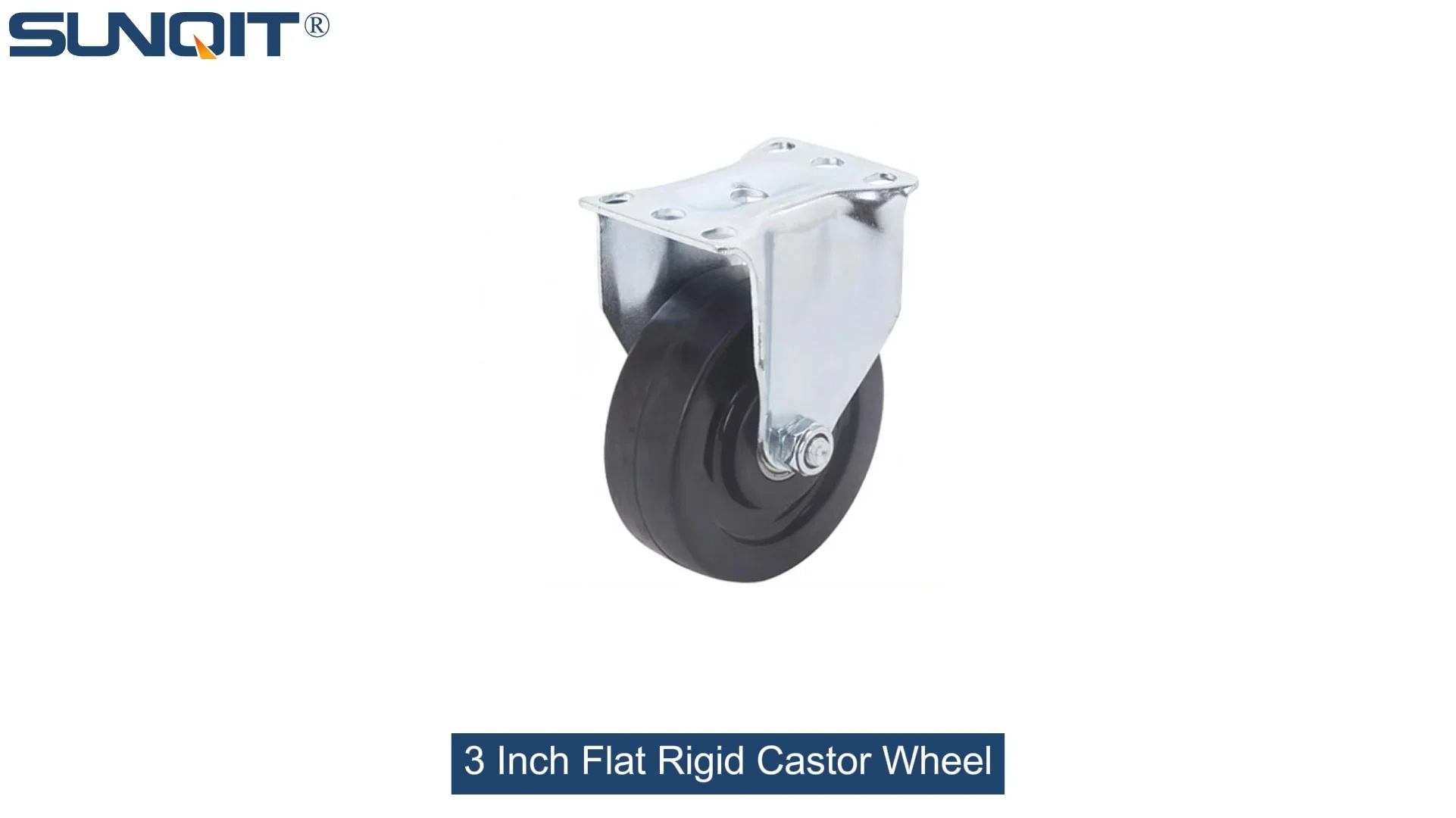
Flat Rigid Castor Wheel
Chair Casters Ball Bearing Wheels Rubber Base. Resistant to abrasion, impact and corrosion. Heavy payload can hold 70Kgs per pcs,which can make it works at a stable and smooth status.
Introduction: The Unsung Heroes of Workplace Mobility
Step into any bustling factory, warehouse, or workshop, and you'll quickly realize that the smooth flow of operations often hinges on small, unassuming components. Among these, castor wheels might not grab headlines, but they're the silent workhorses that keep everything moving—literally. From heavy workbenches gliding across the floor to turnover trolleys ferrying materials between stations, the right castor wheel can make or break efficiency, safety, and even the lifespan of your equipment. Today, we're zeroing in on a specific type: the flat rigid castor wheel. More importantly, we're diving into how these wheels perform on two of the most common industrial surfaces: concrete and epoxy floors. By the end, you'll understand why surface compatibility isn't just a technical detail—it's a cornerstone of seamless daily operations.
What Are Flat Rigid Castor Wheels, Anyway?
Before we compare floors, let's get clear on what makes a flat rigid castor wheel unique. Unlike swivel castors, which pivot 360 degrees for easy maneuvering, rigid castors are fixed in place—they only roll forward and backward. This stability makes them ideal for equipment that needs to stay aligned, like long workbenches or heavy-duty material racks. The "flat" part refers to the tread design: a wide, flat surface that touches the floor, as opposed to curved or grooved wheels. This flat contact area distributes weight evenly, which is a big plus for carrying heavy loads without damaging floors.
Flat rigid castor wheels come in a range of materials, each suited to different tasks. You'll find them made from rubber, polyurethane, nylon, and even steel. Rubber and polyurethane are popular for their shock absorption and quiet operation, while nylon and steel excel in high-load, high-temperature environments. No matter the material, though, their performance hinges on one critical factor: the floor they're rolling on. That's where concrete and epoxy come into play.

Concrete Floors: The Classic Workhorse Surface
Concrete has been the backbone of industrial and commercial spaces for decades—and for good reason. It's tough, durable, and relatively inexpensive to install. But not all concrete floors are created equal. Let's break down what makes concrete unique and how it interacts with flat rigid castor wheels.
Composition and Texture
Concrete is a mix of cement, water, aggregates (like sand and gravel), and sometimes additives. When poured, it hardens into a dense, solid surface. The texture can vary widely, though. A "green" concrete floor—one that's poured and left to cure without additional finishing—tends to be rough, with visible aggregate and slight unevenness. On the flip side, polished concrete undergoes grinding and sealing, resulting in a smoother, almost mirror-like finish. This texture difference is key for castor performance.
Porosity and Durability
Unsealed concrete is porous, meaning it absorbs liquids and can trap dust and debris. Over time, this can lead to cracks, especially in high-traffic areas. Sealed or polished concrete is less porous, offering better resistance to stains and wear. Either way, concrete is incredibly durable—it can handle heavy loads, impacts, and temperature fluctuations without cracking (when properly installed). This durability makes it a staple in warehouses, garages, and manufacturing plants.
How Flat Rigid Castors Behave on Concrete
Rough, unsealed concrete can be a mixed bag for flat rigid castors. The uneven surface means more friction between the wheel and the floor, which can make pushing heavy equipment (like a loaded workbench) feel like a workout. Over time, the rough texture can also wear down softer wheel materials, like rubber. On the plus side, the friction provides excellent traction—you won't have to worry about your trolley sliding unexpectedly when stopping or starting.
Polished concrete is a different story. The smoother surface reduces friction, making it easier to move equipment. But here's the catch: polished concrete can be slippery when wet, especially if the wheel material is hard (like nylon). This is where caster accessories, such as brake mechanisms or tread patterns designed for wet conditions, become crucial. Adding a brake to your flat rigid castor can prevent unwanted movement, while a textured tread can boost traction on smooth, wet surfaces.

Epoxy Floors: The Sleek, Modern Alternative
In recent years, epoxy floors have surged in popularity, especially in settings where cleanliness, aesthetics, and chemical resistance matter—think labs, food processing plants, and high-end workshops. Epoxy is a resin-based coating applied over concrete (or other substrates) that cures into a hard, glossy surface. Let's explore how it stacks up against concrete for flat rigid castor use.
How Epoxy Floors Are Made
Epoxy floors start with a concrete base, which must be clean and free of cracks (any flaws in the concrete will show through the epoxy). The installer then mixes epoxy resin with a hardener and applies it to the floor. Some systems are self-leveling, creating a perfectly smooth surface, while others include additives for texture (like quartz sand) to improve traction. Once cured, epoxy forms a seamless, non-porous layer that's resistant to chemicals, stains, and water.
Key Properties: Smoothness and Sensitivity
The biggest draw of epoxy is its smoothness. A well-installed self-leveling epoxy floor feels almost glass-like underfoot, which sounds great for easy movement—until you factor in wheel material. Hard wheels, like steel or uncoated nylon, can scratch or scuff epoxy, especially if there's debris (like a small stone) trapped between the wheel and the floor. Soft wheels, like polyurethane or rubber, are gentler but can leave marks if they're not properly maintained (more on that later).
Epoxy is also more sensitive to impact than concrete. Dropping a heavy object or slamming a castor into a joint can chip the surface, creating weak points that may peel over time. This sensitivity means that while epoxy is durable in terms of chemical and wear resistance, it's not as forgiving of rough handling as concrete.
Flat Rigid Castors on Epoxy: Pros and Cons
On the plus side, epoxy's smoothness makes moving flat rigid castors a breeze—no more fighting against rough concrete textures. This is a huge win for efficiency, especially in settings where equipment is moved frequently, like assembly lines or retail backrooms. Epoxy's non-porous surface also means less dust and debris get trapped, which keeps wheels cleaner and reduces wear.
The downside? Traction. Smooth epoxy can be slippery, even when dry, if the wheel tread is too hard or smooth. This is where choosing the right wheel material is critical. Polyurethane wheels, for example, offer a good balance of grip and floor protection. They're soft enough to avoid scratching epoxy but firm enough to maintain traction. Nylon wheels, while durable, may need a textured tread to prevent sliding, especially with heavy loads.

The Critical Factors: What Determines Compatibility?
Now that we understand the basics of concrete and epoxy floors, let's dive into the key factors that determine how well flat rigid castor wheels perform on each. These aren't just technical details—they're the difference between a smooth, efficient workflow and constant headaches like stuck trolleys, damaged floors, or safety risks.
1. Friction and Traction
Friction is the force that resists movement between two surfaces. On rough concrete, friction is high, which means more effort is needed to push a trolley, but it also means better traction (less slipping). On smooth epoxy, friction is lower, making movement easier, but traction can suffer. The goal is to find a wheel material that balances these two: enough friction to prevent slipping, but not so much that it slows you down.
For example, a rubber flat rigid castor wheel will have high friction on both concrete and epoxy, making it great for stopping power but harder to push. A polyurethane wheel, with its medium-hardness, often strikes the right balance—smooth rolling on epoxy and enough grip on concrete.
2. Wear and Tear (Wheel and Floor)
Every time a castor wheel rolls, both the wheel and the floor wear down a little. On concrete, the rough surface acts like sandpaper on soft wheels. A rubber wheel might start to show signs of wear after a few months of daily use on rough concrete, while a nylon wheel could last years. On epoxy, the tables turn: hard wheels can scratch the floor, while soft wheels (like polyurethane) are more likely to pick up debris (like dirt or oil) and leave marks.
This is where regular maintenance comes in. Cleaning wheels and floors regularly reduces abrasive debris, extending both the wheel's lifespan and the floor's appearance. For epoxy floors, using floor protectors or choosing wheels with a smooth, non-marking tread can prevent scratches.
3. Load Capacity and Distribution
Flat rigid castor wheels are designed to carry heavy loads, but the floor's ability to support that load matters too. Concrete is a pro here—it can handle just about any load you throw at it, from a small workbench to a full turnover trolley stacked with materials. Epoxy, while strong, is a thin coating over concrete. If the underlying concrete is weak or cracked, heavy loads can cause the epoxy to delaminate (peel away).
The flat tread of rigid castors helps here by distributing weight evenly, but it's still important to check the floor's load rating. Most industrial epoxy floors can handle 50-100 pounds per square inch, which is more than enough for standard equipment, but it's always better to confirm.
4. Environmental Conditions
Is the area wet? Exposed to chemicals? Hot or cold? These factors change everything. Concrete, being porous, can get slippery when wet, but it's resistant to most chemicals. Epoxy is non-porous, so it dries quickly, but strong chemicals (like solvents) can eat away at the coating over time. For wheels, moisture can cause rubber to degrade, while extreme heat can melt polyurethane. If you're working in a wet environment, look for wheels with water-resistant materials and treads designed for wet traction. For chemical exposure, nylon or steel wheels are often the safest bet.
Side-by-Side: Concrete vs Epoxy for Flat Rigid Castors
To make this clearer, let's put concrete and epoxy head-to-head in a table, focusing on how they interact with flat rigid castor wheels. This will help you decide which surface (or wheel material) is right for your space.
| Factor | Concrete Floors | Epoxy Floors |
|---|---|---|
| Texture | Rough (unsealed) to smooth (polished); uneven in older floors | Smooth (self-leveling) to slightly textured; seamless |
| Traction with Flat Rigid Castors | High (rough surface = more friction); good for heavy loads | Medium to low (smooth surface); risk of slipping with hard wheels |
| Wheel Wear | High for soft wheels (rubber); low for hard wheels (nylon, steel) | Low for soft wheels (polyurethane); high for hard wheels (risk of scratching floor) |
| Floor Protection | Concrete is durable; minimal risk of damage from wheels | Epoxy is sensitive; hard wheels or debris can scratch or chip |
| Best Wheel Materials | Nylon, steel, or polyurethane (for balance of wear and traction) | Polyurethane (non-marking), rubber (with caution to avoid marks) |
| Maintenance Needs | Regular sweeping to remove debris (abrasive to wheels) | Frequent cleaning to prevent debris from scratching; avoid harsh chemicals |
Real-World Applications: When to Choose Which?
Theory is great, but let's look at how this plays out in real settings. Two common uses for flat rigid castor wheels are workbenches and turnover trolleys—both staples in warehouses, factories, and workshops. Let's see how concrete and epoxy floors impact these tools.
Workbenches: Stability Meets Mobility
A workbench with flat rigid castors is a versatile tool. It can be positioned for daily tasks and moved when deep cleaning or reconfiguring the workspace. On concrete, a workbench with nylon or steel wheels is a solid choice—they can handle the rough surface without wearing down quickly. If the concrete is polished, polyurethane wheels might be easier to push, though you'll want to check traction if the area gets wet.
On epoxy floors, the priority shifts to floor protection. A workbench loaded with tools can weigh several hundred pounds, so a hard steel wheel could easily scratch the epoxy. Instead, opt for polyurethane wheels with a smooth, non-marking tread. Adding caster accessories like wheel locks (brakes) is also a good idea—epoxy's smoothness means even a slight incline could cause the workbench to roll unexpectedly, which is a safety hazard.
Turnover Trolleys and Racks: Hauling Heavy Loads
Turnover trolleys and racks are workhorses for transporting materials—think boxes of inventory, raw parts, or finished products. On concrete, these trolleys need to handle rough terrain and heavy loads. Nylon wheels are a popular choice here because they're tough, wear-resistant, and can carry hundreds of pounds without flexing. If the concrete is uneven, rigid castors (as opposed to swivel) help keep the trolley stable, preventing tipping.
On epoxy, turnover trolleys benefit from the smooth surface—pushing a loaded trolley is noticeably easier than on concrete. But again, wheel material is key. Polyurethane wheels are ideal here: they're soft enough to protect the epoxy but firm enough to support heavy loads. It's also worth investing in caster accessories like dust covers to keep debris out of the wheel bearings—epoxy floors might be smooth, but dust and dirt still accumulate, and trapped debris can scratch both wheels and floors.
Maintenance Tips: Keeping Wheels and Floors Happy
No matter which floor you have, proper maintenance is the key to getting the most out of your flat rigid castor wheels. Here are some practical tips to extend their lifespan and keep your floors looking (and performing) their best.
For Concrete Floors
- Sweep regularly: Concrete traps dust and debris, which act like sandpaper on wheels. A quick daily sweep removes these abrasives.
- Seal or polish if possible: Polished concrete reduces wheel wear and makes cleaning easier. It's an upfront cost, but it pays off in longer wheel life.
- Inspect wheels monthly: Check for cracks, flat spots, or worn treads—especially on soft wheels like rubber. replace them before they become a safety risk.
For Epoxy Floors
- Use non-marking wheels: Look for polyurethane or rubber wheels labeled "non-marking" to avoid scuffs and streaks.
- Clean wheels weekly: Wipe wheels with a damp cloth to remove dirt, oil, or grease that could transfer to the floor.
- Fix cracks immediately: Even small chips in epoxy can grow, so repair them with a touch-up kit as soon as you notice them.
- Avoid dragging equipment: Always lift or roll equipment—dragging can tear up the epoxy, even with protective wheels.
Caster Accessories: The Little Extras That Matter
Don't overlook caster accessories—they can turn a good castor setup into a great one. Wheel brakes (locks) prevent movement on smooth floors like epoxy. Dust covers keep bearings clean, reducing friction and extending wheel life. Floor protectors, like rubber pads, add an extra layer of safety for epoxy floors. Even simple things like replacing worn bearings can make a huge difference in how smoothly your castors roll.
Conclusion: Finding Your Perfect Match
At the end of the day, there's no "one-size-fits-all" answer to whether flat rigid castor wheels work better on concrete or epoxy floors. It depends on your space, your equipment, and your priorities. Concrete is tough and forgiving, making it ideal for heavy loads and rough use, but it can wear down soft wheels. Epoxy is smooth and efficient, but it requires careful wheel selection to avoid damage.
The key takeaway? Match your wheel material to your floor. For concrete, go with hard, durable wheels like nylon or steel. For epoxy, opt for soft, non-marking wheels like polyurethane. And don't forget maintenance—regular cleaning and inspections will keep both your wheels and floors in top shape for years to come.
Whether you're outfitting a workbench, a turnover trolley, or an entire warehouse, taking the time to consider surface compatibility will save you time, money, and frustration. After all, in the world of industrial operations, it's the small details—like the right castor wheel on the right floor—that keep everything moving forward.