- Company Articles
- Products and Technology
- Product knowledge
- Surface Finish Options for 1.5mm Stainless Steel Pipe in Medical Equipment Racks

Surface Finish Options for 1.5mm Stainless Steel Pipe in Medical Equipment Racks
Related Product
1.5mm Stainless Steel Pipe
Stainless steel pipe, lean pipe, diameter is 28mm, material is SS201 or SS304, SS201 is normally used in the market. It knows a KARAKURI, KAIZEN material for industrial plant to improve efficiency, save labor cost, standard management.
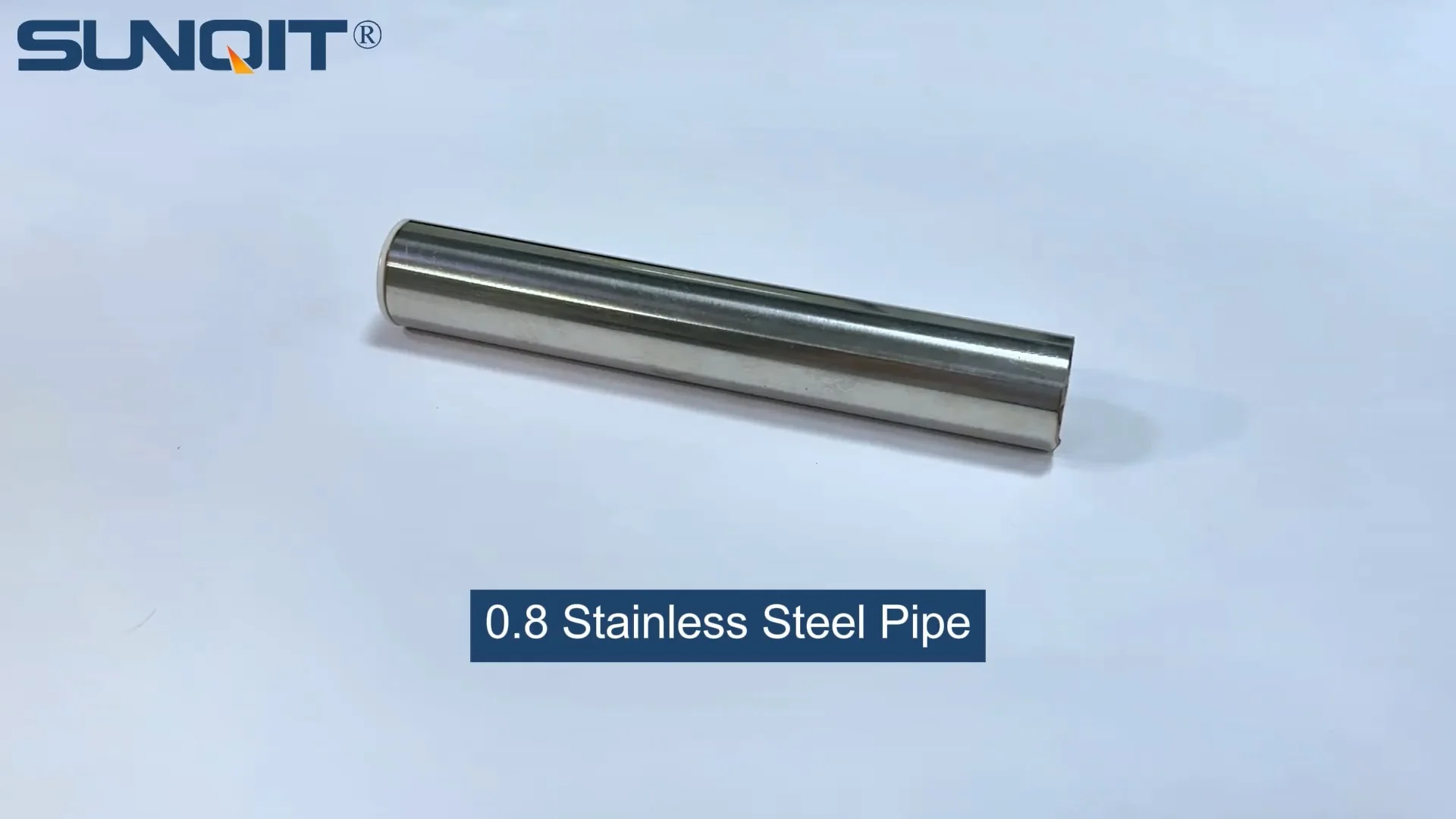
In the high-stakes environment of healthcare, every component of medical infrastructure contributes to the silent promise of safety, precision, and reliability. Among these, medical equipment racks play a foundational role—supporting surgical tools, medication supplies, diagnostic devices, and laboratory specimens with unwavering consistency. At the core of these essential structures lies a material celebrated for its resilience and purity: stainless steel. Specifically, 1.5mm stainless steel pipes, a cornerstone of the stainless steel pipe series , have become the material of choice for their exceptional strength-to-weight ratio, allowing the creation of lightweight yet robust racks that navigate the tight spaces of hospitals and clinics with ease. Yet, the true measure of their performance in medical settings is determined by a detail often overshadowed: their surface finish.
Surface finish is the unsung architect of a rack's functionality. It influences corrosion resistance, biocompatibility, ease of sterilization, and even how well the rack integrates with adjacent components like workbench surfaces or multi-tiered storage solutions such as material rack b (3 row and 3 floor) . In environments where a single bacterial colony can compromise patient health and harsh disinfectants are part of daily life, selecting the right surface finish isn't just a design choice—it's a commitment to upholding the highest standards of care. This article explores the critical surface finish options for 1.5mm stainless steel pipes in medical equipment racks, dissecting their processes, benefits, and real-world applications to empower healthcare facilities and manufacturers to make choices that prioritize both performance and patient safety.
The Role of 1.5mm Stainless Steel Pipes in Medical Racks
To appreciate the importance of surface finish, one must first understand why 1.5mm stainless steel pipes have become indispensable in medical rack construction. Stainless steel, an alloy of iron, chromium, and trace elements like nickel, owes its legendary corrosion resistance to a thin, self-healing chromium oxide layer that forms naturally on its surface. This invisible shield prevents rust and degradation, even when exposed to moisture and chemicals—qualities non-negotiable in medical environments. The 1.5mm thickness strikes a perfect equilibrium: it's slender enough to keep racks lightweight (critical for mobility in busy wards) while offering the structural rigidity to support heavy loads, from stacks of glass labware to metal instrument trays.
As part of the broader stainless steel pipe series , these 1.5mm pipes are remarkably versatile. They can be cut to precise lengths, bent into custom shapes, and assembled with modular connectors, making them ideal for everything from simple wall-mounted racks to complex, multi-level systems like the material rack b (3 row and 3 floor) —a workhorse in laboratories and pharmacies for maximizing vertical storage. However, their adaptability is only as strong as their surface finish, which dictates how they stand up to the unique challenges of healthcare settings: constant cleaning, exposure to bodily fluids, and the need for absolute sterility.
Why Surface Finish Matters in Healthcare
Medical facilities are unforgiving testaments to material durability. Daily wipe-downs with aggressive disinfectants (chlorine, hydrogen peroxide, alcohol), frequent exposure to saline solutions, and temperature fluctuations from autoclaving to cold storage can degrade even the toughest metals. A poorly finished stainless steel surface may harbor bacteria in microscopic grooves, corrode under chemical attack, or wear thin over time—compromising the rack's structural integrity and the safety of the equipment it holds.
Biocompatibility is another non-negotiable factor. While stainless steel is generally recognized as safe, surface irregularities can create "microbial hotspots" where proteins or pathogens adhere, increasing cross-contamination risks. Additionally, racks in sterile environments often undergo rigorous sterilization (autoclaving, gamma radiation), and the surface finish must withstand these processes without flaking, discoloring, or losing its protective properties. In short, the right surface finish transforms a basic pipe into a medical-grade component—one that meets FDA and ISO standards while simplifying the demanding workflows of healthcare staff.

Exploring Surface Finish Options for Medical Racks
1. Passivation: Fortifying the Natural Shield
Passivation is the foundation of stainless steel surface treatment—a chemical process that enhances the material's natural corrosion resistance by eliminating free iron and other contaminants from the surface. Using a mild oxidizing acid (typically nitric or citric acid), passivation dissolves surface impurities that could disrupt the chromium oxide layer, allowing the alloy's chromium content to react with oxygen and form a thicker, more uniform protective film. Think of it as polishing a suit of armor to ensure every inch repels attack.
For 1.5mm medical racks, passivation offers compelling advantages. It significantly boosts corrosion resistance, making racks resilient to the harsh cleaners used in operating rooms and ICUs. It also improves cleanability by smoothing micro-irregularities, reducing places where bacteria can hide. Unlike more aggressive treatments, passivation doesn't alter the pipe's dimensions—a critical feature for 1.5mm pipes, where precise tolerances ensure a snug fit with connectors or seamless integration into tight spaces, such as under a workbench or between shelves in a material rack b (3 row and 3 floor) .
Passivation's cost-effectiveness and compatibility with other finishes make it a versatile choice. It can stand alone for racks in low-stress environments (e.g., storage rooms for linens) or serve as a pre-treatment for advanced finishes like electropolishing. In medical settings, passivated pipes are often found in material rack b (3 row and 3 floor) units storing bulk medications or lab reagents, where corrosion resistance and low maintenance take precedence over a high-gloss appearance.
2. Electropolishing: The Epitome of Cleanliness
If passivation is about defense, electropolishing is about refinement—taking the surface to a microscopic level of smoothness. Often called "reverse electroplating," this electrochemical process uses an electrolytic bath to dissolve the pipe's surface peaks, leaving behind a bright, ultra-smooth finish. The pipe acts as the anode; as current flows, ions are selectively removed from high points, leveling imperfections and creating a uniform, low-friction surface that feels almost glass-like to the touch.
The benefits for medical racks are transformative. Electropolishing reduces surface roughness by 50–70%, eliminating microburrs, pits, and grain boundaries where bacteria thrive. Studies show electropolished surfaces have up to 80% fewer microbial adhesion sites than untreated steel, making them ideal for sterile environments like ORs and microbiology labs. The ultra-smooth surface also simplifies cleaning: disinfectants glide across it, reaching every crevice without trapping residue, cutting cleaning time and lowering cross-contamination risks.
For 1.5mm pipes, electropolishing enhances corrosion resistance by thickening the chromium oxide layer, combining the best of passivation with a mirror-like finish. This makes it perfect for racks in critical areas—surgical instrument storage, ICU medication carts, or workbench -integrated racks where both hygiene and aesthetics matter. While more costly than passivation, its long-term benefits in infection control make it a worthwhile investment for high-stakes environments.
3. Mechanical Polishing: Balancing Form and Function
Mechanical polishing is the most recognizable finish—an abrasive process that uses progressively finer grits (sandpaper, belts, buffing wheels) to create a smooth, reflective surface. From matte satin (coarse grits) to mirror-bright (ultra-fine grits), it offers versatility in both appearance and texture, making it a favorite for balancing aesthetics with functionality.
In medical settings, mechanical polishing shines in patient-facing areas. A satin finish reduces glare in ORs, where bright lights reflecting off shiny surfaces can distract surgeons. It also hides fingerprints and minor scratches, ideal for high-traffic racks in nurse stations or pharmacy counters. A mirror polish, while more prone to smudges, adds a professional look to research labs or VIP patient rooms, where presentation complements performance.
For 1.5mm pipes, mechanical polishing requires precision to avoid weakening the thin walls. Experienced manufacturers adjust pressure and grit sequences to ensure the pipe retains its structural integrity while achieving the desired finish. When paired with passivation, it becomes a durable choice for workbench side racks or material rack b (3 row and 3 floor) units, where a consistent, clean appearance enhances both workflow and facility aesthetics.
4. Bead Blasting: Texture with a Purpose
Bead blasting takes a different approach—using high-velocity glass beads (or ceramic particles) to create a uniform, matte texture. The beads erode the surface evenly, leaving a soft, non-reflective finish that masks fingerprints and minor imperfections. It's the functional counterpart to polished finishes, prioritizing grip and durability over shine.
For medical racks, bead blasting excels in practical settings. The textured surface reduces slip risks, making it ideal for racks holding heavy instrument trays or glass containers. In rehabilitation clinics or pediatric wards, the matte finish minimizes glare, creating a calmer environment. It also resists smudging, a boon for racks in busy areas like emergency rooms, where constant handling would leave polished surfaces looking unkempt.
For 1.5mm pipes, bead blasting is gentle—preserving thickness and strength while adding texture. When combined with passivation, it becomes a cost-effective option for storage racks in maintenance rooms, linen closets, or material rack b (3 row and 3 floor) units storing non-sterile supplies, where functionality and longevity take precedence over a high-end look.

Comparing Finishes: A Practical Decision Guide
Choosing the right finish depends on your facility's unique needs—hygiene requirements, traffic levels, and aesthetic preferences. The table below compares key features to simplify the decision:
| Surface Finish | Process Overview | Corrosion Resistance | Biocompatibility | Ease of Cleaning | Best For |
|---|---|---|---|---|---|
| Passivation | Acid treatment to remove contaminants and enhance chromium oxide layer | High | Excellent (no residual contaminants) | Very Good (smooth, low-porosity surface) | General storage racks, material rack b (3 row and 3 floor) , non-sterile environments |
| Electropolishing | Electrochemical dissolution to create ultra-smooth, bright surface | Very High (thickened chromium layer) | Superior (80% fewer microbial adhesion sites) | Excellent (mirror-smooth, no crevices) | ORs, ICUs, surgical instrument racks, workbench integration |
| Mechanical Polishing (Satin) | Abrasive grinding with fine grits for low-glare, smooth finish | High (with post-polish passivation) | Very Good (reduced surface irregularities) | Good (smooth but with slight texture) | Patient rooms, nurse stations, research labs |
| Bead Blasting | High-velocity beads create uniform matte texture | Moderate to High (when passivated) | Good (no crevices, but texture may trap minor debris) | Moderate (requires thorough wiping) | Rehabilitation clinics, emergency rooms, heavy-load racks |
Integrating Finishes with Rack Components
A medical rack is a system, and its surface finish must harmonize with all components to ensure performance. Take workbench integration: a rack mounted under a workbench should share the same finish to streamline cleaning. An electropolished rack paired with an electropolished workbench top creates a seamless, bacteria-resistant surface that spans the entire workstation—critical in labs where spills are common.
Multi-tiered racks like material rack b (3 row and 3 floor) demand consistency. If vertical pipes are passivated but horizontal shelves are untreated, corrosion may start at the joints, weakening the entire structure. Manufacturers must ensure all components—pipes, shelves, connectors—receive compatible treatments to avoid galvanic corrosion or uneven wear.
Mobility is another consideration. Many racks use caster wheel assemblies for easy movement, and while the wheels are often rubber or plastic, their stainless steel brackets must match the pipe finish to prevent dissimilar metal corrosion. An electropolished pipe with an untreated caster bracket is a recipe for premature failure—proof that finish consistency is key to longevity.
Regulatory Compliance and Quality Assurance
In healthcare, surface finishes aren't optional—they're regulated. Organizations like the FDA (21 CFR Part 820) and ISO (ISO 13485) set strict standards for medical device materials, including surface treatments. For example, ISO 10993-5 mandates cytotoxicity testing to ensure finishes don't release harmful substances, while ASTM A967 outlines passivation protocols for stainless steel.
To meet these standards, manufacturers must implement rigorous quality control: testing surface roughness with profilometers, verifying corrosion resistance via salt spray tests, and conducting biocompatibility assessments. Facilities should partner with suppliers who hold ISO 13485 certification, ensuring racks meet global standards and support patient safety.
Maintaining Finishes: Preserving Performance
Even the best finish requires care to last. Healthcare staff should follow these guidelines: use non-abrasive cleaners (avoid steel wool or scouring pads), rinse thoroughly to remove chemical residues, and dry racks immediately to prevent water spots. For electropolished or polished finishes, periodic re-passivation can restore the chromium oxide layer, extending the finish's life.
Regular inspections are equally important. Check for corrosion, scratches, or damage—especially in hard-to-reach areas of material rack b (3 row and 3 floor) units. Early repairs (re-passivating a corroded spot, replacing a damaged pipe) prevent small issues from becoming major failures, ensuring racks remain reliable for years.
Conclusion: Finishing Strong for Patient Care
In the world of medical equipment racks, 1.5mm stainless steel pipes are the backbone—but their surface finish is the difference between a basic component and a medical-grade solution. From passivation's cost-effective protection to electropolishing's sterile smoothness, each finish serves a unique role in supporting healthcare workflows. Whether you're equipping an OR with electropolished racks, a clinic with bead-blasted storage, or a lab with material rack b (3 row and 3 floor) units, the right finish aligns with your facility's mission: to deliver safe, efficient, and compassionate care.
As healthcare evolves, so too will the demands on medical equipment. By prioritizing surface finish, facilities and manufacturers can ensure their racks don't just meet today's standards—but anticipate tomorrow's challenges, standing as silent sentinels of safety in the critical work of healing.