- Company Articles
- Products and Technology
- Product knowledge
- Surface Finishes of 3030 Aluminum Profile End Caps: Anodized vs Powder-Coated

Surface Finishes of 3030 Aluminum Profile End Caps: Anodized vs Powder-Coated
Related Product
3030 Aluminum Profile End Cap
The aluminum profile end cap adds a finishing touch to your project and closes off profile ends to limit dust and debris buildup, also it can avaid some scratch for material and labor during the assemble work.
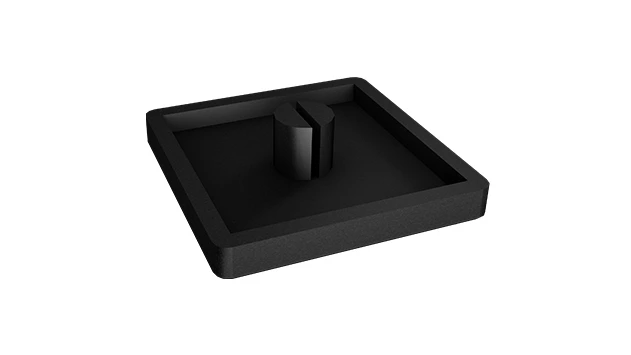
If you've ever worked with aluminum extrusion profiles—whether building a workbench, assembling a shelving unit, or designing industrial equipment—you know the little details matter. The sleek lines, the sturdy structure, the way everything fits together… but there's one small component that often gets overlooked until the final stages: the end caps. Specifically, 3030 aluminum profile end caps. These unassuming accessories do more than just cover sharp edges; they protect the profile's interior from dust and debris, enhance safety, and give your project that polished, professional look. But here's the thing: not all end caps are created equal, especially when it comes to their surface finishes. Today, we're zeroing in on two of the most popular options: anodized and powder-coated. By the end of this deep dive, you'll understand how each finish works, their pros and cons, and which one makes sense for your next project.
First Things First: What Are 3030 Aluminum Profile End Caps?
Before we jump into finishes, let's make sure we're all on the same page about what 3030 aluminum profile end caps actually are. If you're new to aluminum extrusion profiles, the "3030" refers to the profile's dimensions—30mm in width and 30mm in height. These profiles are like the building blocks of modern manufacturing and DIY projects, used in everything from factory workstations to retail displays. But when you cut an aluminum extrusion profile to length, the raw end is rough, sharp, and prone to collecting dirt. That's where end caps step in: they snap or screw onto the ends, creating a smooth, clean edge.
Think of them as the "final touch" for aluminum profile accessories. Just as a painter wouldn't leave a canvas unframed, you wouldn't want to leave your 3030 profiles unfinished. End caps are part of a broader family of aluminum profile fixings, working alongside brackets, connectors, and hinges to turn raw profiles into functional, attractive structures. And while their primary job is protection and aesthetics, their surface finish plays a huge role in how well they perform over time—especially in harsh environments.
Anodized Finish: The "Natural Armor" of Aluminum
Let's start with anodized finishes. If you've ever admired the matte, metallic sheen of high-end kitchen appliances or the durable look of outdoor furniture, chances are you're looking at anodized aluminum. So, what exactly is anodizing, and how does it work for 3030 aluminum profile end caps?
The Anodizing Process: Turning Aluminum into Its Own Protector
Anodizing is like giving aluminum a superpower—instead of adding a layer on top, it transforms the metal's surface into a hard, protective oxide layer. Here's how it works in simple terms: the end cap is submerged in an electrolytic bath (usually sulfuric acid), and an electric current is passed through the solution. This causes the aluminum to react with oxygen, forming a thick layer of aluminum oxide on the surface. The result? A finish that's not just painted on, but part of the metal itself .
The thickness of this oxide layer can vary, but for most 3030 aluminum profile end caps, it's between 5 and 20 microns (for reference, a human hair is about 50-100 microns thick). This might sound thin, but don't let that fool you—this layer is incredibly dense and tightly bonded to the aluminum, making it resistant to scratches, corrosion, and wear.
The Pros of Anodized End Caps
So, why would you choose anodized 3030 aluminum profile end caps? Let's break down the benefits:
1. Unbeatable Corrosion Resistance: Aluminum is already naturally corrosion-resistant, but anodizing takes it to the next level. The oxide layer acts as a barrier, preventing moisture, chemicals, and salt from reaching the raw aluminum. This makes anodized end caps ideal for humid environments (like kitchens or greenhouses) or even outdoor use, where rain and snow could otherwise cause pitting or discoloration.
2. Aesthetically Pleasing (in a Subtle Way): Anodized finishes have a unique, understated look—think matte silver, bronze, or black with a metallic sheen that doesn't glare. Unlike paint, the color is integrated into the oxide layer, so it won't chip or peel. This makes them perfect for projects where you want a modern, industrial vibe without flashy colors.
3. Easy to Clean and Maintain: The smooth, non-porous surface of anodized end caps doesn't trap dirt or grime. A quick wipe with a damp cloth is usually all it takes to keep them looking new. This is a big plus in settings like hospitals, labs, or food processing facilities, where cleanliness is non-negotiable.
4. Longevity: Since the finish is part of the metal, anodized end caps can last for decades without fading or deteriorating. I've seen anodized aluminum profiles in factories that are 15+ years old, and their end caps still look as good as the day they were installed.
The Cons of Anodized End Caps
Of course, no finish is perfect. Here are a few drawbacks to consider with anodized 3030 aluminum profile end caps:
1. Limited Color Options: While you can dye anodized finishes (think gold, blue, or red), the color range is narrower compared to powder coating. Most anodized end caps stick to natural metallic tones, which might not work if you need bright, custom colors for branding or visibility.
2. Slightly Higher Cost: Anodizing is a more complex process than powder coating, which means it often costs a bit more upfront. For small projects, this might not matter, but if you're buying hundreds of end caps, the price difference can add up.
3. Not Scratch-Proof (Just Scratch-Resistant): While anodized finishes are tough, they're not indestructible. Heavy impacts or sharp tools can still scratch through the oxide layer, revealing the raw aluminum underneath. This is less of an issue in low-traffic areas but something to keep in mind for high-use equipment.

Powder-Coated Finish: The "Colorful Workhorse" of End Caps
Now, let's shift gears to powder-coated 3030 aluminum profile end caps. If anodizing is about subtle protection, powder coating is about bold durability and color. You've seen powder coating in action—think of the bright red of a fire hydrant, the glossy white of a refrigerator, or the safety yellow of warehouse shelving. It's everywhere, and for good reason.
The Powder Coating Process: Baking on Color and Protection
Powder coating is like painting, but with a high-tech twist. Instead of liquid paint, it uses fine powder particles made of resin and pigment. Here's how it works: the end cap is cleaned and prepped, then sprayed with an electrostatic gun that charges the powder particles. The charged powder sticks to the metal (kind of like how static electricity makes lint stick to your clothes), and then the end cap is baked in an oven at around 180-200°C (350-400°F). The heat melts the powder, which flows into a smooth film and cures into a hard coating.
The result? A thick, even layer—usually 50-150 microns thick (that's 2-6 times thicker than anodized finishes)—that's tough enough to handle daily wear and tear.
The Pros of Powder-Coated End Caps
Powder-coated 3030 aluminum profile end caps have a lot going for them. Here are the biggest advantages:
1. Endless Color Options: This is where powder coating shines (literally). Want your end caps to match your company's brand color? No problem. Need high-visibility orange for a construction site? Done. Powder coating can replicate any Pantone shade, and it comes in finishes like gloss, matte, textured, or even metallic. It's the go-to choice when aesthetics and customization matter most.
2. Superior Impact Resistance: Thanks to its thickness, powder coating is like a suit of armor for end caps. It can take hits, bumps, and scrapes that would scratch anodized finishes. I once visited a warehouse where powder-coated end caps on material racks had been bumped by forklifts daily for years—they had scuffs, but the coating never chipped or peeled.
3. Cost-Effective for Large Batches: While the initial setup for powder coating can be pricey, it's cheaper than anodizing when you're ordering in bulk. If you need 500 end caps for a factory line, powder coating will likely save you money.
4. Hides Surface Imperfections: Let's face it—even the best aluminum extrusion profiles can have minor dents or scratches. Powder coating's thickness does a great job of covering these up, giving end caps a smooth, uniform look.
The Cons of Powder-Coated End Caps
As with anodized finishes, powder coating has its downsides:
1. Prone to Chipping (If Damaged): While it's tough against impacts, powder coating is a separate layer from the aluminum. If it's hit hard enough (think a heavy tool dropping on it), the coating can chip, leaving a visible mark. Once chipped, moisture can seep under the coating and cause peeling over time.
2. Fading in UV Light: Most powder coatings are UV-resistant, but some colors—especially bright reds, blues, or greens—can fade over time if exposed to direct sunlight. If you're using end caps outdoors, you'll need to choose a "UV-stable" powder coating, which adds a bit to the cost.
3. Harder to Repair: If an anodized end cap gets scratched, you can sometimes buff it out or touch it up with a marker. With powder coating, repairs are trickier—you'd need to sand the area, reapply powder, and bake it, which is rarely feasible for a single end cap.

Anodized vs Powder-Coated: The Ultimate Comparison
To make it easier to compare, let's put anodized and powder-coated 3030 aluminum profile end caps side by side. This table breaks down the key factors you'll want to consider:
| Factor | Anodized Finish | Powder-Coated Finish |
|---|---|---|
| Coating Thickness | 5-20 microns (thin, integrated with aluminum) | 50-150 microns (thick, separate layer) |
| Color Range | Limited (metallic tones, some dyed options like bronze or black) | Unlimited (any Pantone color, gloss/matte/textured finishes) |
| Durability | High corrosion resistance; good wear resistance; less impact-resistant | Excellent impact resistance; good corrosion resistance; prone to chipping if hit hard |
| Cost | Higher upfront cost (complex process) | Lower cost for bulk orders (efficient for large batches) |
| Maintenance | Easy to clean (wipe with damp cloth); minor scratches can be buffed | Easy to clean but harder to repair (chips require professional touch-up) |
| UV Resistance | Excellent (no fading, even in direct sunlight) | Good (UV-stable powders available, but some colors may fade over time) |
| Best For | Indoor projects, cleanrooms, medical equipment, high-corrosion environments | Outdoor use, colorful branding, high-impact areas, bulk industrial projects |
How to Choose: 4 Questions to Ask Yourself
Now that you know the ins and outs of both finishes, how do you decide which one is right for your 3030 aluminum profile end caps? Here are four questions to guide your choice:
1. Where Will the End Caps Be Used?
Indoor projects (like office workbenches or retail displays) can go either way, but if they're in a humid area (think a kitchen or bathroom), anodized is better for corrosion resistance. Outdoor projects (garden shelving, outdoor kiosks) need UV resistance—anodized is foolproof here, but powder coating works too if you pick a UV-stable formula.
2. What's Your Aesthetic Goal?
If you want a sleek, metallic look that blends with the aluminum extrusion profile, anodized is the way to go. If you need bold colors to match a brand or improve visibility (like safety red for emergency equipment), powder coating is your best bet.
3. What's Your Budget?
For small orders (10-50 end caps), the cost difference between anodized and powder-coated might be negligible. But for large orders (100+), powder coating will save you money. Pro tip: Ask your aluminum profile accessories supplier for bulk quotes—many offer discounts for large orders.
4. How Much Wear and Tear Will They See?
If the end caps will be in a high-traffic area (like a warehouse where carts bump into racks) or used outdoors, powder coating's impact resistance is a big plus. If they're in a low-traffic, clean environment (like a lab), anodized will last just as long and look better over time.
Real-World Examples: When to Pick Which Finish
Sometimes, hearing real stories helps. Here are a few examples of how these finishes perform in the wild:
Example 1: Medical Device Manufacturing Facility
A medical device company I worked with needed 3030 aluminum profile end caps for their cleanroom workstations. Cleanrooms require easy-to-sterilize surfaces, and corrosion resistance is a must (since they use harsh disinfectants). They chose anodized end caps for two reasons: the matte finish doesn't trap bacteria, and the oxide layer stands up to daily wipe-downs with alcohol. Five years later, those end caps still look brand-new.
Example 2: Outdoor Retail Display
A clothing store wanted a custom outdoor display rack made from 3030 aluminum profiles. They wanted the rack to match their brand color—bright teal. Since anodized can't do teal, they went with powder coating. To prevent fading, they opted for a UV-stable powder. Two years later, the rack still looks vibrant, even after being exposed to rain and sun.
Example 3: Warehouse Material Racks
A logistics company needed 50 material racks (each with 8 end caps) for their warehouse. The racks would be used daily, with forklifts and pallet jacks moving around them. They chose powder-coated end caps in safety yellow for visibility and impact resistance. While a few end caps have minor scuffs, none have chipped, and the color still pops—critical for keeping the warehouse organized and safe.
Wrapping Up: It's All About Your Project's Needs
At the end of the day, there's no "better" finish—only the right finish for your project. Anodized 3030 aluminum profile end caps are the quiet achievers: durable, low-maintenance, and perfect for indoor or high-corrosion environments. Powder-coated end caps are the bold innovators: colorful, impact-resistant, and ideal for outdoor use or branding. Both are essential aluminum profile accessories, and whichever you choose, you'll be adding that final touch of professionalism to your aluminum extrusion profile project.
So, what's next? Grab a sample of each finish from your aluminum profile end cap supplier (most will send free samples!), hold them up to your project, and imagine how they'll look in action. Consider the environment, the budget, and the vibe you're going for. And remember: the best end cap finish is the one that makes your project safer, more functional, and uniquely yours.