- Company Articles
- Products and Technology
- Product knowledge
- Surface Finishes of 4080B EU Standard Aluminum Profiles: Anodized vs Powder Coated

Surface Finishes of 4080B EU Standard Aluminum Profiles: Anodized vs Powder Coated
Related Product
4080B EU Standard Aluminum Profile
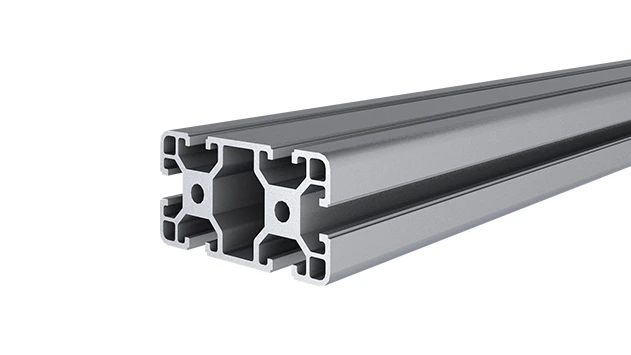
4080B is a 4.00x8.00 CM fractional 40 series square extrusion T-slot profile with two side open T-slots, each side with 4.00cm face, two side with 8.00cm face. The profile has align-a-grooves to assist in aligning connecting profiles.
If you've ever walked through a manufacturing plant, a warehouse, or even a modern office, you've probably seen aluminum profiles hard at work. They're the unsung heroes behind workbenches, material racks, conveyor systems, and countless other structures that keep operations running smoothly. But have you ever stopped to think about what makes these profiles durable, attractive, and suited for their jobs? A big part of the answer lies in their surface finishes. Today, we're zeroing in on two of the most popular options for 4080B EU standard aluminum profiles —anodized and powder coated. By the end, you'll know exactly which finish makes sense for your project, whether you're building an aluminum workbench A for a lab or a rugged material rack B (3 row and 3 floor) for a warehouse.
First Things First: What Are 4080B EU Standard Aluminum Profiles?
Before we dive into finishes, let's make sure we're all on the same page about the star of the show: the 4080B EU standard aluminum profile. These profiles are part of the broader family of aluminum extrusion profiles —products made by pushing molten aluminum through a die to create consistent, custom shapes. The "4080B" refers to their dimensions: 40mm in width and 80mm in height, with "B" indicating a specific groove design (think of it as the profile's "personality" for connecting accessories). The "EU standard" tag means they meet strict European quality and dimensional norms, ensuring compatibility with aluminum profile accessories like brackets, joints, and panels from different suppliers.
Why 4080B, specifically? Its size strikes a sweet spot between strength and versatility. It's sturdy enough to support heavy loads (we're talking hundreds of kilograms) but not so bulky that it's hard to work with. You'll find it in everything from automated production lines to retail display units. But here's the thing: even the best profile needs a good finish to perform at its best. Let's explore why surface treatments matter.
Why Surface Finishes Matter for Aluminum Profiles
Aluminum is naturally corrosion-resistant thanks to a thin oxide layer that forms when it reacts with oxygen. But in tough environments—think humidity, chemicals, or heavy use—that layer can wear down, leaving the metal vulnerable. Surface finishes step in to reinforce that protection. They also add color, texture, and even grip, making profiles more functional and visually appealing. For 4080B EU standard aluminum profiles , the choice between anodized and powder coated isn't just about looks; it's about durability, cost, and how well the profile will stand up to its intended use. Let's break down each finish, starting with anodizing.

Anodized Surface Finish: The "Natural Armor" Approach
How Anodizing Works: Science Meets Protection
Anodizing isn't just a coating—it's a transformation. The process uses electrolysis to grow a thicker, harder oxide layer directly on the aluminum's surface. Here's how it happens: first, the aluminum extrusion profile is cleaned to remove dirt, oil, and any impurities. Then, it's submerged in an electrolyte bath (usually sulfuric acid) and connected to an electric current. The current causes oxygen ions to bond with the aluminum, creating a porous oxide layer that's integral to the metal—no peeling, no chipping, because it's part of the profile itself.
After anodizing, the profile can be dyed (if desired) by submerging it in a dye bath while the oxide layer is still porous. Finally, it's sealed to close those pores, locking in color and adding extra protection. The result? A finish that's as tough as it is good-looking.
The Pros of Anodized Finishes
1. Unbeatable Corrosion Resistance: The anodized layer acts like a barrier, shielding the aluminum from moisture, chemicals, and even saltwater. This makes it perfect for humid environments, like food processing plants, or coastal areas where rust is a concern.
2. Durable and Long-Lasting: Unlike paint, which sits on top, the anodized layer is part of the metal. It won't fade, chip, or peel, even with heavy use. I've seen anodized aluminum workbench A units in labs that still look brand-new after a decade of daily use.
3. Sleek, Metallic Aesthetics: Anodized finishes highlight aluminum's natural beauty. They come in classic shades like clear (which lets the metal's silver tone shine through), black, gold, and bronze. The finish has a subtle sheen that feels premium—no "plastic-y" look here.
4. Low Maintenance: A quick wipe with a damp cloth is usually all it takes to keep anodized profiles clean. They're resistant to fingerprints and smudges, which is a big plus for visible areas like office partitions or retail displays.
The Cons of Anodized Finishes
1. Limited Color Options: While you can get basic colors, custom shades are tough (and expensive) to pull off. If you need a bright red or neon green, anodizing might not be your best bet.
2. Less Impact Resistance: The anodized layer is hard, but it's also brittle. A sharp, heavy impact can scratch or dent it, revealing the raw aluminum underneath. This is something to consider if the profile will be in a high-traffic area with lots of moving parts.
3. Higher Cost for Small Batches: Anodizing is a multi-step process, and setup costs can be high. For small orders (like a single aluminum workbench A ), this can make it pricier than powder coating.
Best For: When Looks and Longevity Matter Most
Anodized 4080B EU standard aluminum profiles shine in environments where aesthetics and corrosion resistance are top priorities. Think medical labs, cleanrooms, electronics manufacturing, or high-end retail displays. They're also ideal for applications where precision is key—since the anodized layer is thin (usually 5-25 microns), it won't interfere with tight tolerances or aluminum profile accessories that need a snug fit.
Powder Coated Surface Finish: The "Colorful Shield" Approach
How Powder Coating Works: Dry Paint with a Punch
If anodizing is about enhancing aluminum's natural properties, powder coating is about adding a tough, customizable layer on top. The process starts with a dry powder—finely ground particles of resin and pigment—electrostatically charged and sprayed onto the aluminum extrusion profile . The charged powder sticks to the metal like a magnet, creating an even coat. Then, the profile is baked in an oven (around 180-200°C), which melts the powder into a smooth, hard film that bonds tightly to the surface.
The result? A finish that's thick (50-150 microns), vibrant, and ready to take a beating.
The Pros of Powder Coated Finishes
1. Endless Color Options: Powder coating comes in every shade under the sun—from standard RAL colors to custom matches. Want your material rack B (3 row and 3 floor) to match your company's brand blue? No problem. Need color-coded racks for inventory management? Easy.
2. Superior Impact and Scratch Resistance: The thick, flexible coating acts like a buffer, absorbing hits that would scratch anodized aluminum. I've seen powder coated conveyor rails in warehouses that have taken years of box collisions without a single chip.
3. Hides Imperfections: Unlike anodizing, which highlights the metal's surface, powder coating can mask minor dents or scratches in the raw aluminum. This is a big plus for profiles that might have been handled roughly during fabrication.
4. Cost-Effective for Large Batches: Once the oven is heated and the powder is mixed, applying powder coating to multiple profiles is fast and efficient. For big orders—like outfitting an entire warehouse with material rack B (3 row and 3 floor) units—this can bring the per-unit cost down significantly.
The Cons of Powder Coated Finishes
1. Thicker Finish Can Affect Fit: That tough, thick coating is great for durability, but it can be a problem if your project requires super tight tolerances. For example, if you're using aluminum profile accessories that need to slide into the profile's grooves, a thick powder coat might make them stick.
2. Can Chip Under Extreme Force: While it's more impact-resistant than anodizing, powder coating isn't indestructible. A hard enough hit (like a falling tool) can chip it, and once chipped, moisture can seep under the coating and cause peeling over time.
3. Color Inconsistency Risks: If the oven temperature or powder mixture isn't consistent, batches can have slightly different shades. This is rare with reputable suppliers, but it's something to watch for if color uniformity is critical.
Best For: When Durability and Color Matter Most
Powder coated 4080B EU standard aluminum profiles are the go-to choice for industrial environments, warehouses, and outdoor applications. They're perfect for material rack B (3 row and 3 floor) units, conveyor systems, turnover trolleys, and anything else that needs to stand up to heavy use and look good doing it. They're also great if you want to add a pop of color to your space—whether it's safety yellow for hazard areas or brand colors for marketing displays.
Anodized vs Powder Coated: A Head-to-Head Comparison
Still on the fence? Let's put these two finishes side by side. The table below breaks down their key differences to help you decide which is right for your 4080B EU standard aluminum profile project.
| Feature | Anodized | Powder Coated |
|---|---|---|
| Process | Electrolytic oxidation (integral to the metal) | Electrostatic powder application + oven curing (top coating) |
| Finish Thickness | 5-25 microns (thin, natural feel) | 50-150 microns (thick, smooth texture) |
| Color Range | Limited (clear, black, gold, bronze; custom colors costly) | Vast (RAL colors, custom matches, textures like matte or gloss) |
| Corrosion Resistance | Excellent (resists moisture, chemicals, saltwater) | Very good (but can fail if chipped, exposing aluminum) |
| Impact Resistance | Moderate (can scratch/dent under heavy impact) | High (flexible coating absorbs hits well) |
| Cost (Small Batches) | Higher (setup costs for small orders) | Lower (easier to set up for small runs) |
| Cost (Large Batches) | Moderate (per-unit cost decreases, but still higher than powder coating) | Lower (bulk processing is efficient) |
| Maintenance | Low (wipe with damp cloth; resists smudges) | Low (wipe clean; touch-up paint for chips) |
| Best For | Cleanrooms, labs, precision equipment, sleek aesthetics (e.g., aluminum workbench A ) | Warehouses, industrial use, color-coding, heavy impact areas (e.g., material rack B (3 row and 3 floor) ) |
Real-World Scenarios: Which Finish Should You Choose?
To make this even more concrete, let's walk through a few common projects involving 4080B EU standard aluminum profiles and see which finish makes sense.
Scenario 1: Building an Aluminum Workbench A for a Electronics Lab
Labs demand cleanliness, precision, and resistance to chemicals. An aluminum workbench A here needs to stand up to frequent wipe-downs with disinfectants and avoid harboring bacteria. Anodized finish is the way to go: its smooth, non-porous surface resists chemicals, won't chip into the electronics, and the natural metallic look fits the lab's professional vibe. Powder coating might be overkill here—you don't need bright colors, and the thin anodized layer ensures accessories like clamps or shelves fit perfectly without extra bulk.
Scenario 2: Setting Up Material Rack B (3 Row and 3 Floor) in a Busy Warehouse
Warehouse racks take a beating—boxes sliding on and off, forklifts zipping by, occasional bumps. Material rack B (3 row and 3 floor) needs to be tough, visible, and easy to maintain. Powder coating is ideal here: choose a bright color (like safety orange) to make the rack stand out, and the thick coating will absorb impacts from dropped items. Plus, if a section gets chipped, a quick touch-up with matching spray paint will keep it looking neat. Anodizing might scratch too easily with all that activity, and the limited color options won't help with visibility.
Scenario 3: Creating a Custom Retail Display
Retail displays need to be both durable and eye-catching. If your display has sleek, modern lines and you want to highlight the aluminum's (texture), anodized finish in black or gold adds a premium touch. But if you need the display to match your brand's signature color (say, a bright purple), powder coating lets you nail that exact shade. It's a toss-up here—let your aesthetic goals guide you!
Final Thoughts: It's All About Your Needs
At the end of the day, there's no "better" finish—only the better finish for your project. Anodized 4080B EU standard aluminum profiles excel in environments where corrosion resistance, sleek aesthetics, and precision are key (think aluminum workbench A in a lab). Powder coated profiles shine when you need durability, color options, and cost-effectiveness for large batches (like material rack B (3 row and 3 floor) in a warehouse).
Whichever you choose, remember that the quality of the finish depends on the supplier. Look for a provider with experience in aluminum extrusion profiles and a track record of consistent results—whether it's anodizing that's evenly dyed or powder coating that's cured to perfection. With the right finish, your aluminum profiles won't just do their job—they'll do it for years to come, looking great all the while.