- Company Articles
- Products and Technology
- Product knowledge
- Surface Treatment of 3060 National Standard Profile A: Anodization vs Powder Coating

Surface Treatment of 3060 National Standard Profile A: Anodization vs Powder Coating
Related Product
3060 National Standard Profile A
Workbench, production line, logistic rack, warehouse rack Industry: Manufacturer workshop, Automobile, Electronic, Assembling, logistic
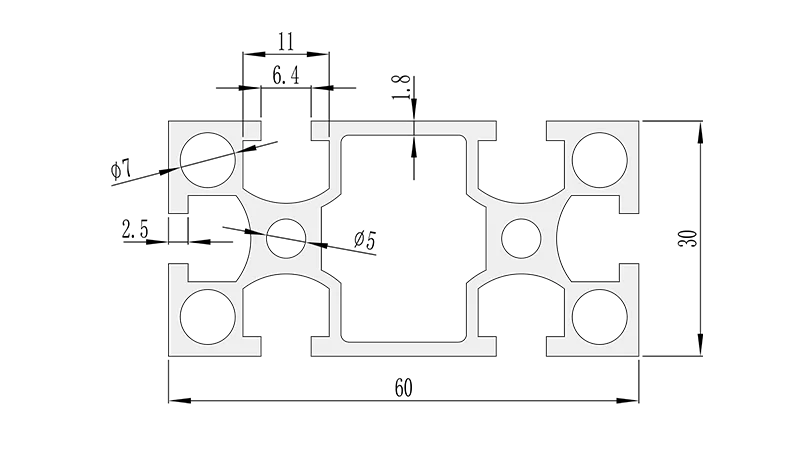
Walk into any modern factory, workshop, or even a well-organized garage, and you'll likely spot aluminum profiles holding things together. They're the unsung heroes of industrial setups—quietly supporting workbenches, material racks, and conveyor systems. Among these, the 3060 National Standard Profile A stands out as a workhorse. Its 30mm x 60mm cross-section hits that sweet spot between strength and versatility, making it a go-to for everything from "material rack b (3 row and 3 floor)" in warehouses to the frame of "workbench e (single deck-without caster)" on assembly lines. But here's the thing: raw aluminum, no matter how well-designed, is like a without a coat of paint—it looks good at first, but it won't stay that way for long. That's where surface treatments come in. Today, we're diving deep into two of the most popular methods for 3060 National Standard Profile A: anodization and powder coating. Which one's right for your project? Let's find out.
What Even Is 3060 National Standard Profile A?
Before we get into the nitty-gritty of surface treatments, let's make sure we're all on the same page about the star of the show. The 3060 National Standard Profile A is a type of aluminum extrusion profile —meaning it's created by forcing heated aluminum through a die to get that specific 30x60mm shape. Picture squeezing toothpaste through a tube, but with molten metal and way more precision. This process gives the profile its signature T-slots, those handy grooves along the sides that let you slide in aluminum profile accessories like brackets, connectors, or "aluminum guide rail a" without drilling holes. It's like building with giant, industrial-sized Lego bricks.
Why 3060, specifically? Well, 30mm in width and 60mm in height makes it sturdy enough to support heavy loads (think stacks of materials on "material rack b") but not so bulky that it's hard to maneuver. It's common in manufacturing because it balances rigidity with flexibility—you can cut it to length, bolt it together, and reconfigure it as your needs change. And since it's aluminum, it's lightweight compared to steel, which saves on shipping and installation costs. But here's the catch: aluminum, in its natural state, is a bit of a diva. It reacts with oxygen in the air to form a thin oxide layer, which is why raw aluminum often looks dull or slightly tarnished. That layer offers some protection, but it's thin and porous—easily scratched, and no match for moisture, chemicals, or heavy use. So if you want your 3060 profiles to last in tough environments (and let's be real, most industrial settings are tough), you need to give them a little extra love in the form of surface treatment.
Why Bother with Surface Treatment, Anyway?
Let's say you skip surface treatment. What happens? Well, imagine installing a brand-new 3060-based workbench in a factory where it's exposed to oil, coolant, and occasional splashes of water. Within a few months, you might notice spots of corrosion, or the surface might start to flake where tools have scraped against it. Over time, that oxide layer wears away, and the aluminum underneath starts to degrade. Not only does it look bad, but it can weaken the structure—bad news if that workbench is holding expensive equipment or heavy parts.
Surface treatments fix this by adding a protective layer to the aluminum's surface. But they're not just about durability. They also boost aesthetics—whether you want a sleek, metallic finish for a customer-facing display or a bright color to code work zones in a factory. And in some cases, they improve functionality: anodized surfaces, for example, have better grip than raw aluminum, which is useful for handles or parts that need to stay put. So think of surface treatment as both armor and makeup for your 3060 profiles—it makes them tough and good-looking.
Anodization: The "Natural" Protector
How Does Anodization Work?
Anodization is like giving your aluminum profile a supercharged version of its natural oxide layer. Instead of letting nature take its course, we speed up the process and control it in a lab (or a factory, really). Here's a simplified breakdown of the steps:
- Cleaning: First, the 3060 profile gets a deep clean to remove any dirt, oil, or fingerprints. Even a tiny speck of grease can ruin the anodizing process, so this step is crucial.
- Pre-Treatment: Next, it's dipped in a mild acid bath (usually nitric or phosphoric acid) to etch the surface slightly. This removes any existing oxide layer and creates a rough texture, which helps the new oxide layer adhere better.
- Anodizing Bath: Now comes the main event. The cleaned profile is submerged in an electrolytic solution (most commonly sulfuric acid), and an electric current is passed through it. The profile acts as the anode (positive electrode), and lead plates act as the cathode (negative electrode). When the current flows, oxygen ions are released at the anode, reacting with the aluminum to form aluminum oxide (Al₂O₃). This oxide layer grows outward from the surface of the aluminum, creating tiny pores that can later be filled with color or sealed.
- Coloring (Optional): If you want more than the natural silver-gray finish, the profile can be dyed while the oxide layer is still porous. Dyes (organic or inorganic) seep into the pores, and then the profile is sealed to lock the color in. Common colors include black, gold, bronze, and blue—earth tones are easier to achieve because the oxide layer itself has a warm, metallic base.
- Sealing: Finally, the profile is sealed (often in boiling water or a nickel acetate solution) to close those pores. This makes the surface non-porous, water-resistant, and much harder—so the color (if any) doesn't fade, and the layer doesn't scratch easily.
The result? A hard, durable oxide layer that's actually part of the aluminum itself, not just a coating stuck on top. It's like the difference between painting your nails (a coating) and getting a permanent tattoo (part of you, kind of). This means the anodized layer won't chip or peel off—even with heavy use.
The Good Stuff: Pros of Anodization
- Top-Tier Corrosion Resistance: Anodized aluminum can stand up to rain, humidity, and even mild chemicals—perfect for outdoor use or damp environments like food processing plants. I've seen anodized 3060 profiles used in coastal warehouses, where salt air would eat through unprotected aluminum in a year, last for decades with minimal wear.
- Natural Metallic Look: If you love the look of raw aluminum but want it to last, anodization is your friend. It enhances the metal's natural luster without covering it up. The finish is smooth but not shiny—more of a "satin" feel that hides fingerprints better than polished metal.
- Harder Surface: The anodized layer is much harder than the base aluminum—up to 60 Rockwell B, compared to 20-30 for raw aluminum. That means it resists scratches from tools, parts sliding across it, or even accidental bumps with a forklift (within reason, of course).
- Eco-Friendly: Anodization uses water-based solutions and doesn't release volatile organic compounds (VOCs), unlike some paint processes. The byproducts are mostly salt and water, which can be treated and disposed of safely.
- Good Adhesion: If you later decide to paint over an anodized surface (maybe for a custom color), the porous nature (before sealing) actually helps paint stick better than it would to raw aluminum. Though honestly, if you want paint, powder coating might be a better first step—but more on that later.
The Not-So-Good Stuff: Cons of Anodization
- Limited Color Options: While you can dye anodized aluminum, the color range is narrower than powder coating. Bright reds, yellows, or greens are tough to achieve, and the finish will always have a metallic undertone. If you need a specific Pantone color for branding, anodization might not cut it.
- Thicker Profiles = Tricker Process: Anodizing works best on simple shapes. If your 3060 profile has intricate T-slots or holes (which it does, since it's a standard profile), the oxide layer might grow unevenly in those areas. This can lead to inconsistent color or thickness, though experienced anodizers know how to minimize this.
- More Expensive Upfront: Anodization is a multi-step, labor-intensive process, so it's generally pricier than powder coating, especially for large batches. If you're on a tight budget, this might be a dealbreaker.
- Can't Hide Imperfections: Anodization is transparent—it shows off the aluminum's surface, including any scratches, dents, or tool marks from the extrusion process. If your 3060 profile has flaws, anodizing will make them more visible, not less. That means you need a high-quality extrusion to start with.
Powder Coating: The Colorful Workhorse
How Does Powder Coating Work?
If anodization is like giving your aluminum a natural tan, powder coating is like slathering on sunscreen and then a full face of makeup. It's a dry finishing process where fine powder (made of resin, pigment, and additives) is electrostatically charged and sprayed onto the 3060 profile. Here's how it goes down:
- Pre-Treatment: Just like anodization, the profile starts with a deep clean—degreasing, rinsing, and sometimes sandblasting to remove rust or old paint. Then it's treated with a conversion coating (like zinc phosphate) to help the powder adhere.
- Powder Application: The powder is loaded into a spray gun that gives it a positive electric charge. The aluminum profile, grounded to be negatively charged, attracts the powder like a magnet. This ensures even coverage, even in hard-to-reach spots like T-slots.
- Curing: The powder-coated profile is then baked in an oven (usually 180-200°C) for 10-20 minutes. The heat melts the powder, which flows into a smooth, continuous film and then hardens as it cools. The result is a thick, durable coating that's bonded to the aluminum.
Unlike anodization, powder coating adds a separate layer on top of the aluminum, not part of it. Think of it as a tough plastic shell that wraps around the profile.
The Good Stuff: Pros of Powder Coating
- Endless Color Options: Want neon pink? Matte black? Metallic gold? Powder coating can do it all. Pigments are mixed into the powder, so you can match almost any color under the sun, including custom shades for branding or color-coding. This is a big reason why factories use powder-coated profiles—they can paint "workbench e" red for assembly, blue for testing, and green for packaging, making it easy to organize workflows.
- Thick, Uniform Coating: Powder coating builds up a thicker layer (50-150 microns, compared to 5-20 microns for anodization) that hides surface imperfections. Scratches, dents, or minor extrusion marks in the 3060 profile? The powder coating will cover them up, giving you a smooth, flawless finish.
- Excellent Impact Resistance: That thick layer isn't just for show—it's tough. Powder-coated surfaces can take a beating from dropped tools or moving parts without chipping or cracking. I've seen powder-coated "turnover trolley and rack" units that have been banged around warehouses for years, and the coating still looks fresh.
- Cost-Effective for Large Batches: While the initial setup for powder coating can be pricey (you need a spray booth and oven), it's cheaper per unit for large orders. If you're manufacturing hundreds of 3060-based material racks, powder coating will save you money compared to anodization.
- UV Resistant: Unlike some paints, powder coatings are highly resistant to fading from sunlight. That makes them great for outdoor use—think patio furniture or outdoor signage made with 3060 profiles.
The Not-So-Good Stuff: Cons of Powder Coating
- Can Chip or Peel (If Done Poorly): If the pre-treatment isn't done right, or if the powder is under-cured, the coating can start to peel or chip over time. Imagine a powder-coated "aluminum guide rail a" that's constantly sliding against parts—the coating might wear thin in high-friction areas, exposing the aluminum underneath.
- Added Thickness: That thick coating can be a problem if you're working with tight tolerances. For example, if you're assembling 3060 profiles with "aluminum profile accessories" like brackets or connectors, the extra thickness of powder coating might make parts fit more loosely (or not at all). You might need to adjust your designs to account for it.
- Not as "Natural" Looking: Powder coating covers up the aluminum's natural metallic finish. If you want that industrial, raw metal aesthetic, powder coating will hide it—unless you use a clear powder coat, which is an option but less common.
- VOCs in Some Powders: While powder coating is generally more eco-friendly than liquid paint (no solvents), some powders contain VOCs or heavy metals in the pigments. Look for low-VOC options if sustainability is a priority.
Anodization vs. Powder Coating: The Ultimate Showdown
To help you decide, let's put anodization and powder coating head-to-head for common 3060 National Standard Profile A use cases. We'll use a simple table to compare key factors:
| Factor | Anodization | Powder Coating |
|---|---|---|
| Corrosion Resistance | Excellent (sealed oxide layer) | Very Good (thick polymer layer) |
| Scratch Resistance | High (hard oxide layer) | High (thick, tough coating) |
| Color Options | Limited (metallic tones, earth colors) | Unlimited (any color, matte/gloss/metallic) |
| Cost (Per Unit) | Higher (labor-intensive process) | Lower (better for large batches) |
| Aesthetic | Natural metallic, satin finish | Smooth, uniform, covers aluminum look |
| Best For | Indoor use, corrosion-prone areas, natural metal look | Outdoor use, color-coding, hiding imperfections |
Real-World Examples: When to Choose Which
Example 1: Food Processing Workbench
If you're building a workbench for a food factory, where it will be washed daily with harsh detergents, anodization is the way to go. Its corrosion resistance and non-porous, easy-to-clean surface make it ideal for sanitary environments. Plus, the natural metallic finish won't chip off into food—important for safety.
Example 2: Outdoor Material Rack
A "material rack b (3 row and 3 floor)" stored outside in a rainy climate needs UV resistance and durability. Powder coating, with its thick, colorfast layer, will stand up to the elements better than anodization. You can even choose a bright color to make the rack easy to spot in a large yard.
Example 3: Custom Retail Display
If you want a sleek, modern display using 3060 profiles that matches your brand's signature blue color, powder coating is the obvious choice. Anodization can't hit that exact shade, and the uniform finish will make your display look polished and professional.
Example 4: Heavy-Duty Assembly Line Workbench
For a workbench that sees constant tool use, part sliding, and occasional impacts, both treatments work—but powder coating might be better for hiding scratches over time. If you don't care about color, anodization's harder surface could resist wear slightly better, but the difference is minimal for most industrial uses.
Maintenance Matters: Keeping Your Surface Treatment in Top Shape
No matter which treatment you choose, a little maintenance goes a long way. Here's how to care for anodized and powder-coated 3060 profiles:
Anodized Profiles
- Clean with mild soap and water: Avoid abrasive cleaners or scouring pads, which can scratch the oxide layer. A soft cloth or sponge works best.
- Dry thoroughly: While anodized aluminum is corrosion-resistant, leaving water to pool can lead to mineral deposits over time. Wipe dry after cleaning.
- Avoid harsh chemicals: Acids, alkalis, or strong solvents can damage the anodized layer. If you spill something like battery acid, rinse immediately with water.
Powder-Coated Profiles
- Same mild soap and water: Powder coating is tough, but abrasive cleaners can dull the finish. Stick to gentle detergents.
- Touch up chips quickly: If the coating chips, the exposed aluminum can corrode. Use a touch-up paint pen (matching your powder coat color) to seal the spot.
- Avoid high heat: Powder coating can melt or discolor if exposed to temperatures over 200°C. Keep profiles away from open flames or hot surfaces.
Making Your Decision: A Quick Checklist
Still on the fence? Ask yourself these questions:
- What's my primary goal? Durability? A specific color? A natural look?
- Where will the profile be used? Indoor, outdoor, wet, dry, corrosive environment?
- What's my budget? Do I need a small batch or large volume?
- What aesthetic do I want? Raw metal, or a uniform color?
- Are there tight tolerances? Will extra coating thickness affect assembly with aluminum profile accessories ?
If you answered "natural look," "corrosive environment," or "small batch," go with anodization. If you answered "specific color," "outdoor use," "large batch," or "hide imperfections," powder coating is the way to go. And if you're still unsure, talk to your aluminum extrusion profile supplier—they've likely seen hundreds of projects like yours and can offer tailored advice.
Final Thoughts: It's All About Your Project
At the end of the day, both anodization and powder coating are excellent choices for 3060 National Standard Profile A. Anodization is the quiet, reliable protector that enhances aluminum's natural strengths, while powder coating is the versatile chameleon that lets you customize to your heart's content. Neither is "better"—they're just better for different jobs.
So whether you're building a "material rack b" that needs to withstand warehouse chaos, a "workbench e" that doubles as a customer display, or anything in between, take the time to choose the right surface treatment. Your 3060 profiles will thank you—with years of reliable, good-looking service.
And remember: the best surface treatment is the one that meets your project's unique needs. So go forth, coat wisely, and build something great.