- Company Articles
- Products and Technology
- Product knowledge
- Surface Treatment of 60 Steel Roller Track Small Wheels: Rust Resistance & Durability

Surface Treatment of 60 Steel Roller Track Small Wheels: Rust Resistance & Durability
Related Product
60 Steel Roller Track Small Wheel
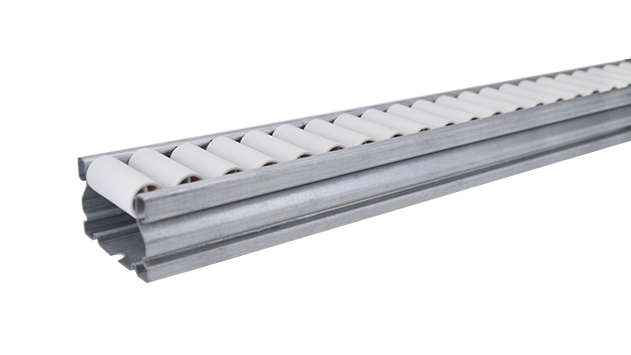
Modular system roller tracks aluminum gravity roller tracks are an excellent solution for transporting materials within industrial environments, warehouses and distribution centres.
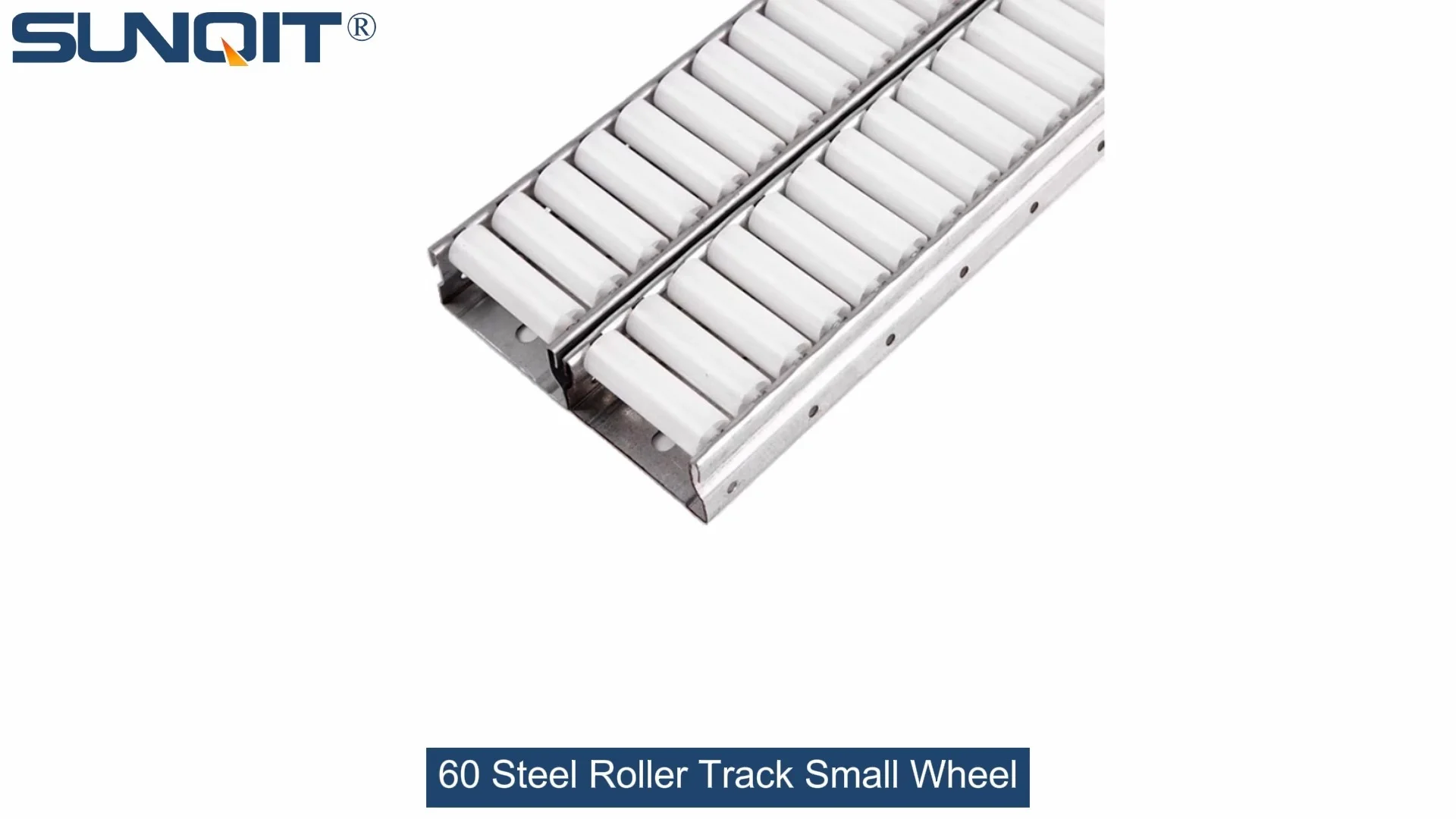
60 steel roller track small wheels are tiny but mighty components that keep industrial operations moving smoothly. Found in roller tracks, conveyors, and flow racks across manufacturing floors, these wheels play a pivotal role in ensuring materials and products glide seamlessly from one station to another. For businesses relying on lean solutions to optimize their production lines, the reliability of these wheels is non-negotiable. Rust and wear can bring operations to a halt, leading to costly downtime and inefficiencies. That's why choosing the right surface treatment for these wheels is more than a technical decision—it's a strategic one that impacts long-term productivity and cost savings.
Understanding 60 Steel
60 steel is a medium-carbon steel known for its high tensile strength and hardness, making it an ideal material for roller wheels that need to withstand heavy loads and constant friction. However, like most steel alloys, it's prone to rust when exposed to moisture, chemicals, or harsh environmental conditions. In industrial settings—whether it's a 3C assembly line, a warehouse logistics area, or an automotive manufacturing plant—these wheels are often exposed to oils, humidity, and frequent contact with different materials. Without proper surface treatment, rust can form quickly, leading to increased friction, uneven rolling, and eventual failure of the wheel. This not only disrupts the flow of production but also adds to maintenance costs and replacement expenses.
Common Surface Treatment Methods for 60 Steel Roller Wheels
Electroplating
Electroplating is a popular surface treatment method where a thin layer of metal (like zinc, nickel, or chrome) is deposited onto the 60 steel wheel using an electric current. For roller wheels, zinc plating is commonly used because it provides excellent corrosion resistance at a relatively low cost. The zinc layer acts as a sacrificial anode, meaning it corrodes first before the underlying steel, protecting it from rust. Nickel plating adds a glossy finish and enhances wear resistance, while chrome plating offers superior hardness and scratch resistance. Electroplated wheels are ideal for applications where aesthetics and moderate corrosion resistance are needed, such as in consumer electronics assembly lines where appearance matters alongside functionality.
Hot-Dip Galvanizing
Hot-dip galvanizing involves dipping the 60 steel wheel into a bath of molten zinc. This process creates a thick, durable layer of zinc-iron alloy that adheres tightly to the steel surface. Unlike electroplating, which is a thin coating, hot-dip galvanizing provides a much thicker barrier against rust, making it suitable for outdoor or harsh environments like warehouse yards or areas with high humidity. The coating is highly resistant to scratches and dents, ensuring long-lasting protection even under heavy use. Roller wheels treated with hot-dip galvanizing are often used in conveyor systems that handle heavy materials in logistics centers, where durability and rust resistance are top priorities.
Powder Coating
Powder coating is a dry finishing process where a free-flowing powder is applied electrostatically to the wheel and then cured under heat to form a hard, protective layer. The powder can be made of epoxy, polyester, or a combination, offering a wide range of colors and finishes. This treatment provides excellent corrosion resistance and is highly durable against chipping, scratching, and fading. Powder-coated wheels are often used in lean solution setups where the production line needs to be both functional and visually consistent. For example, in a medical device manufacturing facility, powder-coated roller wheels on flow racks not only resist rust from cleaning agents but also maintain a clean, professional appearance.
Passivation
Passivation is a chemical treatment that removes free iron from the surface of the steel and forms a thin, inert oxide layer. This layer prevents the steel from reacting with oxygen and moisture, thus inhibiting rust formation. Passivation is particularly effective for stainless steel, but it can also be used on 60 steel to enhance its corrosion resistance. The process is simple and cost-effective, making it a good choice for applications where the wheel is not exposed to extreme conditions. Passivated wheels are often used in light-duty conveyor systems or flow racks in office supply warehouses, where the environment is relatively controlled.
Dacromet Coating
Dacromet coating is a zinc-flake coating that provides exceptional corrosion resistance without the use of heavy metals like chrome. The coating is applied as a liquid and then cured at high temperatures, forming a uniform, porous layer that allows for breathability while protecting against rust. Dacromet-treated wheels are resistant to salt spray, chemicals, and temperature extremes, making them ideal for harsh industrial environments such as automotive manufacturing plants where wheels are exposed to oils, greases, and varying temperatures. This treatment also offers good wear resistance, ensuring the wheels maintain their smooth rolling performance over time.
Comparison of Surface Treatment Methods
| Treatment Method | Process Overview | Rust Resistance Level | Durability | Cost-Effectiveness | Ideal Applications |
|---|---|---|---|---|---|
| Electroplating | Deposits thin metal layer via electric current | Moderate | Moderate | High | Consumer electronics assembly, light-duty conveyors |
| Hot-Dip Galvanizing | Dips in molten zinc for thick alloy layer | High | High | Medium | Outdoor logistics, heavy-duty conveyors |
| Powder Coating | Electrostatic powder application + heat curing | High | High | Medium | Medical device manufacturing, lean solution setups |
| Passivation | Chemical treatment to form inert oxide layer | Low to Moderate | Low to Moderate | High | Light-duty flow racks, controlled environments |
| Dacromet Coating | Zinc-flake liquid application + high temp curing | Excellent | Excellent | Medium to High | Automotive manufacturing, harsh industrial environments |

Real-World Applications of Surface-Treated Roller Wheels
Surface-treated 60 steel roller track small wheels are integral to many industrial systems, and their performance directly impacts the efficiency of these systems. Let's look at how these treatments make a difference in key applications:
Conveyor Systems
Conveyors are the backbone of material handling in manufacturing and logistics. Roller wheels with proper surface treatment reduce friction, allowing products to move smoothly along the conveyor belt. For example, in a 3C assembly line using a conveyor system from our company, the 60 steel roller wheels with zinc plating ensure that components like mobile phone parts glide seamlessly from one station to another, minimizing delays and improving productivity. The rust resistance of these wheels means they don't require frequent replacement, reducing maintenance costs and downtime. The roller track accessories, such as connectors and brackets, work in tandem with the treated wheels to create a stable and efficient system.
Flow Racks
Flow racks are used to store and transport materials in a first-in-first-out (FIFO) manner. The roller wheels in flow racks need to be durable and corrosion-resistant to handle constant use and exposure to warehouse environments. Our company's flow racks use 60 steel roller wheels with hot-dip galvanizing, which provides long-lasting protection against rust from humidity and warehouse chemicals. This ensures that materials like electronic components or medical supplies are stored safely and can be accessed easily, contributing to a leaner, more efficient warehouse operation.
Lean Solutions
Lean manufacturing emphasizes minimizing waste and maximizing efficiency. Surface-treated roller wheels play a crucial role in lean solutions by ensuring that equipment like roller tracks and conveyors are reusable and sustainable. Our company's lean solutions for industries like 3C assembly and medical device manufacturing use roller wheels with powder coating or Dacromet treatment, which are not only rust-resistant but also durable enough to be reused when the production line is reconfigured. This aligns with the company's of 'reusable and continuously improvable', helping businesses reduce waste and lower long-term costs.
Warehouse Logistics
In warehouse settings, roller wheels are exposed to a variety of conditions—from heavy loads to wet floors. Wheels treated with hot-dip galvanizing or Dacromet coating are ideal here because they can withstand these harsh conditions without rusting. For example, in a logistics center using our roller track systems, the 60 steel wheels with Dacromet coating resist corrosion from rain and humidity, ensuring that the roller tracks remain functional for years. This reliability is essential for maintaining a smooth flow of goods and meeting delivery deadlines.
Case Study: Enhancing Efficiency in a 3C Assembly Line
A leading 3C manufacturer was facing issues with their assembly line conveyor system. The roller wheels were rusting quickly due to exposure to cleaning agents and humidity, leading to frequent breakdowns and delays. They approached our company for a solution, and we recommended replacing the existing wheels with 60 steel roller track small wheels treated with Dacromet coating.
The Dacromet coating provided excellent corrosion resistance against the cleaning agents used in the assembly line, and its durability ensured that the wheels could handle the constant movement of electronic components. We also integrated these wheels into a new conveyor system and flow racks as part of a comprehensive lean solution.
After implementation, the manufacturer saw a 30% reduction in maintenance downtime related to roller wheel failures. The smooth rolling of the treated wheels improved the speed of the assembly line, increasing overall productivity by 20%. Additionally, the reusability of the wheels aligned with the manufacturer's lean goals, reducing waste and lowering replacement costs over time. This case demonstrates how the right surface treatment for roller wheels can have a significant impact on industrial operations, enhancing efficiency and sustainability.
Maintenance Tips for Surface-Treated Roller Wheels
To maximize the lifespan and performance of surface-treated 60 steel roller track small wheels, proper maintenance is essential. Here are some tips:
- Regular Cleaning: Clean the wheels regularly to remove dirt, debris, and oils that can accumulate and cause friction. Use a mild detergent and a soft brush to avoid scratching the surface coating.
- Inspection: Check the wheels periodically for signs of wear, rust, or damage. If any rust spots are found, address them immediately to prevent further corrosion.
- Lubrication: Apply a small amount of lubricant to the wheel bearings to reduce friction and ensure smooth rolling. Avoid using excessive lubricant as it can attract dirt.
- Avoid Harsh Chemicals: While surface treatments provide corrosion resistance, prolonged exposure to strong chemicals can damage the coating. Use compatible cleaning agents and avoid harsh solvents.
- Proper Storage: If the wheels are not in use, store them in a dry, cool place to prevent rust formation. Cover them with a protective sheet to avoid dust and moisture.
By following these maintenance practices, businesses can extend the life of their roller wheels and ensure that their conveyor systems, flow racks, and lean solutions operate at peak efficiency for longer.
Conclusion
In conclusion, surface treatment of 60 steel roller track small wheels is a critical factor in ensuring their rust resistance and durability, which directly impacts the efficiency of industrial operations. From electroplating to Dacromet coating, each method offers unique benefits tailored to different applications. Whether it's in conveyor systems, flow racks, or lean solutions, the right surface treatment can reduce maintenance costs, minimize downtime, and contribute to sustainable manufacturing practices.
Our company understands the importance of high-quality roller wheels in industrial systems. We offer a range of roller track systems, conveyors, and flow racks equipped with surface-treated 60 steel wheels that meet the highest standards of rust resistance and durability. Our lean solutions are designed to be reusable and continuously improvable, helping businesses optimize their operations and achieve long-term success. By choosing the right surface treatment for roller wheels, businesses can enhance their productivity, reduce waste, and stay competitive in today's fast-paced manufacturing landscape.