- Company Articles
- Products and Technology
- Product knowledge
- Surface Treatment of Gusset ALP 4040: Anodizing vs Powder Coating Benefits

Surface Treatment of Gusset ALP 4040: Anodizing vs Powder Coating Benefits
Related Product
Gusset ALP 4040
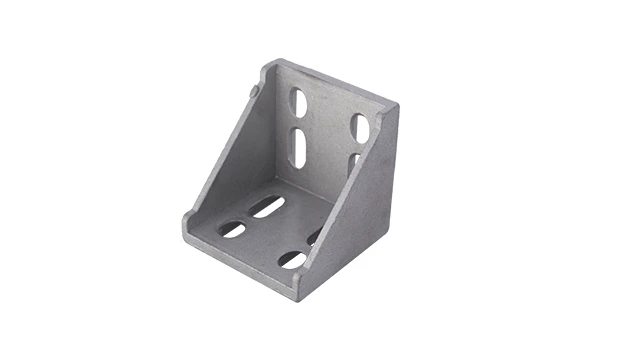
The 4040 bracket/Gusset is an external fastening method that creates a 90 degree connection. 4040 means this size is used for 40 series aluminum profile with a quick connection by bolt and nut. It is a lightweight bracket that requires no machining servic
In the world of manufacturing and assembly, some components work quietly behind the scenes, holding everything together with unassuming reliability. One such unsung hero is the gusset ALP 4040—a small but critical piece of hardware that reinforces joints in aluminum extrusion profiles, ensuring stability in everything from workbenches to conveyor systems. But even the sturdiest components need a little protection to stand the test of time. That's where surface treatments come in. For gusset ALP 4040 and the aluminum profile structures it supports, two methods rise above the rest: anodizing and powder coating. Today, we're diving into what makes each process unique, their benefits, and how to choose the right one for your project.
First Things First: What is Gusset ALP 4040?
Before we jump into surface treatments, let's get to know the star of the show: the gusset ALP 4040. If you've ever seen an aluminum extrusion profile—those sleek, modular beams used to build everything from production line workstations to material racks—you've probably noticed the joints where two profiles meet. These joints need extra support to handle weight, vibration, and daily wear. Enter the gusset ALP 4040. Shaped like a small, sturdy bracket, it's designed to bolt onto 40mm x 40mm aluminum profiles, distributing stress evenly and preventing flexing or warping over time. Think of it as the "backbone" of aluminum profile assemblies, ensuring that structures stay rigid and reliable, even under heavy use.
But here's the thing: aluminum, while strong and lightweight, is prone to corrosion and scratching when left untreated. That's why surface treatment isn't just a "nice-to-have" for gusset ALP 4040—it's a necessity. Whether your assembly line is in a humid factory or a cleanroom, the right treatment can extend the life of your components, maintain their appearance, and even enhance their performance. And when it comes to treatments, anodizing and powder coating are the top contenders.
Why Surface Treatment Matters for Aluminum Profile Components
Aluminum extrusion profiles and their accessories, like the gusset ALP 4040, are everywhere. They're in automotive plants, electronics factories, and even retail displays. But no matter where they're used, they face common enemies: moisture, chemicals, physical impact, and UV rays. Without protection, aluminum can oxidize, leaving a dull, powdery film (you've probably seen this on old aluminum gutters). Over time, this oxidation weakens the material, and scratches can create entry points for corrosion. Surface treatments act as a shield, addressing these issues while also boosting aesthetics—because let's be honest, no one wants their assembly line to look worn and weathered.
So, what's the goal of treating a gusset ALP 4040? It depends on the application. A manufacturer in a coastal area might prioritize corrosion resistance to battle salt air. A company building retail displays might care more about color consistency and a sleek finish. And a factory with heavy machinery might need something tough enough to withstand accidental bumps and scrapes. Anodizing and powder coating each excel in different areas, so let's break them down.

Anodizing: The Invisible Armor for Aluminum
How Anodizing Works
Anodizing is like giving aluminum a superpower—by creating a protective layer that's actually part of the metal itself. Unlike paint or plating, which sit on top of the surface, anodizing transforms the outer layer of aluminum into a hard, porous oxide film through an electrochemical process. Here's a simplified breakdown of how it's done:
First, the gusset ALP 4040 is thoroughly cleaned to remove oils, dirt, or fingerprints—any contaminants that could interfere with the process. Then, it's submerged in an electrolytic bath (usually sulfuric acid) and connected to an electric current. The aluminum acts as the anode (hence "anodizing"), and when the current flows, oxygen ions react with the aluminum surface, forming aluminum oxide. This oxide layer grows from the surface outward, creating tiny pores that can later be sealed or dyed.
The thickness of the oxide layer depends on how long the part stays in the bath—typically between 5 and 25 microns for most industrial applications. After anodizing, the part is rinsed and sealed (often with hot water or a chemical sealant), which closes the pores and locks in the protection. The result? A surface that's harder, more durable, and deeply integrated with the aluminum itself.
The Benefits of Anodizing Gusset ALP 4040
So, why choose anodizing for your gusset ALP 4040? Let's start with corrosion resistance. The anodized layer is inert, meaning it doesn't react with water, salt, or most chemicals—a huge plus for parts used in humid environments, near cleaning agents, or outdoors. In fact, anodized aluminum can withstand years of exposure to rain, sweat, or industrial fumes without rusting or pitting. For manufacturers in coastal regions or those handling liquid-based products, this alone makes anodizing a top choice.
Then there's durability. The oxide layer is significantly harder than raw aluminum—up to three times harder, in fact. That means it resists scratches, dents, and abrasion better than untreated metal. If your gusset ALP 4040 is in a high-traffic area, like a workstation where tools are constantly being set down or moved, anodizing can keep it looking new longer. Unlike paint, which can chip or peel, the anodized layer won't flake off because it's chemically bonded to the aluminum. It's like adding a suit of armor that's part of the metal itself.
Aesthetics are another win for anodizing. While it doesn't offer the rainbow of colors that powder coating does, anodizing enhances aluminum's natural metallic finish, giving it a smooth, matte, or glossy sheen (depending on the process). It can also be dyed in a range of subtle hues—think blacks, silvers, golds, and blues—using organic dyes that penetrate the porous oxide layer. The result is a color that won't fade easily, even in sunlight, making it ideal for applications where appearance matters, like customer-facing displays or cleanroom environments where a professional look is key.
Finally, anodizing is eco-friendly. The process uses non-toxic chemicals, and many anodizing facilities recycle their electrolytic baths to reduce waste. Unlike some coatings that release volatile organic compounds (VOCs), anodizing is low-emission, making it a greener choice for companies prioritizing sustainability.

Powder Coating: The Colorful Workhorse
How Powder Coating Works
If anodizing is the "invisible armor," powder coating is the "colorful shield." Instead of using chemicals and electricity, powder coating relies on dry powder—typically a mix of resin, pigment, and additives—that's electrostatically charged and sprayed onto the surface of the gusset ALP 4040. The charged powder sticks to the metal like a magnet, creating an even layer. Then, the part is baked in an oven (usually at 180–200°C) for 10–15 minutes, melting the powder into a smooth, continuous film that hardens as it cools. The result? A thick, durable coating that comes in just about any color you can imagine.
One of the best things about powder coating is its versatility. The powder can be formulated to create different textures—matte, glossy, hammered, or even textured like sandpaper—and it adheres well to aluminum, even on complex shapes like the angles and edges of a gusset ALP 4040. Unlike liquid paint, there's no drips or runs, so you get a consistent finish every time.
The Benefits of Powder Coating Gusset ALP 4040
Let's start with the obvious: color options. If your project needs to match a brand palette, safety standards (like bright yellows for caution areas), or just a pop of personality, powder coating delivers. From vibrant reds to deep greens, metallic finishes to custom shades, the possibilities are nearly endless. This makes it perfect for applications where aesthetics are front and center—think retail displays, office furniture, or even themed production lines. For example, a toy manufacturer might use bright blue powder-coated gusset ALP 4040 to match their brand, creating a cohesive look across their assembly line.
Then there's impact resistance. Powder coating creates a thicker layer than anodizing (usually 50–150 microns, compared to anodizing's 5–25 microns), which means it can absorb more impact without cracking or chipping. If your gusset ALP 4040 is in a high-impact area—like near a conveyor belt where boxes might bump into it, or a warehouse where forklifts pass close by—this extra thickness is a big advantage. It's like wrapping your component in a tough, flexible blanket that can take a hit and keep going.
Powder coating is also great for hiding imperfections. Raw aluminum can have minor scratches or blemishes from manufacturing, but the thick, opaque powder coating covers these up, giving the gusset ALP 4040 a flawless finish. This is especially useful for parts that are visible to customers or clients, where a "perfect" look is non-negotiable.
Cost-effectiveness is another key benefit. While the initial setup for powder coating can be higher than anodizing, it's often cheaper for large batches. The powder can be recycled (overspray is collected and reused), reducing waste, and the process is faster than anodizing, which requires multiple baths and rinses. For manufacturers producing hundreds or thousands of gusset ALP 4040 units, powder coating can lower per-unit costs, making it a budget-friendly choice for high-volume projects.
Anodizing vs. Powder Coating: A Head-to-Head Comparison
Now that we've explored both processes, let's put them side by side. The table below breaks down their key differences, so you can see which one aligns best with your needs:
| Feature | Anodizing | Powder Coating |
|---|---|---|
| Coating Thickness | 5–25 microns (thinner, integrated with metal) | 50–150 microns (thicker, layered on top) |
| Corrosion Resistance | Excellent (resists salt, moisture, chemicals) | Very good (depends on coating thickness; less porous than anodizing) |
| Scratch/Impact Resistance | High (hard oxide layer resists scratches) | Very high (thick layer absorbs impacts well) |
| Color Options | Limited (natural metallic tones, subtle dyes) | Unlimited (vibrant colors, custom shades, textures) |
| Durability | Long-lasting (oxide layer won't peel; fades minimally) | Long-lasting (prone to chipping if damaged; color stable) |
| Eco-Friendliness | High (low VOCs, recyclable baths) | High (minimal waste, recyclable overspray) |
| Cost (Per Unit) | Higher for small batches; labor-intensive process | Lower for large batches; faster production |
| Best For | Humid/coastal environments, cleanrooms, subtle aesthetics | High-impact areas, brand-matching, vibrant aesthetics |
Real-World Applications: When to Choose Which?
To make this more concrete, let's look at a few scenarios where one treatment might be better than the other.
Scenario 1: A Coastal Manufacturing Plant
Imagine a factory in Miami, Florida, where the air is thick with salt and humidity. The production line uses aluminum extrusion profiles to build workbenches, and the gusset ALP 4040 components are exposed to daily moisture from cleaning and the ocean air. In this case, anodizing is the clear winner. Its superior corrosion resistance will prevent rust and pitting, ensuring the gusset ALP 4040 lasts for years without degradation. Powder coating, while durable, might eventually chip in high-moisture areas, creating tiny gaps where corrosion can start. Anodizing's oxide layer, being part of the metal, leaves no such gaps.
Scenario 2: A Retail Display Manufacturer
Now, picture a company that builds custom retail displays for clothing stores. Their clients want displays that match their brand colors—think bright pink for a cosmetics line or forest green for an outdoor gear shop. Here, powder coating shines. With its limitless color options, it can perfectly match brand palettes, creating a cohesive look that draws customers in. Anodizing, with its more limited color range, might not hit the exact shade needed. Plus, the thick powder coating layer will stand up to the daily bumps and scrapes of shoppers handling merchandise.
Scenario 3: A High-Volume Electronics Assembly Line
Finally, consider a factory producing smartphones, where hundreds of gusset ALP 4040 units are needed each day to build workstations. The priority here is cost and speed, but the components still need to resist oil and minor scratches from tools. Powder coating, with its faster processing time and ability to recycle overspray, would lower per-unit costs, making it ideal for high-volume production. Anodizing, while durable, would take longer per unit and drive up costs for large batches.
Choosing the Right Treatment for Your Gusset ALP 4040
At the end of the day, the choice between anodizing and powder coating comes down to three key questions:
- What's your environment? If you're dealing with moisture, salt, or chemicals, anodizing's corrosion resistance is hard to beat. For dry, indoor settings with high impact, powder coating might be better.
- How important is color? If you need custom shades or vibrant hues, powder coating is the way to go. If you prefer a natural metallic look, anodizing delivers.
- What's your budget and volume? For small batches or premium durability needs, anodizing is worth the investment. For large-scale production, powder coating often offers better value.
Remember, there's no "one-size-fits-all" answer. Some projects might even use both—anodizing for base corrosion resistance and powder coating for a pop of color on top (though this is rare and adds cost). The key is to assess your specific needs, then match them to the treatment that aligns best.
Final Thoughts: Protecting the Backbone of Your Assembly
The gusset ALP 4040 might be small, but its role in keeping aluminum extrusion profiles strong and stable is huge. And when it comes to protecting that role, anodizing and powder coating are both excellent tools—each with its own superpowers. Anodizing offers invisible, long-lasting protection with a natural finish, perfect for harsh environments. Powder coating brings color, impact resistance, and cost savings to high-volume or aesthetic-focused projects.
So, whether you're building a workstation for a busy factory floor or a custom display for a boutique store, take the time to consider your surface treatment. It's not just about making your components look good—it's about ensuring they last, perform, and keep your assembly line running smoothly for years to come. After all, even the quietest heroes deserve a little armor.