- Company Articles
- Products and Technology
- Product knowledge
- Surface Treatment Options for 2020 Aluminum Profile End Caps

Surface Treatment Options for 2020 Aluminum Profile End Caps
Related Product
2020 Aluminum Profile End Cap
The aluminum profile end cap adds a finishing touch to your project and closes off profile ends to limit dust and debris buildup, also it can avaid some scratch for material and labor during the assemble work.
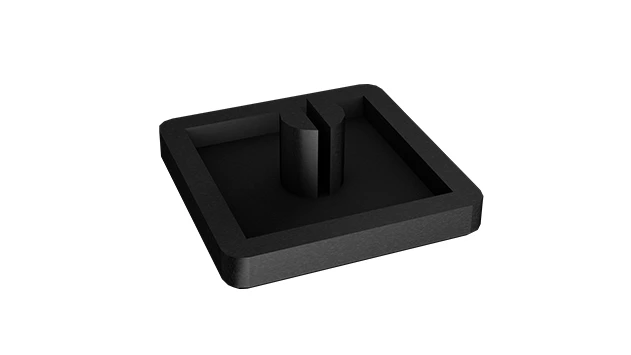
Walk into any modern manufacturing facility, and you'll likely spot aluminum profiles hard at work—holding up workbenches, organizing material racks, or forming the backbone of conveyor systems. These versatile structures owe their popularity to their strength, light weight, and adaptability, especially when paired with the right accessories. Among these unsung heroes are 2020 aluminum profile end caps —small, unassuming components that cap the open ends of 2020 aluminum extrusion profiles. Though tiny, they play a critical role: preventing sharp edges from causing injuries, blocking dust and debris from clogging profile channels, and giving finished assemblies a polished, professional look. But here's the thing: not all end caps are created equal. The surface treatment applied to these small parts can make a world of difference in their durability, appearance, and performance. In this article, we'll dive into the why and how of surface treatments for 2020 aluminum profile end caps, exploring common options, their pros and cons, and how to choose the best one for your needs.
Why Surface Treatment Matters for End Caps
At first glance, end caps might seem like afterthoughts—simple plastic or metal plugs to "finish off" a profile. But in reality, their surface treatment is a make-or-break factor for several reasons:
1. Protection Against the Elements : Aluminum is naturally resistant to corrosion, but its exposed edges (like those on end caps) can still react with moisture, chemicals, or industrial fumes over time. A good surface treatment acts as a barrier, shielding the end cap from rust, oxidation, and wear. This is especially important in environments like factories with high humidity or warehouses near coastal areas where salt air accelerates corrosion.
2. Aesthetic Consistency : Imagine investing in sleek, anodized 2020 aluminum profiles for a workbench, only to cap them with dull, mismatched end caps. Surface treatments ensure end caps blend seamlessly with the rest of the assembly, whether you're aiming for a matte industrial look or a vibrant, color-coordinated setup. This attention to details the overall perceived quality of the entire system.
3. Safety First : Rough or uncoated end cap surfaces can harbor burrs or sharp spots, even if the profile itself is smooth. Treatments like powder coating or anodizing create a consistent, smooth finish that reduces the risk of cuts or scrapes—critical in workspaces where employees handle materials or lean against racks daily.
4. Compatibility with Accessories : End caps rarely work alone. They often interact with other aluminum profile accessories , like aluminum profile rubber strips that line profile channels or connectors that secure adjacent profiles. A well-treated surface ensures these accessories fit snugly without slipping, sticking, or damaging the end cap itself.
5. Longevity and Cost Savings : Replacing end caps might seem cheap, but multiply that by hundreds of profiles in a facility, and the costs add up. A durable surface treatment extends the lifespan of end caps, reducing the need for frequent replacements and minimizing downtime for maintenance.
Common Surface Treatment Options for 2020 Aluminum Profile End Caps
Now that we understand why surface treatment matters, let's explore the most popular methods used today. Each has its own process, benefits, and ideal use cases—so you can pick the one that aligns with your project's needs.
1. Anodizing: The Gold Standard for Durability
Anodizing is perhaps the most well-known surface treatment for aluminum, and for good reason. It's an electrochemical process that creates a thick, porous oxide layer on the aluminum's surface. Here's how it works: the end cap is submerged in an electrolyte bath (usually sulfuric acid), and an electric current is passed through the solution. This causes oxygen ions to bond with the aluminum, forming a hard, wear-resistant layer of aluminum oxide. The result? A finish that's integrated into the metal itself, not just a coating that can chip off.
Types of Anodizing :
- Sulfuric Acid Anodizing : The most common type, producing a clear or dyed finish (think black, blue, or gold end caps). It offers excellent corrosion resistance and is budget-friendly.
- Hard Anodizing : Creates a thicker, denser oxide layer (up to 100 microns) for extreme wear resistance. Used in high-stress applications, like end caps on workbenches that see daily tool impacts.
Pros : Durable, scratch-resistant, and fade-resistant (dyed anodized finishes hold color well under UV light). It's also eco-friendly, as the process uses minimal harmful chemicals.
Cons : Limited color options compared to other methods (you're mostly restricted to earth tones and basics like black or silver). It's also more expensive than powder coating for simple applications.
Ideal For : Industrial workbenches, material racks, or any setup where longevity and corrosion resistance are top priorities. If you're using 2020 aluminum profiles in a high-traffic area, anodized end caps will stand up to years of use.
2. Powder Coating: Color and Creativity Unleashed
If anodizing is about durability, powder coating is about personality. This process involves electrostatically applying a dry powder (made of resin and pigment) to the end cap, then curing it in an oven at high temperatures. The heat melts the powder, forming a hard, uniform coating that adheres tightly to the surface.
What sets powder coating apart is its versatility. You can choose from hundreds of colors, textures (matte, gloss, metallic, or even textured "hammered" finishes), and even custom shades to match brand colors or design schemes. For example, a manufacturer might use bright red powder-coated end caps on lean pipe workbenches in a production line to highlight safety zones, or opt for a subtle gray to blend with office furniture.
Pros : Exceptional color variety, thick coating (resistant to chipping and impact), and cost-effective for large batches. It's also easy to repair—damaged areas can be sanded and recoated without stripping the entire end cap.
Cons : Less corrosion resistance than anodizing in harsh environments (saltwater or heavy chemical exposure can cause peeling over time). The coating can also fade if exposed to direct sunlight for extended periods.
Ideal For : Consumer-facing applications (like retail displays or office partitions) where aesthetics matter most, or low-moisture industrial settings where color coordination is key. It's also a great choice for aluminum profile accessories that need to stand out, like end caps on mobile trolleys or modular shelving.
3. Electrophoretic Coating (E-Coating): The Uniformity Expert
E-coating (short for electrophoretic coating) is a "dip and deposit" process that ensures every nook and cranny of an end cap gets coverage. Here's how it works: end caps are submerged in a bath of water-based paint containing charged pigment particles. When an electric current is applied, the particles are drawn to the end cap (acting as an electrode), forming a thin, even coating. The parts are then baked to cure the paint.
This method is prized for its ability to coat complex shapes uniformly—perfect for end caps with intricate designs or recessed edges that might be missed by spray-on methods.
Pros : Superior corrosion resistance (often used as a primer under powder coating for extra protection), and a smooth, consistent finish with no drips or bubbles. It's also highly efficient for large-scale production.
Cons : Limited color options (mostly black, white, or gray) and requires a topcoat (like clear powder) for UV resistance. It's also not as durable as anodizing for high-wear surfaces.
Ideal For : Automotive or aerospace components (where corrosion resistance is critical), or as a base layer for end caps that will later be powder coated for color. It's a workhorse for hidden or semi-hidden end caps, like those inside material racks where function trumps flash.
4. Mechanical Finishes: For the Raw, Industrial Look
Not all surface treatments involve chemicals or electricity. Mechanical finishes rely on physical abrasion to shape the end cap's surface. Common techniques include:
- Sandblasting : Blasting the end cap with abrasive particles (like sand or glass beads) to create a matte, textured finish. Hides fingerprints and minor scratches well.
- Polishing : Buffing the surface with a wheel or compound to achieve a mirror-like shine. Used for decorative end caps on high-end displays.
- Brushing : Using a wire brush to create parallel lines, giving end caps a sleek, industrial aesthetic (think brushed aluminum end caps on a modern workbench).
Pros : No chemicals, so it's eco-friendly and cost-effective for small batches. It's also great for achieving unique textures that other methods can't replicate.
Cons : Offers minimal corrosion protection on its own (mechanical finishes are often paired with a clear coat for durability). Polished finishes are also high-maintenance, showing fingerprints and scratches easily.
Ideal For : Artistic or custom projects where texture is part of the design, or temporary setups where long-term corrosion resistance isn't a concern. For example, a trade show booth using 2020 aluminum profiles with sandblasted end caps for a raw, modern vibe.

Comparing Surface Treatments: A Quick Reference Table
| Treatment Type | Process | Key Benefits | Drawbacks | Ideal Applications | Cost Range |
|---|---|---|---|---|---|
| Anodizing | Electrochemical oxide layer formation | High corrosion/wear resistance; fade-resistant; eco-friendly | Limited color options; higher cost | Industrial workbenches, outdoor racks | Medium-High |
| Powder Coating | Electrostatic powder application + heat curing | Wide color/texture range; impact-resistant; easy to repair | Less corrosion resistance in harsh environments; UV fade risk | Retail displays, color-coordinated assemblies | Medium |
| E-Coating | Electrophoretic paint deposition | Uniform coverage; excellent corrosion protection; thin film | Limited colors; needs topcoat for UV resistance | Automotive parts, hidden end caps | Medium |
| Mechanical Finishes | Sandblasting, polishing, brushing | Eco-friendly; unique textures; low cost for small batches | Minimal standalone corrosion protection; high maintenance (polished) | Custom projects, temporary displays | Low-Medium |

Choosing the Right Treatment: Key Factors to Consider
With so many options, how do you pick the best surface treatment for your 2020 aluminum profile end caps? Start by asking these questions:
1. Where Will the End Caps Be Used? Indoor, climate-controlled environments (like office workbenches) can get away with powder coating or mechanical finishes. Outdoor or high-moisture areas (warehouses, coastal factories) demand anodizing or E-coating for corrosion resistance.
2. What's Your Aesthetic Goal? If you need bold colors or custom shades, powder coating is the way to go. For a sleek, industrial look, anodizing or brushed mechanical finishes work best. E-coating is ideal if you want a uniform, understated finish (like black end caps that blend into the profile).
3. How Much Wear and Tear Will They See? End caps on a rarely used storage rack can handle a simple powder coat. But those on a busy assembly line workbench? Opt for hard anodizing to withstand daily impacts.
4. What's Your Budget? Mechanical finishes or basic powder coating are great for cost-sensitive projects. If durability is non-negotiable, invest in anodizing—you'll save money long-term by avoiding replacements.
5. Do They Need to Match Other Accessories? If your setup includes aluminum profile rubber strips or colored connectors, ensure the end cap treatment complements these. For example, a black powder-coated end cap pairs well with gray rubber strips for a cohesive look.
Real-World Examples: End Caps in Action
To bring this all to life, let's look at a few scenarios where surface treatment choice made all the difference:
Case Study 1: Automotive Assembly Line Workbench
A car manufacturer needed durable, low-maintenance workbenches for their assembly line. They chose 2020 aluminum profiles with hard-anodized end caps. Why? The hard anodizing withstands daily tool drops and oil spills, while the corrosion resistance prevents rust from coolant and degreasers. The end caps have held up for over 5 years with no signs of wear—saving the company from frequent replacements.
Case Study 2: Retail Pop-Up Shop Display
A clothing brand wanted a modern, portable display using 2020 aluminum profiles. They opted for powder-coated end caps in their brand's signature teal color, paired with clear anodized profiles. The powder coating ensured the end caps matched the brand's aesthetic, while the anodized profiles added a sleek contrast. The result? A display that looked high-end and cohesive, driving customer engagement.
Case Study 3: Coastal Warehouse Material Rack
A logistics company near the ocean needed material racks that could withstand salt air. They chose 2020 aluminum profiles with E-coated end caps (as a base layer) and a clear powder topcoat. The E-coating blocked salt corrosion, while the powder coat added scratch resistance. Three years later, the end caps still look new—no rust, no peeling, and minimal maintenance required.
Caring for Treated End Caps: Pro Tips
Even the best surface treatment won't last forever without proper care. Here's how to extend the life of your end caps:
Anodized End Caps : Clean with mild soap and water; avoid abrasive cleaners (they can scratch the oxide layer). For tough stains, use a soft-bristle brush. If the finish fades over time (rare), consider a clear coat touch-up.
Powder Coated End Caps : Wipe with a damp cloth to remove dust. If chipped, sand the area lightly and apply a matching touch-up powder (available from most suppliers). Avoid harsh solvents like acetone, which can dissolve the coating.
E-Coated End Caps : Since they're often used as a base layer, check the topcoat (if applicable) for cracks or peeling. Repair with a clear automotive wax to seal small gaps.
Mechanical Finishes : Polished end caps need regular buffing with a metal polish to maintain shine. Sandblasted or brushed finishes can be sealed with a clear lacquer to boost corrosion resistance.
Final Thoughts: Small Part, Big Impact
2020 aluminum profile end caps might be small, but their surface treatment is a critical decision that affects safety, durability, and aesthetics. Whether you're building a workbench, a conveyor system, or a custom display, taking the time to choose the right treatment will pay off in the long run—reducing maintenance costs,ing safety, and ensuring your assembly looks as good as it performs.
Remember: the best treatment depends on your unique needs. For industrial toughness, go with anodizing. For color and creativity, powder coating is king. And for hidden, high-corrosion areas, E-coating has you covered. Pair your end caps with quality aluminum profile accessories like rubber strips and connectors, and you'll have a system that's built to last.
So next time you're planning an aluminum profile project, don't overlook the end caps. Their surface treatment isn't just about looks—it's about building something that stands the test of time.