- Company Articles
- Products and Technology
- Product knowledge
- Surface Treatment Options for 4040F EU Standard Aluminum Profile: Anodized vs Powder Coated

Surface Treatment Options for 4040F EU Standard Aluminum Profile: Anodized vs Powder Coated
Related Product
4040F EU Standard Aluminum Profile
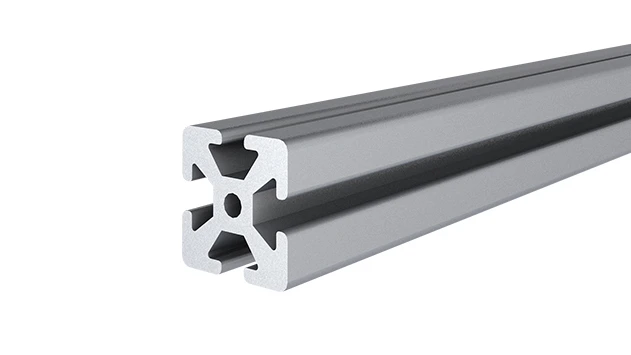
4040F is a 4.00x4.00 CM fractional 40 series square extrusion T-slot profile with four side open T-slots, each side with 4.00cm face. The profile has align-a-grooves to assist in aligning connecting profiles.
Introduction: The Backbone of Modern Manufacturing
Walk into any factory, workshop, or even a small-scale production line today, and you'll likely spot one material holding everything together: aluminum profiles. Sleek, sturdy, and surprisingly versatile, these metal frameworks are the unsung heroes of lean manufacturing, assembly lines, and workspace organization. Among the countless profiles available, the 4040F EU Standard Aluminum Profile stands out as a workhorse. Its 40mm x 40mm cross-section, standardized dimensions, and compatibility with a wide range of aluminum profile accessories make it a top choice for everything from aluminum workbenches to material racks and conveyor systems. But here's the thing: even the best aluminum extrusion profile is only as good as its surface treatment. Without proper finishing, it's vulnerable to scratches, corrosion, and wear—all things that can slow down production and compromise safety. That's where anodizing and powder coating come in. These two processes don't just protect the metal; they shape its look, feel, and functionality. As someone who's worked closely with lean system suppliers and manufacturers, I've seen firsthand how the right surface treatment can turn a basic aluminum profile into a durable, long-lasting asset. In this article, we'll dive deep into anodized and powder coated finishes for the 4040F EU Standard Aluminum Profile, breaking down their processes, pros and cons, and real-world applications. By the end, you'll understand which one makes sense for your project—whether you're building a workstation, a production line, or a custom storage solution.
Understanding the 4040F EU Standard Aluminum Profile
Before we jump into surface treatments, let's get to know the star of the show: the 4040F EU Standard Aluminum Profile. If you're new to aluminum extrusion profiles, "4040F" might sound like a random code, but it's actually a key to its design. The "4040" refers to its width and height—40mm by 40mm—making it a square profile, while the "F" indicates its specific groove design (in EU standards, this typically means a T-slot configuration optimized for easy accessory attachment). This profile is part of the broader family of aluminum extrusion profiles, which are created by pushing heated aluminum through a die to form consistent, complex shapes. What makes the 4040F so popular? For starters, its size hits a sweet spot: it's sturdy enough to support heavy loads (think toolboxes, machinery, or stacked materials) but lightweight enough to be maneuvered when building workbenches or trolleys. Its T-slot grooves are also a game-changer. These slots run along the length of the profile, allowing you to slide in nuts, brackets, or other aluminum profile accessories without drilling or welding. Need to add a shelf to your workbench? Screw a bracket into the T-slot. Want to attach a conveyor rail? Slide in a connector. This flexibility is why lean system suppliers often recommend it for modular setups—you can reconfigure your workspace on the fly without rebuilding from scratch.
But raw aluminum, even in this optimized shape, is porous. Its surface is prone to oxidation, which creates that dull, chalky layer we sometimes see on untreated metal. Over time, moisture, chemicals, or even just regular handling can wear it down, leading to rust-like corrosion (though aluminum doesn't rust, it does corrode) or unsightly scratches. For manufacturers, this isn't just a cosmetic issue. A corroded profile might weaken over time, risking the stability of a workbench or material rack. Scratches can catch on gloves or tools, slowing down workflows. And in industries like electronics or food processing, where cleanliness is critical, a rough, unprotected surface can harbor bacteria or debris. That's why choosing the right surface treatment for your 4040F profile isn't an afterthought—it's a decision that impacts durability, safety, and even the efficiency of your entire operation. Let's take a closer look at the two most common options: anodized and powder coated finishes.

Anodized Finish: The Science of Strengthening from Within
Anodizing isn't just a coating—it's a transformation. Unlike painting or plating, which add a layer on top of the metal, anodizing alters the aluminum's surface at a molecular level, creating a protective barrier that's part of the material itself. Here's how it works: the 4040F aluminum extrusion profile is submerged in an electrolytic bath, usually containing sulfuric acid. When an electric current is applied, the aluminum acts as the anode (hence "anodizing"), and oxygen ions in the bath react with the metal's surface. This reaction forms a layer of aluminum oxide—harder, denser, and more corrosion-resistant than the base aluminum. The thickness of this layer can be controlled, typically ranging from 5 to 25 microns (for reference, a human hair is about 50 microns thick), depending on the desired level of protection.
The result? A finish that's integrated into the metal, not just stuck on. This means it won't chip, peel, or flake off, even with heavy use. Run your hand along an anodized 4040F profile, and you'll notice a smooth, slightly matte texture—cool to the touch and with a subtle metallic sheen. The color options here are more limited than powder coating, but they're rich and consistent. Natural anodizing leaves the profile with a silvery, almost (champagne-like) hue, while dyed anodizing can produce deep blacks, blues, or reds. These colors are embedded in the oxide layer, so they won't fade easily under UV light, making anodized profiles a good choice for both indoor and outdoor use.
One of the biggest advantages of anodizing is its durability. That aluminum oxide layer is incredibly hard—harder than the base aluminum, in fact. It resists scratches from tools, impacts from dropped parts, and even chemical exposure (within reason; strong acids or alkalis can still damage it). In high-traffic areas, like a busy aluminum workbench where tools are constantly set down or moved, an anodized finish holds up remarkably well. I once visited a automotive parts manufacturer that had been using anodized 4040F profiles for their assembly line workbenches for over a decade. Despite daily use, the surfaces still looked clean and scratch-free, with no signs of corrosion, even in the humid factory environment.
Another perk is maintenance. Anodized surfaces are non-porous once sealed, so they're easy to clean. A quick wipe with a damp cloth or mild detergent is usually enough to remove oil, grease, or dust. Unlike painted surfaces, they don't require regular re-coating or touch-ups. For lean system suppliers, this is a big selling point—customers want solutions that last without constant upkeep. And because the anodizing process is environmentally friendly (it uses water-based electrolytes and produces minimal waste), it's a popular choice for companies aiming to reduce their carbon footprint.
Real-World Example: Anodized Profiles in Electronics Manufacturing
A local electronics manufacturer I worked with once needed to build ESD (electrostatic discharge) workstations for their circuit board assembly line. ESD workbenches require surfaces that dissipate static electricity to protect sensitive components, and they need to be ultra-clean to avoid dust contamination. They chose 4040F EU Standard Aluminum Profiles with a black anodized finish. Why? The anodized layer is naturally conductive (when properly sealed), helping to ground static charges. Its smooth, non-porous surface was easy to wipe down with anti-static cleaners, and the black color hid minor dust or fingerprints, keeping the workspace looking professional. Three years later, those workstations are still in use—no chips, no fading, and no static-related component failures. The manufacturer estimated that choosing anodized profiles saved them from replacing workbench frames every 1-2 years, cutting long-term costs significantly.
Powder Coated Finish: Color, Customization, and a Tough Outer Shell
If anodizing is about enhancing the aluminum's natural properties, powder coating is about adding a bold, protective layer on top. The process starts with preparing the 4040F profile: cleaning it thoroughly to remove oil, dirt, or oxides, then applying a layer of dry powder (usually a blend of resin, pigment, and additives) using an electrostatic gun. The powder sticks to the metal because the gun charges it, and the profile is grounded, creating a magnetic-like attraction. The coated profile is then baked in an oven at around 180-200°C (350-390°F), which melts the powder into a smooth, continuous film that hardens as it cools. The result is a finish that's thick (typically 50-150 microns), vibrant, and highly customizable.
Color options here are nearly endless. From bright yellows and reds to muted grays and earth tones, powder coating lets you match your profiles to company branding, safety codes (e.g., yellow for caution zones), or just personal preference. The finish can also be textured—matte, glossy, or even hammered—adding visual interest or hiding minor imperfections. For manufacturers who want their workspaces to feel cohesive or branded, this is a huge advantage. Imagine a production line where all the material racks and workbenches are powder coated in your company's signature blue—it's a small detail, but it can boost team morale and make the space feel more intentional.
Durability-wise, powder coating is a heavyweight. The thick, cured layer acts as a physical barrier against impacts, scratches, and corrosion. It's resistant to chipping, unlike some paints, and holds up well against chemicals, oils, and UV rays. I've seen powder coated 4040F profiles used in outdoor material racks at construction sites, exposed to rain, sun, and even occasional bumps from forklifts, and they still looked fresh after years of use. The key here is the baking process—the high heat ensures the powder bonds tightly to the metal, creating a finish that's tough enough for industrial environments.
One thing to note, though, is that powder coating adds thickness to the profile. This isn't usually an issue, but if you're using aluminum profile accessories that require precise fitting—like T-slot nuts or connectors—you might need to account for the extra layer. A reputable lean system supplier will adjust for this, but it's worth mentioning during the design phase. Also, while powder coated surfaces are easy to clean, they can be more prone to scratching if the layer is damaged. A deep scratch might expose the base aluminum, which could then oxidize if not touched up. That said, touch-up kits are readily available, and minor scratches can often be repaired with a matching powder coat touch-up pen.
Real-World Example: Powder Coated Profiles in Automotive Repair Shops
A chain of automotive repair shops needed new workbenches and tool storage racks. They wanted the furniture to be durable enough to withstand heavy tools, oil spills, and daily abuse, and they wanted it to match their brand colors (a bright red and black). They opted for 4040F profiles with a high-gloss red powder coat for the frames and black for the shelves. The red finish made the workbenches stand out, aligning with their branding, and the thick powder coat layer shrugged off oil stains (a quick wipe with degreaser did the trick) and dents from dropped wrenches. Even after two years of constant use, the color hadn't faded, and the frames showed only minor scratches—nothing that affected functionality. The shop manager noted that the bold color also helped with organization: technicians could quickly identify which bench was for which task, streamlining workflows.
Anodized vs Powder Coated: A Head-to-Head Comparison
Now that we've explored how each finish works and where it shines, let's put them side by side. The table below breaks down the key differences between anodized and powder coated 4040F EU Standard Aluminum Profiles, from cost to color options to ideal use cases.
| Feature | Anodized Finish | Powder Coated Finish |
|---|---|---|
| Process | Electrolytic reaction that forms an aluminum oxide layer integrated into the metal. | Dry powder applied electrostatically, then baked to form a thick, protective film on the surface. |
| Thickness | 5-25 microns (thin, integrated layer). | 50-150 microns (thick, added layer). |
| Color Options | Limited: natural silver, champagne, black, and a few dyed shades (blues, reds). Matte or subtle sheen. | Vast: nearly any color, including custom shades. Glossy, matte, textured, or metallic finishes. |
| Durability | High: Hard, scratch-resistant oxide layer. Resists corrosion and UV fading well. | Very high: Thick layer resists impacts, scratches, and chemicals. Good UV resistance. |
| Cost | Moderate: Higher upfront cost than basic painting, but lower than some powder coats. | Moderate to high: Depends on color complexity; custom colors or textures may cost more. |
| Maintenance | Low: Wipe clean with water/detergent; no touch-ups needed. | Low to moderate: Easy to clean, but deep scratches may require touch-up kits. |
| Best For | Clean environments (electronics, labs), ESD workbenches, applications needing conductivity, or where a sleek, metallic look is desired. | Industrial settings, outdoor use, branded environments, or where bold colors/textures are needed. |
As you can see, there's no "one-size-fits-all" answer. The right choice depends on your specific needs. Let's break down some common scenarios where one finish might be better than the other.
Scenario 1: You need a cleanroom-compatible workbench. Cleanrooms require surfaces that are non-porous, easy to sanitize, and resistant to chemicals. Anodized 4040F profiles are ideal here—their sealed oxide layer won't harbor bacteria, and they stand up to harsh cleaning agents. Powder coating could work, but some textures might trap particles, making it harder to maintain sterility.
Scenario 2: You want your production line to match your company colors. Branding matters, especially in customer-facing facilities or team spaces. Powder coating lets you choose exact Pantone colors, ensuring your aluminum workbenches or material racks align with your brand. Anodized colors are more limited, so they might not hit the exact shade you need.
Scenario 3: Your profiles will be used outdoors or in high-moisture areas. Both finishes resist corrosion, but powder coating's thicker layer offers extra protection against rain, snow, or salt (like in coastal areas). Anodized profiles can handle moisture, but in extremely wet environments, powder coating might be the safer bet.
Scenario 4: You're on a tight budget but need long-term durability. Anodized finishes often have a lower upfront cost than custom powder coats, and their low maintenance needs save money over time. If color isn't a priority, anodizing gives you the most bang for your buck.
Beyond the Finish: How Accessories and Compatibility Play a Role
When choosing a surface treatment for your 4040F EU Standard Aluminum Profile, it's not just about the profile itself—it's also about how it interacts with aluminum profile accessories. After all, a workbench isn't just a frame; it's a combination of profiles, shelves, casters, and connectors. The finish can affect how well these accessories attach and perform.
Take T-slot nuts, for example. These small, threaded accessories slide into the grooves of the 4040F profile to secure shelves, brackets, or tools. Anodized profiles have a thin finish, so the T-slot dimensions remain nearly unchanged. This means nuts and connectors fit snugly without extra effort. Powder coated profiles, with their thicker layer, might require slightly larger nuts or adjusted tolerances. A good lean system supplier will account for this during the design phase, but it's worth discussing to avoid compatibility issues.
Casters are another consideration. If you're adding casters to a mobile workbench or trolley, the finish where the caster attaches to the profile should be strong enough to handle the weight and movement. Both anodized and powder coated finishes hold up well here, but if the caster bracket requires drilling into the profile (though T-slot systems often avoid this), anodized aluminum is easier to drill without chipping the finish. Powder coating, being thicker, might chip around drill holes if not prepped properly—again, a skilled supplier will pre-drill before coating to prevent this.
Aluminum profile end caps are a smaller accessory, but they highlight a key difference: aesthetics. End caps cover the open ends of the profile, giving a clean, finished look. Anodized end caps (matching the profile's finish) blend seamlessly, enhancing the sleek, metallic appearance. Powder coated end caps can be color-matched exactly, making them perfect for branded setups. Either way, the finish on the profile should complement the accessories to create a cohesive look—something lean system suppliers often emphasize when designing custom solutions.
Making Your Decision: A Checklist for Manufacturers
Choosing between anodized and powder coated 4040F profiles can feel overwhelming, but breaking it down into key questions can simplify the process. Here's a quick checklist to guide you:
1. What's the environment like? Indoor, outdoor, humid, dry, chemical-exposed? Anodized for clean, indoor, or humid spaces; powder coated for outdoor or high-impact areas.
2. What's your color priority? Do you need exact brand colors or a wide range of options? Powder coating is better for customization; anodized for subtle, metallic tones.
3. How will the profile be used? Heavy impacts, frequent cleaning, static control? Anodized for ESD or cleanrooms; powder coated for industrial, high-traffic use.
4. What's your budget? Anodized often has lower upfront costs; powder coating may cost more for custom colors but offers longer impact resistance.
5. What accessories will you use? Tight-tolerance connectors? Anodized is easier for precise fits. Branded end caps? Powder coating for color matching.
Remember, there's no wrong choice—only the right choice for your needs. Many lean system suppliers offer samples of both finishes, so you can see and feel the difference before committing. Testing a small section in your actual work environment (e.g., leaving a sample outdoors for a month or wiping it with your typical cleaning agents) can also help you make a confident decision.
Conclusion: Investing in the Longevity of Your Workspace
The 4040F EU Standard Aluminum Profile is more than just a piece of metal—it's the foundation of your workspace. Whether you're building aluminum workbenches, material racks, or conveyor systems, the surface treatment you choose will shape how well that foundation holds up over time. Anodized finishes offer sleek durability, low maintenance, and natural metallic appeal, making them ideal for clean, indoor environments or applications where conductivity (like ESD workstations) is key. Powder coated finishes bring bold colors, thick impact resistance, and customization, perfect for industrial settings, outdoor use, or branded workspaces.
At the end of the day, both treatments are investments in the efficiency and longevity of your operation. A well-finished profile resists wear, reduces downtime from repairs, and keeps your workspace looking professional. And when paired with high-quality aluminum profile accessories and expert design from a trusted lean system supplier, it becomes part of a solution that grows with your business.
So, the next time you're planning a workspace upgrade or building a new production line, take a moment to think about the finish on those aluminum profiles. It might seem like a small detail, but it's one that will pay off every day—for years to come.