- Company Articles
- Products and Technology
- Product knowledge
- Surface Treatment Options for T-Groove Aluminum Pipe: Anodizing vs. Powder Coating

Surface Treatment Options for T-Groove Aluminum Pipe: Anodizing vs. Powder Coating
Related Product
T-Groove Aluminum Pipe
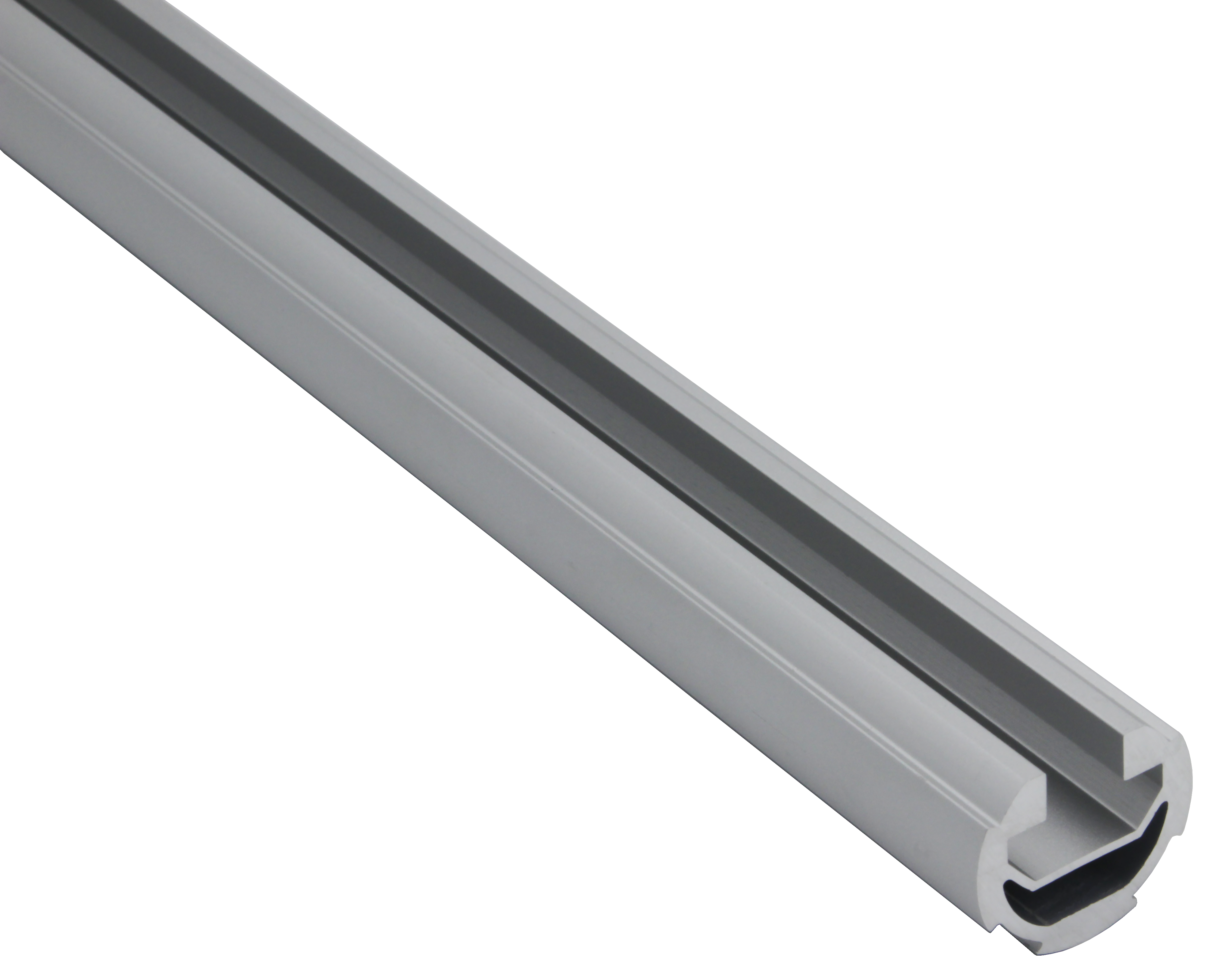
The aluminum pipe opening 10mm is installed into the T-shaped slider, which can be installed with casters or other matching functional parts. The groove can be used for positioning and is used for the track of the roller.
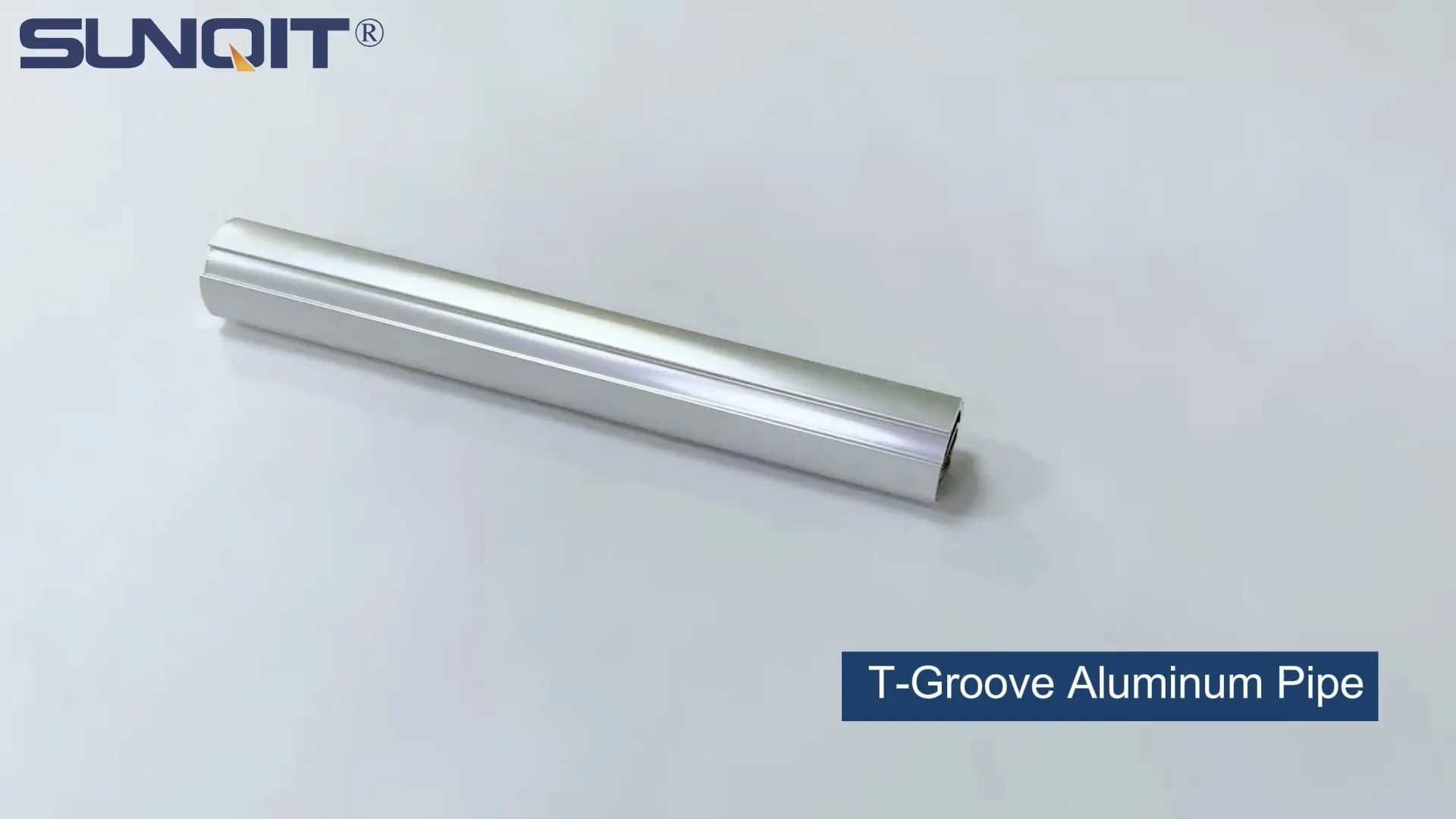
If you've ever walked through a manufacturing plant, visited a warehouse, or even assembled a DIY project at home, chances are you've encountered T-groove aluminum pipe without even realizing it. These versatile components are the unsung heroes of modern industrial design—quietly holding together workbenches, supporting conveyor systems, and organizing materials in racks. But what makes them so reliable? Beyond their structural design, much of their durability and appeal comes down to one critical step: surface treatment. Today, we're diving into two of the most popular options—anodizing and powder coating—to help you understand which finish might be right for your next project.
First, let's get familiar with the star of the show: T-groove aluminum pipe. Part of the broader family of aluminum extrusion profiles, these pipes are created through a process where aluminum alloy is forced through a die to form its distinct T-shaped groove. This groove isn't just for show—it's a genius design feature that allows for easy attachment of aluminum profile accessories, like brackets, connectors, and shelves, without the need for welding or drilling. From small-scale workshops to large factories, T-groove aluminum pipe has become a go-to for anyone who values flexibility, strength, and quick assembly. But raw aluminum, while naturally strong, is also reactive. Without proper treatment, it can corrode, scratch, or fade over time—especially in harsh environments. That's where anodizing and powder coating come in, acting as protective shields that also boost aesthetics. Let's break them down.
What is T-Groove Aluminum Pipe, Anyway?
Before we jump into surface treatments, let's take a closer look at the material itself. T-groove aluminum pipe is a type of aluminum extrusion profile, meaning it's made by pushing heated aluminum billets through a custom die. The result is a lightweight yet sturdy pipe with a longitudinal T-shaped channel (the "groove") running along its length. This groove is the key to its versatility. Unlike traditional pipes that require drilling holes or using adhesives, T-groove pipes let you slide in bolts, nuts, or specialized aluminum profile accessories to attach components on the fly. Need to adjust a workbench height? Swap out a shelf? Add a caster wheel? The T-groove makes it possible in minutes, not hours.
But aluminum, by nature, is a soft metal prone to oxidation. When exposed to air, it forms a thin oxide layer, which offers some protection—but not enough for industrial use. Scratches, moisture, chemicals, and UV rays can all break down this natural layer, leading to corrosion, discoloration, or even structural weakening. That's why surface treatment isn't optional; it's a necessary step to extend the life of your T-groove aluminum pipe and ensure it looks and performs its best for years to come. Now, let's explore the first of our two treatments: anodizing.
Anodizing: The Science of Building a Protective Oxide Layer
How Anodizing Works
Anodizing is like giving your T-groove aluminum pipe a supercharged version of its natural oxide layer. Instead of letting nature take its course, anodizing uses an electrolytic process to intentionally thicken and harden this layer. Here's how it works: The aluminum pipe is submerged in an electrolyte solution (usually sulfuric acid), and an electric current is passed through it. The pipe acts as the anode (hence "anodizing"), causing oxygen ions to form on its surface. These ions bond with the aluminum to create a dense, porous layer of aluminum oxide (Al₂O₃). This layer isn't just stuck on top—it's chemically integrated with the base metal, making it incredibly tough to peel or chip off.
There are different types of anodizing, but the most common for T-groove aluminum pipe is sulfuric acid anodizing, which produces a layer thickness of 5–20 microns. For applications needing extra durability (like parts exposed to heavy wear), hard anodizing can create layers up to 100 microns thick. Once the oxide layer is formed, it can be left natural (a silvery, matte finish) or dyed using organic pigments. The porous structure of the oxide layer soaks up the dye like a sponge, resulting in vibrant, long-lasting colors that won't fade easily.
The Benefits of Anodizing T-Groove Aluminum Pipe
So, why choose anodizing? Let's start with durability. The anodized layer is harder than the base aluminum, making it resistant to scratches, abrasion, and general wear and tear. If you've ever seen an old anodized aluminum part, you might notice it still looks decent—even after years of use—because the color is integrated into the oxide layer, not just painted on. This also means it's less likely to fade in sunlight, making it a great choice for outdoor applications or areas with bright lighting.
Corrosion resistance is another big win. The oxide layer acts as a barrier, preventing moisture and chemicals from reaching the underlying aluminum. In fact, anodized aluminum is often used in marine environments or industrial settings where exposure to water, oils, or mild acids is common. Unlike some coatings, if the anodized layer gets scratched, the aluminum beneath will still form a new oxide layer over time, offering self-healing protection (though not as strong as the original anodized layer).
Aesthetically, anodizing offers a unique, metallic look that many find appealing. The natural finish has a subtle sheen that highlights the texture of the aluminum extrusion profile, while dyed options range from classic blacks and blues to bold reds and golds. And because the color is dyed into the oxide layer, it won't chip or peel like paint—though it can fade slightly if exposed to harsh chemicals or prolonged UV radiation.
Finally, anodizing is environmentally friendly compared to some other treatments. The process uses water-based solutions, and many anodizing facilities recycle their electrolytes. There are no volatile organic compounds (VOCs) released, making it a greener choice for eco-conscious manufacturers.
The Drawbacks of Anodizing
No treatment is perfect, and anodizing has its limitations. One of the biggest is color range. While you can dye anodized aluminum in many hues, the options are still more limited than powder coating, especially when it comes to bright, neon, or custom colors. Dark colors like black or brown are easier to achieve consistently, but lighter shades can be tricky to match across batches.
Cost is another consideration. Anodizing is generally more expensive than powder coating, especially for thicker layers or large quantities. The process is also more time-consuming, involving multiple steps (cleaning, etching, anodizing, dyeing, sealing), which can slow down production timelines. For small projects or tight budgets, this might be a dealbreaker.
Durability-wise, while anodizing is great for abrasion and corrosion, it's not as impact-resistant as powder coating. A heavy impact can still chip or crack the oxide layer, exposing the aluminum underneath. Additionally, anodized surfaces can be more difficult to clean if they're textured, as dirt and grime can get trapped in the pores of the oxide layer.
Powder Coating: A Colorful, Durable Alternative
How Powder Coating Works
If anodizing is the "natural protector" of T-groove aluminum pipe, powder coating is the "colorful bodyguard." Unlike anodizing, which modifies the metal's surface, powder coating applies a dry powder to the aluminum and then cures it to form a hard, protective layer. The process starts with preparing the aluminum: cleaning it to remove oil, dirt, and oxides, then sandblasting or etching to create a rough surface for better adhesion. Next, the powder—made of finely ground particles of resin and pigment—is electrostatically charged and sprayed onto the pipe using a spray gun. The charged powder adheres to the aluminum like a magnet, creating an even coating. Finally, the pipe is baked in an oven at 350–400°F (175–200°C), which melts the powder into a smooth, continuous film that hardens as it cools.
Powder coating comes in two main types: thermoset and thermoplastic. Thermoset powders are the most common; when heated, they chemically cross-link to form a rigid, heat-resistant finish. Thermoplastic powders, on the other hand, melt when heated and solidify when cooled, offering more flexibility but less heat resistance. For T-groove aluminum pipe, thermoset powders are typically preferred for their durability and chemical resistance.
The Benefits of Powder Coating T-Groove Aluminum Pipe
Powder coating's biggest claim to fame is its color versatility. With thousands of shades, finishes (matte, gloss, metallic, textured), and effects (hammer tone, wrinkle, candy), it's the go-to for anyone who wants their T-groove aluminum pipe to stand out. Whether you need a bright red to match your brand colors or a custom camouflage pattern for a military application, powder coating can deliver. And because the powder is applied electrostatically, it coats evenly, even on complex shapes with grooves or crevices—perfect for T-groove aluminum pipe, where the T-shaped channel could be a challenge for other coatings.
Durability is another strong suit. Powder coating creates a thick, uniform layer (typically 20–100 microns) that's highly resistant to impact, chipping, and scratching. Unlike anodizing, which is a thin oxide layer, powder coating acts like a tough plastic shell, making it ideal for high-traffic areas or parts that get moved around frequently (think turnover trolleys or portable workbenches). It's also highly corrosion-resistant, with some formulations designed to withstand salt spray, chemicals, and extreme temperatures—great for outdoor or industrial use.
Cost and speed are where powder coating really shines. It's generally cheaper than anodizing, especially for large batches, because the process is faster and requires less labor. Setup costs are lower, and there's minimal waste—overspray can be collected and reused, reducing material costs. For manufacturers looking to scale production or meet tight deadlines, powder coating is often the more practical choice.
The Drawbacks of Powder Coating
Despite its perks, powder coating has some downsides. One of the main issues is thickness. While the thick layer is great for impact resistance, it can be a problem for precision applications. For example, if you're attaching aluminum profile accessories to T-groove aluminum pipe, a thick powder coat might slightly reduce the fit of bolts or connectors, requiring adjustments. It can also obscure fine details in the aluminum extrusion profile, making the texture of the metal less visible.
Repairability is another concern. If a powder-coated surface gets chipped or scratched, touch-ups are tricky. Unlike anodizing, which is integrated with the metal, powder coating is a separate layer. Small chips can be touched up with paint, but the color match is rarely perfect, and the repair might be noticeable. For large areas of damage, the entire part may need to be stripped and recoated, which is time-consuming and costly.
Environmental impact is a mixed bag. While powder coating doesn't use VOCs (unlike liquid paint), the curing process requires high temperatures, which can consume a lot of energy. Additionally, some powder formulations contain hazardous chemicals, though many eco-friendly options are now available. For companies prioritizing sustainability, this is something to weigh against anodizing's lower energy use.

Anodizing vs. Powder Coating: A Side-by-Side Comparison
| Factor | Anodizing | Powder Coating |
|---|---|---|
| Process | Electrolytic passivation creates a thick oxide layer integrated with the aluminum. | Electrostatic application of dry powder, cured in an oven to form a plastic-like layer. |
| Layer Thickness | 5–100 microns (thinner for standard, thicker for hard anodizing). | 20–100 microns (thicker, more variable). |
| Color Options | Limited (metallic tones, some dyed colors; best for dark shades). | Extensive (thousands of colors, finishes, and effects; bright, custom colors available). |
| Durability | High abrasion and corrosion resistance; lower impact resistance. | High impact and scratch resistance; good corrosion resistance. |
| Cost | Higher (more labor-intensive, slower process). | Lower (faster, less labor, less waste). |
| Maintenance | Easy to clean with mild soap; self-heals minor scratches. | Easy to clean; touch-ups for damage are difficult and often noticeable. |
| Environmental Impact | Low VOCs, water-based process, recyclable electrolytes (greener). | Low VOCs but high energy use for curing; some formulations contain chemicals. |

Choosing the Right Treatment: Key Factors to Consider
Now that we've broken down the pros and cons of anodizing and powder coating, how do you decide which is right for your T-groove aluminum pipe project? Here are the key factors to keep in mind:
Application Environment
Start by thinking about where the T-groove aluminum pipe will be used. If it's indoors, in a clean, dry environment (like an office or lab), either treatment could work—but powder coating might be the more cost-effective choice. If it's outdoors, exposed to rain, UV rays, or salt (like a coastal warehouse), anodizing's superior corrosion and fade resistance might be worth the extra cost. For industrial settings with heavy machinery or frequent impacts (like a manufacturing plant with moving carts), powder coating's impact resistance is probably better.
Aesthetic Needs
Do you need a specific color or finish? If brand consistency requires a bright, custom color, powder coating is the way to go. If you prefer a natural, metallic look that highlights the texture of the aluminum extrusion profile, anodizing is ideal. Keep in mind that anodized colors are more consistent across batches for dark shades, while powder coating can match almost any Pantone color but may have slight variations in sheen.
Budget and Timeline
Powder coating is generally faster and cheaper, making it better for tight budgets or large orders. Anodizing is slower and more expensive, but it offers long-term durability that might save money on replacements down the line. If you're working on a small, high-end project where appearance and longevity are key (like a custom workbench for a premium workshop), anodizing might be worth the investment.
Maintenance Requirements
Consider how much maintenance you're willing to do. Anodized surfaces are low-maintenance—just wipe them down with mild soap and water. Powder-coated surfaces are also easy to clean, but if they get damaged, repairs are more noticeable. If the T-groove aluminum pipe will be in a high-traffic area where scratches are inevitable, powder coating's thicker layer might hide minor damage better, but major chips will be harder to fix.
Real-World Examples: When to Use Which
To make this more concrete, let's look at some real-world scenarios where one treatment might be better than the other.
Example 1: Medical Device Manufacturing Workbench
Medical facilities require surfaces that are easy to clean, corrosion-resistant, and free of contaminants. T-groove aluminum pipe is often used to build workbenches for assembling medical devices. Here, anodizing is the better choice. Its smooth, non-porous surface resists bacteria growth, and its corrosion resistance stands up to frequent cleaning with harsh disinfectants. The natural metallic finish also gives a clean, professional look that fits the sterile environment.
Example 2: Outdoor Retail Display Rack
A retail store wants a durable, eye-catching display rack for outdoor use. Powder coating would be ideal here. It can be colored to match the store's branding (say, a bright blue to stand out), and its thick layer resists scratches from customers handling products. While anodizing is corrosion-resistant, powder coating's impact resistance is better for a rack that might get bumped or moved around. Plus, the lower cost helps the store stay within budget for multiple racks.
Example 3: Aerospace Assembly Line Conveyor
Aerospace manufacturing requires precision, durability, and resistance to oils and chemicals. Conveyor systems built with T-groove aluminum pipe need to withstand constant use and exposure to lubricants. Hard anodizing would be the top pick here. Its thick oxide layer offers exceptional wear resistance, ensuring the conveyor lasts for years even with heavy parts moving across it. The corrosion resistance protects against oils and coolants, and the thin layer doesn't interfere with the precision alignment of the conveyor components.
Caring for Your Treated T-Groove Aluminum Pipe
No matter which treatment you choose, proper maintenance will extend the life of your T-groove aluminum pipe. Here are some tips:
For Anodized Surfaces
- Clean regularly with mild soap and water. Avoid abrasive cleaners or scouring pads, which can scratch the oxide layer.
- Dry thoroughly after cleaning to prevent water spots, especially in humid environments.
- For tough stains, use a soft cloth and a solution of vinegar and water (avoid harsh chemicals like bleach).
- If scratched, apply a thin layer of clear nail polish to the area to prevent corrosion until you can recoat (though recoating anodized aluminum requires stripping the old layer first).
For Powder-Coated Surfaces
- Clean with a soft cloth and mild detergent. Avoid pressure washers, which can chip the coating.
- Remove stains promptly—oil or grease can penetrate the coating over time, causing discoloration.
- For small chips, use a touch-up pen in a matching color (test on a hidden area first to check the match).
- Avoid exposing to extreme temperatures (over 300°F) or harsh chemicals, which can degrade the coating.
Final Thoughts: Anodizing vs. Powder Coating—Which Wins?
At the end of the day, there's no "winner" between anodizing and powder coating—only the best choice for your specific needs. Anodizing is the champion of durability, corrosion resistance, and natural aesthetics, making it ideal for high-end, precision, or harsh-environment applications. Powder coating, on the other hand, is the workhorse of color versatility, cost-effectiveness, and impact resistance, perfect for projects where speed, budget, and bold looks matter most.
As you plan your next project with T-groove aluminum pipe—whether it's a workbench in your garage, a conveyor system in a factory, or a display rack in a store—take the time to assess your environment, budget, and aesthetic goals. Consider the aluminum extrusion profile's intended use, the aluminum profile accessories you'll be attaching, and how much maintenance you're willing to put in. And remember: both treatments are upgrades over raw aluminum, so whichever you choose, you'll be ensuring your T-groove aluminum pipe looks great and lasts longer.
In the world of manufacturing and design, the smallest details make the biggest difference. Surface treatment might seem like an afterthought, but it's the unsung hero that turns a simple aluminum extrusion profile into a reliable, long-lasting component. So go ahead—give your T-groove aluminum pipe the finish it deserves, and watch it stand the test of time.