- Company Articles
- Products and Technology
- Product knowledge
- SUS304 vs SUS316: Choosing the Right 1.2mm Stainless Steel Pipe Grade

SUS304 vs SUS316: Choosing the Right 1.2mm Stainless Steel Pipe Grade
Related Product
1.2mm Stainless Steel Pipe
Stainless steel pipe, lean pipe, diameter is 28mm, material is SS201 or SS304, SS201 is normally used in the market. It knows a KARAKURI, KAIZEN material for industrial plant to improve efficiency, save labor cost, standard management.
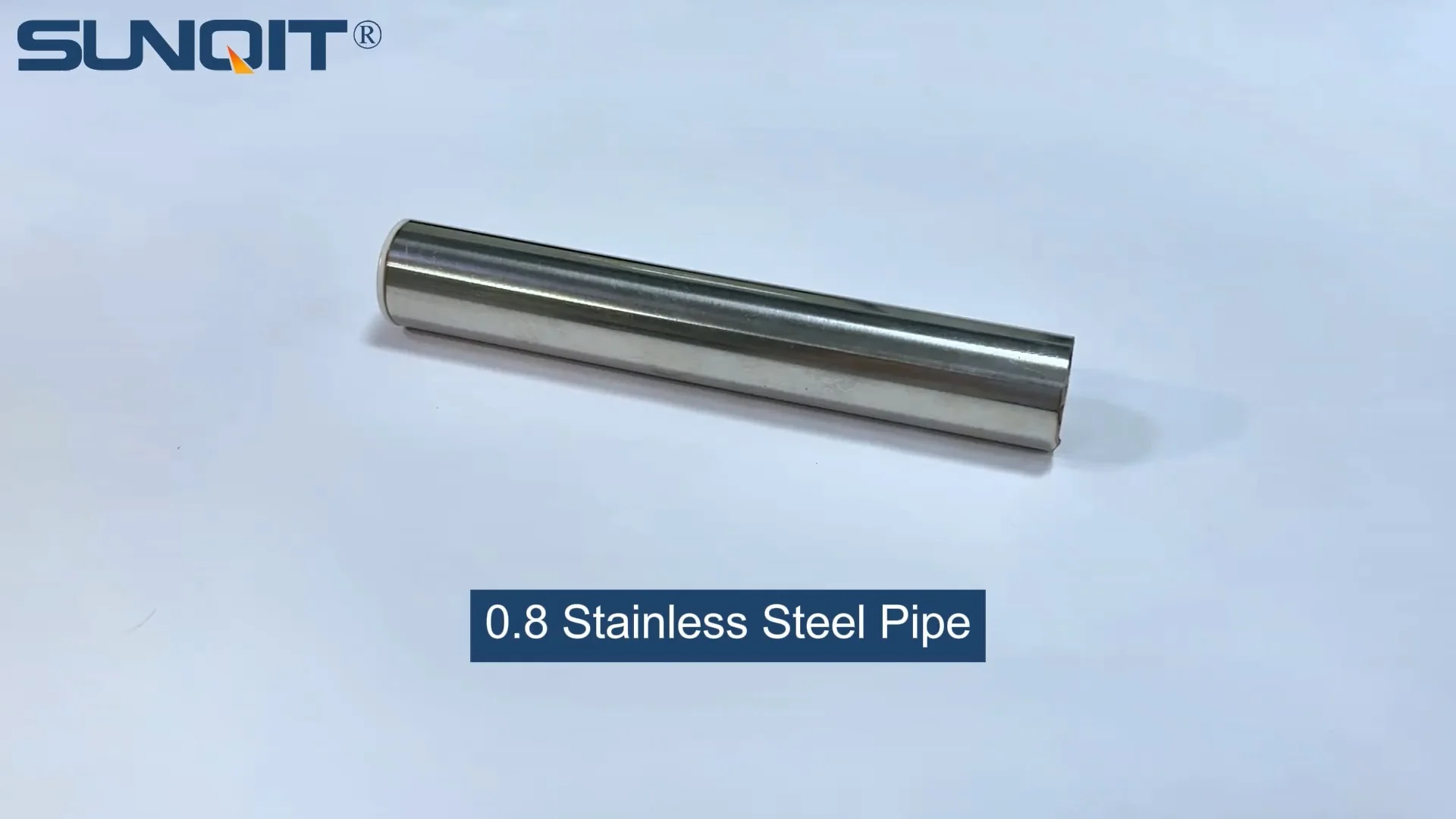
In the world of manufacturing, warehousing, and industrial design, the smallest choices often have the biggest impact. When it comes to building durable, efficient workspaces—whether it's a lean production line, a sturdy workbench, or a smooth-rolling roller track—the materials you select form the backbone of your operations. Among these materials, stainless steel pipes stand out for their strength, versatility, and resistance to wear. But not all stainless steel pipes are created equal. Today, we're diving deep into two of the most widely used grades: SUS304 and SUS316, focusing specifically on the 1.2mm thickness that's become a staple in countless industrial setups. By the end, you'll have a clear understanding of which grade fits your needs, ensuring your projects are built to last without overspending on unnecessary features.
Why 1.2mm Stainless Steel Pipes? The Sweet Spot of Strength and Versatility
Before we jump into the differences between SUS304 and SUS316, let's take a moment to appreciate why 1.2mm stainless steel pipes are so popular. In industrial settings, thickness matters—but so does flexibility. A pipe that's too thick can add unnecessary weight, making it harder to assemble, adjust, or move (think of a turnover trolley that's cumbersome to maneuver). One that's too thin might bend under heavy loads, compromising safety and durability. At 1.2mm, these pipes strike a near-perfect balance: they're strong enough to support tools, parts, and even light machinery on a workbench, yet lightweight enough to be easily configured into custom structures like material racks or roller track frames. This thickness is also ideal for the stainless steel pipe series, as it pairs seamlessly with standard joints, connectors, and accessories, making it a go-to for lean system designers and facility managers alike.
Another reason 1.2mm pipes are a favorite? Their adaptability. Whether you're building a fixed workbench in a factory or a mobile trolley for warehouse inventory, this thickness holds up to daily use without warping or weakening. It's also cost-effective—thicker pipes require more raw material, driving up costs, while 1.2mm offers reliability at a price point that keeps projects on budget. For lean pipe suppliers, this thickness is a workhorse, as it caters to a wide range of client needs, from small-scale workshops to large manufacturing plants.
SUS304 Stainless Steel Pipe: The Reliable All-Rounder
If SUS304 had a nickname, it would be "the everyday hero" of stainless steel. Chances are, you've interacted with SUS304 more times than you realize: it's in your kitchen sink, your coffee maker, and yes, the workbench in your local repair shop. What makes it so ubiquitous? Let's break down its composition and properties.
Composition: The Basics of SUS304
SUS304 is part of the austenitic stainless steel family, known for its non-magnetic properties and excellent formability. Its chemical makeup is straightforward but effective: roughly 18% chromium and 8% nickel (hence the nickname "18/8 stainless steel"). Chromium is the star here—it reacts with oxygen to form a thin, invisible layer of chromium oxide on the pipe's surface. This layer acts like a shield, preventing rust and corrosion from taking hold. The nickel adds ductility, making the pipe easy to bend, weld, or cut without cracking—essential for custom projects where you need to shape the pipe to fit specific dimensions, like a roller track with unique angles.
Performance: Where SUS304 Shines
In most dry or mildly humid environments, SUS304 is nearly unbeatable. It resists corrosion from water, mild acids (like vinegar), and everyday spills—think motor oil or cleaning solutions on a workshop workbench. Its tensile strength (around 505 MPa) and yield strength (215 MPa) make it more than capable of handling static loads, such as shelving units holding boxes of parts, or dynamic loads like a conveyor belt gently moving components. It also stands up well to temperatures between -270°C and 870°C, which is more than enough for indoor industrial settings where heat sources are limited.
One of SUS304's biggest advantages is its affordability. Since it contains less nickel than SUS316 and no molybdenum (a costly alloying element we'll discuss later), it's typically 20-30% cheaper. For projects where extreme corrosion resistance isn't a priority, this cost savings adds up quickly—especially if you're buying in bulk, like a lean pipe supplier fulfilling a large order for a new production line.
Common Uses for 1.2mm SUS304 Pipes
SUS304 1.2mm pipes thrive in environments where "good enough" is actually "great." Here are a few scenarios where they're the top choice:
- General Workbenches & Shelving: In workshops, labs, or warehouses with controlled indoor conditions, SUS304 pipes form sturdy frames for workbenches and material racks. They resist scratches, dents, and the occasional spill of water or non-corrosive chemicals.
- Lean Manufacturing Systems: From assembly line structures to turnover trolleys, SUS304's lightweight strength makes it easy to build and reconfigure lean systems, a key goal for facilities aiming to maximize efficiency.
- Food Processing (Dry Environments): In bakeries or dry food packaging plants, where moisture is minimal, SUS304 pipes are a hygienic, cost-effective choice for conveying systems or storage racks.
- Indoor Roller Tracks: For moving boxes or parts within a warehouse or factory, SUS304 roller track frames hold up to daily use without rusting, as long as the area is kept dry.

SUS316 Stainless Steel Pipe: The Corrosion-Resistant Specialist
If SUS304 is the everyday hero, SUS316 is the specialist called in for the tough jobs. It's often referred to as "marine-grade stainless steel," and for good reason: it laughs in the face of saltwater, chemicals, and harsh weather. But what makes it so much more resilient than SUS304? Let's dig in.
Composition: The Secret Weapon of SUS316
Like SUS304, SUS316 is austenitic, but its composition gets a power boost with the addition of molybdenum—typically 2-3% by weight. Molybdenum is like a supercharger for corrosion resistance: it helps the chromium oxide layer repair itself more effectively, even when exposed to chloride ions, which are the arch-nemesis of most stainless steels. SUS316 also has a slightly higher nickel content (around 10%) compared to SUS304, which enhances its toughness and resistance to pitting corrosion (small, localized holes caused by chemical attack).
Performance: When the Going Gets Tough
The molybdenum in SUS316 makes it virtually impervious to many harsh substances that would eat away at SUS304. Chlorides, in particular, are no match—think saltwater, brine, or cleaning solutions with high chlorine content. This makes SUS316 ideal for coastal environments, chemical plants, or any setting where moisture and corrosive agents are present. It also has better resistance to sulfuric acid, acetic acid, and other organic acids, which is why it's a staple in the pharmaceutical and food processing industries (especially for wet or acidic products like pickles or citrus juices).
Strength-wise, SUS316 is comparable to SUS304, with a tensile strength of around 520 MPa and yield strength of 220 MPa. It's slightly less formable than SUS304 due to its higher alloy content, but for most industrial applications—like building a heavy-duty workbench or a roller track in a humid facility—this difference is negligible. The trade-off for its superior corrosion resistance? Cost. SUS316 is pricier than SUS304, thanks to the molybdenum and extra nickel, but in environments where corrosion could lead to equipment failure or safety risks, it's an investment that pays off in longevity.
Common Uses for 1.2mm SUS316 Pipes
SUS316 1.2mm pipes are reserved for projects where corrosion resistance is non-negotiable. Here are the scenarios where they're worth the extra cost:
- Marine & Coastal Applications: From dockside roller tracks to shipboard storage racks, SUS316 stands up to salt spray and humidity that would quickly rust SUS304.
- Chemical & Pharmaceutical Plants: Facilities handling acids, solvents, or corrosive gases rely on SUS316 for workbenches, material racks, and conveyor systems to prevent contamination and equipment failure.
- Wet Food Processing: In seafood plants, dairy facilities, or breweries, where water, salt, and organic acids are abundant, SUS316 pipes resist pitting and maintain hygiene standards.
- Outdoor or Humid Indoor Environments: Greenhouses, car washes, or factories with high moisture levels (like textile mills) benefit from SUS316's ability to withstand constant dampness without rusting.

SUS304 vs SUS316: Head-to-Head Comparison
To make the choice clearer, let's put SUS304 and SUS316 side by side. The table below breaks down their key differences, so you can see at a glance which grade aligns with your project's needs.
| Feature | SUS304 (1.2mm) | SUS316 (1.2mm) |
|---|---|---|
| Composition | 18% chromium, 8% nickel, no molybdenum | 16% chromium, 10% nickel, 2-3% molybdenum |
| Corrosion Resistance | Good in dry/mildly humid environments; vulnerable to chlorides and strong acids | Excellent in chloride-rich, acidic, or humid environments; resists pitting and crevice corrosion |
| Strength | Tensile: ~505 MPa; Yield: ~215 MPa | Tensile: ~520 MPa; Yield: ~220 MPa (slightly stronger) |
| Formability | Highly formable; easy to bend, weld, and cut | Slightly less formable due to higher alloy content, but still workable for most industrial uses |
| Cost | More affordable (20-30% cheaper than SUS316) | More expensive due to molybdenum and extra nickel |
| Best For | Indoor workbenches, dry lean systems, general manufacturing | Coastal/marine settings, chemical plants, wet food processing, humid environments |
How to Choose: 5 Key Factors to Consider
Now that you know the basics of SUS304 and SUS316, how do you decide which is right for your 1.2mm stainless steel pipe project? Here are the critical questions to ask:
1. What's the Environment Like?
Start with the basics: Is the pipe going to be indoors or outdoors? Will it be exposed to moisture, salt, chemicals, or high humidity? If your workspace is dry and free of corrosive substances (like a standard workshop), SUS304 will serve you well. If you're near the coast, handle acidic materials, or work in a wet environment (like a car wash), SUS316 is non-negotiable—corrosion here could lead to safety risks or frequent replacements, costing more in the long run.
2. What Load Will the Pipe Bear?
While both grades have similar strength, if your project involves extremely heavy loads (e.g., a workbench supporting industrial machinery), the slight edge in tensile strength of SUS316 might be worth considering. However, for most standard applications—like roller tracks, shelving, or lightweight trolleys—SUS304's strength is more than sufficient.
3. What's Your Budget?
Cost is always a factor. If your environment doesn't demand SUS316's corrosion resistance, choosing SUS304 can save you 20-30% on material costs. For large projects—say, outfitting an entire factory with workbenches and roller tracks—this difference adds up significantly. A reputable lean pipe supplier can help you calculate the cost-benefit ratio, ensuring you don't overspend on features you don't need.
4. Are There Regulatory Requirements?
Certain industries have strict standards for materials. For example, the food processing industry often requires stainless steel that resists corrosion to prevent contamination, which might mandate SUS316 in wet areas. Similarly, pharmaceutical plants may need SUS316 to comply with GMP (Good Manufacturing Practices) guidelines. Always check local regulations or industry standards before choosing a grade.
5. How Long Do You Need the Structure to Last?
If you're building a temporary structure or expect to reconfigure your workspace in a few years, SUS304 might be sufficient. But for long-term investments—like a permanent production line or a workbench that will see decades of use—SUS316's durability in harsh environments can extend the lifespan of your setup, reducing replacement costs over time.
Real-World Example: Choosing Between SUS304 and SUS316 for a Beverage Factory
Let's say you're a facility manager at a beverage factory. You need to build two structures: a dry storage rack for canned soda (indoors, low humidity) and a roller track for moving bottles through a washing station (constantly wet, with cleaning solutions containing chlorine). For the dry storage rack, SUS304 1.2mm pipes are ideal—they're strong enough to hold the cans, affordable, and won't corrode in a dry environment. For the roller track near the washing station, though, SUS316 is a must: the constant moisture and chlorine would quickly pit and rust SUS304, leading to jams, downtime, and potential contamination. By mixing grades based on each structure's needs, you balance performance and cost.
Sourcing Your 1.2mm Stainless Steel Pipes: Tips for Working with a Lean Pipe Supplier
Once you've decided between SUS304 and SUS316, the next step is finding a reliable lean pipe supplier. A good supplier isn't just a vendor—they're a partner who can help you optimize your project. Here's what to look for:
1. Range of Grades and Accessories
Choose a supplier that stocks both SUS304 and SUS316 1.2mm pipes, along with compatible accessories like joints, casters, and roller track components. This ensures consistency in quality and reduces the hassle of sourcing parts from multiple vendors.
2. Custom Cutting and Fabrication
Many projects require pipes cut to specific lengths. A supplier that offers custom cutting saves you time and reduces waste, as you won't have to trim pipes yourself. Some suppliers even offer pre-assembled components, like workbench frames or roller track sections, to speed up installation.
3. Quality Assurance
Ask about material certifications. Reputable suppliers will provide test reports confirming the grade (SUS304 or SUS316) and thickness (1.2mm) of their pipes, ensuring you're getting what you paid for. This is especially important for industries with strict regulatory requirements.
4. Technical Support
A great lean pipe supplier will have knowledgeable staff who can answer questions about grade selection, load capacities, or assembly techniques. If you're unsure whether SUS304 or SUS316 is right for a specific application, they should be able to guide you based on their experience working with similar projects.
Conclusion: Invest in the Right Grade for Long-Term Success
Choosing between SUS304 and SUS316 1.2mm stainless steel pipes isn't just about picking a material—it's about ensuring your industrial structures are safe, efficient, and cost-effective. SUS304 is the reliable, budget-friendly choice for dry, indoor environments, while SUS316 is the corrosion-resistant specialist for harsh, wet, or chemical-heavy settings. By evaluating your environment, load requirements, budget, and regulations, you can make an informed decision that balances performance and cost.
Remember, the best projects start with the right materials. Whether you're building a simple workbench or a complex lean manufacturing system, partnering with a trusted lean pipe supplier and choosing the right stainless steel grade will ensure your setup stands the test of time. After all, in industrial design, durability isn't just a feature—it's the foundation of success.