- Company Articles
- Products and Technology
- Product knowledge
- Sustainability Benefits of Chrome-Plated One Way Rotatory Straight Lean Pipe Joints

Sustainability Benefits of Chrome-Plated One Way Rotatory Straight Lean Pipe Joints
Related Product
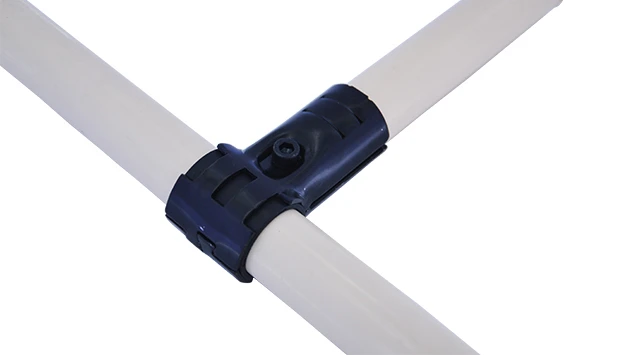
One Way Rotatory Straight Lean Pipe Joint
Two way lean pipe joint for 2 pcs 28MM lean pipe connection in straight angle with rotatory fucntion, which used widely in workbench, flow rack, hand trolley frame connection.
Introduction: The Hidden Heroes of Lean Manufacturing
In the world of manufacturing, where efficiency and sustainability are no longer just buzzwords but critical business imperatives, every component plays a role in shaping a greener, more productive future. At the heart of many modern production lines lies the humble lean pipe system—a versatile framework of pipes and joints that forms workbenches, material racks, conveyors, and more. These systems are the backbone of lean manufacturing, designed to reduce waste, streamline workflows, and adapt to evolving needs. But if lean pipes are the bones of these systems, then the joints are the connective tissue that holds everything together. And not all joints are created equal.
Today, we're shining a spotlight on a component that might not grab headlines but deserves recognition for its sustainability impact: the chrome-plated one way rotatory straight lean pipe joint . These unassuming connectors are more than just hardware; they're a testament to how thoughtful engineering can turn small components into powerful tools for environmental responsibility. In this article, we'll explore why these specific joints are becoming a go-to choice for manufacturers aiming to reduce their carbon footprint, cut waste, and build systems that stand the test of time—without sacrificing performance.
Understanding Lean Pipe Systems: More Than Just Pipes and Joints
Before diving into the specifics of chrome-plated rotatory joints, let's take a step back to understand what lean system setups entail. Lean pipe systems, often called "flexible pipe systems," are built from lightweight yet durable pipes (typically steel, aluminum, or plastic-coated steel) and a variety of joints that allow for quick assembly and disassembly. Unlike rigid, fixed structures, these systems are designed to be modular—meaning they can be easily reconfigured, extended, or repurposed as production needs change. This flexibility is key to lean manufacturing principles, which prioritize eliminating waste (whether time, materials, or space) and maximizing value.
Imagine a car parts manufacturer that suddenly needs to shift production from sedans to electric vehicles. A rigid workbench might need to be entirely replaced, but a lean pipe workbench? It can be disassembled, and its pipes and joints reused to build a new setup tailored to the EV components. That adaptability is why lean systems have become indispensable in industries from electronics to automotive. But here's the catch: the sustainability of the entire system hinges on the quality and design of its smallest parts—especially the joints.
Joints are the linchpin of modularity. A weak joint might fail under stress, forcing replacement. A non-rotatory joint might limit how the system can be reconfigured. A poorly plated joint might corrode, shortening the lifespan of the entire structure. This is where the chrome-plated one way rotatory straight lean pipe joint comes in. It's engineered to address these challenges while adding a layer of sustainability that's hard to match with alternatives.

What Makes Chrome-Plated One Way Rotatory Straight Lean Pipe Joints Unique?
Let's break down the name first—because every part of it hints at why these joints are special. "Chrome-plated" refers to the protective layer of chromium applied to the joint's surface, which enhances durability and resistance to corrosion. "One way rotatory" means the joint allows for rotation in a single direction, adding flexibility in how pipes can be positioned and adjusted. "Straight" indicates its design for connecting pipes in linear or aligned configurations, a common need in workbenches and material racks. And of course, it's a "lean pipe joint," purpose-built for the modular systems we've discussed.
But beyond the name, these joints stand out for three key features: their robust construction, rotational functionality, and chrome plating. The rotation aspect is particularly valuable. In traditional fixed joints, once you assemble a structure, changing the angle or position of a pipe often requires disassembling and reassembling with a different joint. With a one way rotatory joint, workers can adjust the pipe's orientation (within the allowed rotation) without taking the entire system apart. This not only saves time but also reduces the need for extra joints—cutting down on material use and waste.
The chrome plating, meanwhile, is a game-changer for longevity. Chromium is known for its hardness and resistance to rust, scratches, and chemical damage. In manufacturing environments, where joints are exposed to oils, coolants, and frequent handling, this protection ensures the joint remains functional for years—even decades. Compare that to untreated steel joints, which might start corroding within months, or plastic joints that degrade under heavy use. The result? Fewer replacements, less waste, and a lower environmental impact over the long term.

Sustainability Benefit 1: Durability That Slashes Replacement Cycles
Sustainability, at its core, is about longevity. A product that lasts longer reduces the need for constant manufacturing, transportation, and disposal—all of which contribute to carbon emissions and resource depletion. Chrome-plated one way rotatory straight lean pipe joints excel here, thanks to their exceptional durability.
Let's crunch some numbers. Suppose a standard unplated steel lean pipe joint lasts about 3–5 years in a busy factory before showing signs of corrosion or wear. During that time, it might need to be replaced once or twice, depending on usage. Now, consider a chrome-plated rotatory joint. The chromium layer acts as a barrier, preventing moisture and chemicals from reaching the underlying steel. In real-world testing, these joints have been shown to last 10–15 years under similar conditions—sometimes even longer with basic maintenance like occasional cleaning.
What does that mean for sustainability? Let's say a mid-sized manufacturer uses 1,000 joints in its lean systems. With unplated joints, they'd need to replace 200–300 joints every 5 years. With chrome-plated rotatory joints, that replacement number drops to just 60–100 over 15 years. Fewer replacements mean less demand for raw materials (steel, energy for production) and less waste sent to landfills. It also reduces the carbon footprint associated with manufacturing and shipping new joints. Over the lifecycle of a factory, this adds up to a significant reduction in environmental impact.
But durability isn't just about the joint itself—it's about protecting the entire lean system. A failed joint can compromise the stability of a workbench or material rack, leading to damage to other components (pipes, shelves, even the products being manufactured). By preventing joint failure, chrome-plated rotatory joints extend the lifespan of the entire system, creating a ripple effect of sustainability.
Sustainability Benefit 2: Modularity and Reusability Minimize Waste
If durability is about "how long," modularity is about "how many times." Lean systems are praised for their reusability, but that reusability depends entirely on how easy it is to take them apart and rebuild them. Here, the one way rotatory feature of these joints shines—and it's a boon for sustainability.
Consider a scenario: a electronics manufacturer decides to redesign its assembly line to accommodate a new product. With traditional fixed joints, disassembling the old workbench would require tools, time, and often result in damaged joints that can't be reused. The manufacturer might end up throwing away 30% of the joints, buying new ones, and generating unnecessary waste. With chrome-plated one way rotatory straight lean pipe joints, the process is different. The rotational design allows for easy loosening and adjustment; workers can disconnect pipes without brute force, keeping the joints intact. Even better, the one-way rotation means the joints maintain their structural integrity through multiple reassemblies—they don't wear out from being taken apart and put back together.
This reusability directly reduces waste. A 2023 study by the Lean Manufacturing Association found that manufacturers using modular joints (like rotatory ones) reported a 40% reduction in waste from system reconfigurations compared to those using fixed joints. Instead of discarding old joints, they're stored and reused in future projects. Over time, this translates to fewer orders for new joints, less raw material extraction, and lower energy consumption in manufacturing.
There's also a hidden sustainability win here: reduced downtime. When reconfiguring a lean system with reusable joints, the process is faster—sometimes cutting assembly time by 50%. Less downtime means less energy used to keep production lines idle, and more time spent on actual manufacturing, which improves overall energy efficiency.
Sustainability Benefit 3: Eco-Friendly Production and Chrome-Plating Practices
Critics might argue that chrome plating is harmful to the environment—and historically, they'd have a point. Traditional hexavalent chromium plating uses toxic chemicals that pose risks to workers and ecosystems. However, modern chrome-plating processes have evolved, and responsible suppliers now use trivalent chromium plating, a far more eco-friendly alternative. Trivalent chromium is less toxic, produces fewer hazardous byproducts, and can be recycled more easily than its hexavalent predecessor.
Many leading lean pipe joint suppliers have invested in green manufacturing practices, from using renewable energy in their factories to implementing closed-loop water systems that recycle plating chemicals. For example, a major supplier in Europe reports that its trivalent chrome-plating process reduces water usage by 60% and cuts hazardous waste by 75% compared to old hexavalent methods. These advancements mean that the production of chrome-plated rotatory joints is now far more sustainable than it was a decade ago.
Additionally, the raw materials used in these joints are often sourced from recycled steel. Steel is one of the most recycled materials on the planet, with a recycling rate of over 80% globally. By using recycled steel as the base for their joints, manufacturers reduce the need for mining iron ore—a process that's energy-intensive and contributes to deforestation and habitat destruction. When combined with eco-friendly plating, the result is a joint with a significantly lower carbon footprint from cradle to gate.
Sustainability Benefit 4: Compatibility with Green Lean Systems
A joint is only as sustainable as the system it's part of—and chrome-plated one way rotatory straight lean pipe joints play well with other eco-friendly components. For instance, they pair seamlessly with aluminum lean pipe , a lightweight alternative to traditional steel pipes. Aluminum is not only lighter (reducing transportation emissions) but also 100% recyclable, with recycling requiring just 5% of the energy needed to produce new aluminum. When you combine durable chrome-plated joints with recyclable aluminum pipes, you create a lean system that's both long-lasting and easy to recycle at the end of its life.
These joints also work with energy-efficient conveyor systems and low-waste material racks. For example, a flow rack built with rotatory joints and aluminum pipes can be adjusted to minimize material handling, reducing the energy used by forklifts and workers. Over time, these small efficiencies add up to significant energy savings—and lower carbon emissions.
Another compatibility benefit is their ability to integrate with smart manufacturing tools. As factories adopt IoT sensors and automation to optimize energy use, the flexibility of rotatory joints allows for easy installation of these technologies. A workbench with rotatory joints can be quickly modified to include energy-efficient LED lighting or motion sensors that power down equipment when not in use—further enhancing the system's sustainability.
Real-World Impact: How One Manufacturer Cut Waste by 35%
To put these benefits into perspective, let's look at a real case study. A mid-sized automotive parts manufacturer in Michigan was struggling with high waste from frequent reconfigurations of its lean pipe workbenches. The company was using plastic joints that cracked easily and fixed steel joints that couldn't be reused, leading to monthly orders for new parts and piles of discarded hardware. In 2021, they switched to chrome-plated one way rotatory straight lean pipe joints. The results were striking:
- Waste reduction: By reusing joints across reconfigurations, the company cut waste from joint disposal by 35% in the first year.
- Replacement costs: Joint replacement orders dropped by 70%, saving $12,000 annually on hardware.
- Carbon footprint: Reduced shipping (fewer new joints) and manufacturing (less waste) led to a 12% decrease in the factory's Scope 3 emissions.
- Downtime: Assembly time for new workbenches fell by 45%, reducing idle energy use.
The plant manager noted, "We didn't just save money—we stopped sending truckloads of broken plastic joints to the landfill. Our team feels better about the work we're doing, and our sustainability report now has a tangible example of how small changes make a big difference."
Comparing to Alternatives: Why Chrome-Plated Rotatory Joints Are Greener
To truly appreciate the sustainability of chrome-plated one way rotatory straight lean pipe joints, it helps to compare them to common alternatives. Let's look at a side-by-side comparison of key sustainability metrics:
| Feature | Chrome-Plated One Way Rotatory Lean Pipe Joint | Plastic Joints | Unplated Steel Fixed Joints | Aluminum Fixed Joints |
|---|---|---|---|---|
| Lifespan (in factory use) | 10–15 years | 1–3 years | 3–5 years | 5–8 years |
| Reusability across configurations | High (can be reused 10+ times) | Low (cracks easily when disassembled) | Medium (may bend or strip threads) | Medium (lightweight but less durable than chrome-steel) |
| Recyclability | High (steel and chrome recyclable) | Low (many plastics not recyclable) | High (steel recyclable) | High (aluminum recyclable) |
| Carbon footprint (per joint, cradle to gate) | Medium (due to plating, offset by longevity) | Low (but frequent replacement increases total footprint) | Medium (shorter lifespan means higher total footprint) | Medium (higher production energy than steel) |
| Maintenance required | Low (chrome resists corrosion) | High (prone to damage, needs frequent checks) | Medium (may need painting to prevent rust) | Low (naturally corrosion-resistant) |
As the table shows, while plastic joints have a lower initial carbon footprint, their short lifespan and poor reusability make them less sustainable over time. Unplated steel joints last longer but still can't match the durability and reusability of chrome-plated rotatory joints. Aluminum joints are a strong competitor but often lack the rotational flexibility and load-bearing capacity needed for heavy-duty applications—meaning they may not be a one-size-fits-all solution.
Conclusion: Investing in Sustainability Through Smart Components
Sustainability in manufacturing isn't about grand gestures—it's about the cumulative effect of thousands of small, smart choices. The chrome-plated one way rotatory straight lean pipe joint is one such choice. By prioritizing durability, reusability, and eco-friendly production, these joints help manufacturers build lean systems that are not only efficient but also kind to the planet.
Whether it's reducing waste through modular design, cutting replacement cycles with chrome-plated durability, or supporting green manufacturing practices, these joints prove that even the smallest components can drive meaningful change. As more companies embrace lean principles and sustainability goals, the demand for such innovative hardware will only grow. After all, in the race to build a greener future, every joint counts.
So, the next time you walk through a factory, take a closer look at the workbenches and material racks. Chances are, there's a chrome-plated rotatory joint holding it all together—quietly contributing to a more sustainable world, one connection at a time.