- Company Articles
- Products and Technology
- Product knowledge
- Sustainability Benefits of Lean Pipe Clamp Chrome: Reusability & Eco-Friendliness

Sustainability Benefits of Lean Pipe Clamp Chrome: Reusability & Eco-Friendliness
Related Product
Lean Pipe Clamp Chrome
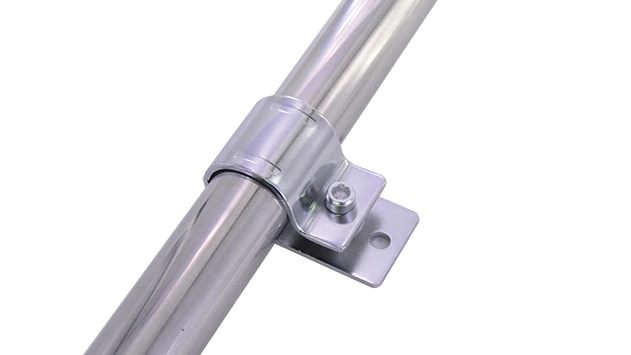
Lean pipe clamp is used for rack system hang monitor or other panel for workbenck, flowrack in production daily use.
In today's world, where "sustainability" has shifted from a buzzword to a business imperative, every industry is rethinking its practices—especially manufacturing. Factories, warehouses, and production lines are massive contributors to global waste, from excess materials to short-lived equipment that ends up in landfills. But what if the tools we use to build these spaces could be part of the solution, not the problem? Enter
lean pipe clamp chrome
—a humble yet powerful component that's quietly revolutionizing how businesses approach sustainability, one workbench, flow rack, and conveyor at a time.
What Even Is Lean Pipe Clamp Chrome, Anyway?
Let's start with the basics. If you've ever walked through a well-organized factory floor, you've probably seen it without realizing: modular workbenches that adjust to different tasks, flow racks that move materials smoothly, or turnover trolleys that glide from station to station. These structures are often built using a system of pipes and connectors—and at the heart of that system are
lean pipe clamp chrome
components.
Think of them as the "building blocks" of flexible manufacturing. These clamps are designed to connect pipes (like aluminum or steel) securely, but here's the kicker: they're not permanent. Unlike welded joints or glued connections, these chrome-plated clamps twist, lock, and release with minimal effort. They're part of a broader family of lean pipe and accessories that includes everything from end caps to joint connectors, all working together to create customizable, adaptable structures.
But why chrome? Chrome plating adds durability—resisting rust, scratches, and the wear and tear of daily use—while keeping the clamps lightweight. This combination of strength and flexibility is what makes them stand out in the world of industrial components.
Think of them as the "building blocks" of flexible manufacturing. These clamps are designed to connect pipes (like aluminum or steel) securely, but here's the kicker: they're not permanent. Unlike welded joints or glued connections, these chrome-plated clamps twist, lock, and release with minimal effort. They're part of a broader family of lean pipe and accessories that includes everything from end caps to joint connectors, all working together to create customizable, adaptable structures.
But why chrome? Chrome plating adds durability—resisting rust, scratches, and the wear and tear of daily use—while keeping the clamps lightweight. This combination of strength and flexibility is what makes them stand out in the world of industrial components.
Reusability: The Secret Sauce of Sustainability
Here's the truth about sustainability in manufacturing: it's not just about using "green" materials. It's about making things that last—and when they're no longer needed, can be repurposed instead of replaced. That's where
lean pipe clamp chrome
truly shines: reusability is baked into its design.
Let's say a company builds a workbench using these clamps and aluminum pipes. Six months later, they need to expand production and require a longer work surface. With traditional welded workbenches, that old bench would likely be stripped down, the metal sold for scrap (if lucky), and a new one built from scratch—wasting materials, time, and energy. But with lean pipe clamps? They simply loosen the clamps, adjust the pipe lengths, add a few extra sections, and tighten them back up. The same clamps, pipes, and even accessories (like casters or side guards) get a second life.
It's not just about workbenches, either. A flow rack used for small parts today can be disassembled and rebuilt into a turnover trolley tomorrow. A conveyor system for boxes can become a material rack next month. This modularity means businesses rarely need to buy entirely new structures. Instead, they reuse what they already have—a practice that slashes both costs and waste.
Let's say a company builds a workbench using these clamps and aluminum pipes. Six months later, they need to expand production and require a longer work surface. With traditional welded workbenches, that old bench would likely be stripped down, the metal sold for scrap (if lucky), and a new one built from scratch—wasting materials, time, and energy. But with lean pipe clamps? They simply loosen the clamps, adjust the pipe lengths, add a few extra sections, and tighten them back up. The same clamps, pipes, and even accessories (like casters or side guards) get a second life.
It's not just about workbenches, either. A flow rack used for small parts today can be disassembled and rebuilt into a turnover trolley tomorrow. A conveyor system for boxes can become a material rack next month. This modularity means businesses rarely need to buy entirely new structures. Instead, they reuse what they already have—a practice that slashes both costs and waste.

Eco-Friendly by Design: More Than Just "Greenwashing"
Reusability is a big part of the sustainability story, but
lean pipe clamp chrome
doesn't stop there. Let's talk materials. These clamps are typically made from high-quality steel, then coated in chrome. While chrome might sound industrial, modern chrome plating processes are far more eco-conscious than in the past—using less water, reducing toxic byproducts, and focusing on durability. A chrome coating ensures the clamps resist corrosion, even in damp or dusty factory environments, so they last for years (or decades) instead of needing replacement every few months.
And when paired with aluminum extrusion profile pipes—another sustainable star—this system becomes even greener. Aluminum is infinitely recyclable, meaning even if a pipe does wear out, it can be melted down and repurposed without losing quality. Combine that with clamps that outlive multiple pipe iterations, and you've got a setup that minimizes raw material extraction and waste.
And when paired with aluminum extrusion profile pipes—another sustainable star—this system becomes even greener. Aluminum is infinitely recyclable, meaning even if a pipe does wear out, it can be melted down and repurposed without losing quality. Combine that with clamps that outlive multiple pipe iterations, and you've got a setup that minimizes raw material extraction and waste.
Why This Matters for Lean Systems
If you're familiar with
lean system
principles, you know the goal is to eliminate waste—whether it's time, materials, or energy. Traditional manufacturing setups often work against this: fixed workbenches that can't adapt to new products, rigid flow racks that slow down material movement, or custom-built structures that become obsolete when production needs change. All of this leads to "waste" in the form of unused equipment, rushed replacements, and excess inventory.
Lean pipe clamp chrome flips the script. By making it easy to reconfigure, disassemble, and reuse components, it aligns perfectly with lean ideals. Need to shift from assembling small electronics to larger appliances? Take apart the old workbench, swap in longer aluminum pipes, and rebuild. No need to order a brand-new bench or throw away the old one. This flexibility doesn't just save money—it reduces the carbon footprint of manufacturing by cutting down on the production and transportation of new equipment.
It also supports a circular economy. Instead of a "use-and-discard" model, businesses can create a closed loop: components are reused, repaired, or recycled, keeping materials in play for as long as possible. For example, a lean pipe clamp that's been used on a flow rack for five years can be cleaned, re-chromed if needed, and used on a conveyor system for another five. That's a far cry from plastic connectors that crack after a year or welded joints that end up as scrap.
Lean pipe clamp chrome flips the script. By making it easy to reconfigure, disassemble, and reuse components, it aligns perfectly with lean ideals. Need to shift from assembling small electronics to larger appliances? Take apart the old workbench, swap in longer aluminum pipes, and rebuild. No need to order a brand-new bench or throw away the old one. This flexibility doesn't just save money—it reduces the carbon footprint of manufacturing by cutting down on the production and transportation of new equipment.
It also supports a circular economy. Instead of a "use-and-discard" model, businesses can create a closed loop: components are reused, repaired, or recycled, keeping materials in play for as long as possible. For example, a lean pipe clamp that's been used on a flow rack for five years can be cleaned, re-chromed if needed, and used on a conveyor system for another five. That's a far cry from plastic connectors that crack after a year or welded joints that end up as scrap.
Comparing the Numbers: Lean Pipe Clamp Chrome vs. Traditional Alternatives
Let's get practical. How much of a difference does this really make? Let's break it down with a quick comparison between lean pipe clamp chrome systems and traditional fixed structures:
| Metric | Traditional Fixed Structures (Welded/Glued) | Lean Pipe Clamp Chrome + Aluminum Extrusion Profile |
|---|---|---|
| Lifespan | 3–5 years (often becomes obsolete before wearing out) | 10–15+ years (clamps and pipes can be reused/reconfigured) |
| Material Waste | High: 20–30% of materials are wasted in custom builds; entire structure discarded when unused | Low: <5% waste in assembly; 90%+ of components reused or recycled |
| Carbon Footprint (per structure) | Higher: Includes manufacturing new materials, welding energy, and disposal emissions | Lower: Reuses existing components; reduces need for new production |
| Adaptability Cost | High: Requires purchasing new structures or hiring welders for modifications | Low: Reconfiguration takes hours, not days; no new materials needed |
These numbers tell a clear story: lean pipe clamp chrome systems aren't just "sustainable" in theory—they deliver tangible, measurable benefits for both the planet and the bottom line. And as businesses face increasing pressure to reduce their environmental impact (from customers, regulators, and even investors), these small components are becoming a big part of the solution.
The Future of Sustainable Manufacturing: Small Parts, Big Impact
It's easy to overlook components like
lean pipe clamp chrome
when talking about sustainability. After all, they're small, unassuming, and rarely in the spotlight. But in manufacturing, it's often the "small parts" that add up to big change. A single factory might use hundreds (or thousands) of these clamps across its workbenches, flow racks, and conveyors. Multiply that by thousands of factories worldwide, and the collective impact on waste reduction and resource conservation becomes staggering.
As lean system adoption grows and aluminum extrusion profile becomes more accessible, we're likely to see even more innovation in this space. Imagine clamps made from recycled chrome, or smart connectors that track usage to optimize reusability. The potential is endless—but the foundation is already here: a system built on the idea that sustainability doesn't have to mean sacrifice. It can mean smarter design, longer-lasting tools, and a manufacturing process that works with the planet, not against it.
So the next time you walk through a factory or warehouse, take a closer look at those modular workbenches and flow racks. Chances are, there's a lean pipe clamp chrome holding it all together—and quietly helping build a more sustainable future.
As lean system adoption grows and aluminum extrusion profile becomes more accessible, we're likely to see even more innovation in this space. Imagine clamps made from recycled chrome, or smart connectors that track usage to optimize reusability. The potential is endless—but the foundation is already here: a system built on the idea that sustainability doesn't have to mean sacrifice. It can mean smarter design, longer-lasting tools, and a manufacturing process that works with the planet, not against it.
So the next time you walk through a factory or warehouse, take a closer look at those modular workbenches and flow racks. Chances are, there's a lean pipe clamp chrome holding it all together—and quietly helping build a more sustainable future.