- Company Articles
- Products and Technology
- Solution
- Sustainability Benefits: T-Groove Aluminum Pipe as a Recyclable Lean Solution

Sustainability Benefits: T-Groove Aluminum Pipe as a Recyclable Lean Solution
Related Product
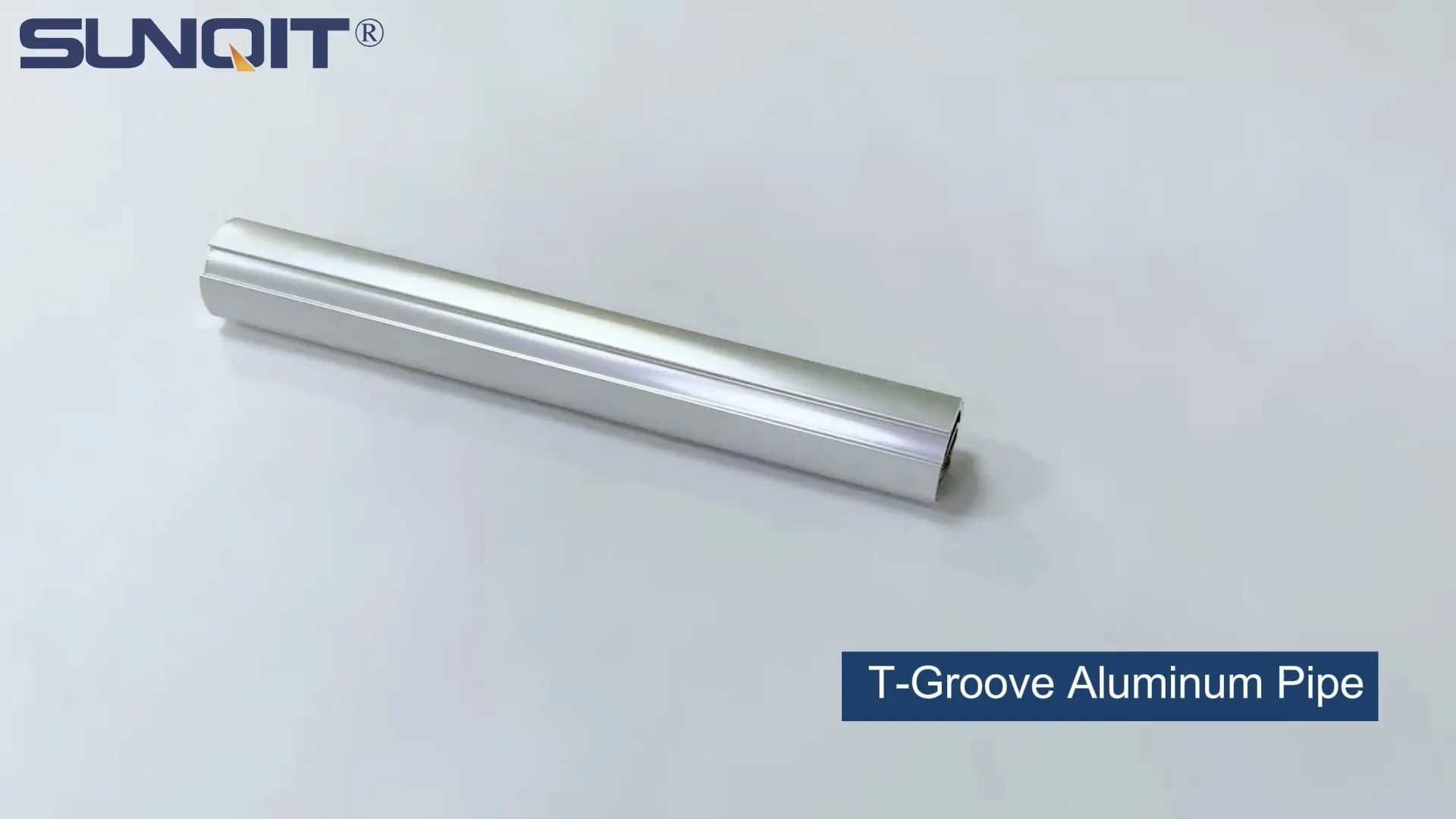
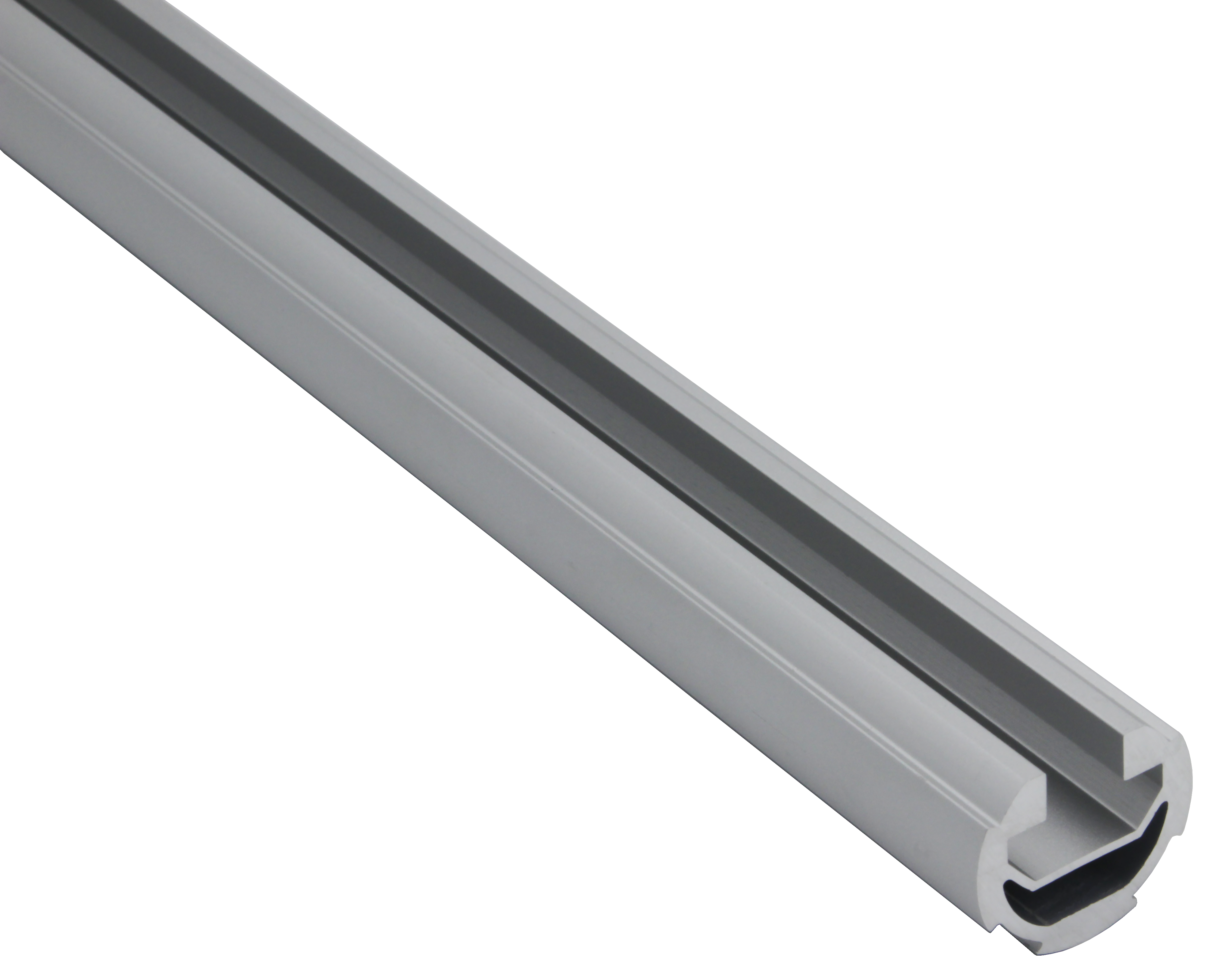
T-Groove Aluminum Pipe
The aluminum pipe opening 10mm is installed into the T-shaped slider, which can be installed with casters or other matching functional parts. The groove can be used for positioning and is used for the track of the roller.
In today's manufacturing landscape, there's a quiet but urgent balancing act happening: businesses are under pressure to deliver more with less—less waste, less cost, less environmental impact—while still chasing the efficiency that lean systems promise. For years, lean methodologies have been the gold standard for streamlining workflows, cutting redundancies, and boosting productivity. But here's the catch: many traditional lean solutions come with hidden environmental costs. Think about it—steel pipes that rust and need replacement, plastic components that end up in landfills, or rigid setups that generate waste when reconfigured. What if there was a way to build lean systems that don't just make your operations smoother, but also lighter on the planet? Enter T-slot aluminum pipe—a material that's quietly redefining what it means to be "lean" in the 21st century.
The Lean-Sustainability Puzzle: Why Traditional Solutions Fall Short
Lean systems are all about eliminating waste—muda, as the Toyota Production System originally termed it. But in practice, "waste" often gets narrowed down to time, labor, or inventory, while the environmental kind (like material waste, energy use, or carbon footprints) takes a backseat. Take steel lean pipes, for example: they're strong, but they corrode over time, require heavy machinery to install, and when a production line needs retooling, they're often cut, welded, or scrapped—creating metal waste that's costly to process. Plastic components, on the other hand, might be lightweight, but they degrade quickly under industrial conditions and rarely get recycled, ending up in landfills or incinerators. For manufacturers genuinely committed to sustainability, this disconnect between lean efficiency and environmental responsibility has been a frustrating roadblock.
That's where T-slot aluminum pipe—often called T-groove aluminum pipe—steps in. You might have heard it referenced alongside terms like "aluminum extrusion profile" or "T slot aluminum pipe" in industry circles. It's not just another material; it's a rethink of how lean systems can be built. Lightweight, infinitely adaptable, and inherently recyclable, it's the kind of solution that makes you wonder: Why didn't we do this sooner?
What Even Is T-Slot Aluminum Pipe? Let's Break It Down
At its core, T-slot aluminum pipe is exactly what it sounds like: aluminum tubing extruded with a T-shaped groove running along its length. This groove isn't just a design quirk—it's the secret to its versatility. Pair it with aluminum profile accessories—things like joints, brackets, casters, or guide rails—and you can build just about anything: workbenches, flow racks, conveyors, material trolleys, you name it. No welding, no drilling, no special tools. Just slide, lock, and go.
But what makes it different from, say, steel or plastic? Let's start with how it's made. T-slot aluminum pipe is crafted using an aluminum extrusion profile process, where molten aluminum is forced through a die to create the T-groove shape. This method uses far less energy than forging steel or molding plastic, and because aluminum is abundant and widely recycled, the raw material itself carries a smaller environmental footprint from the start. Add in the fact that the T-groove design is inherently modular—meaning you can take apart a workbench today and rebuild it as a conveyor tomorrow—and you've got a material that's built to adapt, not end up in a dumpster.
Why T-Slot Aluminum Pipe is a Sustainability Powerhouse
Sustainability isn't just a buzzword here; it's baked into the material's DNA. Let's break down the key reasons T-slot aluminum pipe stands out as a recyclable lean solution:
1. Near-Perfect Recyclability
Aluminum is one of the most recyclable materials on the planet. Unlike plastic, which degrades in quality when recycled, or steel, which loses strength after multiple reprocesses, aluminum can be melted down and reused indefinitely without losing its properties. In fact, recycling aluminum uses just 5% of the energy required to produce it from raw bauxite ore—according to the Aluminum Association, that's a 95% energy savings. For manufacturers, this isn't just good for the planet; it's good for the bottom line. When a T-slot aluminum setup reaches the end of its initial life (which, by the way, is decades long), you can sell the scrap aluminum back to recyclers, turning waste into revenue.
2. Durability That Reduces Replacement Cycles
Lean systems thrive on consistency, and T-slot aluminum pipe delivers. Aluminum's natural resistance to corrosion means it holds up in damp or chemical-heavy environments—no rust, no rot, no need for toxic coatings like paint or sealants. Compare that to steel, which often requires regular painting to prevent rust, or plastic, which can crack, warp, or degrade under heat or heavy loads. A T-slot aluminum workbench might last 15–20 years with minimal maintenance, while a plastic one might need replacing every 3–5 years. Fewer replacements mean less material consumption, less energy used in production, and less waste overall.
3. Modularity = Zero Waste Reconfigurations
Here's where the "lean" and "sustainable" worlds collide. Lean systems demand flexibility—lines change, products evolve, and workflows shift. With traditional materials, reconfiguring a production line often means cutting, welding, or throwing away old components. Take steel: if you need to shorten a flow rack, you might have to hack off a section, creating metal scraps. With T-slot aluminum pipe and aluminum profile accessories, though, it's a different story. Need to shorten that rack? Just loosen the joints, remove a section, and reattach the rest. No waste, no mess, no downtime. In fact, many manufacturers report reusing 80–90% of their T-slot components when reconfiguring, turning what would be waste into reusable assets.

How T-Slot Aluminum Stacks Up Against Other Materials
To really see the sustainability benefits, let's put T-slot aluminum pipe head-to-head with two common alternatives: steel and plastic. The table below breaks down key factors like recyclability, lifespan, energy use, and modularity—all critical for both lean efficiency and environmental impact.
| Feature | T-Slot Aluminum Pipe | Steel Pipe | Plastic Pipe |
|---|---|---|---|
| Recyclability Rate | 95%+ (infinite recycling without quality loss) | 60–70% (loses strength after 2–3 recycles) | 5–10% (most plastic isn't recycled; degrades in quality) |
| Average Lifespan | 15–20 years (corrosion-resistant) | 10–15 years (prone to rust without coating) | 3–5 years (degrades in heat/UV light) |
| Energy to Produce (per kg) | 4–5 kWh (recycled aluminum); 150–160 kWh (virgin) | 30–40 kWh (recycled steel); 60–70 kWh (virgin) | 20–30 kWh (virgin plastic; recycling often uses more energy than producing new) |
| Modularity | High (reconfigurable with tools; 80–90% component reuse) | Low (requires cutting/welding; 10–20% component reuse) | Medium (some modularity, but prone to breakage during disassembly) |
The takeaway? T-slot aluminum pipe outperforms steel and plastic across the board when it comes to sustainability. It's more recyclable, lasts longer, uses less energy, and is infinitely more adaptable—making it a no-brainer for lean systems that want to walk the sustainability talk.

Real-World Impact: How Manufacturers Are Using T-Slot Aluminum to Go Green
Talk is cheap; let's look at real examples. Take a mid-sized electronics manufacturer in Ohio that switched to T-slot aluminum pipe for their assembly lines last year. Previously, they used steel workbenches and plastic flow racks. When they reconfigured lines for a new product, they'd generate about 500 pounds of steel scrap and 200 pounds of plastic waste annually. After switching to T-slot aluminum and aluminum profile accessories, that waste dropped to almost zero. They reused 90% of their old components, and the remaining 10% (mostly worn-out casters) was recycled. Their carbon footprint from material production dropped by 40%, and they saved $12,000 in waste disposal costs alone. Oh, and their reconfiguration time? Cut from 3 days to 8 hours. That's lean and green working in tandem.
Another example: a automotive parts supplier in Michigan. They'd long struggled with rusted steel conveyors that needed replacement every 7–8 years. Switching to T-slot aluminum conveyors with aluminum guide rails and steel roller tracks didn't just eliminate rust—it extended the lifespan to 15+ years. When they did need to replace a section, the old aluminum was sold to a recycler for $0.50 per pound, offsetting the cost of new materials. "It's not just about being eco-friendly," their plant manager noted. "It's about building systems that don't cost the earth—literally or figuratively."
The Long-Term Cost-Savings of Sustainable Lean
Sustainability often gets framed as a "nice-to-have" expense, but T-slot aluminum pipe turns that idea on its head. Let's crunch the numbers: A basic steel workbench might cost $200 upfront, while a T-slot aluminum one could run $300. At first glance, steel seems cheaper. But factor in lifespan: steel lasts 10 years, aluminum 20. Then add in waste: steel generates $50/year in scrap disposal, aluminum generates $0. Then energy: steel production uses more energy, so the embodied carbon (and often the price) is higher. By year 10, the steel workbench has cost $200 + ($50 x 10) = $700. The aluminum one? $300, with $50 from recycling the scrap at year 20. Over two decades, aluminum saves $450. That's sustainability that pays for itself.
And that's before you account for productivity gains. When reconfiguring with T-slot aluminum, teams spend less time waiting for welders or dealing with scrap, and more time making products. For manufacturers, time is money—and T-slot aluminum gives them more of both.
Aluminum Profile Accessories: The Unsung Heroes of Modularity
We've talked a lot about T-slot aluminum pipe, but none of it works without aluminum profile accessories. These small components—joints, brackets, casters, roller tracks—are the glue that holds the system together, and they're just as sustainable as the pipes themselves. Most are made from recycled aluminum, and like the pipes, they're fully recyclable at the end of their life. Take the internal rotary aluminum joint, for example: it lets pipes swivel 360 degrees, making workbenches or trolleys adjustable on the fly. No need for custom hinges or welding—just a simple, reusable joint that lasts as long as the pipes. Even something as small as a plastic roller track guide rail (yes, even the plastic bits are often recyclable) is designed to snap into the T-groove, making replacement easy and waste-free.
The beauty of these accessories is that they turn T-slot aluminum pipe from a "material" into a "system." You're not just buying pipes—you're buying a toolkit to build, rebuild, and repurpose. And because the accessories are standardized, you never have to worry about compatibility. A joint from 2010 will still fit a pipe from 2023. That kind of longevity is rare in manufacturing, and it's a big reason T-slot systems are so sustainable.
The Future of Lean: Why T-Slot Aluminum is Here to Stay
As regulations tighten and consumers demand greener products, sustainability will only grow more critical for manufacturers. Lean systems, once focused solely on efficiency, are evolving to include environmental impact as a key metric of "waste." T-slot aluminum pipe is perfectly positioned to lead this shift. Its recyclability, durability, and modularity align with the circular economy principles—reduce, reuse, recycle—that will define the next decade of manufacturing.
Already, we're seeing innovation: lighter aluminum extrusion profiles that use less material without sacrificing strength, smarter accessories that snap together without tools, and even "closed-loop" supplier networks where manufacturers return old T-slot components to be recycled into new ones. The goal? A world where lean systems don't just make products better—they make the planet better, too.
Final Thoughts: Lean, Green, and Ready for Tomorrow
At the end of the day, T-slot aluminum pipe isn't just a material—it's a mindset. It's about building systems that respect both your bottom line and the environment. It's about realizing that "lean" shouldn't mean cutting corners on sustainability, and "sustainable" doesn't have to mean sacrificing efficiency. With T-slot aluminum, you get both: a lean system that eliminates waste, and a sustainable solution that keeps waste out of landfills and carbon out of the air.
So if you're in the business of making things—whether it's cars, electronics, or medical devices—ask yourself: What would a lean system look like if it cared as much about the planet as it does about productivity? The answer, increasingly, is T-slot aluminum pipe. It's not just the future of lean manufacturing. It's the future we owe to the next generation.