- Company Articles
- Products and Technology
- Solution
- Sustainability of 1.5mm Stainless Steel Pipe: Reusable Solutions for Green Factories

Sustainability of 1.5mm Stainless Steel Pipe: Reusable Solutions for Green Factories
Related Product
1.5mm Stainless Steel Pipe
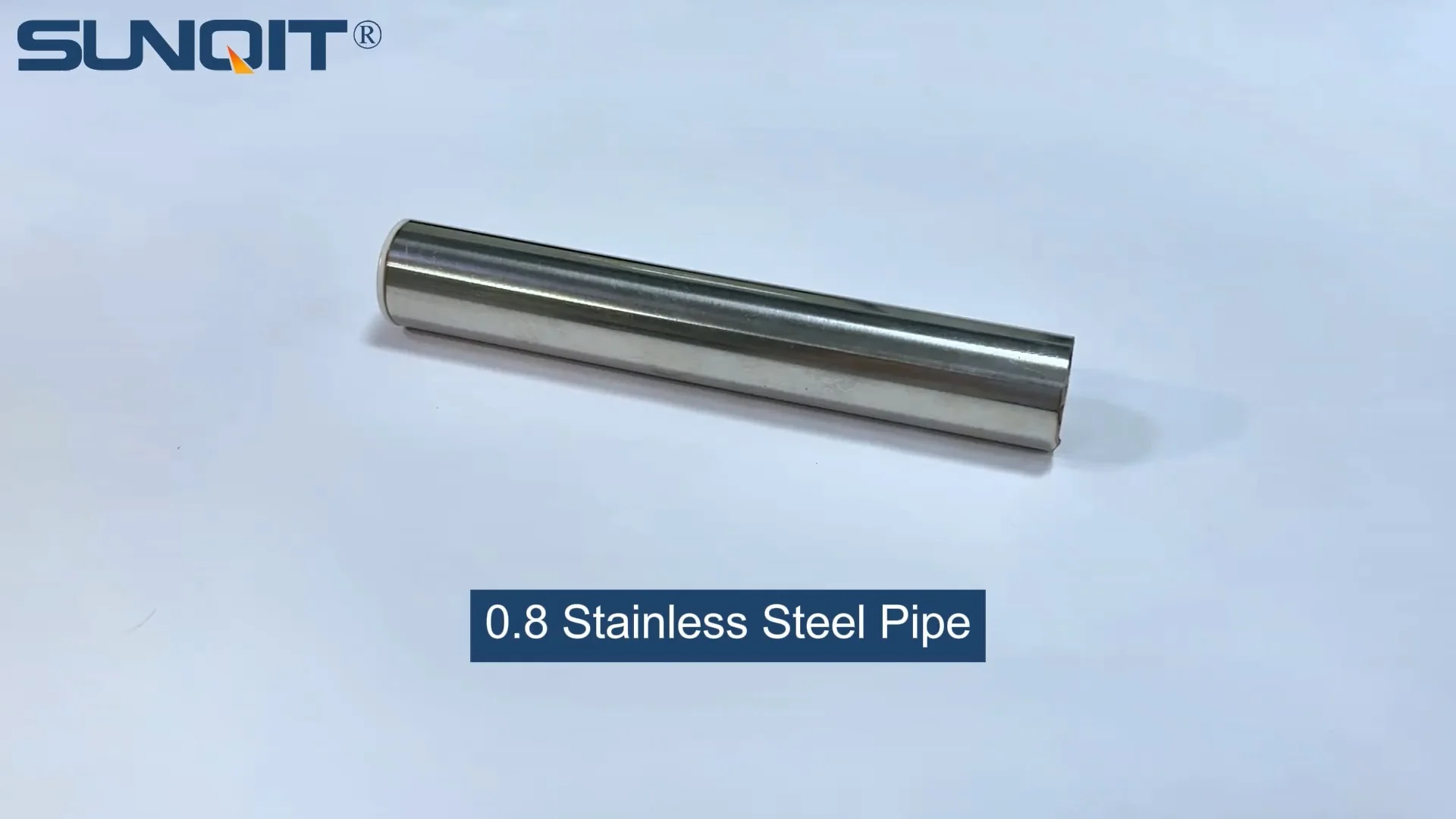
Stainless steel pipe, lean pipe, diameter is 28mm, material is SS201 or SS304, SS201 is normally used in the market. It knows a KARAKURI, KAIZEN material for industrial plant to improve efficiency, save labor cost, standard management.
In an era where "going green" has shifted from a buzzword to a business imperative, factories worldwide are rethinking every aspect of their operations—from energy use to waste management. At the heart of this transformation lies a critical, often overlooked decision: the materials that build the very backbone of production lines. Enter the 1.5mm stainless steel pipe—a humble yet powerful component that's quietly revolutionizing sustainable manufacturing. More than just a metal tube, it's a cornerstone of reusable, eco-friendly systems that align with both lean principles and environmental responsibility. Let's dive into why this unassuming material is becoming a staple in green factories, and how it integrates with essential elements like lean systems, workbenches, roller tracks, and caster wheels to create a more sustainable future.
The Sustainability Edge of 1.5mm Stainless Steel Pipe
Stainless steel has long been prized for its strength and resistance to corrosion, but the 1.5mm variant takes these qualities to a new level—specifically tailored for sustainability. What makes it stand out? Let's start with durability. Unlike plastic pipes that crack under heavy loads or corrode when exposed to chemicals, or even thinner steel pipes that bend over time, 1.5mm stainless steel pipe is built to last. Its thickness strikes a perfect balance: sturdy enough to support machinery, workbenches, and roller tracks, yet lightweight enough to keep transportation and installation energy costs low. In factory settings, where equipment is subjected to daily wear and tear, this longevity translates directly to reduced waste—no more frequent replacements, no more piles of discarded materials cluttering landfills.
Then there's recyclability. Stainless steel is one of the most recycled materials on the planet, with a recycling rate of over 90%—far exceeding plastics (which often end up in incinerators or oceans) or even aluminum (recyclable but with higher energy demands for processing). When a 1.5mm stainless steel pipe finally reaches the end of its lifecycle (which could be decades down the line), it can be melted down and reformed into new pipes, brackets, or other industrial components with minimal loss of quality. This closed-loop system is the epitome of circular economy thinking, turning "waste" into a valuable resource.
But perhaps the most compelling sustainability feature is its reusability. Thanks to its modular design—often part of a broader stainless steel pipe series that includes connectors, joints, and accessories—1.5mm stainless steel pipe can be disassembled, rearranged, and repurposed as factory needs change. A workbench frame today might become a roller track tomorrow, or a storage rack next year. This adaptability means factories aren't locked into rigid, single-use structures; instead, they can evolve their layouts without investing in entirely new materials. It's a simple idea with profound implications: less waste, lower costs, and a production floor that grows with your business.
Aligning with Lean Systems: Efficiency Meets Eco-Friendliness
Lean manufacturing, with its focus on eliminating waste (muda) and maximizing value, is a natural partner for sustainability. At its core, lean is about doing more with less—and 1.5mm stainless steel pipe embodies this philosophy. Let's break down how it integrates with lean systems to create a win-win for efficiency and the environment.
First, modularity drives flexibility. Lean systems thrive on adaptability—whether it's reconfiguring a production line for a new product or scaling up to meet demand. Traditional fixed structures (think welded steel frames or plastic tubing) resist change, forcing factories to scrap entire setups and start fresh. The 1.5mm stainless steel pipe, however, uses simple yet robust joints that allow for tool-free assembly and disassembly. Need to shorten a workbench? Swap out a section of pipe. Want to add a roller track to a trolley? Attach new segments in minutes. This flexibility reduces "waste of overproduction" (a key lean principle) by ensuring materials are used only where needed, and structures evolve with demand rather than being replaced.
Second, durability cuts down on maintenance waste. In lean terms, "waste of defects" includes equipment breakdowns and unplanned downtime. 1.5mm stainless steel pipe's resistance to rust, dents, and corrosion means fewer repairs and replacements. Unlike plastic pipes that degrade under UV light or aluminum that weakens with repeated assembly, stainless steel maintains its integrity over thousands of uses. This reliability translates to smoother workflows, lower maintenance costs, and less material waste from broken or worn-out components.
Third, it supports continuous improvement (kaizen). Lean cultures encourage teams to identify inefficiencies and experiment with better processes. With 1.5mm stainless steel pipe, testing new layouts or workflows becomes low-risk and low-cost. A team might prototype a new roller track design using existing pipes, test it on the production floor, and refine it without investing in expensive custom parts. This culture of experimentation, enabled by reusable materials, leads to more sustainable processes over time—all while keeping waste to a minimum.

Real-World Applications: From Workbenches to Roller Tracks
To truly understand the impact of 1.5mm stainless steel pipe, let's look at its practical applications in green factories. These aren't abstract concepts—they're tangible tools that make daily operations more sustainable.
Workbenches: The Workhorses of Sustainable Production
A factory's workbench is more than just a table; it's the center of assembly, inspection, and innovation. Traditional workbenches, often made with particleboard tops and flimsy metal frames, wear out quickly, requiring replacement every 3–5 years. The 1.5mm stainless steel pipe changes this narrative. Its sturdy frame supports heavy tools, withstands spills (from oils to cleaning agents), and resists scratches and dents. Paired with a durable, recyclable top (like bamboo or recycled plastic), it becomes a workbench that lasts 15+ years—reducing the need for frequent replacements.
But the sustainability doesn't stop there. Add caster wheels to the base, and suddenly that workbench becomes mobile. Teams can rearrange their workspace on the fly, consolidating tasks to reduce movement (another lean win) or reallocating the bench to high-priority areas. When the bench finally needs a refresh, the stainless steel frame can be stripped, cleaned, and reused with a new top—keeping 90% of the material out of landfills. It's a small change that adds up: a single reusable workbench saves hundreds of kilograms of waste over its lifetime compared to disposable alternatives.
Roller Tracks: Smooth Flow, Minimal Waste
Material flow is the lifeblood of any factory, and roller tracks are the veins that keep it moving. Whether transporting components between stations or feeding parts into assembly machines, roller tracks must be reliable, low-friction, and long-lasting. Here, 1.5mm stainless steel pipe shines.
Stainless steel's smooth surface reduces friction, meaning less energy is needed to move items along the track. Unlike plastic tracks that warp or crack, or aluminum tracks that dent, stainless steel roller tracks maintain their shape and performance even under constant use. This translates to lower energy costs (a boon for sustainability) and fewer jams (a win for lean efficiency). Plus, the modular design allows for easy repairs: if a section of track gets damaged, you can replace just that segment instead of the entire system. And when the production line is retired, the tracks can be disassembled and repurposed as shelving, trolley frames, or even new roller tracks elsewhere in the factory. It's a cycle of reuse that aligns perfectly with green manufacturing goals.
Caster Wheels: Mobility Without Compromise
Mobility is key to lean systems—trolleys, tool carts, and movable workbenches ensure materials and equipment are where they're needed, when they're needed. But mobility often comes with a trade-off: wear and tear on wheels. Enter stainless steel caster wheels, designed to pair seamlessly with 1.5mm stainless steel pipe frames.
Stainless steel caster wheels are built to handle heavy loads without rusting or deforming. Unlike plastic wheels that crack under pressure or rubber wheels that degrade over time, they maintain their rollability for years. When combined with a stainless steel pipe frame, the result is a mobile unit (trolley, workbench, etc.) that lasts decades, not just years. Factories no longer need to replace entire trolleys because the wheels failed; instead, they can swap out individual wheels (if needed) and keep the frame in use. This focus on component-level reuse drastically cuts down on waste, turning "disposable" equipment into long-term assets.

Environmental Impact: A Data-Driven Comparison
To put the sustainability of 1.5mm stainless steel pipe into perspective, let's compare it to common alternatives—plastic pipe, aluminum pipe, and regular (non-stainless) steel pipe—across key environmental metrics. The table below, based on lifecycle assessments and industry data, highlights why stainless steel is the clear choice for green factories.
| Material | Typical Lifespan (Years) | Recyclability Rate (%) | Carbon Footprint (kg CO2/kg) | Maintenance Waste (kg/decade) |
|---|---|---|---|---|
| 1.5mm Stainless Steel Pipe | 20–25 | 92–95 | 3.5–4.0 | 1.2–1.5 |
| Plastic Pipe (PVC/PP) | 5–7 | 8–12* | 1.8–2.2 | 8.0–10.0 |
| Aluminum Pipe (1.5mm) | 10–12 | 85–90 | 8.0–9.0 | 3.0–3.5 |
| Regular Steel Pipe (1.5mm) | 8–10 | 65–70 | 2.5–3.0 | 5.0–6.0 |
*Note: Plastic pipe recyclability is low due to contamination and limited infrastructure for industrial plastic recycling.
The data speaks volumes. While plastic pipe has a lower initial carbon footprint, its short lifespan (5–7 years) and poor recyclability mean factories must replace it 3–4 times over the life of a single stainless steel pipe. This leads to 8–10kg of maintenance waste per decade—far more than stainless steel's 1.2–1.5kg. Aluminum pipe, though recyclable, has a much higher carbon footprint (8–9kg CO2/kg vs. stainless steel's 3.5–4.0kg) and a lifespan half that of stainless steel. Regular steel pipe, prone to rust, requires frequent replacements and generates more waste, making it a less sustainable choice despite its lower carbon footprint.
Stainless steel's edge lies in its longevity and recyclability. Even with a slightly higher initial carbon footprint than plastic or regular steel, its 20–25 year lifespan means lower overall emissions per year of use. Add in its near-perfect recyclability, and it's clear: 1.5mm stainless steel pipe delivers superior environmental performance over the long haul.
Case Study: A Green Factory's Transformation
Let's bring this to life with a real-world example. Consider a mid-sized automotive parts manufacturer in Germany that, in 2018, set a goal to reduce its waste by 50% and carbon emissions by 30% within five years. A key part of its strategy? Replacing outdated plastic and regular steel pipe systems with 1.5mm stainless steel pipe across its production floor.
Before the switch, the factory relied on plastic roller tracks and workbenches that needed replacement every 4–5 years. Corroded steel frames for storage racks were a constant maintenance headache, and frequent reconfigurations meant piles of discarded materials. By 2019, they'd phased in stainless steel pipe series components: workbenches with caster wheels, modular roller tracks, and mobile trolleys. The results were striking:
- Waste reduction: Material waste from broken or obsolete equipment dropped by 62% in three years. Instead of scrapping entire workbenches, they reused pipes and joints to build new structures.
- Maintenance savings: Repair costs for production line components fell by 40%, as stainless steel resisted corrosion from oil and coolants, and caster wheels lasted 3x longer than plastic alternatives.
- Carbon footprint: Emissions from material production and transportation dropped by 28%, thanks to fewer replacements and the recyclability of old stainless steel pipes (which were sold to a metal recycler, offsetting raw material costs).
- Employee satisfaction: Teams reported smoother workflows, with roller tracks jamming 70% less often and mobile workbenches reducing time spent walking between stations.
By 2023, the factory not only met but exceeded its sustainability goals—all while improving productivity. As the plant manager noted, "The 1.5mm stainless steel pipe wasn't just a material upgrade; it was a mindset shift. We stopped seeing our production line as a collection of fixed tools and started seeing it as a flexible, reusable system. That's the future of green manufacturing."
The Road Ahead: Innovations in Stainless Steel Pipe Series
As demand for sustainable manufacturing grows, so too does innovation in the stainless steel pipe series. Suppliers are developing new alloys that reduce carbon footprints during production, while retaining the 1.5mm pipe's strength and durability. Connectors are becoming even more modular, with quick-release mechanisms that speed up reconfiguration. And accessories like low-friction roller track guides and energy-efficient caster wheels are being designed to work seamlessly with stainless steel frames, further enhancing efficiency.
Looking ahead, we'll likely see greater integration with smart factory technologies. Imagine stainless steel pipe frames embedded with sensors that monitor weight distribution or track usage—data that helps factories optimize layouts and extend component lifespans. Or 3D-printed stainless steel joints that allow for custom configurations without sacrificing strength. The possibilities are endless, but the core principle remains: sustainability through reusability.
Conclusion: Building a Greener Future, One Pipe at a Time
The 1.5mm stainless steel pipe may not grab headlines, but its impact on sustainable manufacturing is undeniable. It's a material that bridges the gap between lean efficiency and environmental responsibility, proving that "going green" doesn't have to mean sacrificing productivity or profitability. By integrating with lean systems, supporting reusable workbenches and roller tracks, and pairing with durable caster wheels, it creates a closed-loop ecosystem where waste is minimized, and resources are maximized.
For factories ready to embrace the future, the message is clear: sustainable manufacturing starts with the materials you choose. 1.5mm stainless steel pipe isn't just a component—it's a commitment to a circular economy, where today's production line becomes tomorrow's resource. In the end, the most sustainable factories won't just make green products; they'll be built on green principles, one reusable pipe at a time.