- Company Articles
- Products and Technology
- Product knowledge
- Sustainability of Internal Straight Aluminum Joints: Recyclability & Longevity

Sustainability of Internal Straight Aluminum Joints: Recyclability & Longevity
Related Product
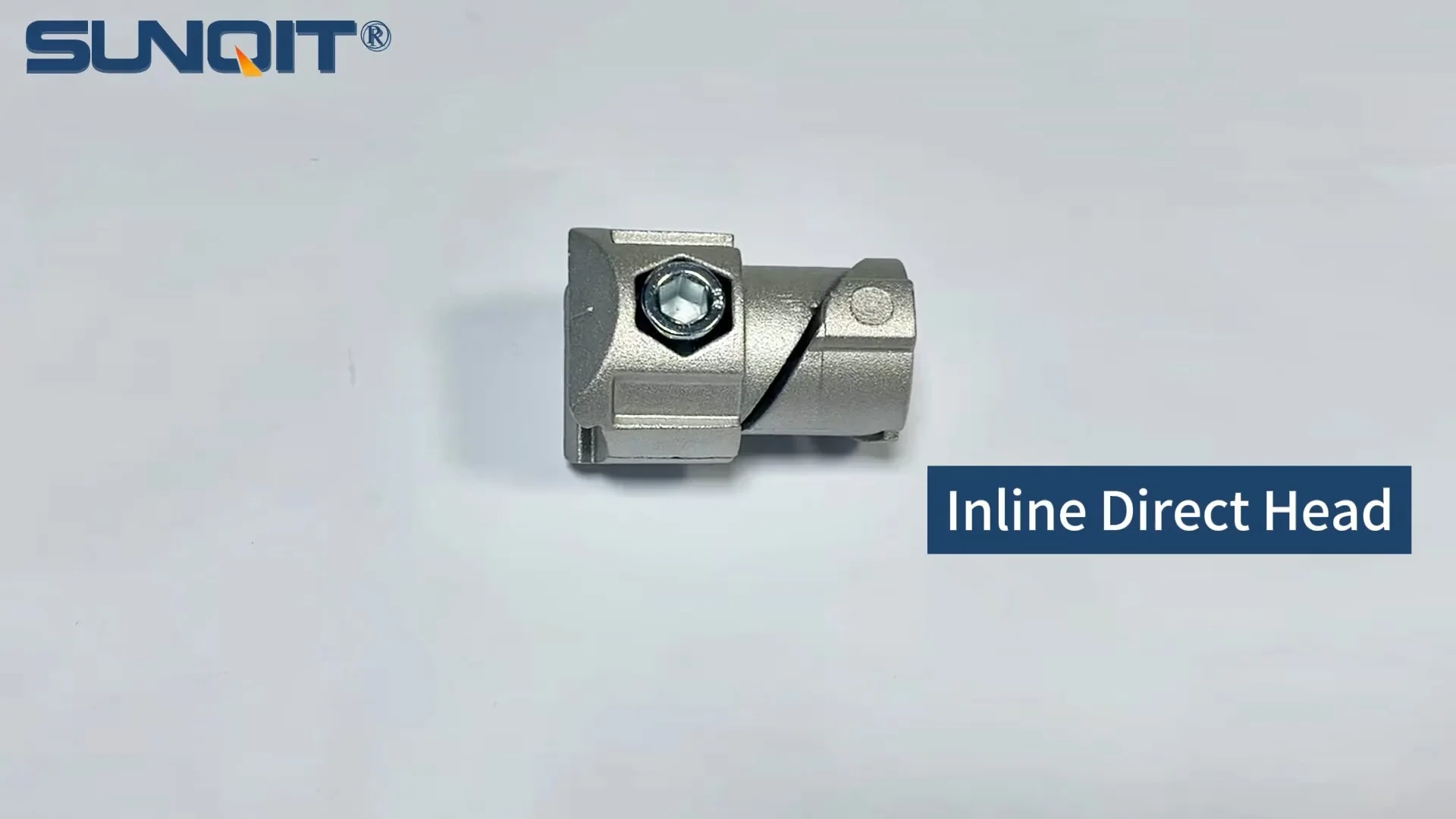
Internal straight aluminum joint
Aluminum pipe joint inside connection used for two pcs 28pcs aluminum pipe connection in straight angle,it connects two pcs pipe from inside.
In today's manufacturing landscape, sustainability isn't just a buzzword—it's a critical pillar of responsible business practice. As companies strive to reduce their environmental footprint, every component in the production chain comes under scrutiny, from large machinery to the smallest connectors. Among these, internal straight aluminum joints have emerged as unsung heroes, quietly contributing to both operational efficiency and eco-friendly workflows. These unassuming components, often overlooked in the grand scheme of industrial design, play a pivotal role in creating durable, adaptable systems while aligning with global sustainability goals. In this article, we'll explore how internal straight aluminum joints embody sustainability through their exceptional recyclability and long lifespan, and why they've become a cornerstone for forward-thinking manufacturers.
The Rise of Sustainable Manufacturing: Why Components Matter
Manufacturing has historically been associated with high resource consumption and waste generation, but the tide is turning. Modern consumers, regulators, and even investors are demanding transparency and accountability, pushing companies to rethink everything from raw material sourcing to end-of-life disposal. This shift isn't just about "going green"—it's about building resilient, cost-effective operations that can thrive in a resource-constrained world. One of the most impactful ways to achieve this is by prioritizing components designed for sustainability from the ground up. Enter internal straight aluminum joints: small in size, but mighty in their ability to reduce waste, extend system lifespans, and support circular economy principles.
At first glance, a joint might seem trivial. But consider this: in a typical production facility, hundreds—if not thousands—of joints are used to assemble workbenches, material racks, conveyor systems, and more. If these joints are flimsy, prone to corrosion, or non-recyclable, they become a silent source of waste. Replacements are frequent, old parts end up in landfills, and the cumulative environmental impact adds up. Internal straight aluminum joints, however, are engineered to flip this script. Their design prioritizes durability, their material (aluminum) is inherently recyclable, and their adaptability means they can evolve with changing production needs—all without sacrificing performance.
What Are Internal Straight Aluminum Joints?
Before diving into their sustainability credentials, let's clarify what internal straight aluminum joints are and why they matter. Simply put, these are connectors used to join aluminum profiles or pipes in a straight line, creating rigid, stable structures. Unlike external joints that clamp around the outside of pipes, internal straight joints fit inside the hollow core of aluminum tubes or profiles, creating a sleek, low-profile connection. This design not only saves space but also enhances structural integrity, as the joint is reinforced by the pipe's inner wall.
Commonly used in lean manufacturing systems, workbenches, material handling racks, and conveyor setups, internal straight aluminum joints are prized for their precision and versatility. They're compatible with various aluminum extrusion profiles—another key keyword from our list— which are widely used in industrial settings for their strength, lightweight nature, and modularity. Whether you're building a custom workbench (like the "Workbench E (single deck-without caster)" mentioned in our keyword list) or a multi-tiered material rack, these joints ensure that the structure holds together securely, even under heavy loads.
But what sets internal straight aluminum joints apart from other connectors? For starters, their material: aluminum. Unlike plastic joints, which degrade over time, or steel joints, which are prone to rust, aluminum offers a unique blend of strength, corrosion resistance, and lightness. Additionally, their internal design minimizes stress points, reducing wear and tear on both the joint and the connected profiles. This attention to detail isn't just about performance—it's the first step toward sustainability.

Longevity: Built to Last, Reducing Replacement Cycles
Sustainability and longevity go hand in hand. A component that lasts longer requires fewer replacements, which in turn reduces the demand for raw materials, energy, and transportation. Internal straight aluminum joints excel here, thanks to a combination of material science and thoughtful engineering.
Aluminum's Inherent Durability
Aluminum is renowned for its strength-to-weight ratio, but its real sustainability superpower is corrosion resistance. Unlike steel, which rusts when exposed to moisture and chemicals, aluminum forms a thin, protective oxide layer when it reacts with oxygen. This layer acts as a barrier, preventing further corrosion and extending the material's lifespan. In industrial environments—where spills, humidity, and chemical exposure are common—this resistance is invaluable. A steel joint might start showing signs of rust within a year, requiring replacement; an aluminum joint, by contrast, can remain functional for decades with minimal maintenance.
This durability translates directly to cost savings and reduced waste. Imagine a manufacturing plant that uses steel joints for its material racks. Every 3-5 years, those racks would need to be disassembled, and corroded joints replaced. The old steel, often coated in rust or paint, might end up in a landfill, as recycling corroded steel is more energy-intensive. Now, swap those steel joints for internal straight aluminum ones. The same racks could last 15-20 years or more, with joints that stay corrosion-free even in damp or chemical-heavy areas. Fewer replacements mean less downtime, lower maintenance costs, and a significant reduction in waste generation.
Design for Minimal Wear and Tear
Beyond aluminum's natural properties, the design of internal straight joints itself contributes to their longevity. By fitting inside the aluminum profile, the joint is shielded from external impacts and abrasion. In high-traffic areas—like near conveyor belts or on factory floors where equipment is moved frequently—external joints can get knocked or scraped, loosening their grip over time. Internal joints, however, are protected by the profile's outer wall, reducing the risk of physical damage.
Additionally, internal straight joints are often engineered with precision tolerances, ensuring a tight, secure fit. This minimizes movement between connected profiles, which can cause friction and wear. For example, in a roller track system (another keyword from our list), even slight wobbling in joints can lead to misaligned rollers, jamming, and increased wear on both the track and the products being transported. Internal straight joints eliminate this issue, keeping the track stable and reducing the need for repairs.
Adaptability: Evolving with Changing Needs
Another aspect of longevity is adaptability. In manufacturing, production lines and workflows are rarely static. Products change, demand fluctuates, and new technologies require reconfigured workspaces. A rigid, one-use structure becomes obsolete quickly, leading to waste. Internal straight aluminum joints, however, support modularity. Because they create strong yet connections, structures can be disassembled, reconfigured, and repurposed with minimal effort.
Take, for instance, a company that initially uses internal straight aluminum joints to build a 3-row, 3-floor material rack (similar to "Material Rack B (3 row and 3 floor)" in our keywords). After a year, they need to expand storage capacity. Instead of scrapping the entire rack and buying new, they can simply disassemble sections, add more aluminum profiles and joints, and create a taller or wider rack. The original joints remain functional, and only a few new components are needed. This adaptability extends the lifespan of the entire system, ensuring that neither the joints nor the profiles end up in a landfill prematurely.

Recyclability: Closing the Loop with Aluminum
Longevity reduces waste by delaying replacement, but what happens when an internal straight aluminum joint finally reaches the end of its useful life? Here, aluminum's recyclability takes center stage. Unlike many materials—such as plastic, which degrades in quality when recycled, or composite materials, which are hard to separate—aluminum is 100% recyclable, and it can be recycled infinitely without losing strength or quality. This is a game-changer for sustainability, as it creates a closed-loop system where old joints become new ones, with minimal loss of resources.
The Aluminum Recycling Process: Energy-Efficient and Low-Impact
Recycling aluminum is not only possible but also incredibly energy-efficient. Producing aluminum from raw bauxite ore requires massive amounts of electricity—so much so that aluminum production is often linked to high carbon emissions. Recycling aluminum, however, uses just 5% of the energy needed to produce new aluminum from ore. That's a 95% energy savings! This statistic alone makes aluminum one of the most sustainable metals on the planet.
So, what happens to an internal straight aluminum joint when it's retired? The process is straightforward. First, the joint is separated from the aluminum profile (a simple task, thanks to the joint's design). Then, it's cleaned to remove any dirt, grease, or minor coatings. Since aluminum is non-magnetic, it's easy to separate from other materials in recycling facilities. Once sorted, the joint is melted down in a furnace. The molten aluminum is then cast into new ingots, which can be rolled, extruded, or shaped into new products—including new internal straight aluminum joints or aluminum extrusion profiles.
This closed loop is critical for reducing environmental impact. By recycling, we reduce the need to mine bauxite, a process that disrupts ecosystems, uses large amounts of water, and releases greenhouse gases. We also cut down on waste sent to landfills, where aluminum (which doesn't biodegrade) would otherwise sit indefinitely. For manufacturers, choosing recyclable components like internal straight aluminum joints isn't just an environmental choice—it's a way to participate in a circular economy that conserves resources and reduces costs over time.
Comparing Recyclability: Aluminum vs. Other Materials
To truly appreciate aluminum's recyclability, let's compare it to other common joint materials. The table below highlights key differences in recyclability, lifespan, and environmental impact:
| Material | Recyclability | Typical Lifespan (Industrial Use) | Environmental Impact (Production + Disposal) |
|---|---|---|---|
| Internal Straight Aluminum Joints | 100% recyclable; infinite recycling without quality loss | 15-20+ years | Low (recycling uses 95% less energy than new production) |
| Plastic Joints | Limited (most plastics degrade during recycling; often downcycled) | 3-5 years (prone to UV damage, chemical degradation) | High (fossil fuel-based; non-biodegradable; toxic emissions during production) |
| Steel Joints (Uncoated) | Recyclable but energy-intensive (requires removal of rust/coatings) | 8-12 years (prone to corrosion) | Moderate (high energy use in production; mining impacts) |
| Brass Joints | Recyclable but less common (higher melting point; lower demand) | 10-15 years (corrosion-resistant but heavy) | Moderate to high (mining and refining brass is resource-heavy) |
As the table shows, internal straight aluminum joints outperform alternatives in both recyclability and lifespan. Plastic joints, while cheap upfront, degrade quickly and contribute to the global plastic waste crisis. Steel joints, though recyclable, have shorter lifespans due to corrosion and require more energy to recycle. Aluminum, by contrast, offers a rare combination of durability and circularity, making it the clear choice for sustainable manufacturing.
The Role of the Lean Pipe Supplier in Promoting Sustainability
While the design and material of internal straight aluminum joints are critical, their sustainability story wouldn't be complete without mentioning the role of the lean pipe supplier. A reputable supplier doesn't just sell components—they act as partners in sustainability, ensuring that products are sourced, manufactured, and distributed responsibly.
Forward-thinking lean pipe suppliers prioritize aluminum from recycled sources, reducing the demand for virgin material. They also invest in energy-efficient manufacturing processes, such as using renewable energy to power extrusion and machining operations. Additionally, they design products with recyclability in mind, avoiding non-recyclable coatings or mixed materials that complicate end-of-life disposal. For example, a supplier might offer internal straight aluminum joints with minimal, eco-friendly finishes that are easy to remove during recycling, ensuring the aluminum remains pure and valuable.
Suppliers also play a key role in educating customers about sustainability. By highlighting the long-term benefits of aluminum joints—such as reduced replacement costs and lower environmental impact—they empower manufacturers to make informed choices. Some suppliers even offer take-back programs, where old joints are collected, recycled, and turned into new products, closing the loop entirely. This level of commitment transforms the supplier-customer relationship from transactional to collaborative, driving industry-wide sustainability progress.
Real-World Impact: Case Studies in Sustainability
To put these claims into context, let's look at a real-world example. A mid-sized electronics manufacturer was struggling with frequent breakdowns in their assembly line workbenches. The plastic joints they'd been using were cracking under the weight of equipment, leading to monthly replacements and production delays. Frustrated, they turned to a lean pipe supplier specializing in aluminum solutions. The supplier recommended replacing the plastic joints with internal straight aluminum joints and switching to aluminum extrusion profiles for the workbench frames.
The results were striking. Within the first year, the manufacturer saw a 90% reduction in workbench repairs. The aluminum joints showed no signs of wear, even in the humid, solder-fume-filled environment. Five years later, the original joints were still in use, and the company had saved over $50,000 in replacement parts and labor. When the manufacturer eventually reconfigured their assembly line, the old aluminum joints and profiles were sent back to the supplier, who recycled them into new components. The entire process—from initial installation to recycling—had a carbon footprint 70% lower than the previous plastic-based system.
Another example comes from a automotive parts distributor using steel material racks. Rusting joints were causing racks to collapse, damaging inventory and posing safety risks. They switched to internal straight aluminum joints and aluminum profiles, and not only did the racks become more stable, but they also required zero maintenance for eight years. When the distributor expanded, they reused 80% of the original joints and profiles, further reducing waste. The switch paid for itself in three years through reduced repairs and inventory losses.
Future Trends: Innovations in Aluminum Joint Sustainability
As sustainability becomes even more critical, the future of internal straight aluminum joints looks bright, with innovations focusing on three key areas:
Lightweighting Without Sacrificing Strength
Engineers are developing new aluminum alloys and joint designs that reduce weight while maintaining structural integrity. This not only lowers transportation emissions (since lighter components require less fuel to ship) but also makes assembly easier, reducing labor costs. For example, hollow-core internal joints—where excess material is removed from non-critical areas—are becoming more common, cutting weight by up to 15% without compromising durability.
Smart Joints for Predictive Maintenance
Emerging technologies are integrating sensors into aluminum joints to monitor stress, temperature, and corrosion. These "smart joints" send real-time data to maintenance teams, allowing for proactive repairs before failure occurs. This extends lifespan further and reduces unexpected downtime, making sustainability and efficiency go hand in hand.
Biodegradable Lubricants and Coatings
While aluminum itself is corrosion-resistant, some applications require additional protection. Suppliers are now offering joints coated with plant-based, biodegradable lubricants and finishes, eliminating the need for toxic chemicals. These coatings degrade naturally over time, ensuring that when the joint is recycled, no harmful substances are released.
Conclusion: Small Joints, Big Impact
Internal straight aluminum joints may be small, but their impact on sustainability is enormous. By combining aluminum's unrivaled recyclability with a design built for longevity, they address two of the biggest challenges in manufacturing: reducing waste and conserving resources. Whether through extending the lifespan of workbenches, enabling modular reconfiguration, or closing the loop through recycling, these joints prove that sustainability and performance can—and should—go hand in hand.
As manufacturers continue to prioritize eco-friendly practices, the demand for internal straight aluminum joints will only grow. And with the support of responsible lean pipe suppliers, these components will play an even larger role in building a more sustainable industrial future. So the next time you walk through a factory, take a moment to look at the workbenches and racks around you. Chances are, the internal straight aluminum joints holding them together are quietly doing their part to make manufacturing greener, more efficient, and better for the planet.