- Company Articles
- Products and Technology
- Product knowledge
- Sustainability of T Slot Aluminum Pipe: Reusable and Eco-Friendly Advantages

Sustainability of T Slot Aluminum Pipe: Reusable and Eco-Friendly Advantages
Related Product
T Slot Aluminum Pipe
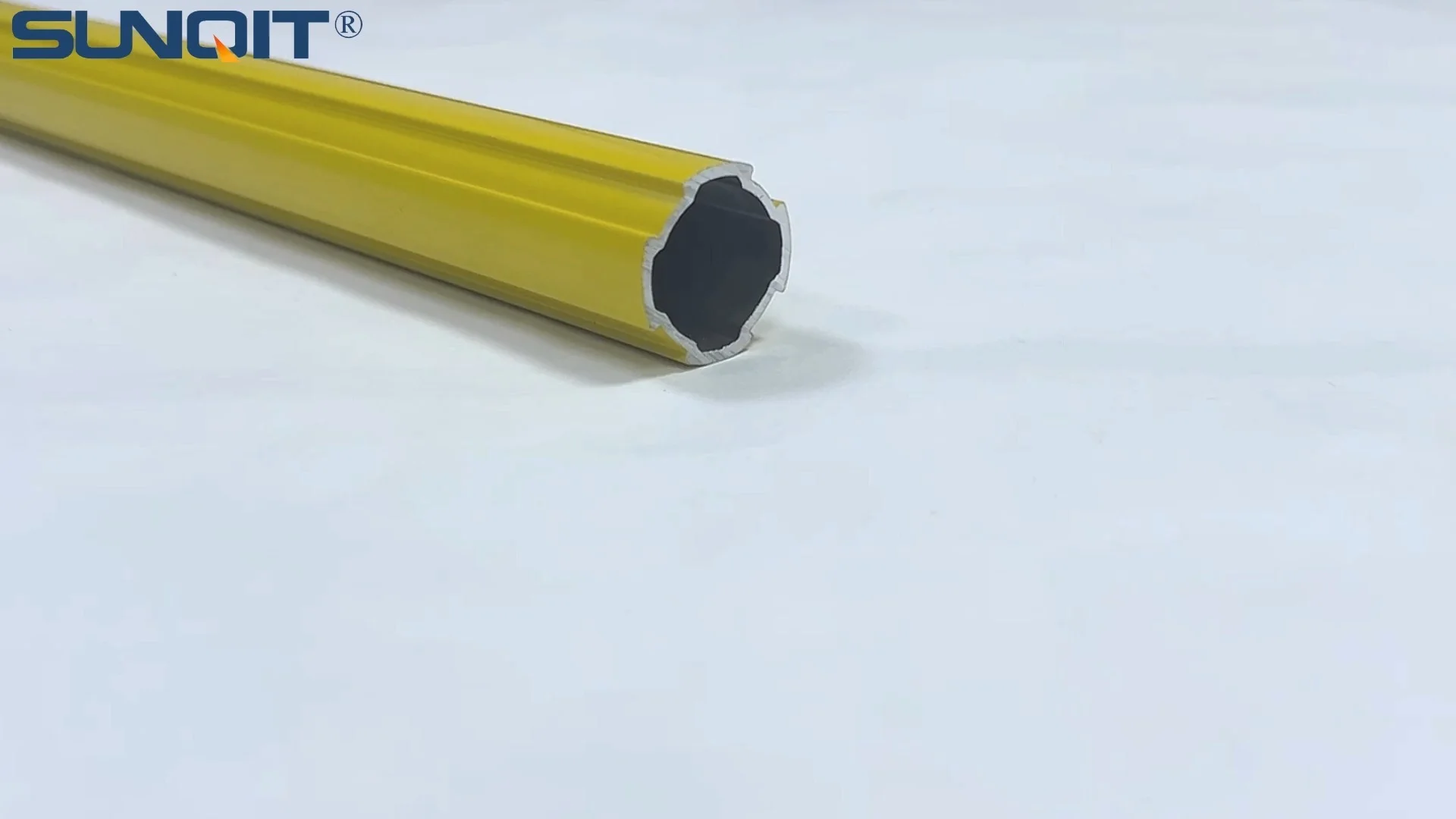
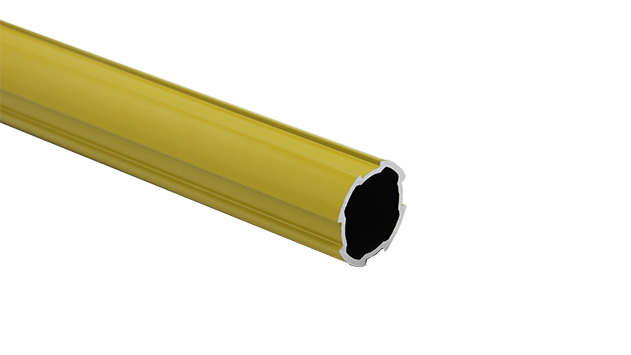
Aluminum pipe, it is used for workbench, flow rack,hand trolley assemble work with advantage of flexible and durable, yellow color makes it more attactive as a caution remind.
In an era where "sustainability" has shifted from a buzzword to a business imperative, industries worldwide are reevaluating every aspect of their operations—from raw material sourcing to end-of-life waste management. Manufacturing, long criticized for its resource-heavy processes and waste generation, is at the forefront of this transformation. Today, the focus isn't just on producing goods efficiently, but on doing so in a way that minimizes environmental impact while maximizing long-term value. Enter T slot aluminum pipe: a humble yet revolutionary component that's quietly reshaping sustainable manufacturing. More than just a building material, it's a testament to how thoughtful design can align productivity with planetary responsibility. Let's dive into why this unassuming product is becoming a cornerstone of eco-friendly operations, and how its reusable, modular nature is helping businesses reduce waste, cut costs, and build a greener future.
What is T Slot Aluminum Pipe, Anyway?
Before we unpack its sustainability superpowers, let's get clear on what T slot aluminum pipe actually is. At its core, it's a type of aluminum extrusion profile —meaning it's formed by pushing heated aluminum through a die to create a specific cross-sectional shape. The "T slot" refers to the T-shaped groove running along its length, which acts as a built-in channel for attaching accessories like brackets, panels, or connectors. This design isn't just for show: it's the secret to its flexibility and sustainability.
Imagine a pipe that can be easily cut, connected, and reconfigured without welding, drilling, or specialized tools. That's T slot aluminum pipe in action. It's lightweight yet surprisingly strong, making it ideal for everything from workbenches and material racks to conveyor systems and lean manufacturing setups. And because it's made from aluminum—a metal renowned for its durability and recyclability—it checks multiple boxes for eco-conscious businesses.
But what truly sets it apart is its modularity. Unlike rigid steel structures or one-and-done plastic components, T slot aluminum pipe is designed to be taken apart and put back together repeatedly. Need to resize a workbench? Swap out a section. Repurpose a material rack for a new production line? Disassemble and rebuild. This adaptability isn't just convenient—it's the foundation of its sustainability story.
Reusability: The Power of "Build, Break, Rebuild"
In manufacturing, waste often stems from inflexibility. Traditional setups—think welded steel frames or glued plastic structures—are built for a specific purpose. When production needs change, these structures become obsolete, ending up in landfills or scrap yards. T slot aluminum pipe flips this script by prioritizing reusability.
Let's take a common scenario: a factory needs to upgrade its assembly line to accommodate a new product. With a steel workbench, this might mean cutting the frame, welding new parts, or even buying an entirely new bench—generating waste and incurring extra costs. With a T slot aluminum workbench, the process is. Using simple aluminum profile accessories like connectors and brackets, workers can disassemble the existing bench, reconfigure the pipes into a new shape, and have the upgraded setup ready in hours—no waste, no extra materials, no downtime.
This "build, break, rebuild" cycle extends the lifespan of each component exponentially. A single length of T slot aluminum pipe might start as part of a material rack, then be repurposed into a turnover trolley, then a conveyor guard, and so on. Unlike plastic, which degrades with repeated use, or steel, which can rust or warp when modified, aluminum retains its structural integrity even after multiple reconfigurations. This isn't just good for the planet—it's good for the bottom line. Businesses report saving up to 40% on equipment costs over time by reusing T slot components instead of buying new ones.
Recyclability: Aluminum's Circle of Life
Even the most reusable products eventually reach the end of their useful life. But when that day comes, T slot aluminum pipe doesn't become waste—it becomes a resource. Aluminum is one of the most recyclable materials on the planet, with a recycling rate of over 90% for many applications. What's more, recycling aluminum uses just 5% of the energy required to produce virgin aluminum—a staggering saving that drastically reduces its carbon footprint.
Compare this to plastic pipes, which often end up in landfills or incinerators due to limited recycling options, or steel, which, while recyclable, requires more energy to process and often loses quality with each recycling cycle. T slot aluminum pipe, by contrast, can be melted down and reformed into new extrusion profiles with no loss in strength or quality. It's a true closed-loop system: today's workbench becomes tomorrow's material rack, and tomorrow's material rack becomes next year's conveyor track.
This recyclability isn't just theoretical. Major manufacturers now offer take-back programs for old T slot aluminum components, ensuring they're properly recycled and reintroduced into the supply chain. For businesses aiming for circular economy goals, this is a game-changer—turning end-of-life disposal from a liability into an opportunity to reduce reliance on virgin materials.

Energy Efficiency: From Production to Application
Sustainability isn't just about what happens to a product at the end of its life—it starts with how it's made. T slot aluminum pipe's eco-credentials begin in the production phase, thanks to the efficiency of aluminum extrusion and the metal's inherent properties.
Aluminum extrusion is a surprisingly energy-efficient process. Unlike casting, which requires heating metal to extremely high temperatures, extrusion uses pressure to shape pre-heated aluminum, reducing energy consumption. What's more, aluminum itself is abundant and requires less mining impact than rare metals, and as we've already noted, recycling it slashes energy use by 95%. When you add it all up, the embodied energy (total energy used in production) of T slot aluminum pipe is significantly lower than that of steel or plastic alternatives.
But the energy savings don't stop at production. T slot aluminum's lightweight nature reduces transportation costs and fuel use—trucks can carry more components per trip, cutting emissions. In factories, lighter equipment is easier to move and reconfigure, reducing the need for heavy machinery and further lowering energy use. Even in day-to-day operations, aluminum's corrosion resistance means less maintenance (and fewer chemicals for cleaning or repairs), adding another layer of sustainability.

T Slot Aluminum Pipe vs. Traditional Materials: A Sustainability Showdown
To truly appreciate T slot aluminum pipe's impact, let's compare it head-to-head with two common alternatives: steel and plastic. The table below breaks down key sustainability metrics to see how they stack up.
| Sustainability Metric | T Slot Aluminum Pipe | Steel Pipe | Plastic Pipe |
|---|---|---|---|
| Recyclability Rate | 90%+ (can be recycled repeatedly without quality loss) | 70-80% (recyclable but may lose strength after multiple cycles) | 5-10% (limited recycling options; often downcycled to lower-quality products) |
| Reusability | High (modular design allows disassembly/reconfiguration) | Low (rigid; welding/drilling damages components during modification) | Very Low (prone to cracking/weakening when disassembled) |
| Energy Use in Production (vs. Virgin Material) | 5% energy for recycled aluminum vs. virgin | 75% energy for recycled steel vs. virgin | Not applicable (most plastic is made from virgin fossil fuels) |
| Typical Lifespan | 15-20+ years (with reconfiguration) | 10-15 years (prone to rust if uncoated) | 3-5 years (degrades with UV exposure/use) |
| End-of-Life Options | Recycled into new aluminum products | Recycled into lower-grade steel (e.g., rebar) | Landfill, incineration, or limited downcycling |
The data speaks for itself: T slot aluminum pipe outperforms steel and plastic across nearly every sustainability metric. Its high recyclability, reusability, and energy efficiency make it a clear choice for businesses serious about reducing their environmental impact.
Real-World Impact: T Slot Aluminum in Lean Systems
Theory is one thing, but real-world application is where T slot aluminum pipe truly shines—especially in lean system implementations. Lean manufacturing, focused on minimizing waste and maximizing value, aligns perfectly with T slot aluminum's strengths. Let's look at a hypothetical (but realistic) case study to see how it works.
ABC Manufacturing, a mid-sized electronics producer, decides to adopt lean principles to reduce waste on its assembly line. One of their first steps is to replace outdated steel workbenches and fixed plastic material racks with T slot aluminum alternatives. Here's what happens next:
Waste Reduction: The old steel workbenches were custom-welded for specific tasks. When product designs changed, 30% of them became obsolete and were scrapped. With T slot aluminum workbenches, ABC can reconfigure the same pipes to fit new product sizes, reducing waste by 90% in the first year.
Energy Savings: The lighter aluminum workbenches are easier to move, cutting the need for forklifts during line reconfigurations. This reduces energy use by 15% in the assembly area. Additionally, recycling the old steel workbenches (and using recycled aluminum for new components) saves 70% on embodied energy compared to buying new steel.
Cost Savings: By reusing 80% of their existing aluminum components when expanding production, ABC avoids $50,000 in new equipment costs over two years. They also save on disposal fees, as there's less waste to haul away.
Employee Engagement: Workers appreciate the flexibility—they can adjust their workbenches on the fly to reduce strain, boosting morale and productivity. This unexpected benefit highlights how sustainability and people-centric design often go hand in hand.
This example isn't an anomaly. Across industries—from automotive to pharmaceuticals—companies are reporting similar results. T slot aluminum pipe doesn't just support lean systems; it becomes a tool for embedding sustainability into the very fabric of operations.
The Role of Accessories: Small Parts, Big Impact
We've mentioned aluminum profile accessories a few times, and for good reason: they're the unsung heroes of T slot aluminum pipe's sustainability story. These small components—connectors, brackets, casters, and end caps—are what make the system truly modular and reusable.
Take connectors, for example. Instead of welding or gluing pipes together, T slot aluminum uses friction-fit or bolt-on connectors that attach securely to the T slot. These connectors can be removed and reused hundreds of times without damaging the pipe. Similarly, casters allow equipment to be moved easily, reducing the need for permanent installations and increasing reusability. Even simple accessories like end caps prevent pipe damage during disassembly, extending component lifespans.
What's more, many aluminum profile accessories are also made from recycled aluminum or durable plastics, further enhancing the system's eco-credentials. And because they're standardized, businesses can stock a small inventory of accessories to handle countless configurations—reducing over-ordering and waste.
Looking Ahead: T Slot Aluminum Pipe and the Future of Sustainable Manufacturing
As regulations tighten and consumers demand greener products, sustainability will only grow more critical for manufacturers. T slot aluminum pipe isn't just a trend—it's a glimpse into the future of manufacturing: one where flexibility, reusability, and eco-friendliness are built into every component.
Imagine factories where production lines evolve with minimal waste, where equipment is never scrapped but reimagined, and where the materials used today become the products of tomorrow. That future is possible with tools like T slot aluminum pipe. It's a reminder that sustainability doesn't have to mean sacrificing efficiency or profitability—in fact, it often enhances both.
So, whether you're building a new workbench, redesigning a material rack, or overhauling an entire production line, consider T slot aluminum pipe. It's more than just a building material—it's a commitment to a greener, more resilient way of doing business. And in a world that needs all the sustainability wins it can get, that's a choice worth making.