- Company Articles
- Products and Technology
- Product knowledge
- Sustainable 2020 Aluminum Profile End Caps: Reusable & Eco-Friendly Design

Sustainable 2020 Aluminum Profile End Caps: Reusable & Eco-Friendly Design
Related Product
2020 Aluminum Profile End Cap
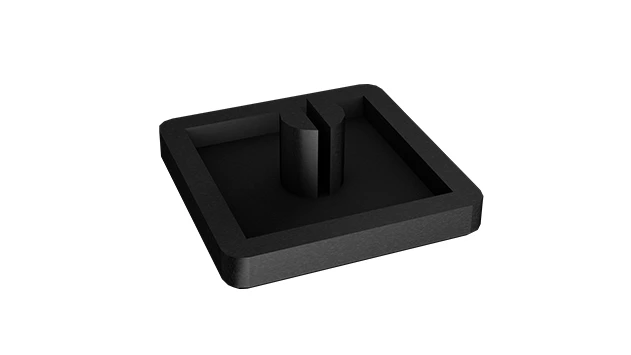
The aluminum profile end cap adds a finishing touch to your project and closes off profile ends to limit dust and debris buildup, also it can avaid some scratch for material and labor during the assemble work.
The Quiet Workhorses of Modern Industry
Walk through any manufacturing plant, warehouse, or even a trendy co-working space, and you'll probably overlook them at first glance. They're small, unassuming, and easy to take for granted—but aluminum profile end caps are the unsung heroes keeping our industrial and commercial spaces running smoothly. Today, we're zooming in on a specific star in this lineup: the 2020 aluminum profile end cap. More than just a "cap," it's a symbol of how even the smallest components can drive big change in sustainability and efficiency. Let's start by understanding why these little pieces matter, and how the 2020 model is redefining what it means to be eco-friendly and reusable in the world of aluminum extrusion profiles.
First, let's talk about the backbone they protect: aluminum extrusion profiles. If you've ever assembled a modular workbench, a shelving unit, or even a DIY project, you've likely handled these profiles. They're created by pushing molten aluminum through a die to form uniform, customizable shapes—think T-slots, squares, or rectangles—that interlock with accessories to build everything from machine guards to retail displays. But here's the thing: raw aluminum extrusion profiles have open ends. Without end caps, those ends become magnets for dust, debris, and moisture. Over time, that gunk can corrode the aluminum, weaken connections with other aluminum profile accessories, and even create safety hazards (ever brushed against a sharp, unprotected aluminum edge? Ouch). End caps seal those ends, keeping profiles clean, safe, and ready to work.
But not all end caps are created equal. For decades, many industries relied on plastic end caps—cheap, easy to produce, and disposable. They'd snap on, do their job for a few months, then crack, fall off, or get damaged during heavy use. Once broken, they'd end up in landfills, contributing to plastic waste. And since they weren't reusable or recyclable, companies were stuck in a cycle of constant replacement, eating into budgets and harming the planet. Enter the 2020 aluminum profile end cap: a small but mighty upgrade that's flipping the script on sustainability and longevity.
What Makes the 2020 Aluminum Profile End Cap Different?
Let's start with the basics: the "2020" in its name refers to its size, designed to fit 20x20mm aluminum profiles—the workhorses of modular systems. These profiles are lightweight yet strong, making them ideal for everything from small shelving units to heavy-duty manufacturing workbenches. The end cap itself is a simple, sleek disc (or sometimes a slightly domed shape) that snaps or screws onto the open end of the profile. But don't let its simplicity fool you—its design is packed with intentional choices that prioritize sustainability.
Material Matters: Recycled Aluminum Takes Center Stage
The first game-changer is the material. Unlike plastic end caps, which are often made from virgin plastics (or low-quality recycled plastics that degrade quickly), the 2020 aluminum profile end cap is typically crafted from high-grade recycled aluminum. Aluminum is one of the most recyclable materials on the planet—recycling it uses just 5% of the energy needed to produce new aluminum, and it can be recycled infinitely without losing quality. That means every time you buy a recycled aluminum end cap, you're not just reducing waste; you're cutting down on the carbon emissions tied to mining and refining new aluminum. It's a small choice with a big environmental footprint.
But recycled aluminum isn't just eco-friendly—it's durable. Plastic end caps might crack under pressure, warp in high temperatures, or degrade when exposed to chemicals (common in factories). Aluminum end caps? They laugh off those challenges. They're heat-resistant, corrosion-resistant (especially when treated with a protective coating), and tough enough to handle the bumps and scrapes of daily use. That durability translates to longevity: where a plastic cap might last 6 months, an aluminum one can stick around for years. And when it does finally reach the end of its life? It goes right back into the recycling stream, ready to be turned into a new end cap (or a bike frame, or a soda can—aluminum's versatility is endless).
Reusability: The Gift That Keeps on Giving
Here's where the 2020 aluminum profile end cap really shines: it's reusable. Think about how often industrial setups change. A factory might reconfigure a production line, a warehouse might rearrange shelving, or a lab might upgrade its workstations. With plastic end caps, you'd pry them off (often breaking them in the process) and toss them. With aluminum end caps? They pop off cleanly, no damage done. You can move them to a new profile, store them for later, or pass them along to another project. This isn't just convenient—it's cost-effective. Instead of buying new caps every time you rearrange, you reuse what you already have. Over time, those savings add up, especially for large facilities with hundreds (or thousands) of profiles.
Reusability also supports the circular economy—a model where products are designed to be reused, repaired, or recycled, rather than tossed after one use. For businesses aiming to reduce their environmental impact, adopting circular practices is no longer optional; it's expected by customers, regulators, and even investors. The 2020 aluminum profile end cap fits right into this model, turning a "single-use" mindset into a "multiple-lifecycle" reality.

Comparing Traditional vs. Sustainable End Caps: A Clear Winner
To really see the difference, let's put traditional plastic end caps and the 2020 aluminum profile end cap head-to-head. The table below breaks down key factors like materials, lifespan, recyclability, and cost over time:
| Feature | Traditional Plastic End Cap | 2020 Aluminum Profile End Cap |
|---|---|---|
| Material | Virgin or low-quality recycled plastic | High-grade recycled aluminum |
| Lifespan | 6–12 months (prone to cracking/warping) | 5+ years (durable, corrosion-resistant) |
| Reusability | Low (often breaks when removed) | High (easily removed and reused) |
| Recyclability | Limited (many plastics are not widely recyclable) | 100% recyclable (infinitely recyclable with minimal energy loss) |
| Initial Cost | Lower (≈$0.50–$1.00 per cap) | Higher (≈$2.00–$3.00 per cap) |
| Long-Term Cost | Higher (frequent replacement needed) | Lower (no replacement costs for years; reusable) |
| Environmental Impact | High (plastic waste, non-biodegradable, energy-intensive production) | Low (recycled materials, low energy recycling, minimal waste) |
The numbers speak for themselves. While plastic end caps might seem cheaper upfront, their short lifespan and lack of recyclability make them a losing bet in the long run. The 2020 aluminum profile end cap, on the other hand, is an investment that pays off—for your budget and the planet. It's a classic case of "spend a little more now, save a lot later."

Beyond the Cap: How 2020 End Caps Play Nice with Other Aluminum Profile Accessories
Aluminum extrusion profiles don't work alone—they team up with a whole ecosystem of aluminum profile accessories to create functional systems. Think brackets, connectors, hinges, and panels. The 2020 aluminum profile end cap isn't just compatible with these accessories; it enhances them. Let's break down how:
Seamless Integration with Profiles and Accessories
The 2020 aluminum profile end cap is designed to fit snugly on 20x20mm profiles—the most common size for lightweight to medium-duty applications. Its precision engineering ensures a tight seal, which is crucial when pairing profiles with accessories like T-slot nuts, brackets, or panels. A secure end cap means the profile stays structurally sound, so accessories attach firmly and don't loosen over time. For example, if you're building a workbench with a wooden top secured by brackets, a loose end cap could let moisture seep into the profile, weakening the bracket connection. With a tight aluminum cap? No problem—your workbench stays sturdy, and your accessories stay put.
Supporting Lean Manufacturing Practices
Many industries today embrace lean manufacturing—a philosophy focused on minimizing waste and maximizing efficiency. Aluminum extrusion profiles and their accessories are lean staples because they're modular (easy to adjust), lightweight (reducing energy use in transport), and customizable (no need for custom fabrication). The 2020 aluminum profile end cap fits right into this ethos. By being reusable and durable, it cuts down on waste from constant replacements. By sealing profiles tightly, it reduces maintenance time (no more cleaning out gunk from open ends). And by lasting longer, it aligns with the "do more with less" spirit of lean. When paired with other lean-friendly accessories—like adjustable brackets or modular panels—these end caps become part of a system that's as efficient as it is eco-friendly.
Aesthetic Appeal (Yes, It Matters!)
Let's not sleep on looks. In today's world, even industrial spaces are designed with aesthetics in mind. Think about a modern tech startup's office—they might use aluminum profiles for desk frames or display shelves, and they want those spaces to look clean and professional. Plastic end caps can look cheap, with rough edges or inconsistent coloring. Aluminum end caps? They have a sleek, finished look. Many come in neutral tones (silver, black, white) that blend with any design, and some even have customizable finishes (anodized, powder-coated) to match brand colors. When paired with high-quality aluminum profile accessories, they turn a functional setup into something that looks intentional and polished. It's a small detail, but it makes a big difference in how a space feels—for employees, customers, and visitors alike.
Real-World Impact: How Companies Are Winning with 2020 Aluminum End Caps
Enough theory—let's talk real stories. Across industries, companies are swapping plastic for aluminum end caps and seeing tangible benefits. Take a mid-sized electronics manufacturer in Ohio, for example. They had 500 workstations, each with 4–6 aluminum profiles, meaning they were buying over 2,000 plastic end caps annually. The caps kept cracking, especially near soldering stations (high heat) and in the shipping department (constant bumps). Their maintenance team was spending hours replacing caps, and the procurement team was tired of the recurring $2,000/year bill for replacements.
Then they switched to 2020 aluminum profile end caps. The initial investment was $6,000 (≈$3 per cap for 2,000 caps), but here's what happened next: Over three years, they replaced zero caps. When they reconfigured their production line after a year, they reused all the caps on the new workstations. The maintenance team stopped wasting time on cap replacements, and the procurement team crossed "end caps" off their quarterly shopping list. By year three, they'd saved over $4,000 (compared to the plastic cap cycle) and reduced plastic waste by over 6,000 caps. Plus, their workstations looked cleaner and more professional, which boosted employee morale. It's a classic "win-win-win"—for the budget, the planet, and the team.
Another example: a pharmaceutical lab in Germany. Labs have strict cleanliness standards, and plastic end caps were a headache—they'd trap dust and were hard to sanitize (chemicals would sometimes degrade the plastic). Switching to aluminum end caps solved both issues. The smooth aluminum surface is easy to wipe down with disinfectants, and the tight seal kept dust out of profiles. The lab also appreciated that aluminum is non-reactive, so there was no risk of chemical leaching (a big deal when handling sensitive medications). Within six months, they reported fewer contamination issues and better compliance with health regulations. And because the caps were reusable, they could easily swap them between profiles when reconfiguring lab setups for new experiments. Sustainability, meet safety—another perfect pairing.
Choosing the Right 2020 Aluminum Profile End Cap: What to Look For
Ready to make the switch? Great! But not all aluminum end caps are created equal. Here's what to keep in mind when shopping for 2020 aluminum profile end caps:
1. Fit: Precision is Key
First and foremost, the cap needs to fit your 2020 profile perfectly. Profiles can vary slightly in dimensions (even within the "2020" category), depending on the manufacturer or extrusion process. A cap that's too loose will fall off; one that's too tight will be impossible to remove (defeating the reusability factor). Look for caps labeled specifically for "2020 aluminum extrusion profiles" and check if the manufacturer provides size specs (inner diameter, length). If possible, order a sample pack first to test the fit on your profiles. It's a small step that saves a lot of frustration later.
2. Material Quality: Not All Aluminum is Created Equal
We've talked about recycled aluminum, but not all recycled aluminum is the same. Look for caps made from high-purity recycled aluminum (at least 95% recycled content is ideal). Avoid caps with cheap alloys that might bend or corrode easily. Reputable manufacturers will list their material sources and recycling certifications—don't be afraid to ask! You want a cap that's not just "recycled" in name, but in practice, with a supply chain that prioritizes sustainability.
3. Finish: Protection and Style
Aluminum is naturally corrosion-resistant, but a good finish takes it to the next level. Anodized finishes create a protective oxide layer that resists scratches and corrosion—great for humid or chemical-heavy environments. Powder-coated finishes add color and extra durability, ideal for high-visibility areas. If you're in a standard environment (like an office or dry warehouse), a basic mill finish might be enough. But for harsher conditions, splurge on a protective coating—it'll extend the cap's life even further.
4. Supplier Reliability: Partner with the Pros
Last but never least: choose a reputable supplier. Look for companies that specialize in aluminum profile accessories and have a track record of quality. Read reviews, ask for references, and check if they offer warranties (a good sign they stand behind their products). A reliable supplier will help you choose the right cap for your needs, answer questions about installation or recycling, and deliver consistent quality. Avoid sketchy online sellers with no reviews—you don't want to end up with caps that don't fit or fall apart after a month.
The Future of Sustainable Aluminum Accessories: What's Next?
The 2020 aluminum profile end cap is just the beginning. As sustainability becomes a core business value (not just a trend), we're seeing innovation across the entire aluminum accessories ecosystem. Here are a few trends to watch:
Smarter Materials: Beyond Recycled Aluminum
Manufacturers are experimenting with even more eco-friendly materials. Imagine end caps made from aluminum combined with plant-based fibers (for added strength) or recycled aluminum mixed with other recycled metals (like copper or zinc) to create alloys with specific properties (extra lightweight, super conductive). We're also seeing advances in coating technology—think bio-based coatings that are just as durable as traditional ones but fully biodegradable. The goal? To reduce the environmental impact at every stage, from production to disposal.
Modular Design: End Caps That Do More
Why stop at sealing ends? Future end caps might have built-in features: tiny sensors that monitor temperature or humidity inside the profile (useful for sensitive environments), or integrated clips that hold small accessories (like cable ties or labels). Some designers are even exploring "multi-functional" caps that can act as both end caps and mini brackets, reducing the need for separate accessories. The idea is to make each component work harder, cutting down on the total number of parts needed—and thus, the total waste.
Circular Supply Chains: From Cradle to Cradle
The future isn't just about recycling end caps—it's about designing supply chains that are circular from the start. Imagine a supplier that takes back old end caps, recycles them, and uses that recycled aluminum to make new caps—all while tracking the carbon footprint of every step. Some companies are already testing "lease-a-cap" models, where businesses rent end caps instead of buying them, and the supplier handles maintenance, recycling, and replacement. It's a radical shift from ownership to access, and it could make sustainability even more accessible for small and medium-sized businesses.
Digital Tools: Making Sustainability Measurable
Data is power, and soon, we might see end caps (and other aluminum accessories) with digital IDs. Using QR codes or RFID tags, these IDs would let businesses track a cap's lifecycle: where it was made, how many times it's been reused, when it was recycled, and its total environmental impact. This data could help companies measure their sustainability goals (like "reduce waste by 20%") and make smarter choices about which accessories to buy. It's transparency taken to the next level—and it could revolutionize how we think about "green" products.
Final Thoughts: Small Change, Big Impact
The 2020 aluminum profile end cap is a reminder that sustainability doesn't always require big, flashy innovations. Sometimes, the most powerful changes come from reimagining the smallest components. By choosing a reusable, recycled aluminum end cap over a disposable plastic one, businesses are not just saving money—they're reducing waste, cutting carbon emissions, and building a more resilient future.
Whether you're running a factory, managing a warehouse, or building a DIY project, these caps are a simple, actionable step toward sustainability. They fit seamlessly into existing systems, work with other aluminum profile accessories, and prove that "eco-friendly" and "efficient" can (and should) go hand in hand. So the next time you're assembling a profile, take a second to appreciate the end cap. It might be small, but its impact? That's anything but.
Here's to the quiet heroes—the end caps, the accessories, and the people who choose to build a world where even the smallest parts are designed to do good. The future of industry isn't just about making things—it's about making things that matter, for people and the planet. And with the 2020 aluminum profile end cap, we're already well on our way.