- Company Articles
- Products and Technology
- Solution
- Sustainable Aluminum Side Guards: Aligning with Reusable Lean Manufacturing Goals

Sustainable Aluminum Side Guards: Aligning with Reusable Lean Manufacturing Goals
Related Product
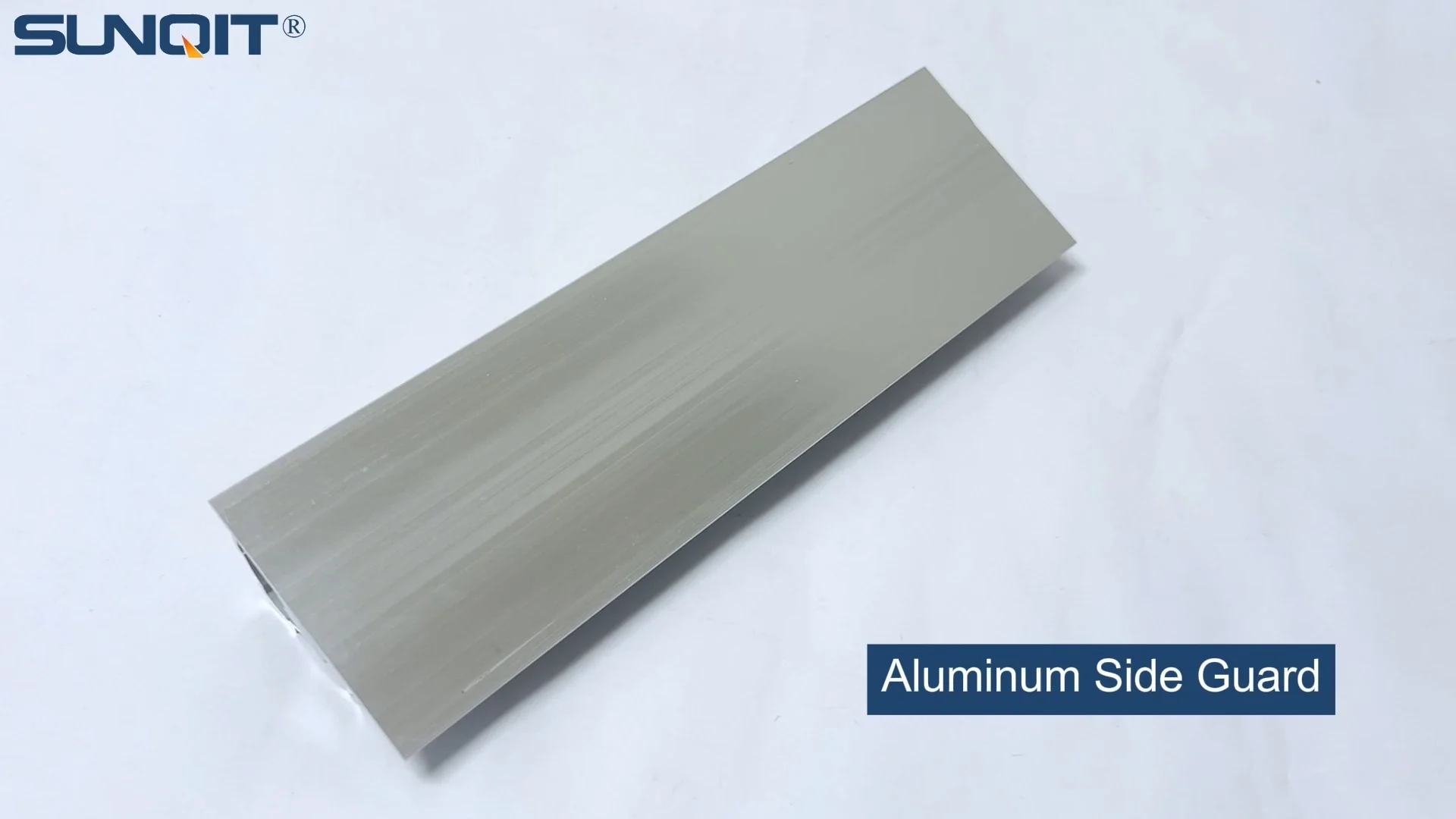
Aluminum Side Guard
Aluminum side guard, it works with a aluminum pipe or a roller track as side guard to prevent material drop,or move to wrong direction.
In today's fast-paced manufacturing landscape, the pressure to do more with less has never been greater. Factories and production facilities are not just chasing efficiency—they're striving to build systems that stand the test of time, reduce waste, and minimize environmental impact. This is where lean manufacturing and sustainability intersect, creating a powerful framework for businesses to thrive while respecting the planet. At the heart of this intersection lies a seemingly simple yet transformative component: the aluminum side guard. More than just a protective barrier, it's a symbol of how thoughtful material choices and modular design can turn traditional production lines into agile, eco-friendly ecosystems. Let's dive into how sustainable aluminum side guards are redefining reusable lean manufacturing goals, and why they've become a cornerstone for forward-thinking suppliers and manufacturers alike.
Lean Manufacturing and Sustainability: A Natural Partnership
Lean manufacturing, born from the Toyota Production System, has long been celebrated for its focus on eliminating waste—whether that's excess inventory, unnecessary movement, or inefficient processes. But in recent years, "waste" has taken on a broader meaning. Today, it includes not just operational inefficiencies but also environmental harm: wasted materials, energy, and resources that end up in landfills or contribute to carbon footprints. This shift has turned sustainability from a buzzword into a core lean principle. After all, what's more wasteful than producing components that can't be reused, repaired, or recycled?
Enter reusable lean systems. These systems prioritize flexibility, durability, and adaptability, ensuring that every part of the production line can evolve with changing needs—without being scrapped and replaced. From adjustable workbenches to modular flow racks, the goal is to create a "circular" manufacturing environment where waste is minimized at every turn. And this is where aluminum, particularly aluminum lean pipe and its accessories, shines. Unlike rigid steel structures or single-use plastic components, aluminum-based systems are designed to be reconfigured, repurposed, and recycled, making them a perfect fit for the modern lean mindset.
Aluminum: The Sustainable Backbone of Modern Lean Systems
Why aluminum? Let's start with the basics. Aluminum is one of the most abundant metals on Earth, but its true sustainability superpower lies in its recyclability. Unlike many materials, aluminum can be recycled repeatedly without losing its strength or quality. In fact, recycling aluminum uses just 5% of the energy required to produce new aluminum from raw bauxite ore—a staggering reduction that translates to lower carbon emissions and reduced resource depletion. For manufacturers committed to reducing their environmental impact, this alone makes aluminum a standout choice.
But sustainability isn't just about end-of-life recycling; it's also about longevity and adaptability. Aluminum lean pipe, for example, is lightweight yet incredibly strong, able to withstand the rigors of daily manufacturing use without corroding or degrading. Its modular design, paired with aluminum profile accessories like joints and connectors, means that a single length of aluminum pipe can be part of a workbench today, a flow rack tomorrow, and a material trolley next month. This flexibility eliminates the need to purchase new components every time production needs change, drastically cutting down on material waste.
Take aluminum side guards, for instance. These unassuming components play a critical role in guiding materials along roller tracks, protecting workers from moving parts, and ensuring smooth, safe workflow. Traditionally, side guards might have been made from steel (heavy, prone to rust) or plastic (fragile, single-use). But aluminum side guards? They're lightweight enough to be easily repositioned, durable enough to last for decades, and when their time in one line is done, they can be disassembled, cleaned, and reused elsewhere in the facility. It's lean thinking in action—maximizing value, minimizing waste, and keeping resources in circulation.

Aluminum Side Guards: Designing for Reusability and Efficiency
Aluminum side guards aren't just "sustainable by accident"—they're engineered with reusability and efficiency in mind. Let's break down their design and how it aligns with lean goals:
Modularity: Aluminum side guards are typically built using aluminum profile systems, which feature standardized T-slot designs. These slots allow for easy attachment of accessories like brackets, guides, and connectors, meaning the guards can be adjusted in height, length, or angle with minimal tools. A side guard used on a 40 steel roller track today can be modified with a few new brackets to fit a 38 aluminum roller track tomorrow. No cutting, welding, or specialized labor required—just simple adjustments that keep the guard in use, not in the trash.
Durability: Manufacturing environments are tough. Chemicals, heavy loads, and constant movement can take a toll on equipment. Aluminum's natural resistance to corrosion and rust ensures that side guards stay functional even in humid or harsh conditions. Unlike plastic, which can crack or warp under stress, or steel, which requires regular painting to prevent rust, aluminum side guards maintain their integrity with minimal maintenance. This longevity means fewer replacements, less waste, and lower long-term costs.
Lightweight Flexibility: Aluminum is about one-third the weight of steel, making it easy to handle and reposition. This is a game-changer for lean facilities that need to adapt quickly to new production layouts. A team can disassemble and relocate a set of aluminum side guards in hours, not days, reducing downtime and keeping the line moving. For example, if a workstation needs to be reconfigured to accommodate a new product, the side guards from the old setup can be repurposed instead of being discarded.
Integration with Lean Components: Aluminum side guards don't work in isolation—they're part of a larger ecosystem of lean tools. They pair seamlessly with roller tracks to guide materials through the production line, ensuring items flow smoothly without jams or spills (a key lean principle: reducing "motion" and "waiting" waste). They attach to workbenches to create safe, organized spaces where tools and materials are within easy reach, minimizing "transportation" waste. And when paired with aluminum profile accessories like swivel roller balls or adjustable brackets, they become even more versatile, adapting to everything from small electronics assembly to heavy automotive parts handling.

Comparing Materials: Why Aluminum Side Guards Outshine the Rest
To truly appreciate the sustainability of aluminum side guards, it helps to see how they stack up against traditional materials. Let's take a closer look:
| Material | Recyclability | Durability/Lifespan | Flexibility/Reusability | Environmental Impact (Energy Use) |
|---|---|---|---|---|
| Aluminum (Aluminum Lean Pipe) | 100% recyclable; retains 95% of original quality after recycling | 15–20+ years (corrosion-resistant, low maintenance) | Highly modular; easy to reconfigure with aluminum profile accessories | 5% of energy vs. producing new aluminum; low carbon footprint |
| Steel | Recyclable, but energy-intensive; loses quality after multiple recycles | 10–15 years (prone to rust without regular maintenance) | Rigid; requires welding/cutting to reconfigure (high waste) | 30–40% of energy vs. producing new steel; higher emissions |
| Plastic | Limited recyclability (often downcycled); many types end up in landfills | 3–5 years (prone to cracking, warping, UV damage) | Single-use or limited reuse; difficult to modify without damage | Derived from fossil fuels; high carbon footprint in production |
The data speaks for itself. Aluminum side guards outperform steel and plastic in nearly every category that matters for sustainability and lean efficiency. They're not just a better choice for the planet—they're a better choice for the bottom line. By investing in aluminum, manufacturers reduce long-term costs associated with replacement, maintenance, and waste disposal, all while aligning with their lean goals of eliminating waste and continuous improvement.
Case Study: How One Manufacturer Cut Waste with Aluminum Side Guards
Case Study: Automotive Parts Supplier Reduces Waste by 65% with Aluminum Lean Systems
A mid-sized automotive parts manufacturer in the Midwest was struggling with two key issues: frequent line reconfigurations (due to changing customer orders) and high waste from scrapped steel guards and plastic dividers. Their production lines relied on fixed steel structures and single-use plastic guides, which were heavy, hard to modify, and often damaged during reconfigurations. When a new order came in, the team would spend days cutting and welding steel to build new guards, only to scrap the old ones. Plastic components fared even worse—they cracked under the weight of heavy parts and were tossed after a few months.
The solution? A switch to aluminum lean pipe systems, including aluminum side guards, roller tracks, and modular workbenches. The manufacturer partnered with a lean pipe supplier to design a flexible line using aluminum profile accessories like internal rotatory joints and adjustable brackets. Within six months, the results were clear:
- 65% reduction in material waste: Old steel and plastic guards were replaced with aluminum side guards that could be reconfigured in hours, not days. Over a year, the company diverted 2.3 tons of waste from landfills.
- 40% faster line reconfigurations: The lightweight, modular aluminum system allowed the team to adjust side guards, roller tracks, and workbenches in a fraction of the time, reducing downtime between orders.
- 25% lower maintenance costs: Aluminum's corrosion resistance eliminated the need for regular painting and rust repairs, while the durable design reduced replacement parts orders.
"We used to see every line change as a headache—now it's just another day at the office," said the plant manager. "The aluminum side guards and lean pipe system have given us the flexibility to adapt without wasting materials. It's lean, it's green, and it's saved us money. That's a win-win-win."
Beyond the Factory Floor: The Ripple Effects of Sustainable Lean Systems
The impact of aluminum side guards and reusable lean systems extends far beyond the production line. For starters, they support a culture of continuous improvement—the cornerstone of lean manufacturing. When workers see that their facility values sustainability and efficiency, it encourages them to look for other ways to reduce waste, from optimizing workflows to conserving energy. This cultural shift can lead to even bigger wins, like lower utility bills, improved employee morale, and a stronger brand reputation.
Then there's the supply chain ripple effect. By partnering with lean pipe suppliers and aluminum profile specialists that prioritize sustainability, manufacturers send a signal to their vendors: eco-friendly practices matter. This can drive demand for more sustainable raw materials, recycling programs, and green logistics, creating a more sustainable industry as a whole. For example, the same aluminum side guard that starts its life on a workbench might end up being recycled into a new roller track connector or aluminum profile accessory, closing the loop on the material's lifecycle.
Finally, there's the customer factor. Today's consumers and B2B buyers are increasingly prioritizing sustainability when choosing partners. A manufacturer that can demonstrate a commitment to reusable lean systems and reduced waste is more likely to win contracts, build trust, and stand out in a crowded market. Aluminum side guards might seem like a small detail, but they're part of a larger story about responsibility—one that resonates with customers who want to align their purchases with their values.
The Future of Sustainable Lean Manufacturing: Innovations in Aluminum Systems
As technology advances, so too do the possibilities for aluminum lean systems. One emerging trend is the integration of smart sensors into aluminum profile accessories, allowing manufacturers to monitor the performance of side guards, roller tracks, and workbenches in real time. For example, sensors could detect when a side guard is misaligned (preventing jams) or when a roller track needs lubrication (reducing wear and tear). This "predictive maintenance" not only extends the life of components but also minimizes downtime—another lean win.
Another innovation is the development of even more lightweight yet strong aluminum alloys, which could make side guards and lean pipe systems even easier to handle and more durable. Researchers are also exploring ways to enhance aluminum's natural properties, such as adding nano-coatings to improve scratch resistance or integrating recycled aluminum with other sustainable materials (like bamboo fibers) for specialized applications.
Perhaps most exciting is the rise of "circular" lean suppliers—companies that not only sell aluminum lean pipe and accessories but also take back old components for recycling or refurbishment. This closed-loop model ensures that even when a component reaches the end of its life, it doesn't end up in a landfill. Instead, it's melted down, reformed, and turned into new side guards, joints, or tracks, keeping the cycle of sustainability going.
Conclusion: Aluminum Side Guards—Small Components, Big Impact
In the world of lean manufacturing, it's often the smallest components that make the biggest difference. Aluminum side guards are a perfect example. They're not flashy or high-tech, but they embody the core principles of lean and sustainability: eliminating waste, maximizing value, and building systems that adapt and endure. By choosing aluminum over traditional materials, manufacturers are not just investing in a tool—they're investing in a mindset: one that says, "We can do better, for our business, our workers, and our planet."
As the manufacturing industry continues to evolve, the demand for reusable, sustainable solutions will only grow. Aluminum lean pipe systems, with their modular design, recyclability, and durability, are poised to lead the way. And at the heart of it all? The humble aluminum side guard—quietly guiding materials, protecting workers, and proving that sustainability and efficiency don't have to be trade-offs. They can be partners, working together to build a leaner, greener future for manufacturing.