- Company Articles
- Products and Technology
- Product knowledge
- Sustainable & Reusable: Eco-Friendly Benefits of Roller Track Placon Mount Brackets

Sustainable & Reusable: Eco-Friendly Benefits of Roller Track Placon Mount Brackets
Related Product
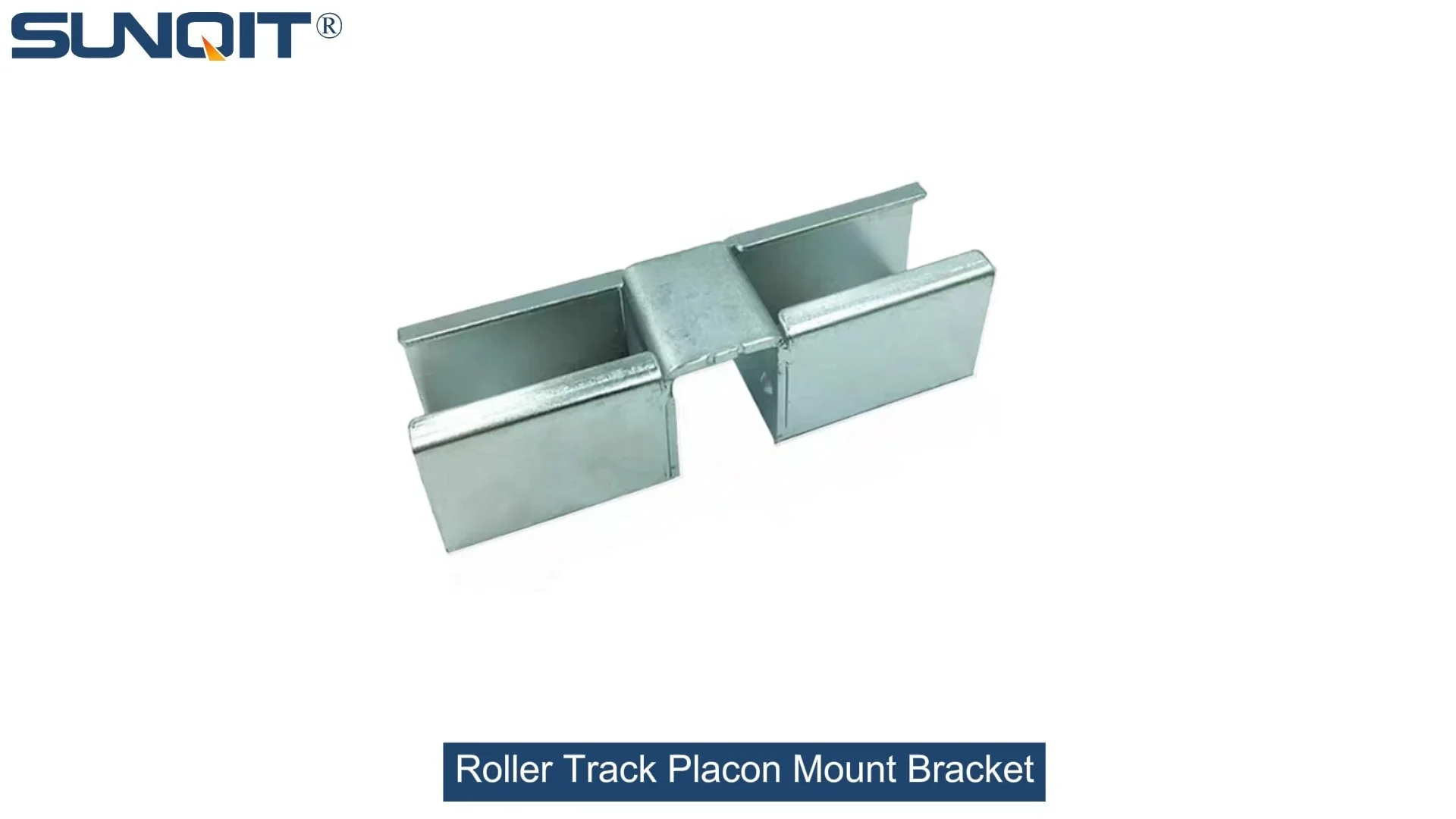
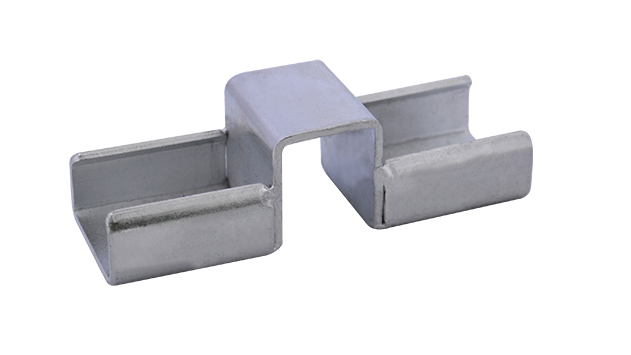
Roller Track Placon Mount Bracket
Roller track placon mount work as a connector for roller track and pipe or aluminum profile in rack syetem, it is a necessary parts in rack system which widely used in industrial plant and logistic,warehouse storage.
In the bustling world of manufacturing, where every minute counts and every resource matters, factory managers and production teams face a constant balancing act: how to boost efficiency without sacrificing sustainability. The pressure to meet tight deadlines, adapt to shifting market demands, and reduce environmental impact has never been higher. Yet, amid these challenges, there's a quiet hero transforming production lines worldwide: the Roller Track Placon Mount Bracket. More than just a metal component, it's a bridge between lean manufacturing principles and eco-conscious operations, proving that productivity and planet can thrive together.
Imagine walking through a modern 3C assembly plant—rows of sleek workstations, components gliding smoothly along conveyor lines, workers focused on precision tasks rather than wrestling with rigid, outdated equipment. What makes this scene possible? Often, it's the unassuming brackets holding roller tracks in place, designed to adapt, endure, and minimize waste. Today, we're diving deep into how Roller Track Placon Mount Brackets, paired with aluminum profile and lean pipe systems, are redefining what it means to build a sustainable, efficient factory floor.
The Green Foundation: Aluminum Profile's Eco-Friendly Edge
At the core of these brackets lies a material choice that speaks volumes about sustainability: aluminum profile. Unlike traditional steel brackets that rust over time or plastic components that degrade and end up in landfills, aluminum brings a unique set of environmental benefits. For starters, aluminum is infinitely recyclable. When a bracket reaches the end of its service life (which, with aluminum's durability, could be decades), it can be melted down and repurposed into new components with 95% less energy than producing raw aluminum. This isn't just a "green talking point"—it's a tangible reduction in carbon footprint that manufacturers can measure and celebrate.
But recyclability is just the beginning. Aluminum's natural resistance to corrosion means these brackets require little to no maintenance, reducing the need for chemical coatings or frequent replacements. In a factory setting, where moisture, oils, and constant use take a toll, this longevity translates to fewer replacements, less waste, and lower long-term costs. Consider this: a single aluminum bracket can outlast three or more steel brackets in high-use areas, cutting down on material consumption and the emissions associated with manufacturing new parts.
Real Impact: A mid-sized electronics manufacturer in China recently switched to aluminum profile-based roller track systems. Over two years, they reduced bracket replacements by 68% and cut waste disposal costs by $42,000 annually. Their sustainability report now highlights aluminum recycling as a key achievement in their ESG goals.
Modular Design: The Antidote to Manufacturing Waste
One of the biggest environmental drains in manufacturing is "planned obsolescence"—equipment designed to be replaced, not repaired. Roller Track Placon Mount Brackets flip this script with modular design. These brackets aren't one-size-fits-all; they're part of a lean system where components can be rearranged, adjusted, or repurposed as production needs change. Need to reconfigure a conveyor line for a new product? Swap out a bracket here, add an extension there—no need to tear down the entire system and start fresh.
This flexibility is a game-changer for sustainability. In traditional setups, retooling a production line often means discarding old brackets and purchasing new ones, creating mountains of waste. With modular aluminum brackets, that waste disappears. A 3C manufacturer producing smartphones, for example, might need to adjust their roller tracks every 6–12 months to accommodate new models. Instead of scrapping old brackets, they simply reposition them, saving both materials and money. It's lean manufacturing in action—"sustainable improvement" isn't just a buzzword; it's built into the hardware.
Another hidden benefit? Reduced energy consumption during installation and reconfiguration. Aluminum is lightweight compared to steel, making it easier for workers to handle without heavy machinery. Less lifting, fewer trips with forklifts, and quicker setup times mean lower energy use on the factory floor. It's a small detail, but when multiplied across hundreds of installations annually, the energy savings add up.
Lean Solution in Action: How Brackets Boost Efficiency & Sustainability
Roller Track Placon Mount Brackets don't just shine in sustainability—they're also workhorses for lean production. Let's break down how they integrate with key components like lean pipe workbenches, conveyors, and flow racks to create a system that's both efficient and eco-friendly.
Take lean pipe workbenches, for example. These workstations are the heart of many assembly lines, and their stability depends on sturdy brackets. Aluminum roller track brackets ensure that materials glide smoothly from the flow rack to the workbench, reducing friction and the risk of jams. When workers don't have to stop and fix stuck components, production flows faster—and faster production means less energy wasted on idle machinery. It's a win-win: happier workers (no more frustrating delays) and a greener operation (lower energy bills).
In medical device manufacturing, where precision and cleanliness are critical, these brackets play an even more nuanced role. Aluminum's non-porous surface resists bacteria growth, reducing the need for harsh chemical cleaners that harm the environment. And because the brackets are easy to disassemble and sanitize, medical facilities can maintain strict hygiene standards without relying on single-use cleaning supplies. It's sustainability with a side of safety—exactly what the healthcare industry needs.
| Aspect | Traditional Fixed Brackets | Roller Track Placon Mount Brackets (Modular Aluminum) |
|---|---|---|
| Material Waste per Line Redesign | High (60–80% of components discarded) | Low (<5% of components discarded) |
| Energy Use for Installation/Reconfiguration | High (Requires heavy machinery, 8+ hours) | Low (Manual setup, 2–3 hours) |
| Carbon Footprint (10-Year Lifespan) | 1,200 kg CO₂e | 320 kg CO₂e (65% reduction) |
| Total Cost of Ownership | Higher (Frequent replacements, waste disposal) | Lower (50–70% reduction in long-term costs) |

From Factory Floor to Global Impact: The Ripple Effect of Sustainable Choices
Sustainability in manufacturing isn't just about one factory—it's about a global shift toward responsible production. When companies choose Roller Track Placon Mount Brackets, they're joining a movement that prioritizes the planet without compromising on performance. Let's look at two industries where this impact is particularly evident: 3C assembly and (warehousing and logistics).
In 3C assembly—where products like smartphones and laptops are built at lightning speed—production lines must adapt to new models every few months. A modular roller track system with aluminum brackets allows manufacturers to keep up with this pace. For instance, a Taiwanese electronics firm recently used these brackets to reconfigure their assembly line for a new tablet model in just 48 hours, compared to the week it took with traditional steel brackets. The shorter downtime meant they met their launch deadline and avoided rushing production (which often leads to excess waste from errors).
In, flow racks equipped with Roller Track Placon Mount Brackets are revolutionizing how goods move. Traditional static racks require workers to lift heavy items, increasing the risk of injury and energy use. With smooth-rolling tracks supported by durable aluminum brackets, items glide effortlessly, reducing manual labor and the need for electric lifts. A warehouse in Germany reported a 35% drop in energy use for material handling after upgrading to these systems—all while reducing workplace injuries by 28%. It's proof that sustainability and worker well-being go hand in hand.

The Future of Manufacturing: Where Lean Meets Green
As governments tighten environmental regulations and consumers demand greener products, manufacturers are under pressure to prove their sustainability credentials. Roller Track Placon Mount Brackets aren't just a tool for today—they're an investment in tomorrow's manufacturing landscape. By choosing reusable, recyclable components, companies are building resilience against future regulations and positioning themselves as leaders in the circular economy.
Consider the rise of "lean solution" providers who prioritize both efficiency and sustainability. These providers aren't just selling brackets or pipes—they're selling a vision of manufacturing where waste is minimized, resources are respected, and workers thrive. Roller Track Placon Mount Brackets are a cornerstone of this vision, offering a tangible way to turn sustainability goals into daily operations.
In the end, the choice is clear: manufacturing can't afford to ignore sustainability, and sustainability can't afford to ignore efficiency. Roller Track Placon Mount Brackets bridge that gap, proving that the most innovative solutions are often the ones that work with the planet, not against it. Whether you're running a small workshop or a global production facility, these brackets are more than a purchase—they're a promise: to build better products, use fewer resources, and leave a lighter footprint on the world.
Final Thought: Every bracket, every roller track, every decision to reuse instead of replace is a step toward a more sustainable future. With Roller Track Placon Mount Brackets, that future isn't just possible—it's already here, one assembly line at a time.