- Company Articles
- Products and Technology
- Product knowledge
- Sustainable Design with 3060 Aluminum Angle Yards for Medical Warehousing

Sustainable Design with 3060 Aluminum Angle Yards for Medical Warehousing
Related Product
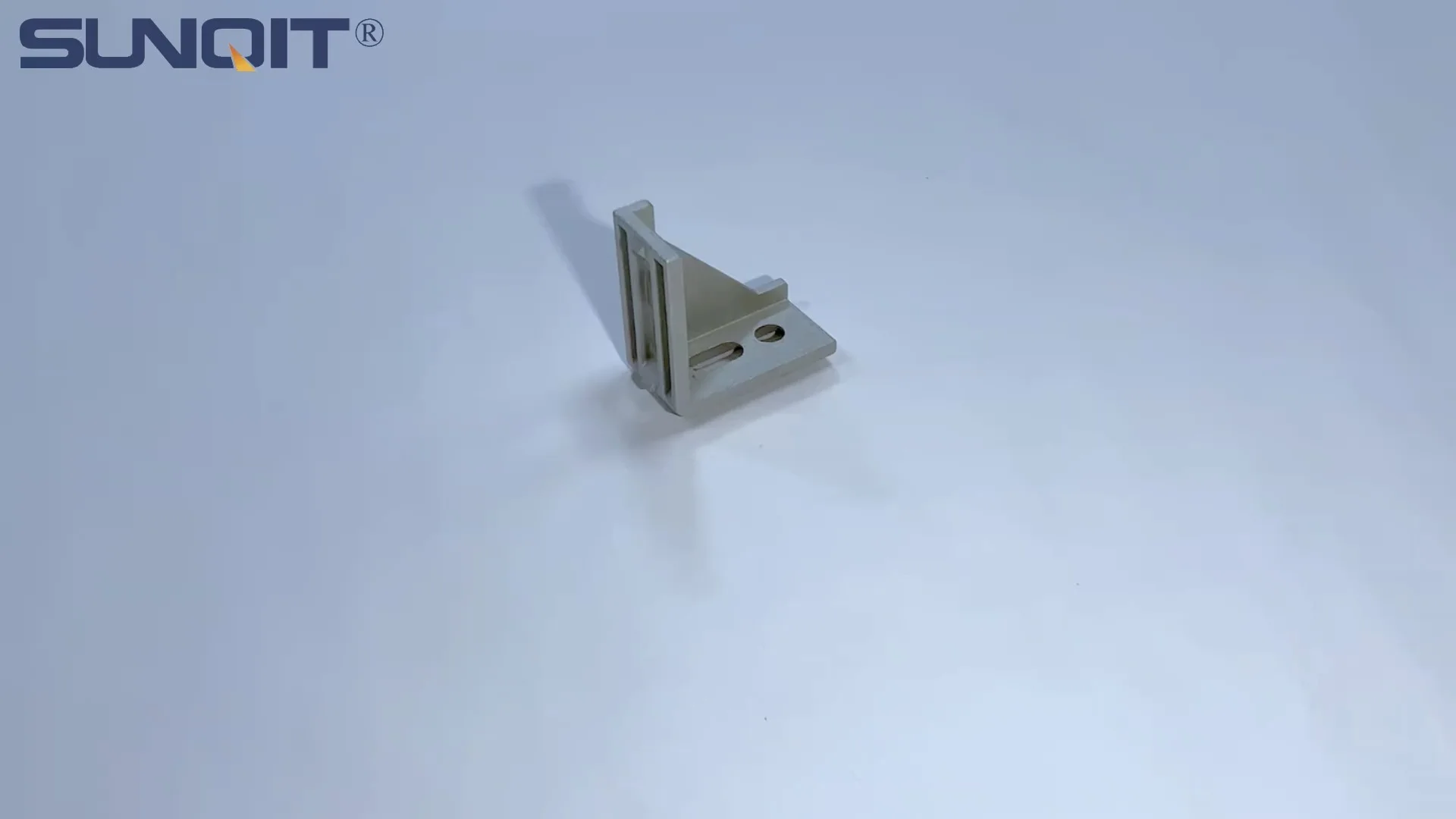
3060 Aluminum Angle Yards
It used for 90° flat connection for 20 series aluminum profile.
Balancing efficiency, hygiene, and environmental responsibility in healthcare supply chains
The Critical Role of Medical Warehousing in Modern Healthcare
Behind every successful hospital, clinic, or medical facility lies a backbone that often goes unnoticed: the medical warehousing system. These spaces are more than just storage units—they are precision hubs where life-saving supplies, from sterile syringes and surgical tools to temperature-sensitive vaccines and life-support equipment, are managed, tracked, and distributed. In an industry where delays can mean the difference between life and death, the efficiency, reliability, and safety of these warehouses are non-negotiable.
But in recent years, medical warehousing has faced new pressures. The global pandemic shone a harsh light on supply chain vulnerabilities, highlighting the need for flexible, resilient systems that can adapt to sudden surges in demand. At the same time, the healthcare sector's growing commitment to sustainability has pushed leaders to rethink traditional practices—including the materials and designs that form the physical infrastructure of these warehouses. Wood, steel, and plastic have long been staples, but they often fall short in key areas: durability in harsh cleaning regimes, adaptability to changing needs, and alignment with eco-friendly goals.
Enter 3060 aluminum angle yards —a material solution that's quietly transforming how medical warehouses are designed. Blending strength, versatility, and sustainability, these aluminum profiles are proving to be a game-changer for facilities aiming to meet the dual demands of operational excellence and environmental responsibility. In this article, we'll explore how 3060 aluminum angle yards are reshaping medical warehousing, from their technical benefits to their real-world applications in lean systems , workbenches, and storage solutions like material rack b (3 row and 3 floor) .
The Case Against Traditional Materials: Why Medical Warehousing Needs an Upgrade
For decades, medical warehouses relied on three primary materials: steel, wood, and plastic. Each has its merits, but none fully address the unique challenges of healthcare storage. Let's break down their limitations:
Steel: Strong and durable, but heavy and prone to corrosion. In medical settings—where frequent sanitization with harsh chemicals is standard—uncoated steel racks and workbenches quickly develop rust, creating crevices where bacteria can hide. Welding or bolting steel structures into place also makes them fixed; reconfiguring a steel rack to accommodate new inventory (like larger ventilators during a crisis) requires cutting, welding, and downtime—all costly and disruptive.
Wood: Renewable and affordable, but porous and short-lived. Wooden shelves absorb moisture, making them a breeding ground for mold and pathogens. They also warp under heavy loads or humidity, compromising stability. For medical supplies that demand strict cleanliness (e.g., sterile dressings), wood is a liability. Plus, frequent replacement due to wear adds to long-term costs and waste.
Plastic: Lightweight and resistant to moisture, but lacking in strength. Plastic shelving often bends under heavy loads, limiting its use for bulky items like IV fluid cases. It also degrades under UV light (a problem in warehouses with natural lighting) and releases harmful chemicals when incinerated, conflicting with sustainability goals.
The result? Medical facilities are stuck in a cycle: choosing between durability, cleanliness, and flexibility—with sustainability often an afterthought. What they need is a material that excels in all three. That's where aluminum profile systems, specifically 3060 aluminum angle yards, come into play.

3060 Aluminum Angle Yards: A Material Built for Medical Excellence
At first glance, 3060 aluminum angle yards might seem like just another industrial component. But their design and properties make them uniquely suited for medical warehousing. Let's start with the basics: what exactly are they?
3060 aluminum angle yards are extruded aluminum profiles with a right-angle cross-section, measuring 30mm in one leg and 60mm in the other. They're part of the broader family of aluminum extrusion profiles—materials shaped by forcing heated aluminum through a die to create consistent, custom cross-sections. What sets 3060 angle yards apart is their balance of strength, weight, and adaptability.
Durability That Stands Up to Medical Rigors: Aluminum is naturally resistant to corrosion, thanks to a thin oxide layer that forms on its surface, protecting it from rust and chemical damage. In medical warehouses, where daily cleaning with peroxide or alcohol-based disinfectants is routine, this resistance is critical. Unlike steel, aluminum angle yards won't rust or degrade, even after years of exposure to moisture and chemicals. Their extruded design also ensures uniform strength—no weak points or seams—so they can support heavy loads (up to 500kg per linear meter, depending on configuration) without bending.
Cleanability: A Hygienic Advantage: Aluminum's smooth, non-porous surface leaves nowhere for bacteria, mold, or residue to cling. A quick wipe with a disinfectant spray is all it takes to maintain sterility—no scrubbing into crevices or worrying about hidden pathogens. This is a game-changer for facilities storing high-risk items like surgical instruments or vaccines, where even minor contamination can have severe consequences.
Modularity: Adapt Fast, Stay Flexible: Perhaps the biggest advantage of 3060 aluminum angle yards is their modularity. Unlike steel or wood, they don't require welding or permanent fasteners. Instead, they connect using specialized brackets, screws, and aluminum profile accessories (e.g., corner codes, T-slot nuts). This means a 3060 aluminum rack can be disassembled, reconfigured, or expanded in hours—not days. Need to add a shelf for new PPE stock? Swap out a few brackets. Need to shorten a workbench to make space for a new conveyor? Simply remove a section of the angle yard and reattach the legs. This flexibility is invaluable in medical settings, where inventory needs can shift overnight.
Lightweight Yet Strong: Aluminum is 60% lighter than steel, making 3060 angle yards easy to handle during installation or reconfiguration. A single worker can move a section of aluminum shelving without heavy machinery, reducing labor costs and injury risk. Despite their light weight, they're surprisingly strong: the 30mm x 60mm cross-section provides excellent load-bearing capacity, supporting up to 200kg per linear meter (depending on the thickness of the aluminum wall). This makes them ideal for everything from small vials to large medical devices.
Sustainability: Green by Design: Aluminum is infinitely recyclable—meaning it can be melted down and reused without losing quality. Recycling aluminum requires just 5% of the energy needed to produce new aluminum, cutting carbon emissions dramatically. For healthcare facilities aiming to reduce their carbon footprint, this is a huge win. Plus, 3060 angle yards have a lifespan of 20+ years with minimal maintenance, reducing the need for frequent replacements and lowering waste.

Integrating 3060 Aluminum Angle Yards into Lean Systems: Efficiency Meets Sustainability
Medical warehouses don't just need to store supplies—they need to move them efficiently. That's where lean system principles come in. Lean is all about eliminating waste: reducing unnecessary motion, minimizing inventory, and streamlining workflows. 3060 aluminum angle yards aren't just a material; they're a tool to make lean a reality in healthcare storage.
Let's look at how aluminum profiles support key lean goals:
1. Waste Reduction: No More "Dead Space" Traditional fixed racks often leave gaps between shelves or unused vertical space. With 3060 aluminum angle yards, you can customize shelf heights, depths, and configurations to fit your exact inventory. For example, a material rack b (3 row and 3 floor) —a common aluminum profile design—maximizes vertical storage with three rows and three adjustable floors. Each floor can be set to different heights: lower shelves for heavy items (e.g., oxygen tanks), middle shelves for frequently accessed supplies (e.g., gloves), and upper shelves for bulk storage (e.g., face masks). This eliminates "dead space" and ensures every inch of the warehouse is used effectively.
2. Flexibility: Adapt to Demand Spikes Lean systems thrive on adaptability, and medical demand is anything but predictable. During flu season, a warehouse might need to triple its stock of vaccines; during a pandemic, it might shift to storing ventilators and PPE. 3060 aluminum angle yards make these transitions seamless. Unlike steel racks, which are welded in place, aluminum structures can be disassembled and reassembled in hours. A material rack b can be reconfigured from 3 rows to 5 rows, or converted into a mobile trolley with the addition of casters—all without specialized tools. This agility reduces downtime and ensures the warehouse can pivot quickly, keeping supplies flowing when they're needed most.
3. Visual Management: See What You Need, When You Need It Lean relies on visual cues to keep workflows smooth. 3060 aluminum angle yards support this with their open, modular design. Unlike closed steel cabinets, aluminum racks have no solid sides, making inventory visible at a glance. Add color-coded labels or bins (easily attached to aluminum's T-slot grooves) and you've created a visual system where workers can locate supplies in seconds. This cuts down on "motion waste"—the time spent searching for items—and reduces errors (e.g., grabbing the wrong size syringe).
4. Ergonomics: Protecting Your Team Lean isn't just about supplies—it's about people. Repetitive lifting, bending, or reaching can lead to worker injuries, disrupting operations. 3060 aluminum angle yards let you design ergonomic workspaces. For example, an aluminum workbench can be adjusted to the ideal height (800–900mm for most workers) using telescoping legs and adjustable brackets. Add a footrest or anti-fatigue mat, and you've created a workspace that reduces strain. Happier, healthier workers are more productive—another lean win.
The result? A warehouse that's not just sustainable, but hyper-efficient. By combining 3060 aluminum angle yards with lean principles, medical facilities can reduce waste, cut costs, and improve patient outcomes—all while shrinking their environmental footprint.

Real-World Applications: From Workbenches to Material Racks
Talk is cheap—let's look at how 3060 aluminum angle yards are transforming specific aspects of medical warehousing. We'll focus on two critical applications: workbenches and material racks.
Aluminum Workbenches: Precision Stations for Critical Tasks Medical device assembly, kit packing (e.g., surgical trays), and inventory counting all happen at workbenches. These stations need to be sturdy, clean, and adaptable. 3060 aluminum angle yards excel here. A typical aluminum workbench frame uses 3060 angle yards for the legs and supports, with a laminate or stainless steel top. The T-slot grooves in the angle yards allow easy attachment of accessories: tool hooks, LED task lights, or bin holders. Need to add a keyboard tray for barcode scanning? Screw it into the T-slot. Want to adjust the height for a taller worker? Swap out the leg extensions. Unlike wooden or steel benches, aluminum workbenches won't warp, rust, or harbor bacteria—ensuring compliance with strict healthcare hygiene standards (e.g., ISO 13485 for medical device manufacturing).
One example: A children's hospital in California replaced its steel workbenches with aluminum ones in its sterile processing department. Within six months, they reported a 30% reduction in cleaning time (thanks to the smooth aluminum surface) and a 15% drop in worker fatigue (due to adjustable heights). The hospital also noted fewer errors in kit packing, as the open design of the aluminum frame reduced clutter and improved visibility.
Material Rack B (3 Row and 3 Floor): Organized Storage That Grows With You When it comes to storing bulk medical supplies, organization is key. A material rack b (3 row and 3 floor) —a modular aluminum profile design—solves this with adjustable, visible storage. Let's break down its features:
- Three Rows: Separates different categories of supplies (e.g., pharmaceuticals, disposables, equipment) to prevent cross-contamination.
- Three Floors: Each floor has adjustable height settings (from 150mm to 600mm), accommodating everything from small vials to large boxes.
- Open Design: Mesh or slatted shelves allow air circulation (critical for temperature-sensitive items) and easy visibility.
- Lockable Casters (Optional): Convert the rack into a mobile unit for transporting supplies directly to patient floors, reducing "motion" waste.
A community clinic in Texas recently installed 10 material rack b units in its warehouse. They reported a 40% reduction in time spent searching for supplies, as staff could quickly scan the open shelves. During a recent flu vaccine campaign, they reconfigured two racks to double their vaccine storage capacity—no tools, no contractors, just a team of two nurses adjusting the shelf heights in under an hour.
To illustrate the impact of 3060 aluminum angle yards versus traditional materials, let's compare their performance across key metrics:
| Material | Durability | Cleanability | Modularity | Sustainability | Cost Over 10 Years* |
|---|---|---|---|---|---|
| Traditional Steel | High (but prone to rust) | Poor (rust crevices trap bacteria) | Low (fixed via welding/bolts) | Low (high recycling energy use) | $12,000 (including corrosion repairs) |
| Wood | Low (warping, rot) | Poor (porous surface harbors mold) | Low (nailed/glued, hard to reconfigure) | Medium (renewable but slow-growing) | $9,500 (replacement every 3–5 years) |
| 3060 Aluminum Angle Yards | High (corrosion-resistant, 20+ year lifespan) | Excellent (non-porous, easy to disinfect) | High (tool-free reconfiguration) | High (100% recyclable, low energy to recycle) | $5,200 (minimal maintenance, no replacement) |
*Estimated cost for a 10m² storage system, including installation, maintenance, and replacement.
The data speaks for itself: 3060 aluminum angle yards outperform traditional materials in every category, delivering long-term value while supporting sustainability and efficiency.
Sustainability Metrics: Beyond "Greenwashing"
Sustainability in healthcare isn't just about marketing—it's about tangible impact. Let's quantify how 3060 aluminum angle yards contribute to environmental goals:
Recycling Rates: Aluminum is the most recycled material on the planet, with a 95% recycling rate globally. For medical facilities, this means end-of-life aluminum racks or workbenches can be sold to recyclers, generating revenue instead of costing money to dispose of. Steel, by comparison, has a 70% recycling rate, and wood often ends up in landfills due to contamination.
Carbon Footprint: Producing new aluminum emits 13.1 tons of CO₂ per ton. Recycling aluminum emits just 0.6 tons—an 95% reduction. A single 3060 aluminum angle yard (weighing ~5kg) has a carbon footprint of 0.03 tons when recycled, versus 0.065 tons for new aluminum. Scale that to a warehouse with 100 racks, and you're saving 3.2 tons of CO₂ annually.
Energy Efficiency: Aluminum profiles require minimal energy to maintain. Unlike steel, they don't need painting or rust treatments. Their light weight also reduces transportation emissions: shipping aluminum racks uses 60% less fuel than shipping steel ones.
Waste Reduction: With a 20+ year lifespan, 3060 angle yards drastically reduce waste from replacements. A hospital that switches from wooden shelves (replaced every 3 years) to aluminum could save 6–7 replacements over 20 years, cutting waste by ~85%.
For healthcare systems with net-zero goals (like the NHS in the UK or Kaiser Permanente in the US), these metrics are more than just numbers—they're progress toward critical environmental targets.
Future Trends: Smart Warehousing and the Next Generation of Aluminum Profiles
The future of medical warehousing is smart—and 3060 aluminum angle yards are poised to play a key role. Here's what's on the horizon:
IoT Integration: Imagine aluminum racks with built-in sensors that track inventory levels in real time. T-slot grooves in 3060 angle yards can easily accommodate RFID tags or weight sensors, sending alerts when supplies run low. This "smart shelving" reduces overstocking (lean's "inventory waste") and ensures critical items are always in stock.
Antimicrobial Coatings: Aluminum already resists bacteria, but new nanotechnology coatings (e.g., silver ion-infused anodizing) can kill 99.9% of pathogens on contact. This adds an extra layer of protection for high-risk areas like surgical supply storage.
Lightweight Composites: Manufacturers are experimenting with aluminum-carbon fiber blends, making 3060 angle yards even lighter without sacrificing strength. This could reduce installation time and energy use further.
Modular Automation: Aluminum profiles are already compatible with conveyor systems and robotic pickers. Future designs may include built-in tracks for automated guided vehicles (AGVs), allowing robots to move supplies directly from racks to workbenches—minimizing human contact and errors.
These innovations won't replace 3060 aluminum angle yards—they'll enhance them. The modular, adaptable nature of aluminum profiles makes them the perfect foundation for future smart warehouses.
Conclusion: Building a Healthier Future—One Aluminum Profile at a Time
Medical warehousing is at a crossroads. The pandemic exposed the flaws in rigid, outdated systems, while climate change demands more sustainable practices. 3060 aluminum angle yards offer a way forward: a material that's strong enough for heavy loads, clean enough for sterile supplies, flexible enough for changing demands, and green enough for a net-zero future.
From lean system integration to workbench ergonomics and material rack b (3 row and 3 floor) storage, aluminum profiles are transforming how healthcare facilities manage their most critical asset: their supplies. They're not just a cost-saving measure—they're an investment in patient safety, worker well-being, and environmental responsibility.
As medical warehouses look to the future, the question isn't whether to adopt sustainable materials—it's which ones will deliver the greatest impact. 3060 aluminum angle yards answer that question with clarity: they're not just a better material—they're a better way to care for patients, staff, and the planet.