- Company Articles
- Products and Technology
- Product knowledge
- Sustainable Lean Pipe Clamps: Reducing Waste in Manufacturing

Sustainable Lean Pipe Clamps: Reducing Waste in Manufacturing
Related Product
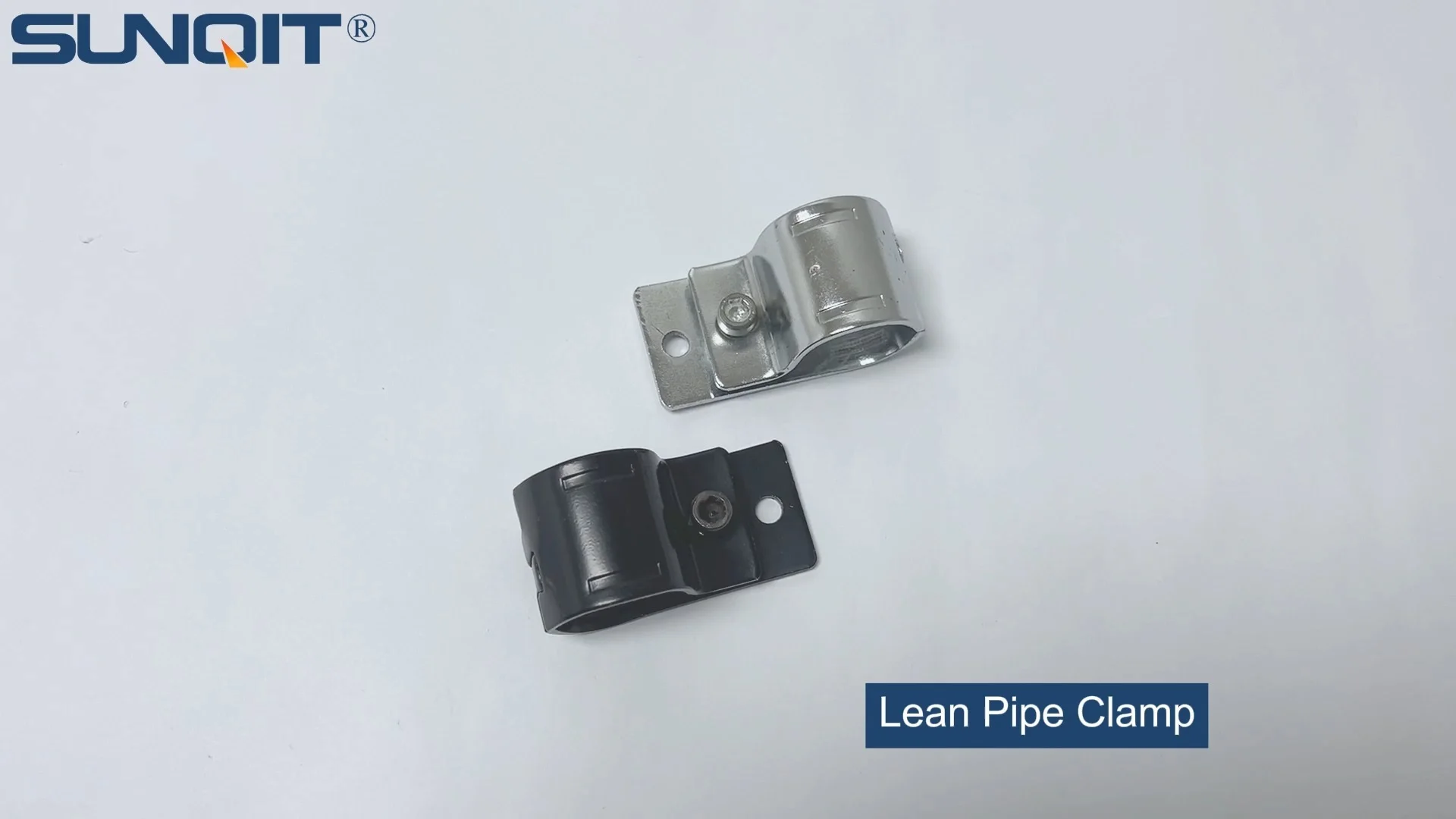
Lean Pipe Clamp
Lean pipe clamp is used for rack system hang monitor or other panel for workbenck, flowrack in production daily use.
Sustainable Lean Pipe Clamps: Reducing Waste in Manufacturing
Walk into any manufacturing facility, and you'll likely spot the same silent struggles: workbenches bolted into place, conveyor systems that can't adapt to new product sizes, and storage racks gathering dust because they're too rigid to repurpose. These aren't just minor inconveniences—they're waste in action. Waste of time, as teams spend hours reconfiguring fixed setups. Waste of materials, as old equipment gets scrapped instead of reused. And waste of money, as inefficiencies pile up month after month. But what if there was a simpler way to build, adapt, and reuse manufacturing tools without the waste? That's where lean pipe clamps come in.
In this article, we're diving into how these small but mighty components are transforming factories into hubs of sustainability and efficiency. We'll explore how lean pipe systems, held together by innovative clamps and joints, cut down on waste, support flexible workflows, and align with the circular economy. Whether you're running a small workshop or a large production line, understanding the impact of these tools could be the first step toward a leaner, greener operation.
The Hidden Cost of "Set It and Forget It" Manufacturing
For decades, manufacturing has leaned on rigid infrastructure. Heavy steel workbenches, welded conveyor frames, and fixed shelving were seen as "investments"—built to last, even if that meant they'd outlive their usefulness. But in today's fast-paced market, where product lines change quarterly and customization is king, rigidity has become a liability. A workbench designed for assembling smartphones can't easily shift to fit tablets; a conveyor built for small parts can't handle bulkier items without costly overhauls. The result? Factories end up with a graveyard of "almost right" equipment, each piece contributing to landfill waste when it's finally replaced.
Consider the numbers: The EPA estimates that manufacturing generates over 11 million tons of waste annually in the U.S. alone, much of it from discarded equipment and packaging. And that's not counting the operational waste—hours lost to retooling, excess inventory from inefficient material flow, and energy wasted on poorly designed workflows. Traditional setups trap teams in a cycle: build, use, discard, repeat. It's a model that's bad for the planet and bad for the bottom line.
Enter lean manufacturing principles. Born from the Toyota Production System, lean is all about eliminating waste—whether it's overproduction, unnecessary movement, or unused resources. But lean isn't just a philosophy; it needs tools that can keep up. That's where lean pipe joints and clamps shine. They turn static workspaces into dynamic, adaptable environments where change isn't a hassle—it's built in.

What Are Lean Pipe Clamps, Anyway? And Why Do They Matter?
At first glance, a lean pipe clamp might look like a simple metal or plastic connector. But its design holds the key to flexibility. These clamps (also called fittings or joints) attach to lean pipe —hollow tubes made of aluminum, stainless steel, or coated steel—to build everything from workbenches and material racks to conveyors and assembly lines. Unlike welding or bolts, clamps let you connect and disconnect pipes in minutes, no special tools required. Need to shorten a workbench? Loosen a few clamps, remove a pipe, and you're done. Want to add a shelf to a rack? Slide on a new clamp, attach a pipe, and it's ready.
This flexibility isn't just convenient—it's revolutionary for waste reduction. Let's break it down: When you can reconfigure a workbench instead of replacing it, you eliminate the waste of materials (no new steel, no shipping emissions from a new bench) and labor (no waiting for installation). When a conveyor system can be adjusted with clamps instead of being rebuilt, you cut down on downtime and the need for spare parts. And because lean pipe systems are modular, you only use what you need—no overbuilding, no excess inventory gathering dust in a corner.

Sustainability by Design: How Lean Pipe Clamps Cut Waste at Every Stage
Sustainability in manufacturing isn't just about using "green" materials—it's about designing systems that minimize waste from the start. Lean pipe clamps excel here, addressing three critical areas of waste: material, energy, and operational.
1. Material Waste: From "Use Once" to "Use Again and Again"
Traditional manufacturing tools are often single-use by design. A welded steel frame, for example, can't be taken apart without cutting it up—rendering it useless for future projects. Lean pipe clamps, by contrast, are built for reuse. Made from durable materials like aluminum or stainless steel, they can be disconnected, cleaned, and repurposed dozens of times. A clamp that once held together a conveyor roller track might later find a second life as part of a turnover trolley or a material rack.
The pipes themselves are equally reusable. Aluminum lean pipes, in particular, are lightweight, corrosion-resistant, and 100% recyclable. Even better, they don't require paint or toxic coatings, reducing chemical waste. When a project is done, the pipes and clamps can be disassembled and stored compactly, ready for the next setup. This "take-apart-and-rebuild" model slashes the need for new materials, keeping old equipment out of landfills.
2. Energy Waste: Streamlining Workflows, Cutting Costs
Waste isn't just physical—it's also about energy. A poorly designed workspace forces workers to walk extra steps, machines to run longer, and lighting/heating to cover unused areas. Lean pipe systems, built with clamps, let you design workflows around efficiency. For example, a workbench can be positioned inches from a conveyor, so parts flow directly to the assembler's hands instead of being carted across the floor. A material rack can be placed at eye level, reducing bending and lifting. These small adjustments add up: Studies show that optimized lean workspaces can cut energy use by 15-20% by reducing unnecessary movement and streamlining processes.
3. Operational Waste: Adapting Fast, Staying Competitive
In manufacturing, time is money—and nothing wastes time like waiting for retooling. Imagine a factory that needs to switch from making small electronics to larger appliances. With traditional setups, this might take days: disassembling old workbenches, welding new frames, testing conveyor alignment. With lean pipe clamps, the same transition could take hours. Workers can adjust the height of benches, reconfigure conveyor paths, and add storage racks using pre-existing pipes and clamps. This agility means less downtime, fewer missed deadlines, and the ability to take on new projects without the waste of overpreparing.

Lean Pipe Clamps 101: Types, Materials, and How to Choose the Right Ones
Not all lean pipe clamps are created equal. From fixed joints that hold pipes steady to swivel clamps that allow for angled connections, the right choice depends on your project. Let's break down the most common types, their materials, and when to use them.
Materials Matter: Aluminum, Stainless Steel, and Beyond
The first decision is material. Most clamps are made from aluminum, stainless steel, or plastic (for light-duty use). Aluminum clamps are lightweight, rust-resistant, and affordable—great for general manufacturing. Stainless steel is stronger and ideal for cleanrooms or food-processing facilities where hygiene is critical. Plastic clamps work well for low-weight setups, like small parts storage, but may not hold up to heavy use. All three materials are recyclable, but aluminum and stainless steel have the edge for long-term reusability.
Types of Clamps: From Fixed to Flexible
Clamps come in dozens of designs, each tailored to specific connections. Here are the most useful for sustainability-focused setups:
- Fixed Right-Angle Clamps: These hold two pipes at 90 degrees, perfect for building sturdy workbench frames or vertical racks. They're simple, durable, and ideal for static (but still reconfigurable) setups.
- Swivel Joints: Allow pipes to rotate 360 degrees, making them great for conveyor corners or adjustable shelving. Instead of building a new frame for a angled material flow, just swivel the joint and lock it in place.
- Multi-Angle Clamps: Let you connect pipes at 45°, 90°, or 135° angles, offering endless design possibilities. These are a favorite for custom workbenches or flow racks where one size doesn't fit all.
- Parallel Clamps: Hold two pipes side by side, useful for reinforcing frames or adding extra support to heavy-duty workbenches. They distribute weight evenly, reducing wear and tear on the system.
Choosing Clamps for Sustainability
When selecting clamps, ask: Can this be reused in 5 different setups? Opt for versatile designs (like multi-angle clamps) over highly specialized ones. Prioritize materials that last (stainless steel, aluminum) to avoid frequent replacements. And look for clamps with tool-free adjustment—they save time and reduce the risk of damaging parts during disassembly.
| Clamp Type | Material | Best For | Sustainability Benefit |
|---|---|---|---|
| Fixed Right-Angle | Aluminum | Workbench frames, vertical racks | Durable, easy to disassemble/reuse |
| Swivel Joint | Stainless Steel | Conveyor corners, adjustable shelving | Eliminates need for custom angled frames |
| Multi-Angle | Aluminum | Custom workbenches, flow racks | One clamp fits multiple configurations |
| Parallel Clamp | Stainless Steel | Heavy-duty shelving, reinforced frames | Reduces need for extra support pipes |
From Workbench to Conveyor: Real-World Applications of Lean Pipe Clamps
To see lean pipe clamps in action, let's look at two common manufacturing setups: the humble workbench and the ever-important conveyor system. Both are workhorses of production, and both benefit dramatically from lean pipe flexibility.
Case Study: How a Electronics Factory Cut Waste by Reconfiguring Workbenches
A mid-sized electronics manufacturer in California was struggling with frequent product line changes. Every time they shifted from making smartwatches to fitness trackers, they had to replace half their workbenches—costing $15,000 and two weeks of downtime per change. In 2022, they switched to lean pipe systems with aluminum clamps. Now, instead of replacing benches, workers adjust the height, add tool holders, and reposition shelves using the same pipes and clamps. The result? Downtime dropped to 8 hours per transition, and they've reused 90% of their original pipe materials. Over a year, they saved $60,000 and diverted 2 tons of steel from landfills.
Building a Lean Workbench: The Basics
A lean pipe workbench starts with a frame of aluminum or steel pipes connected by fixed right-angle clamps. Add a wooden or aluminum top, and you're halfway there. What makes it lean? Add-ons like adjustable shelves (using swivel joints), tool hooks (attached with parallel clamps), and even ESD (electrostatic discharge) mats for sensitive electronics. When the product line changes, just unclamp the shelves, reposition the hooks, and you're ready for the next project. No new wood, no new steel—just reimagined use.
Conveyors: Smoother Flow, Less Waste
Conveyors are the arteries of manufacturing, moving parts from station to station. But traditional belt or roller conveyors are often one-size-fits-all. With lean pipe clamps, you can build modular roller conveyors that adapt to part size, weight, and speed. For example, using swivel joints and roller track connectors, you can angle sections to avoid bottlenecks or add side guides (with plastic roller track guide rails) to keep small parts on track. When a new part comes in, just adjust the angle, swap out the rollers, or add a new section—no need for a whole new conveyor.
One auto parts supplier we worked with used this approach to handle both small screws and large engine components on the same line. By reconfiguring the roller track with clamps instead of buying two conveyors, they saved $20,000 and reduced energy use by 12% (since they only ran the sections they needed).
The Future of Lean Pipe Systems: Smarter, Greener, More Connected
As manufacturing moves toward Industry 4.0, lean pipe clamps are evolving too. New designs integrate with IoT sensors to monitor wear and tear, alerting teams when a clamp needs tightening (preventing breakdowns and waste from sudden failures). Some manufacturers are even experimenting with "smart clamps" that track how often they're reconfigured, helping teams identify which setups are most reusable. On the material front, recycled aluminum clamps are hitting the market, reducing the carbon footprint of production even further.
Perhaps most exciting is the rise of "lean system as a service." Instead of buying clamps and pipes outright, factories can rent them, return them when projects end, and let suppliers refurbish and resell them. This circular model cuts down on ownership waste and makes lean setups accessible to small businesses that can't afford upfront investments.
Small Clamps, Big Impact: Why Lean Pipe Systems Are Here to Stay
At the end of the day, lean pipe clamps are more than just hardware—they're a mindset. They challenge the idea that manufacturing has to be wasteful, rigid, or harmful to the planet. By choosing tools that are reusable, adaptable, and built to last, factories can cut costs, reduce their environmental footprint, and stay agile in a changing market.
Whether you're building a single workbench or overhauling an entire production line, start small. Pick one area where rigidity is causing waste—maybe a conveyor that can't keep up or a workbench that's always "almost right"—and try a lean pipe setup with clamps. Chances are, you'll be surprised by how much you can reuse, how little you need to replace, and how quickly the savings (both financial and environmental) add up.
In a world where sustainability isn't just a trend but a necessity, lean pipe clamps prove that sometimes the smallest changes make the biggest difference. So grab a clamp, connect a pipe, and start building a future where waste is the exception—not the rule.