- Company Articles
- Products and Technology
- Product knowledge
- Sustainable Manufacturing: 38 Aluminum Roller Track Black with Wheel Flange Recyclable Aluminum

Sustainable Manufacturing: 38 Aluminum Roller Track Black with Wheel Flange Recyclable Aluminum
Related Product
38 Aluminum Roller Track Black with Wheel Flange
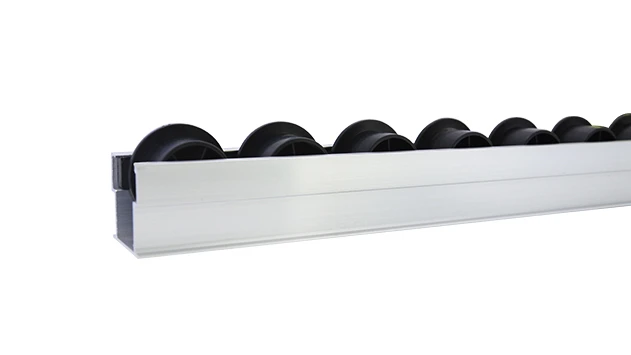
Heavy duty roller tracks with flanged plastic rollers for use in processing, logistics and materials handling operations. Ideal for transporting goods quickly and easily as well as for installing on shelving to aid in picking operations.
Sustainable manufacturing isn't just a buzzword anymore—it's a necessity for businesses looking to stay competitive and responsible in today's world. Every component in a production line plays a part in reducing environmental impact while boosting efficiency. One such component that's making waves in lean and green manufacturing is the 38 Aluminum Roller Track Black with Wheel Flange. Let's take a closer look at how this simple yet innovative product is transforming factories and warehouses, and why its recyclable aluminum construction is a game-changer for sustainability.
What Exactly Is the 38 Aluminum Roller Track Black with Wheel Flange?
This roller track is a key part of material handling systems, designed to move parts and products smoothly along production lines or storage areas. The '38' refers to its diameter, making it suitable for medium to heavy loads—typically up to 50 kilograms per meter, depending on the specific design. The black finish isn't just for aesthetics; it's often an ESD (electrostatic discharge) coating, which is crucial in industries like 3C assembly where static can damage sensitive electronic components.
The wheel flange design is a standout feature. It consists of a raised edge on either side of the track that keeps items on course, preventing them from slipping off during transport. This means fewer accidents, less product damage, and a more efficient workflow. The wheels themselves are made from durable materials like high-density plastic or rubber, which are resistant to wear and tear, ensuring that the track maintains its smooth rolling performance over time.
But the real star here is its recyclability. Aluminum is one of the most recyclable materials on the planet. Unlike plastic or other metals, recycling aluminum uses just 5% of the energy needed to produce virgin aluminum. That's a huge saving in carbon emissions—for every ton of aluminum recycled, we save approximately 9 tons of CO2. When this roller track reaches the end of its life (which takes a long time, thanks to its robust construction), it can be melted down and reused to make new components—no waste, no extra environmental burden.
Another benefit of aluminum is its corrosion resistance. Unlike steel, which can rust if not properly coated, aluminum naturally forms a protective oxide layer that prevents rusting. This makes the 38 Aluminum Roller Track Black with Wheel Flange ideal for use in humid or wet environments, such as food processing plants or warehouses near coastal areas. The company also offers a wide range of aluminum profile accessories that are compatible with this roller track, such as connectors, brackets, and end caps. These accessories make it easy to install and customize the track to fit your specific needs.
How It Fits Into a Lean System
Lean manufacturing is all about eliminating waste and optimizing processes. The 38 Aluminum Roller Track Black with Wheel Flange aligns perfectly with these principles. Let's see how:
- Reduced Waste : The durable design means less frequent replacement, cutting down on material waste. Its recyclability ensures that even when it's time to upgrade, it doesn't end up in a landfill. This aligns with the lean principle of "zero waste," which is a goal for many modern manufacturers.
- Improved Efficiency : Smooth rolling reduces friction, so products move faster with less effort. This speeds up production cycles and boosts overall output. For example, a conveyor line using this roller track can move products at a consistent speed, reducing bottlenecks and ensuring that each station in the line gets the materials it needs when it needs them.
- Flexibility : Aluminum roller tracks are easy to install and reconfigure. If your production line needs to change (which it often does in dynamic industries like consumer electronics), you can adjust the track layout quickly without major downtime. This flexibility is a cornerstone of lean systems, as it allows businesses to adapt to changing market demands without investing in entirely new equipment.
- Ergonomics : The smooth movement of products reduces the need for manual lifting and carrying, which can lead to workplace injuries. This improves worker safety and comfort, which in turn boosts productivity and reduces absenteeism.
This flexibility is particularly valuable in industries like 3C assembly, where product lifecycles are short. A smartphone manufacturer might switch from assembling one model to another every six months—with this roller track, they can rearrange their conveyor lines in hours, not days. This agility allows them to respond quickly to market trends and stay ahead of competitors.

Applications in Key Industries
The 38 Aluminum Roller Track Black with Wheel Flange is versatile and can be used in a wide range of manufacturing and logistics settings. Let's take a look at how it's used in some of the industries the company serves:
3C Assembly
In factories making phones, tablets, or laptops, electrostatic discharge is a major risk. Even a small static spark can damage sensitive circuit boards, leading to defective products and costly rework. The black ESD coating on the roller track prevents static buildup, protecting these components during assembly. The wheel flange ensures that small parts (like screws, connectors, or microchips) stay on the track, reducing lost items and improving efficiency.
For example, a 3C assembly plant might use this roller track in their pick-and-place stations. Workers can retrieve small components from a flow rack fitted with the track, and the parts slide down to the front of the rack automatically. This reduces the time workers spend searching for parts and minimizes the risk of dropping or losing them.
Medical Equipment Manufacturing
Precision is everything in medical device manufacturing. The smooth, consistent movement of the roller track helps in assembling delicate devices like pacemakers, insulin pumps, or surgical instruments. Even a small jolt could affect the functionality of these devices, so the stable movement provided by the wheel flange is crucial.
Aluminum is also easy to clean and sanitize, which is essential in healthcare settings. The roller track can be wiped down with disinfectants regularly, ensuring that it meets strict hygiene standards. This makes it ideal for use in cleanrooms or other sterile environments.
Automotive Manufacturing
In automotive plants, conveyor systems move heavy parts like doors, engines, or chassis along the assembly line. The 38 Aluminum Roller Track Black with Wheel Flange is perfect for these systems because it can handle heavy loads and keeps items aligned, preventing accidents and delays. While ESD protection might not be as critical here, the durability and recyclability are still major benefits—automotive manufacturing is a resource-intensive industry, so using recyclable components helps reduce its environmental footprint.
For instance, a car factory might use this roller track in their paint shop conveyor lines. The corrosion-resistant aluminum holds up well in the humid environment of the paint booth, and the smooth rolling ensures that car bodies move through the painting process evenly, resulting in a high-quality finish.
Warehousing & Logistics
In distribution centers, flow racks use roller tracks to move boxes and packages from one end to the other. The 38 Aluminum Roller Track Black with Wheel Flange is ideal for these racks because it can handle heavy loads and keeps items moving smoothly, even in high-traffic areas. This enables first-in-first-out (FIFO) inventory management, which is essential for perishable goods or products with expiration dates.
A warehouse handling consumer electronics might use flow racks fitted with this roller track to store and retrieve products quickly. When an order comes in, workers can pick items from the front of the rack, and new items slide down automatically—no need to reach into the back, saving time and reducing strain. This also helps in maintaining accurate inventory levels, as it's easy to see when stock is running low.

Working With Other Lean Products
The 38 Aluminum Roller Track Black with Wheel Flange doesn't work alone. It's part of a larger ecosystem of lean products that together create a sustainable, efficient production environment. Let's highlight a few:
Lean Pipe Workbenches
These workbenches are often paired with roller tracks to create a complete workstation. For example, Workbench E (from the company's product list) might have a section with this roller track attached, allowing parts to roll directly to the worker's station. This reduces the need for workers to walk back and forth to fetch materials, cutting down on fatigue and increasing productivity.
Lean pipe workbenches are also customizable—you can add shelves, drawers, or tool holders to suit your needs. The aluminum construction makes them lightweight yet sturdy, and they're easy to reconfigure if your workflow changes.
Flow Racks
Flow racks are storage systems that use gravity to move products from the back to the front. The 38 Aluminum Roller Track Black with Wheel Flange is a key component of these racks, as it allows items to slide down smoothly. This is especially useful in warehouses where space is limited, as flow racks maximize vertical storage and reduce the need for aisles.
For example, a retail distribution center might use flow racks fitted with this roller track to store clothing boxes. When new inventory arrives, workers place it at the back of the rack, and it slides down to the front where it's easy to pick for orders. This reduces the time spent restocking and picking items, improving overall efficiency.
Conveyors
Conveyor systems use roller tracks to move products between stations. The black wheel flange track ensures that items stay aligned, preventing jams and ensuring a steady flow. This is crucial in industries like food processing, where production lines run 24/7 and any downtime can lead to significant losses.
A food processing plant might use a conveyor fitted with this roller track to move packaged goods from the assembly line to the packaging station. The smooth rolling ensures that the packages don't get damaged, and the corrosion-resistant aluminum holds up well in the moist environment of the plant.
Custom Workstations
The company also offers custom workstations that integrate the 38 Aluminum Roller Track Black with Wheel Flange. These workstations are designed to meet the specific needs of each client, whether it's a 3C assembly station with ESD protection or a medical device workstation with sterile surfaces.
Product Integration Table
| Product | Role in the System | Key Benefits |
|---|---|---|
| 38 Aluminum Roller Track Black with Wheel Flange | Core component of flow racks, conveyors, and workstations | Smooth movement, ESD protection, recyclability, corrosion resistance |
| Lean Pipe Workbench | Worker's station with integrated roller track | Reduced material handling time, improved ergonomics, customizability |
| Flow Rack | Storage system using gravity and roller tracks | FIFO inventory management, space optimization, easy access to products |
| Conveyor | Moves products between production stations | Continuous production flow, reduced manual labor, consistent speed |
| ESD Workstation | Sterile, static-free workspace with roller track | Protects sensitive components, meets hygiene standards, improves precision |
Custom Solutions for Unique Needs
Every business has its own challenges, and off-the-shelf products don't always cut it. That's where the company's custom solutions come in. They work closely with clients to design lean systems tailored to their specific industry and production requirements. Let's look at a few examples:
3C Assembly Plant Customization
Suppose a 3C assembly plant needs a flexible workstation that can handle both small components and larger assemblies. The company might design a lean pipe workbench with integrated 38 Aluminum Roller Track Black with Wheel Flange sections. The workstation would include ESD protection features (like anti-static mats and grounding wires) to prevent static damage to sensitive components. They could also add a material rack (like Material Rack B from the product list) nearby, fitted with the same roller track, to store parts that feed directly into the workstation.
This setup allows workers to assemble components quickly and efficiently. The roller track ensures that parts are easily accessible, reducing the time spent reaching for materials. If the plant needs to switch to assembling a new product, the workstation can be reconfigured in hours, not days—saving time and money.
Medical Device Manufacturing Customization
A medical device manufacturer might need a sterile production line for assembling surgical instruments. The company could design a conveyor system using aluminum roller tracks (easy to sanitize) and ESD workstations to protect sensitive equipment. The conveyor lines would be laid out to minimize cross-contamination, with smooth, easy-to-clean surfaces. All components are chosen for their durability and recyclability, aligning with the manufacturer's sustainability goals.
This custom system ensures that the medical devices are assembled in a sterile environment, meeting strict regulatory standards. The recyclable aluminum components reduce the manufacturer's environmental impact, which is increasingly important to patients and healthcare providers.
Warehouse Logistics Customization
A warehouse handling heavy machinery parts might need a flow rack system that can handle loads up to 100 kilograms per shelf. The company could design a custom flow rack using the 38 Aluminum Roller Track Black with Wheel Flange, reinforced with additional supports to handle the heavy loads. The rack would be configured to allow easy access to parts from the front, reducing the time spent retrieving items. They might also add casters to the bottom of the rack, making it mobile and easy to move around the warehouse.
This custom solution maximizes storage space and improves efficiency. The mobile design allows workers to move the rack to where it's needed, reducing the time spent transporting parts across the warehouse.
The Environmental Impact of Recyclable Aluminum
Let's dive deeper into why recyclable aluminum is such a game-changer for sustainable manufacturing. Aluminum's recycling rate is unmatched—around 75% of all aluminum ever produced is still in use today. This is because recycling aluminum is a closed-loop process: once it's melted down, it can be reused to make new products with no loss in quality.
Here are some key environmental benefits of using recyclable aluminum:
- Energy Savings : As mentioned earlier, recycling aluminum uses just 5% of the energy needed to produce virgin aluminum. This translates to huge savings in fossil fuel consumption and carbon emissions. For example, recycling one aluminum can saves enough energy to power a TV for three hours.
- Reduced Landfill Waste : Aluminum products are durable and long-lasting, but when they do reach the end of their life, they can be recycled instead of ending up in landfills. This reduces the amount of waste that pollutes our environment and takes up valuable space.
- Lower Carbon Footprint : The production of virgin aluminum is a major source of greenhouse gas emissions. By using recycled aluminum, businesses can significantly reduce their carbon footprint. For every ton of aluminum recycled, we avoid emitting 9 tons of CO2—equivalent to taking two cars off the road for a year.
- Conservation of Natural Resources : Mining bauxite (the raw material for aluminum) is a resource-intensive process that destroys natural habitats and depletes finite resources. Recycling aluminum reduces the need for bauxite mining, protecting ecosystems and preserving resources for future generations.
The 38 Aluminum Roller Track Black with Wheel Flange is a perfect example of how businesses can use recyclable materials to reduce their environmental impact. By choosing this product, manufacturers are not only improving their efficiency but also contributing to a more sustainable future.
Building a Sustainable Future with Lean Manufacturing
Sustainable manufacturing is no longer an option—it's a requirement for long-term success. Consumers are increasingly demanding eco-friendly products, and investors are prioritizing companies with strong environmental credentials. The 38 Aluminum Roller Track Black with Wheel Flange is more than just a component; it's a symbol of how small, thoughtful choices can make a big difference.
By choosing recyclable aluminum products, businesses can reduce their environmental impact while improving efficiency and flexibility. When paired with other lean products like workbenches, flow racks, and conveyors, it creates a system that's both productive and green. The company's custom solutions ensure that every business can find a setup that fits their unique needs, whether they're in 3C assembly, medical equipment manufacturing, or warehousing logistics.
So, if you're looking to upgrade your production line or warehouse, consider the 38 Aluminum Roller Track Black with Wheel Flange. It's a small step that leads to big changes: less waste, lower costs, and a more sustainable future for manufacturing.