- Company Articles
- Products and Technology
- Product knowledge
- Sustainable Manufacturing: Recyclable Materials in Aluminum Profile Rubber Strips

Sustainable Manufacturing: Recyclable Materials in Aluminum Profile Rubber Strips
Related Product
Aluminum Profile Rubber Strip
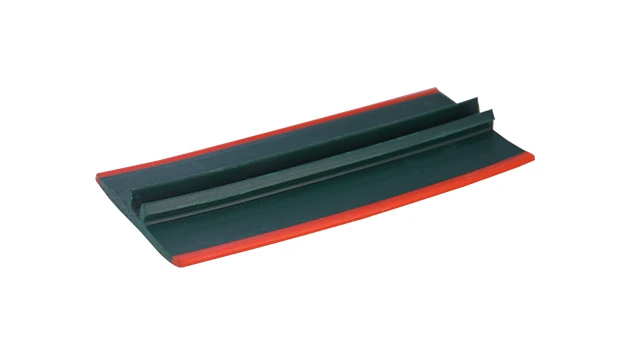
The tread strip fits into a T-slot channel and provides an anti-slip ribbed surface. It has a key pad that presses into a T-slot and is commonly used for adding traction on steps or as padding for doors. Tread strip can be ordered by rolls. The high quali
In today's manufacturing landscape, sustainability isn't just a buzzword—it's a promise to future generations. As factories, warehouses, and production lines evolve, the materials we choose shape not only our bottom lines but also the health of our planet. Among the unsung heroes of this shift are the humble components that hold our industrial spaces together: aluminum extrusion profiles and their accessories. Today, we're zooming in on one such component that punches far above its weight in sustainability efforts: the rubber strips that seal, protect, and enhance aluminum structures. Let's explore how these small but critical parts are redefining what it means to build responsibly.
The Rise of Aluminum Extrusion Profiles: A Sustainable Foundation
Walk through any modern factory, automotive plant, or logistics hub, and you'll likely spot aluminum extrusion profiles hard at work. From workbenches and material racks to conveyor systems and machine guards, these lightweight, versatile structures have become the backbone of efficient manufacturing. But their popularity isn't just about functionality—aluminum extrusion profiles are a sustainability powerhouse.
Aluminum, by nature, is a champion of circularity. Unlike plastics or certain metals that degrade when recycled, aluminum retains 100% of its mechanical properties through endless recycling loops. Producing recycled aluminum uses just 5% of the energy required to mine and process raw aluminum ore, slashing carbon emissions by a staggering 95%. For manufacturers, this means choosing aluminum extrusion profiles isn't just a design choice—it's a commitment to reducing their carbon footprint from the ground up.
But even the most sustainable base needs the right accessories to truly shine. Enter aluminum profile accessories : the nuts, bolts, brackets, and yes, rubber strips that turn raw profiles into functional, safe, and long-lasting structures. Among these accessories, rubber strips play a quiet yet vital role. Think of them as the "finish line" of aluminum construction—they seal gaps, cushion impacts, protect workers from sharp edges, and ensure the entire system runs smoothly. And when these strips are made from recyclable materials? The sustainability circle closes even tighter.
T-Slot Rubber Seal Covers: Small Parts, Big Impact
If aluminum extrusion profiles are the skeleton of industrial structures, then T-slot rubber seal covers are the skin that protects and perfects them. Most aluminum profiles feature T-shaped slots along their length—channels designed to accept fasteners, brackets, or accessories. Left uncovered, these slots can collect dust, debris, or moisture, corroding the aluminum over time. Worse, they can create sharp edges that pose safety risks to workers handling or working near the profiles.
This is where T-slot rubber seal covers come in. These flexible, durable strips are designed to snap into T-slots, creating a smooth, sealed surface. They're available in various colors, sizes, and materials, but the most innovative versions today are crafted with recyclability in mind. Traditional rubber strips often use non-recyclable synthetic rubbers or adhesives that make separation from aluminum difficult. Recyclable T-slot covers, however, are engineered to be easily removed, sorted, and processed at the end of their lifecycle—turning what was once waste into a resource.
Consider a typical scenario: a manufacturing plant uses aluminum extrusion profiles to build a series of workbenches for assembly lines. Each bench's T-slots are sealed with standard rubber strips. After five years of heavy use, the benches are retired. Without recyclable covers, the rubber strips would likely be pried off (if possible) and sent to a landfill, while the aluminum profiles are recycled. With recyclable T-slot rubber seal covers, the strips can be detached, cleaned, and processed alongside other rubber recyclables, then reformed into new strips or other rubber products. The result? Zero waste, and a closed loop for both the aluminum and its accessories.

What Makes a Rubber Strip "Recyclable"? Materials and Design
Not all rubber strips are created equal when it comes to sustainability. To be truly recyclable, T-slot rubber seal covers must be designed with both their use and end-of-life in mind. Let's break down the key factors that set recyclable versions apart.
Material Matters: Beyond Traditional Rubber
Traditional rubber strips often rely on vulcanized rubber, which contains sulfur cross-links that make the material strong but nearly impossible to reprocess. Recyclable alternatives, however, use thermoplastic elastomers (TPEs) or ethylene propylene diene monomer (EPDM) rubber. TPEs, in particular, are game-changers: they behave like rubber at room temperature but melt when heated, allowing them to be reshaped and recycled repeatedly without losing performance. EPDM, a synthetic rubber, is also highly recyclable and resistant to UV radiation, ozone, and temperature extremes—making it ideal for long-term use in industrial environments.
Design for Disassembly: Making Recycling Easy
Even the most recyclable material is useless if it can't be separated from its parent structure. That's why modern T-slot rubber seal covers are designed for "easy peel" removal. Unlike older versions that required adhesives or tools to install, today's covers snap into T-slots with a simple push, creating a secure fit that still allows for quick detachment. This design not only speeds up installation and maintenance but also ensures that when the time comes to recycle, workers can separate the rubber from the aluminum profile in seconds—no special equipment needed.
| Feature | Traditional Rubber Strips | Recyclable T-Slot Rubber Seal Covers |
|---|---|---|
| Material | Vulcanized rubber (non-recyclable) | Thermoplastic elastomers (TPE) or EPDM (100% recyclable) |
| Installation/Removal | Adhesive-based; difficult to remove without damage | Snap-fit design; easy to install and peel off by hand |
| End-of-Life | Landfilled or incinerated (emits toxins) | Recycled into new rubber products or energy recovery |
| Durability | Prone to cracking/aging after 2–3 years | Resistant to UV, ozone, and wear; lasts 5+ years |

Beyond Sustainability: The Practical Benefits of Recyclable Rubber Strips
Sustainability is a powerful motivator, but recyclable T-slot rubber seal covers don't just help the planet—they make manufacturing better for workers, safer for operations, and more cost-effective for businesses. Let's unpack these wins.
Worker Safety: Softening the Edges of Industry
Industrial environments are full of hard edges, and aluminum extrusion profiles are no exception. The T-slots that make profiles so versatile can also create sharp, exposed channels that risk cuts or scrapes. Recyclable rubber seal covers transform these hazards into smooth, cushioned surfaces. Imagine a new employee rushing to meet a production deadline—instead of catching a hand on an uncovered T-slot, their arm glides safely over the rubberized edge. These small protections add up to fewer workplace injuries, lower downtime, and a more positive work environment.
Longevity and Low Maintenance
Recyclable rubber strips, made from TPE or EPDM, are built to last. Unlike traditional rubber that hardens or cracks after exposure to heat, chemicals, or sunlight, these materials maintain their flexibility and resilience for years. For manufacturers, this means fewer replacements, less downtime for maintenance, and lower long-term costs. A food processing plant, for example, might use EPDM rubber strips on aluminum workbenches—resistant to water, cleaning chemicals, and temperature fluctuations, they'll outlast traditional strips by 2–3 times, reducing both waste and replacement expenses.
Noise Reduction: Calming the Factory Floor
Factories are noisy places, but recyclable rubber strips can help turn down the volume. When tools, parts, or materials slide across aluminum surfaces, the metal-on-metal contact creates ( cì'ěr de) noise. Rubber strips act as a buffer, absorbing vibrations and softening impacts. A logistics warehouse using aluminum profile conveyor systems with rubber-sealed T-slots, for instance, might notice a 15–20% reduction in ambient noise—a small change that makes a big difference in worker comfort and focus.
Case Study: How One Auto Supplier Cut Waste by 40% with Recyclable Accessories
To see the real-world impact of recyclable rubber strips, let's look at a mid-sized automotive parts manufacturer in the Midwest. Three years ago, the company was struggling with two challenges: rising waste disposal costs and pressure from clients to reduce their carbon footprint. Their production lines relied heavily on aluminum extrusion profiles for workstations and material racks, each fitted with traditional rubber strips that, after wear and tear, ended up in landfills.
The turning point came when their aluminum profile supplier introduced them to recyclable T-slot rubber seal covers made from EPDM. Skeptical at first, the manufacturer ran a six-month pilot on one assembly line. They tracked waste, maintenance time, and worker feedback—and the results spoke for themselves.
By the end of the pilot, the line had reduced waste from rubber strip disposal by 40%. The EPDM strips lasted twice as long as the old ones, cutting replacement costs by 35%. Workers reported fewer minor cuts from T-slots, and supervisors noted a quieter, more focused team. Encouraged, the company rolled out the recyclable strips across all 12 production lines. Today, they partner with a local recycling facility to process used strips, which are then turned into new rubber components for the automotive industry—closing the loop entirely.
"We didn't realize how much waste we were generating until we started tracking it," said the plant manager. "The rubber strips seemed like such a small thing, but when you multiply that by hundreds of workstations, it adds up fast. Now, we're not just saving money—we're showing our clients that sustainability is part of every decision we make, right down to the smallest parts."
The Future of Sustainable Aluminum Profile Accessories
As technology advances and sustainability standards grow stricter, the future of aluminum profile accessories like T-slot rubber seal covers looks brighter than ever. Here are three trends shaping the next generation of eco-friendly components:
Bio-Based Rubbers: From Plants to Production Lines
Researchers are already experimenting with bio-based elastomers made from renewable resources like soybeans, corn, and even algae. These materials offer the same durability as synthetic rubbers but with a lower carbon footprint and biodegradable properties for end-of-life scenarios where recycling isn't possible. Imagine a rubber strip that, after years of use, can break down naturally in a composting facility—no waste, no emissions, just a return to the earth.
Smart Recycling: Tracking Materials from Cradle to Grave
Digital tools like blockchain and RFID tagging are making it easier to track the lifecycle of aluminum profile accessories. Soon, each T-slot rubber seal cover could come with a digital "passport" that records its material composition, manufacturing date, and recycling instructions. When it's time to replace the strip, workers can scan the tag, instantly access recycling guidelines, and even schedule a pickup from a certified recycler. This level of transparency ensures materials stay in the loop and reduces the risk of contamination during recycling.
3D Printing for Customization and Waste Reduction
3D printing is revolutionizing how we make industrial components, and rubber strips are no exception. Instead of manufacturing thousands of standard strips and trimming them to size (creating waste), manufacturers could 3D-print T-slot covers on demand, tailored to the exact dimensions of a project. This "just-in-time" production cuts down on excess inventory, reduces transportation emissions, and ensures a perfect fit—all while using recyclable TPE filaments.
Choosing Recyclable: A Call to Action for Manufacturers
At the end of the day, sustainability in manufacturing isn't about grand gestures—it's about the choices we make every day. Choosing aluminum extrusion profiles over less recyclable materials. Opting for aluminum profile accessories that are designed to be recycled. And yes, even selecting the right rubber strips to seal those T-slots.
For manufacturers looking to start small, T-slot rubber seal covers are an easy win. They're affordable, widely available, and their impact—both environmental and practical— is immediate. By making the switch, you're not just building better structures; you're building a better future for your workers, your community, and the planet.
So the next time you walk through your facility, take a closer look at those aluminum profiles. The rubber strips sealing their slots might be small, but they're a powerful reminder: sustainability starts with the details. And when it comes to details, recyclable rubber strips are leading the way.