- Company Articles
- Products and Technology
- Technology Sharing
- Sustainable Manufacturing: Reusability Advantages of Two Way Lean Pipe Joint

Sustainable Manufacturing: Reusability Advantages of Two Way Lean Pipe Joint
Related Product
Two Way Lean Pipe Joint
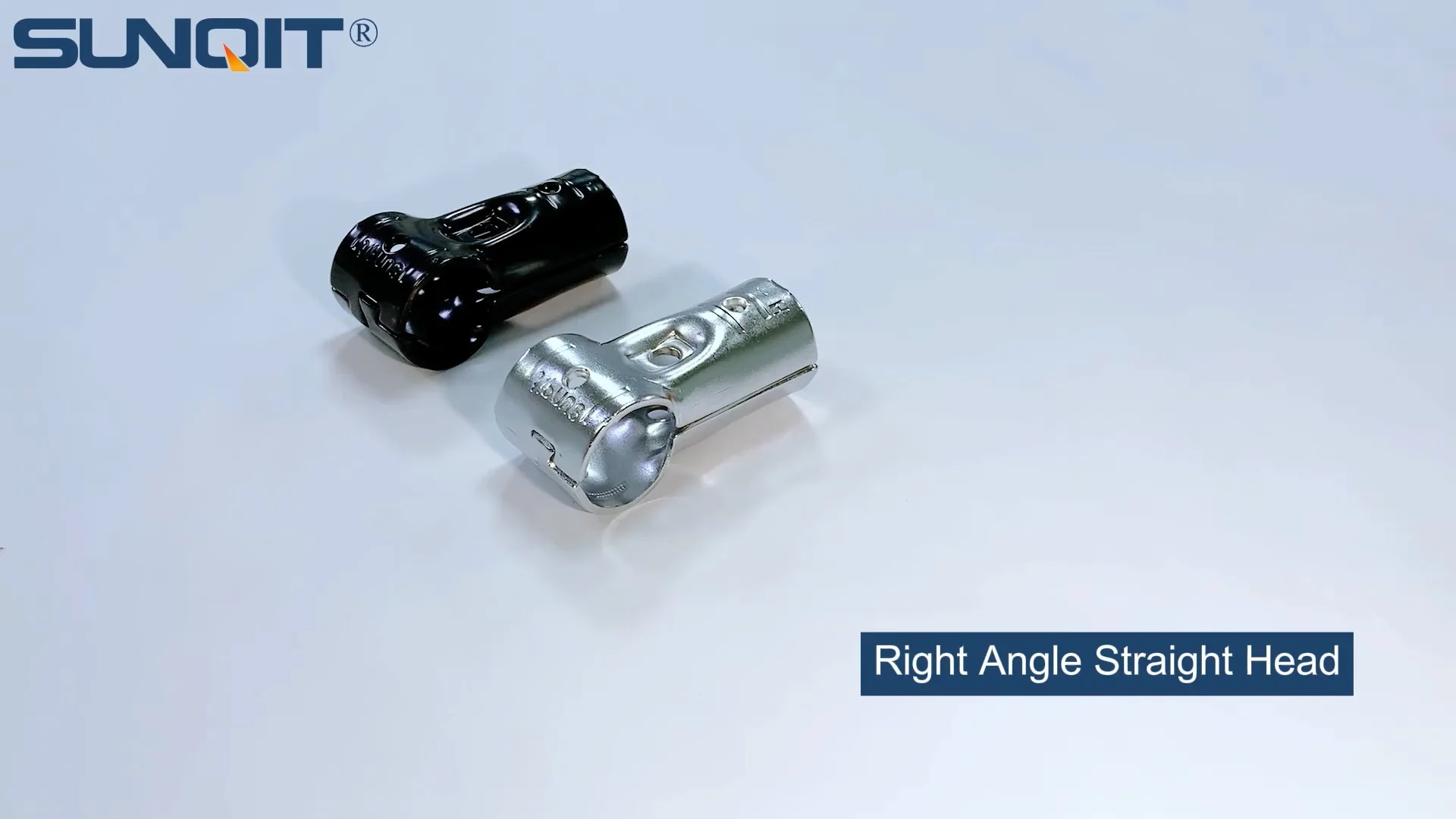
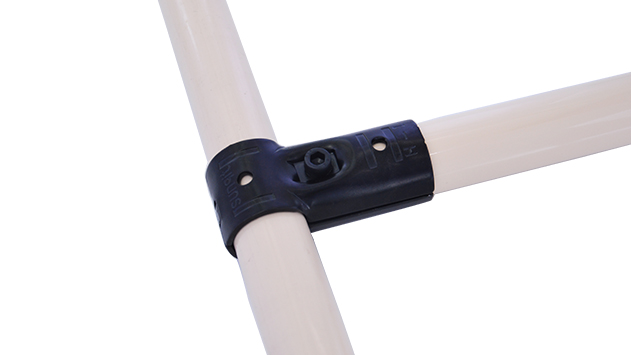
Two way lean pipe joint for 2 pcs 28MM lean pipe connection in straight angle, which used widely in workbench, flow rack, hand trolley frame connection.
Introduction: The Sustainability Challenge in Modern Manufacturing
In an era where climate change and resource scarcity dominate global conversations, manufacturers worldwide face unprecedented pressure to rethink traditional production models. The "take-make-dispose" cycle that has long defined industrial operations is no longer viable—not just for environmental reasons, but for economic ones too. Raw material costs are rising, regulatory demands for waste reduction are tightening, and consumers are increasingly favoring brands with clear sustainability credentials. For many manufacturers, the path forward lies in embracing circular economy principles, where the goal is to minimize waste by keeping resources in use for as long as possible.
At the heart of this shift is the concept of reusability. Unlike single-use or permanently fixed components, reusable systems allow manufacturers to adapt, reconfigure, and repurpose equipment without discarding entire setups. This not only cuts down on waste but also reduces the need for constant reinvestment in new materials. One area where reusability is making a significant impact is in lean manufacturing—a methodology focused on eliminating waste (or "muda") in all its forms. Within lean systems, components often play outsized roles in driving sustainability. Among these, the two way lean pipe joint stands out as a quiet champion of reusability, offering a flexible, durable, and cost-effective solution for modern production lines.
This article explores how the two way lean pipe joint, a core component of lean pipe systems, is revolutionizing sustainable manufacturing through its unique reusability features. We'll dive into its design, its role in lean systems, and the tangible benefits it brings to both the environment and the bottom line. Along the way, we'll also touch on complementary components like lean pipe accessories and aluminum profiles, showing how they work in tandem to create a truly circular approach to manufacturing setups.
Lean Manufacturing: A Foundation for Sustainability
Before delving into the specifics of the two way lean pipe joint, it's important to understand why lean manufacturing and sustainability are so closely intertwined. Lean principles, first popularized by Toyota in the mid-20th century, were initially focused on maximizing efficiency and minimizing waste in production. Over time, however, it has become clear that these principles align perfectly with sustainability goals. After all, waste reduction—whether in the form of excess inventory, unnecessary movement, or discarded materials—directly contributes to lower environmental impact.
Lean systems are built on the idea of "just-in-time" production, where resources are used only when needed, and processes are continuously optimized to eliminate inefficiencies. But beyond process improvements, lean manufacturing also relies heavily on physical infrastructure that supports flexibility and adaptability. This is where lean pipe systems come into play. Also known as "flexible pipe systems," these setups use modular components—pipes, joints, and accessories—to create everything from workbenches and flow racks to conveyor systems and material trolleys. Unlike traditional fixed equipment, which is designed for a single purpose and often ends up in landfills when production needs change, lean pipe systems are built to evolve.
At the core of this flexibility are the joints that connect the pipes. These small but critical components determine how easily a system can be assembled, disassembled, and reconfigured. Among the various types of joints available, the two way lean pipe joint is particularly valued for its simplicity, durability, and reusability. Let's take a closer look at what makes lean pipe systems, and their joints, such a powerful tool for sustainable manufacturing.
Understanding Lean Pipe Systems: More Than Just Pipes and Joints
Lean pipe systems are deceptively simple in concept, but their impact on manufacturing efficiency and sustainability is profound. At their most basic, they consist of three main elements: pipes (often made of steel, aluminum, or plastic-coated materials), joints that connect these pipes, and accessories like casters, clamps, and work surfaces that add functionality. Together, these components form a modular framework that can be customized to almost any production need—from assembly lines and packing stations to storage racks and material handling trolleys.
The magic of lean pipe systems lies in their modularity. Unlike welded or bolted structures, which require specialized tools and labor to modify, lean pipe setups can be assembled and reconfigured using nothing more than basic hand tools. This is where joints like the two way lean pipe joint shine. As the name suggests, a two way joint is designed to connect two pipes at a fixed angle (typically 90 degrees, though some designs allow for adjustment). Its simple, yet robust, design—often featuring a metal body with set screws or bolts—ensures a secure connection while still allowing for easy disassembly when needed.
But why does this matter for sustainability? Consider a traditional manufacturing scenario: A company invests in a custom-built workbench for a specific product line. When the product is phased out or production needs shift, the workbench becomes obsolete. It's too expensive to modify, so it's either stored (taking up valuable space) or scrapped (adding to landfill waste). In contrast, a workbench built with lean pipe and two way joints can be disassembled in minutes. The pipes and joints can then be reused to build a new workbench, a material rack, or even a conveyor system. The only cost is the labor to reconfigure—and the only waste is the time spent, not the materials themselves.
To truly appreciate the reusability of the two way lean pipe joint, it's helpful to compare it to other common joining methods. Welded joints, for example, are permanent; once pipes are welded together, separating them without damaging the materials is nearly impossible. Bolted joints are slightly better, but repeated disassembly and reassembly can strip threads or weaken the connection over time. The two way lean pipe joint, by contrast, is designed for repeated use. Its set screws or bolts can be loosened and tightened dozens of times without losing grip, and its metal construction (often steel or aluminum) ensures it can withstand the wear and tear of daily manufacturing operations.

The Two Way Lean Pipe Joint: Designing for Reusability
Let's zoom in on the two way lean pipe joint itself. What makes its design so conducive to reusability? To start, most two way joints are made from high-quality materials like zinc-plated steel or aluminum. These materials are chosen for their durability—they resist corrosion, can handle heavy loads, and stand up to the bumps and scrapes of factory environments. A well-made joint can last for years, even with frequent disassembly and reassembly.
The mechanical design of the joint is equally important. Unlike some modular connectors that rely on complex locking mechanisms, the two way lean pipe joint typically uses a straightforward clamp-style design. Pipes are inserted into the joint's sockets, and set screws (often hexagonal or Phillips-head) are tightened to secure them in place. This simplicity means there are no small, easily lost parts (like springs or clips) that can break or go missing during disassembly. It also means that anyone with a basic wrench or screwdriver can assemble or take apart the joint—no specialized training required.
Another key feature is compatibility. Most two way lean pipe joints are designed to work with standard pipe diameters (common sizes include 28mm and 30mm), ensuring they can be paired with pipes from different manufacturers. This interchangeability is critical for reusability: if a manufacturer switches suppliers or needs to expand an existing system, they don't have to replace all their joints—they can simply add new pipes and compatible joints. Even when pipes wear out, the joints can be reused with new pipes, extending their lifecycle even further.
Perhaps the most underrated advantage of the two way lean pipe joint is its role in reducing "over-engineering." Traditional manufacturing setups often use oversized or overly complex components to account for hypothetical future needs. With lean pipe systems, manufacturers can start small and scale incrementally. A basic workbench today can become a multi-level storage rack tomorrow, using the same joints and pipes. This "right-sizing" minimizes material waste from the start, as companies only use what they need, when they need it.

Reusability in Action: Environmental and Economic Benefits
To fully grasp the impact of the two way lean pipe joint's reusability, let's break down the benefits into two categories: environmental and economic. While sustainability is often framed as an ethical imperative, it's important to note that reusability also makes strong business sense—reducing costs while reducing waste.
Environmental Benefits: Less Waste, Lower Carbon Footprint
The most obvious environmental benefit of reusable lean pipe joints is reduced waste. According to the EPA, the manufacturing sector is responsible for nearly a quarter of all waste generated in the United States. A significant portion of this waste comes from discarded equipment and production tools. By designing systems that can be repurposed, lean pipe joints help keep materials out of landfills. For example, a single two way joint might be used in five different configurations over its lifetime—each time avoiding the need to manufacture a new joint from raw materials.
Reusability also reduces the carbon footprint associated with manufacturing new components. Producing metal joints requires mining raw materials, refining them, and manufacturing the final product—all energy-intensive processes. By extending the lifecycle of existing joints, manufacturers decrease the demand for new production, thereby lowering greenhouse gas emissions. A study by the Lean Enterprise Institute found that companies using lean pipe systems reduced their material waste by up to 30% and their carbon emissions by 15% compared to those using traditional fixed equipment.
Additionally, lean pipe systems often use lightweight materials (like aluminum or plastic-coated steel) compared to heavy welded steel structures. This reduces the energy required to transport both the initial components and the finished systems. When combined with reusability, this creates a compounding effect on sustainability: lighter materials mean less energy used in transportation, and reusability means fewer transports overall.
Economic Benefits: Cost Savings That Add Up
For manufacturers, the economic case for reusable lean pipe joints is equally compelling. Let's start with upfront costs: While lean pipe systems may have a slightly higher initial price tag than basic welded structures, their reusability means they offer a much lower total cost of ownership over time. A $50 two way joint that is reused five times effectively costs $10 per use, compared to a $30 welded joint that can only be used once (and then scrapped).
Labor costs are another area of savings. Reconfiguring a lean pipe system with two way joints takes a fraction of the time required to modify a traditional setup. A team of two workers can disassemble and reassemble a medium-sized workbench in under an hour, whereas welding or cutting a welded structure would take half a day or more. This not only reduces labor expenses but also minimizes downtime—critical in fast-paced manufacturing environments where every minute of production counts.
Storage costs are often overlooked but significant. Traditional fixed equipment that's no longer in use must be stored, taking up valuable warehouse space. Lean pipe components, by contrast, are compact and stackable. Pipes can be bundled, and joints can be stored in bins, freeing up space for revenue-generating activities. In high-rent industrial areas, this alone can translate to thousands of dollars in annual savings.
Finally, there's the benefit of agility. In today's rapidly changing market, manufacturers need to be able to pivot quickly to meet new demands—whether it's a sudden increase in orders, a shift to e-commerce packaging, or the launch of a new product line. Lean pipe systems with reusable joints allow companies to adapt on the fly, without the need for large capital investments in new equipment. This agility can be the difference between thriving and struggling in competitive markets.
Complementary Components: Lean Pipe Accessories and Reusability
While the two way lean pipe joint is a star player in the reusability story, it doesn't work alone. Lean pipe accessories—items like casters, workbench tops, shelf brackets, and tool holders—are equally important in creating flexible, sustainable systems. These accessories are designed to integrate seamlessly with pipes and joints, further enhancing the reusability of the overall setup.
Take casters, for example. Adding casters to a lean pipe trolley or workbench turns a stationary structure into a mobile one, increasing its utility. When the need for mobility diminishes, the casters can be removed and reused on another trolley. Similarly, workbench tops—often made of plywood, MDF, or metal—can be swapped out if they become damaged or if a different surface is needed (e.g., a ESD workbench top for electronics assembly). Because these accessories attach to the lean pipe frame via clamps or brackets (which are themselves reusable), they can be easily transferred between systems.
Lean pipe accessories also extend the lifespan of the core components. For instance, plastic or rubber end caps for pipes prevent damage to floors and protect the pipe ends from wear, ensuring they can be reused more times. Clamps and brackets distribute weight evenly, reducing stress on joints and pipes and preventing premature failure. Even small accessories like label holders or tool hooks add value without compromising reusability—they can be moved or removed as needs change.
One of the most innovative aspects of lean pipe systems is how accessories and joints work together to create customized solutions. For example, combining two way joints with adjustable brackets allows for the creation of angled shelves or work surfaces. Adding a locking caster to a trolley built with two way joints turns it into a secure storage unit that can be moved when needed but locked in place during use. The possibilities are nearly endless, and because all components are reusable, the only limit is creativity—not cost or waste.
Traditional vs. Lean Pipe Joint Systems: A Comparative Look
To better illustrate the advantages of two way lean pipe joints, let's compare them to traditional manufacturing components in a side-by-side table. This comparison highlights key areas where reusability, flexibility, and sustainability intersect.
| Feature | Traditional Fixed Components (e.g., Welded Steel) | Two Way Lean Pipe Joint Systems |
|---|---|---|
| Reusability | Low: Permanent connections make modification nearly impossible; often scrapped when obsolete. | High: Easy disassembly allows pipes and joints to be reused in new configurations. |
| Assembly/Disassembly Time | Long: Requires welding, cutting, or specialized tools; takes hours to days. | Short: Assembled with basic hand tools; disassembly takes minutes to hours. |
| Material Waste | High: Excess material used in over-engineering; scrapped components end up in landfills. | Low: Modular design minimizes over-engineering; reusable components reduce landfill waste. |
| Cost Over Time | High: Frequent replacement of obsolete equipment; high labor costs for modifications. | Low: Reusability lowers replacement costs; quick reconfiguration reduces labor and downtime. |
| Flexibility for Changing Needs | Low: Designed for a single purpose; cannot adapt to new products or processes. | High: Easily reconfigured for new tasks, product lines, or production volumes. |
| Carbon Footprint | High: Energy-intensive production, transportation, and disposal of heavy materials. | Low: Lightweight materials reduce transport energy; reusability cuts down on new production needs. |
Case Study: A Small Manufacturer's Journey to Reusability
To put these concepts into context, let's consider a hypothetical case study of a small electronics manufacturer we'll call "TechWorks." TechWorks produces custom circuit boards for industrial clients and has been struggling with the high costs and waste associated with its traditional assembly lines.
Three years ago, TechWorks relied on welded steel workbenches and fixed conveyor systems. When a major client requested a new product line with different assembly requirements, the company faced a dilemma: invest $50,000 in new custom workbenches and conveyors, or try to modify the existing ones at a cost of $20,000 (with no guarantee of success). The production manager, familiar with lean principles, proposed a third option: switching to lean pipe systems with two way joints.
TechWorks invested $30,000 in lean pipe, two way joints, and accessories (casters, work surfaces, and tool holders). The new assembly line was up and running in a week—a fraction of the time it would have taken to build custom welded structures. When the product line ended six months later, instead of scrapping the equipment, the team disassembled the lean pipe system and reused the components to build a packing station for a new e-commerce client. The total cost for the reconfiguration? $5,000 in new accessories (casters and additional pipes) and 10 hours of labor.
Over the next two years, TechWorks reused the same two way joints and pipes in four different configurations: assembly line, packing station, storage rack, and quality control bench. By year three, the total cost of ownership for the lean pipe system was $35,000 (initial investment plus accessories), compared to an estimated $150,000 if they had purchased new fixed equipment for each setup. They also reduced their landfill waste by 800 pounds and cut their carbon emissions by 1.2 tons, earning them a sustainability certification that helped attract new eco-conscious clients.
TechWorks' story is not unique. Across industries, small and large manufacturers alike are discovering that reusable components like the two way lean pipe joint are not just "nice-to-have" sustainability features—they're essential tools for staying competitive in a resource-constrained world.
The Future of Sustainable Manufacturing: Scaling Reusability
As manufacturers continue to prioritize sustainability, the role of reusable components like the two way lean pipe joint will only grow. Looking ahead, we can expect to see several trends that further enhance the impact of these systems:
Innovations in Material Science
While steel and aluminum are already durable, ongoing research into advanced materials (like recycled aluminum alloys or carbon fiber composites) could make lean pipe components even lighter, stronger, and more eco-friendly. For example, aluminum lean pipe—already popular for its lightweight and corrosion-resistant properties—could become even more sustainable with the use of 100% recycled aluminum, reducing the carbon footprint of production.
Smart Joint Technology
The rise of Industry 4.0 may bring "smart" lean pipe joints equipped with sensors that monitor wear and tear, alerting maintenance teams when components need inspection or replacement. This predictive maintenance would extend the lifespan of joints even further, ensuring they are reused for as long as possible before being recycled.
Circular Supply Chains
Manufacturers and suppliers are increasingly exploring take-back programs for lean pipe components. At the end of their lifecycle, joints and pipes can be returned to suppliers, recycled, and turned into new components. This closed-loop system would eliminate waste entirely, making lean pipe systems a cornerstone of the circular economy.
Standardization Across Industries
As more companies adopt lean pipe systems, we'll likely see greater standardization of joint sizes, materials, and designs. This would make it even easier to reuse components across different manufacturers and industries, further reducing waste and costs.
Conclusion: The Two Way Lean Pipe Joint—A Small Component with a Big Impact
In the grand scheme of manufacturing, the two way lean pipe joint is a small component. But its impact on sustainability and reusability is anything but minor. By enabling easy assembly, disassembly, and reconfiguration, it transforms how manufacturers approach production—shifting from a model of waste and obsolescence to one of flexibility and circularity.
The benefits are clear: reduced waste, lower costs, greater agility, and a smaller carbon footprint. For manufacturers looking to meet sustainability goals while staying competitive, lean pipe systems with reusable joints are not just a trend—they're a necessity. As TechWorks' example shows, the investment in these systems pays off quickly, both for the bottom line and for the planet.
As we look to the future of manufacturing, it's clear that reusability will be a defining factor in success. Components like the two way lean pipe joint are leading the way, proving that sustainability and profitability can go hand in hand. By choosing reusable, modular systems, manufacturers are not just building better products—they're building a better future.