- Company Articles
- Products and Technology
- Product knowledge
- Sustainable Manufacturing: Reusability of Chrome Two Way Lean Pipe Joints

Sustainable Manufacturing: Reusability of Chrome Two Way Lean Pipe Joints
Related Product
Two Way Lean Pipe Joint
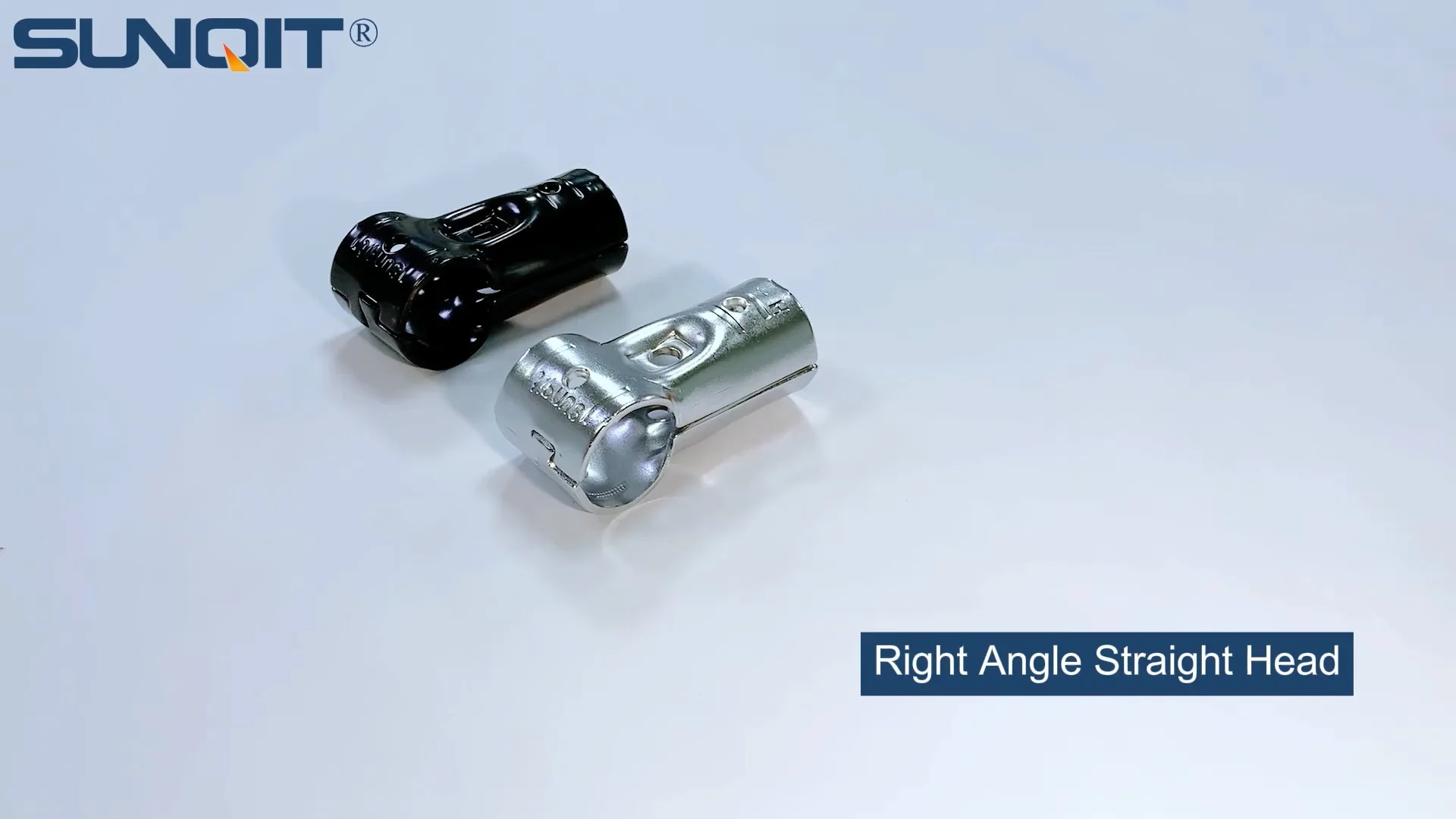
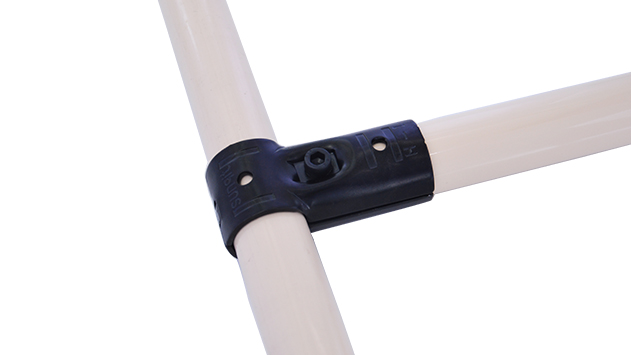
Two way lean pipe joint for 2 pcs 28MM lean pipe connection in straight angle, which used widely in workbench, flow rack, hand trolley frame connection.
In the bustling heart of a modern manufacturing facility, the hum of machinery blends with the rhythmic movement of assembly lines. Yet beneath this orchestrated chaos lies a quiet challenge that has grown impossible to ignore: sustainability. As factories worldwide strive to reduce their environmental footprint, one question echoes through production floors and boardrooms alike: How can we build flexible, efficient systems without sacrificing the planet? The answer, it turns out, might lie in a small but mighty component: the chrome two way lean pipe joint. These unassuming connectors are redefining sustainable manufacturing by prioritizing reusability, a feature that not only cuts waste but also transforms how lean systems adapt to change. Let's dive into how these joints are becoming a cornerstone of eco-friendly production—and why they matter for the future of manufacturing.
The Sustainability Challenge in Modern Manufacturing
Manufacturing has long been a driver of global progress, but its environmental impact is undeniable. According to the United Nations Industrial Development Organization (UNIDO), the manufacturing sector accounts for approximately 28% of global carbon emissions and generates billions of tons of waste annually. From metal scraps and plastic packaging to obsolete equipment, factories have historically operated on a "use-and-discard" model, where production setups are built, used, and then torn down—often with little thought to reusing materials.
Today, that model is no longer viable. Consumers demand eco-conscious brands, governments enforce stricter environmental regulations, and companies recognize that sustainability isn't just a buzzword—it's a business imperative. Lean manufacturing, with its focus on minimizing waste and maximizing efficiency, has emerged as a natural ally in this fight. But even lean systems have room for improvement. Traditional lean setups often rely on fixed structures: welded steel frames, glued components, or one-time-use fasteners. When production lines need to reconfigure for new products, seasonal demand, or process upgrades, these structures are frequently disassembled and discarded, sending valuable materials to landfills and driving up costs for new replacements.
This is where the concept of "circular manufacturing" comes into play—the idea of designing systems that reuse, repair, and recycle components to extend their lifecycle. And at the heart of this circular approach? Components like the chrome two way lean pipe joint, which are engineered to be reused, not replaced.
What Are Chrome Two Way Lean Pipe Joints?
To understand the impact of chrome two way lean pipe joints, we first need to unpack their role in lean systems. Lean pipe systems—often called "flexible pipe systems"—are modular frameworks built from lightweight metal pipes (typically steel or aluminum) and connectors. These systems are used to construct everything from workbenches and flow racks to conveyor lines and material trolleys. They're the backbone of lean manufacturing, enabling teams to build custom, on-demand structures that align with just-in-time production and continuous improvement principles.
At the core of these systems are the joints—the components that link pipes together. Not all joints are created equal, however. Traditional options include welded joints (permanent, non-reusable), plastic snap-fit connectors (prone to breaking after repeated use), or even adhesive-based fasteners (messy and irreversible). The chrome two way lean pipe joint, by contrast, is designed for both durability and flexibility.
Let's break down their key features: Material : Most chrome two way joints are made from high-grade steel with a chrome plating. Chrome adds a protective layer that resists rust, corrosion, and wear—critical for components that will be assembled, disassembled, and reassembled multiple times. Design : As the name suggests, "two way" refers to their ability to connect pipes in two directions (e.g., a T-junction or straight line), though many models offer 360-degree rotation for added flexibility. Unlike welded joints, they use mechanical clamping or twisting mechanisms to secure pipes, requiring no heat, glue, or special tools for installation. Compatibility : They're designed to work seamlessly with standard lean pipes (often 28mm or 30mm in diameter) and a range of lean pipe accessories, such as end caps, wheel brackets, and caster mounts. This compatibility ensures they can integrate into existing lean systems without requiring a complete overhaul.
In short, these joints are the "building blocks" of modular manufacturing. They turn static production lines into dynamic, adaptable ecosystems—all while keeping sustainability front and center.
The Reusability Factor: A Game-Changer for Sustainability
Reusability is where chrome two way lean pipe joints truly shine. Unlike traditional fixed joints, which are permanently bonded to pipes, these connectors are engineered to be disassembled without damage. Imagine a production supervisor needing to reconfigure a workbench to accommodate a new product size. With welded joints, the team would need to cut the steel frame, grind down the welds, and start fresh—generating metal shavings and scrap in the process. With chrome two way joints, however, the process is as simple as loosening a clamp, sliding the joint off the pipe, and reattaching it in a new configuration. The joint itself remains intact, ready to be used again and again.
This might sound like a small detail, but its environmental impact is significant. Let's consider the lifecycle of a single joint: A chrome two way lean pipe joint can typically be reused 10+ times over a decade, whereas a welded joint is lucky to survive one reconfiguration before being discarded. Multiply that by hundreds (or thousands) of joints across a factory, and the waste reduction adds up quickly. A 2023 study by the Lean Manufacturing Institute found that facilities using reusable joints reduced their annual waste from production setups by an average of 45% compared to those using traditional fixed joints.
But reusability isn't just about reducing waste—it's about preserving resources. Producing a new steel joint requires mining iron ore, smelting, casting, and chrome plating—a process that consumes energy and water and emits carbon dioxide. By reusing existing joints, factories reduce the demand for raw materials, lowering their reliance on resource-intensive manufacturing processes. For example, reusing 1,000 chrome two way joints saves approximately 2,500kg of steel from being mined and processed, according to data from the World Steel Association.
Durability plays a key role here, too. The chrome plating on these joints isn't just for aesthetics; it's a protective barrier. In manufacturing environments—where spills, humidity, and heavy use are common—corrosion can render joints useless. Chrome resists rust and chemical damage, ensuring joints remain functional even after years of use. This longevity means fewer replacements, less frequent shipping (and associated emissions) of new parts, and a smaller overall carbon footprint.

Environmental and Economic Benefits: A Win-Win
Sustainability and profitability often seem at odds, but chrome two way lean pipe joints prove they can go hand in hand. Let's break down the dual benefits—environmental and economic—that make these joints a smart investment for manufacturers.
Environmental Benefits: Less Waste, Lower Emissions
The most obvious environmental advantage is reduced waste. When joints are reused instead of replaced, fewer materials end up in landfills. For a mid-sized factory with 500 joints in use, reusing them over a 10-year period could divert approximately 1,250kg of steel from landfills (assuming each joint weighs 250g). That's the equivalent of taking 2 cars off the road for a year in terms of carbon savings, according to the EPA's waste reduction calculator.
Reusability also cuts down on emissions from manufacturing and transportation. Producing a single chrome-plated steel joint generates roughly 1.2kg of CO2 emissions (from mining, processing, and shipping). If a joint is reused 10 times instead of replaced 10 times, that's a 90% reduction in emissions per use cycle. For a factory reusing 1,000 joints annually, that's a savings of over 10 tons of CO2—enough to offset the emissions from 2,100 gallons of gasoline.
Economic Benefits: Cost Savings That Add Up
From a financial standpoint, reusability translates directly to cost savings. Let's crunch the numbers: A single chrome two way lean pipe joint costs around $8–$12 (depending on the supplier and quantity). A traditional welded joint, by comparison, costs less upfront ($3–$5 for materials), but requires labor for welding ($20–$30 per hour) and becomes useless after one use. If a factory reconfigures its production line twice a year, the welded joint approach would cost $3–$5 per joint per use, plus labor. Over 10 uses, that's $30–$50 per joint (not including labor). The chrome two way joint, meanwhile, costs $8–$12 once and can be reused indefinitely, dropping the per-use cost to less than $1 after just one reconfiguration.
Then there's downtime. Reconfiguring a production line with welded joints takes time: cutting old frames, welding new ones, and testing stability. With chrome two way joints, teams can disassemble and rebuild a workbench in hours instead of days. For a factory with hourly labor costs of $50, reducing reconfiguration time by 8 hours saves $400 per project. Multiply that by quarterly reconfigurations, and the savings climb into the tens of thousands annually.
Perhaps the biggest economic benefit, though, is flexibility. In today's fast-paced manufacturing landscape, the ability to adapt quickly to market changes is a competitive advantage. A factory using reusable joints can pivot to new products, scale up production, or test new layouts without waiting for custom parts or expensive fabrication. This agility reduces time-to-market and helps companies stay ahead of trends—all while keeping costs in check.

Flexibility and Adaptability in Lean Systems
Lean manufacturing thrives on adaptability. The goal is to eliminate waste, streamline processes, and respond rapidly to customer needs. Chrome two way lean pipe joints amplify this adaptability by making reconfiguration not just possible, but easy. Let's take a real-world example: a consumer electronics plant that produces smartphones. When a new model is released, the assembly line must be adjusted to accommodate new components, tooling, and testing stations. With traditional welded workbenches, this would mean ordering new steel frames, waiting for fabrication, and scheduling downtime for installation. With lean pipes and chrome two way joints, the process is.
The plant's lean team can simply disassemble the old workbench—loosening the joints, removing the pipes, and sorting components for reuse. The same joints and pipes are then reassembled into a new layout, with minor adjustments (adding a few new pipes or accessories if needed). The entire process takes a fraction of the time, and no materials are wasted. This isn't just efficient—it's a manifestation of the lean principle of "continuous improvement." Teams can experiment with layouts, test new workflows, and iterate quickly, all without the fear of wasting resources.
Lean pipe suppliers have taken note of this demand for flexibility, too. Many now offer "sustainability bundles" that include chrome two way joints, lean pipes, and accessories, marketed as eco-friendly alternatives to traditional fixed systems. These bundles often come with warranties that guarantee joint durability for 5+ years of repeated use, giving manufacturers confidence in their long-term value.
Comparing Reusability: Chrome Two Way Joints vs. Alternatives
To truly appreciate the reusability of chrome two way lean pipe joints, it helps to compare them to common alternatives. Below is a comparison table highlighting key factors like reusability, durability, and environmental impact.
| Feature | Chrome Two Way Lean Pipe Joint | Traditional Welded Joint | Plastic Snap-Fit Joint | Aluminum Lean Pipe Joint |
|---|---|---|---|---|
| Reusability | High (10+ uses with proper care) | None (permanently bonded) | Low (prone to breaking after 2–3 uses) | Medium (5–7 uses, but aluminum is softer and may wear) |
| Installation Time | 5–10 minutes (no tools needed) | 30–60 minutes (requires welding equipment) | 2–5 minutes (snap-on, but may jam) | 10–15 minutes (requires hex keys) |
| Durability | Excellent (chrome resists corrosion/wear) | High (but non-reusable) | Poor (plastic degrades with UV exposure/impact) | Good (lightweight but prone to bending) |
| Environmental Impact | Low (reusable, minimal waste) | High (welding emits fumes; wasteful disposal) | High (non-biodegradable; short lifespan) | Medium (recyclable but requires energy to process) |
| Cost Over 10 Uses* | $0.80–$1.20 per use | $30–$50 per use (including labor) | $8–$12 per use (replaced 5x) | $3–$5 per use (replaced 2–3x) |
*Estimated cost based on average joint prices and reuse cycles.
The table speaks for itself: chrome two way joints outperform alternatives in reusability, durability, and cost-effectiveness over time. They're not just a sustainable choice—they're the most practical choice for manufacturers prioritizing both the planet and their bottom line.
Future Trends: The Next Frontier of Sustainable Lean Systems
As manufacturing evolves, so too will the technology behind lean systems. Chrome two way lean pipe joints are already a step forward, but innovators are exploring ways to make them even more sustainable. One emerging trend is the use of recycled steel in joint production. Some lean pipe suppliers are now offering joints made from 100% recycled steel, further reducing the carbon footprint of raw material extraction. Others are experimenting with chrome-free coatings (like zinc-nickel plating) to minimize environmental impact during production, without sacrificing corrosion resistance.
Another trend is "smart joints"—equipping chrome two way joints with RFID tags or QR codes to track their lifecycle. This allows factories to monitor how many times a joint has been reused, schedule maintenance, and optimize inventory (e.g., knowing when to order new joints based on wear, not guesswork). Imagine a factory dashboard that shows: "Joint #456 has been reused 12 times—inspect for wear." This data-driven approach ensures joints are used to their full potential, maximizing sustainability and minimizing waste.
Finally, there's a growing focus on circular supply chains. Lean pipe suppliers are starting to offer take-back programs, where old or damaged joints are collected, refurbished, and resold at a discount. This closes the loop on sustainability, ensuring even joints that can no longer be reused are repaired or recycled instead of discarded.
Conclusion: Building a Sustainable Future—One Joint at a Time
Sustainable manufacturing isn't about grand gestures—it's about the small, intentional choices that add up to big change. Chrome two way lean pipe joints embody this philosophy. They're not flashy or high-tech, but they're a powerful reminder that sustainability can be built into the very tools we use to make things.
By prioritizing reusability, these joints reduce waste, lower emissions, and save manufacturers money. They turn rigid production lines into flexible ecosystems that adapt to change without sacrificing resources. They empower lean teams to innovate, experiment, and improve—all while honoring their commitment to the planet. As one lean manager at a leading automotive plant put it: "We used to see reconfiguration as a cost. Now, with these joints, we see it as an opportunity—to save money, reduce waste, and build a better future for our workers and our world."
The next time you walk through a factory, take a closer look at the workbenches, flow racks, and conveyor lines. Chances are, you'll spot the unassuming chrome two way lean pipe joints holding them together. And in those small, shiny connectors, you'll see the future of manufacturing: sustainable, flexible, and built to last.