- Company Articles
- Products and Technology
- Product knowledge
- Sustainable Material Handling: End Support for Roller Track Placon Mount with Wheel

Sustainable Material Handling: End Support for Roller Track Placon Mount with Wheel
Related Product
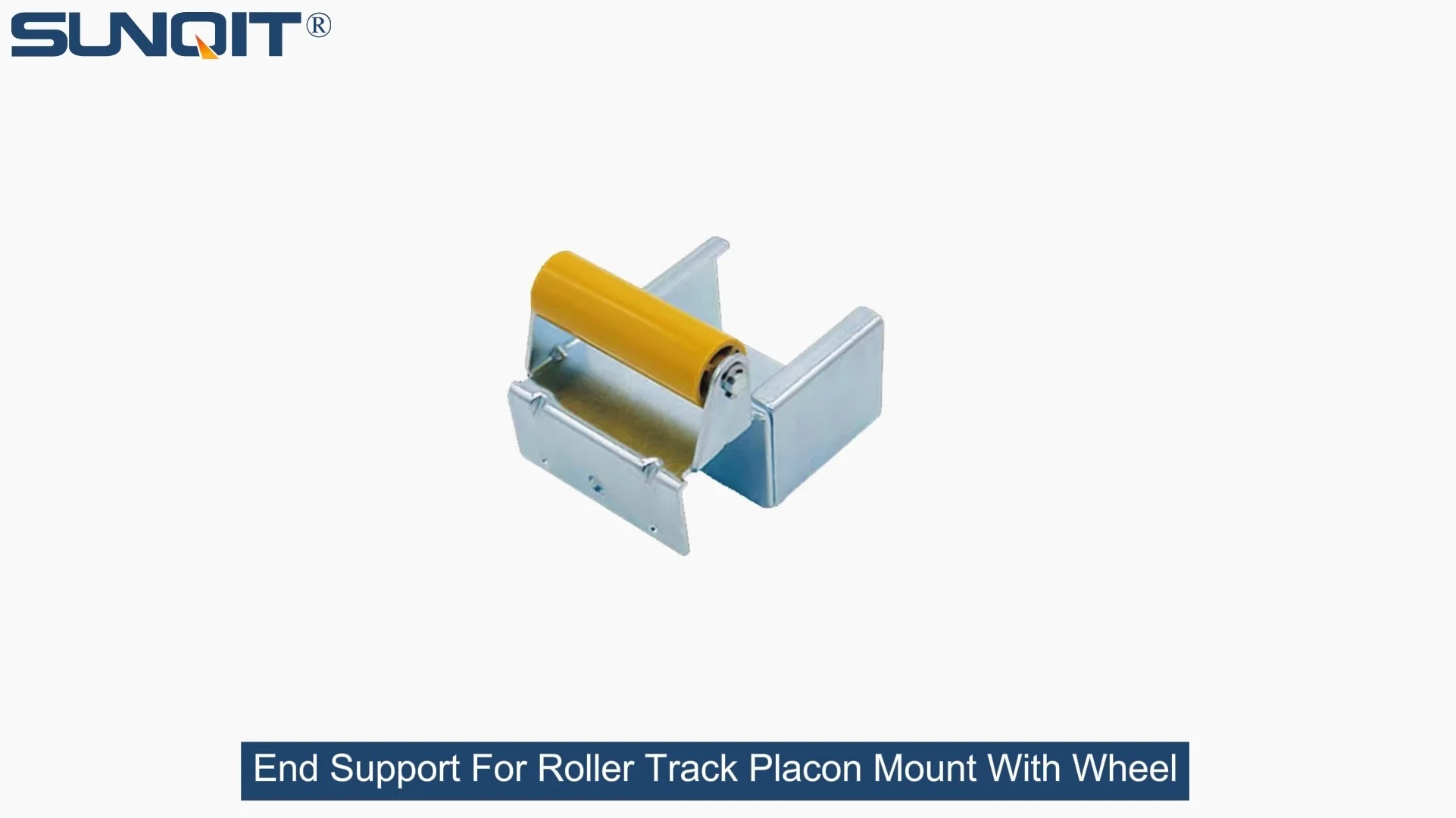
End Support for Roller Track Placon Mount with Wheel
End support for roller track placon mount with wheel,the special design with end wheel,make it with more flexible function for roller track and pipe connection and give more option for selection for building flow rack system.
How Lean Systems Transform Manufacturing Efficiency While Embracing Eco-Friendly Practices
The Modern Manufacturing Challenge: Balancing Speed, Cost, and Sustainability
Walk into any manufacturing facility today, and you'll feel the buzz of activity—conveyors hum, workers hustle to meet deadlines, and (materials) move from one station to the next. But behind this productivity lies a hidden struggle: how to keep up with demand without sacrificing efficiency or harming the planet. Traditional material handling methods often fall short here—think rigid, one-size-fits-all equipment that ends up in landfills when production lines change, or energy-guzzling systems that drive up operational costs.
That's where sustainable material handling comes in. It's not just about "going green" for the sake of it; it's about building systems that adapt, reuse, and reduce waste—all while boosting your bottom line. And at the heart of this transformation? Lean systems. These aren't just tools; they're a mindset—one that says, "We can do better by doing more with less."
Lean Principles Meet Sustainability: A Match Made in Manufacturing
Lean manufacturing has always been about eliminating waste—whether that's time, materials, or effort. But in today's world, "waste" has a broader meaning. It includes the environmental impact of your operations, too. Sustainable material handling takes lean's core idea— continuous improvement —and expands it to include continuous reuse . Imagine a workstation that can be disassembled and rebuilt in hours when your production needs shift, or a conveyor system that uses 30% less energy because of its smart, modular design. That's the power of combining lean and sustainability.
But how do you turn this idea into reality? It starts with the right components—tools that are built to last, adapt, and grow with your business. Let's dive into some of the key players in this space and see how they're changing the game for manufacturers worldwide.

Flow Racks: The Unsung Heroes of Efficient, Sustainable Material Handling
Ask any warehouse manager what their biggest headache is, and chances are they'll mention (material turnover). When parts get stuck in bottlenecks or workers waste time searching for supplies, productivity plummets. Enter the flow rack —a simple yet genius solution that uses gravity and rollers to keep materials moving smoothly, from the back of the rack to the front, right where workers need them.
But what makes flow racks a sustainability star? Let's break it down:
- Modular Design: Most flow racks are built with adjustable shelves and roller tracks, so you can reconfigure them for different-sized parts. No need to buy a whole new rack when your product line changes—just swap out a few components.
- Reduced Energy Use: Since flow racks rely on gravity (not motors) to move materials, they cut down on electricity costs. Plus, their compact design means you can fit more storage in less space, reducing the need for extra lighting or climate control in larger areas.
- Durable Materials: Made with high-quality aluminum or steel, these racks stand up to heavy use. And when they do eventually need updates, many parts are recyclable or reusable.
Take the example of a 3C assembly plant we worked with last year. They were using static shelves where workers had to bend and reach for small electronic components, leading to slowdowns and even injuries. After installing flow racks, they saw a 25% increase in picking speed and a 15% drop in material waste—all because parts were now sliding right to the front, ready to use.

Lean Pipe Workbenches: Where Flexibility Meets Functionality
Your workstation is the heart of your production line. If it's clunky, fixed, or outdated, everything slows down. That's why lean pipe workbenches have become a staple in modern factories. These aren't your grandfather's workbenches—they're built with lightweight, durable aluminum pipes and joints that let you customize every inch to your needs.
What makes them sustainable? Let's count the ways:
- Tool-Free Assembly (and Reassembly): With simple twist-lock joints, you can build, take apart, or rearrange a lean pipe workbench in minutes. Need to add a shelf for new equipment? Just snap on a few more pipes. Moving to a smaller space? Disassemble it and rebuild it there. No waste, no hassle.
- ESD Protection for Sensitive Industries: Many lean pipe workbenches come with ESD (Electrostatic Discharge) features, which are crucial for electronics manufacturing. But here's the kicker: instead of replacing the entire bench when ESD mats wear out, you can just swap out the mat. It's a small detail, but it adds up to big savings (and less waste) over time.
- Lightweight Yet Strong: Aluminum pipes are lighter than steel, which means less energy is used to transport and install them. But don't let their weight fool you—they can handle heavy loads, so you won't need to replace them every few years.
Case Study: A Medical Device Manufacturer's Workbench Makeover
A leading medical device company came to us with a problem: their production lines were constantly changing to meet new regulatory requirements, and their old, fixed workbenches couldn't keep up. They were spending thousands on custom-built benches that became obsolete within months.
We recommended lean pipe workbenches with adjustable heights and modular accessories (like tool hooks and bin holders). Within a week, their team was rearranging workstations on the fly, adding ESD surfaces for sensitive components, and even repurposing old benches for new projects. The result? A 40% reduction in workstation replacement costs and a 30% faster setup time for new product lines.

Conveyors: Moving Materials (and Sustainability) Forward
Conveyors are the arteries of your production line—they keep materials flowing, so your team can focus on assembling, testing, and shipping. But traditional conveyors are often rigid, energy-heavy, and hard to modify. That's why conveyors designed with lean principles are changing the game.
Here's how they boost sustainability:
- Flexible Paths: Unlike fixed conveyors that require major construction to reroute, lean conveyors use modular sections that can be curved, extended, or shortened as needed. Want to add a side branch for quality control? Just snap on a new section. No need to tear up the floor or buy a whole new system.
- Low-Maintenance Design: Many lean conveyors use plastic or aluminum rollers that resist rust and wear, meaning fewer replacements. And because they're modular, you can replace a single damaged section instead of the entire conveyor—saving parts and labor.
- Energy Efficiency: Modern lean conveyors often come with variable speed drives, so they only use power when materials are moving. Some even have sensor-based controls that shut down sections when they're not in use. It's a small tweak that can cut your energy bill by 20-30%.
Beyond Individual Tools: Lean Solutions for the Whole Operation
While individual components like flow racks and workbenches are powerful, the real magic happens when they're part of a cohesive lean solution . Every factory is unique—what works for a (automotive parts) plant won't necessarily work for a medical device facility. That's why custom lean solutions are key to sustainable material handling.
Here's how a tailored lean solution can transform your operations:
- Industry-Specific Design: For example, in the 3C assembly industry, where products are small and delicate, a lean solution might combine ESD workbenches, mini flow racks for tiny components, and lightweight conveyors that weave between workstations. In warehousing, it could mean a mix of heavy-duty flow racks and mobile carts that reduce the need for forklifts (and their carbon footprint).
- Data-Driven Optimization: The best lean solutions aren't just about equipment—they're about analyzing your current processes to find hidden waste. Maybe your workers are walking 2 miles a day to fetch materials? A well-placed flow rack or conveyor could cut that distance in half, saving time and reducing fatigue.
- Future-Proofing Your Facility: A good lean solution is built to grow with you. It includes components that can be scaled up (or down) as your business changes, so you're never stuck with equipment you no longer need.
Why Aluminum Profiles Are the Backbone of Sustainable Lean Systems
You might have noticed a common thread in all these components: aluminum profiles . These lightweight, durable pieces are the building blocks of modern lean systems, and for good reason. Aluminum is not only strong and corrosion-resistant, but it's also 100% recyclable. When a project is done, you can melt down the profiles and turn them into new parts—no waste, no environmental guilt.
But it's not just about recycling. Aluminum profiles are designed to be reused, too. Their standardized sizes and connectors mean you can mix and match parts from different systems. A pipe from an old workstation can become part of a new flow rack, or a bracket from a conveyor can be repurposed as a shelf support. It's circular manufacturing at its finest.
Traditional vs. Lean Material Handling: The Numbers Speak for Themselves
| Metric | Traditional Material Handling | Lean Material Handling |
|---|---|---|
| Equipment Lifespan | 3-5 years (fixed design, hard to upgrade) | 10+ years (modular, reusable components) |
| Waste Generation | High (frequent replacements end up in landfills) | Low (reusable parts, recyclable materials) |
| Energy Consumption | High (fixed-speed motors, inefficient design) | Low (variable speed, gravity-fed systems like flow racks) |
| Setup Time for New Lines | Weeks to months (custom fabrication needed) | Days to weeks (modular assembly) |
| Overall Cost (10-Year View) | Higher (frequent replacements, high energy bills) | Lower (reusable parts, reduced energy and labor costs) |
Choosing the Right Partner for Your Lean Journey
Sustainable material handling isn't just about buying the right tools—it's about partnering with a supplier who understands your goals. Look for a team that doesn't just sell products but offers solutions . One that takes the time to walk your facility, listen to your challenges, and design a system that fits your unique needs.
Whether you're in 3C assembly, medical device manufacturing, or (warehousing and logistics), the right lean system can transform how you work—making you more efficient, more adaptable, and more sustainable. And in today's competitive market, that's not just an advantage—it's a necessity.
Final Thoughts: Sustainability Isn't a Trend—It's the Future
As manufacturers, we have a responsibility to build products that improve lives while protecting the planet. Sustainable material handling isn't a "nice-to-have" anymore; it's a "must-have" for businesses that want to thrive in the long run. And with lean systems—from flow racks and lean pipe workbenches to custom conveyor solutions—you don't have to choose between efficiency and sustainability. You can have both.
So, what's your first step? Take a look at your current material handling setup. Where are the bottlenecks? The waste? The missed opportunities for reuse? Then, reach out to a lean solutions provider who can help you turn those challenges into strengths. Your team, your bottom line, and the planet will thank you.