- Company Articles
- Products and Technology
- Product knowledge
- Sustainable Mobility: Eco-Friendly Flat Swivel Castor Wheel with Brake for Green Factories

Sustainable Mobility: Eco-Friendly Flat Swivel Castor Wheel with Brake for Green Factories
Related Product
Flat Swivel Castor Wheel With Brake
Chair Casters Ball Bearing Wheels Rubber Base with brake design. Resistant to abrasion, impact and corrosion. Heavy payload can hold 70Kgs per pcs,which can make it works at a stable and smooth status.
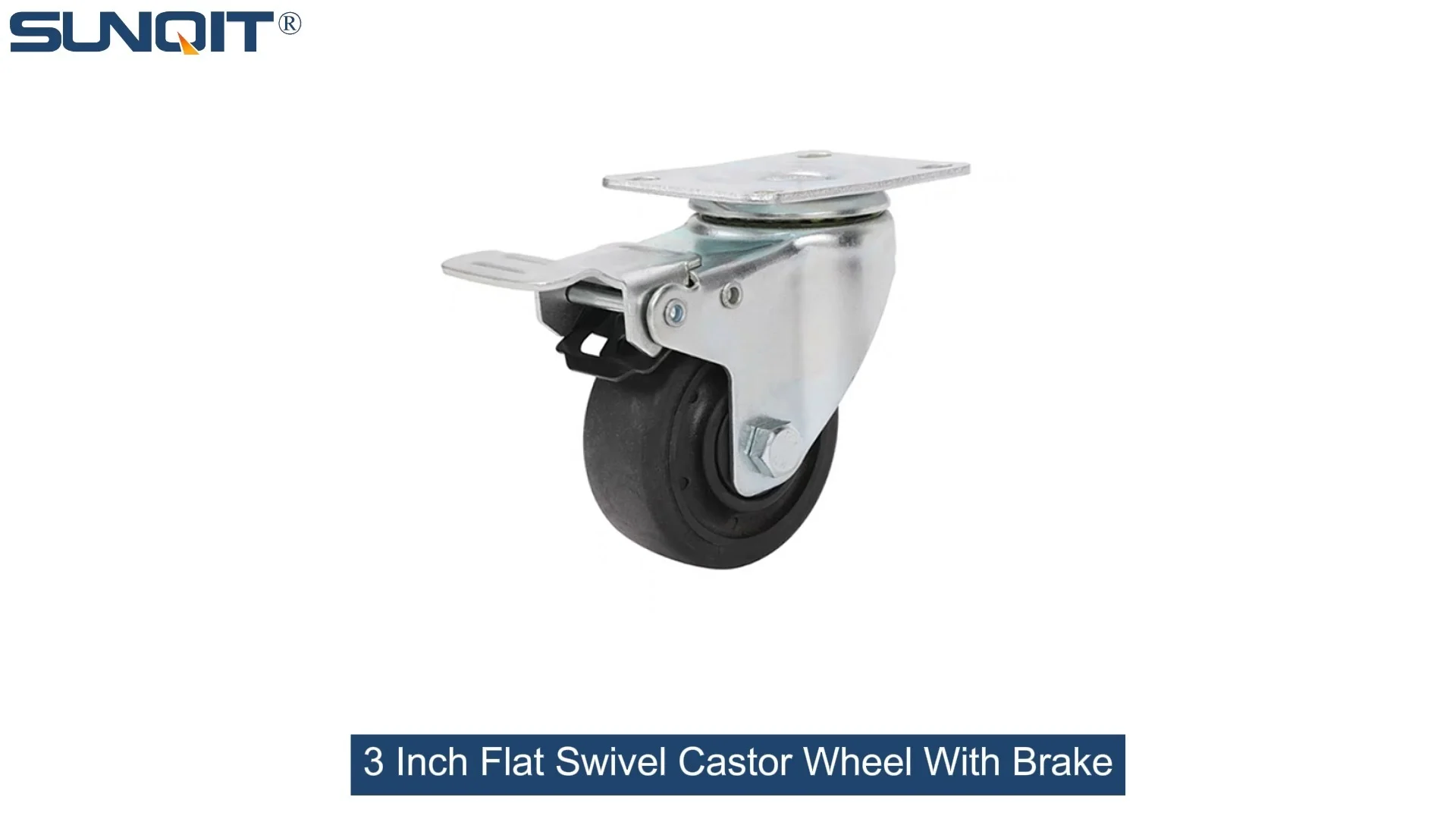
In the race to build a more sustainable future, factories around the world are reimagining every part of their operations—from energy-hungry machinery to the smallest moving components. While solar panels and wind turbines grab headlines, it's often the unsung heroes of the manufacturing floor that quietly drive real change. Take mobility, for example: the ability to move workbenches, material trolleys, and conveyor systems smoothly and safely is the backbone of efficient production. And at the heart of that mobility? Castor wheels. Today, we're diving into one such game-changer: the eco-friendly flat swivel castor wheel with brake, a small but mighty tool that's helping green factories reduce waste, cut costs, and align with lean system principles—all while keeping workers safe and operations running like clockwork.
The Green Factory Revolution: More Than Just Big Ideas
Sustainability in manufacturing isn't just a buzzword anymore; it's a business imperative. Companies are setting bold goals: net-zero carbon emissions by 2030, zero-waste production lines, and circular supply chains. But achieving these targets isn't just about installing solar panels or switching to electric forklifts. It's about rethinking every component, no matter how "small," to ensure it aligns with the bigger picture of reducing environmental impact.
Enter lean system thinking—a framework that's been around for decades but has found new purpose in green manufacturing. Lean systems focus on eliminating waste, optimizing workflows, and creating value for customers. When paired with sustainability, this means designing processes that use fewer resources, generate less trash, and last longer. And here's where mobility comes in: moving materials and tools efficiently isn't just about speed; it's about minimizing energy use, reducing wear and tear on equipment, and avoiding unnecessary trips that burn fuel or waste labor hours.
Think about a typical factory floor: workbenches need to shift to accommodate changing production lines, material racks must glide to assembly stations, and conveyor systems need to transport goods without jamming or breaking down. Every time a wheel sticks, a brake fails, or a castor needs replacement, it's not just a hassle—it's a waste of time, money, and materials. That's why choosing the right castor wheel isn't just a maintenance decision; it's a sustainability decision.
The Problem with Traditional Castors: Hidden Costs to the Planet
For years, factories relied on standard castor wheels made from cheap plastics, heavy steel, or rubber that wears down quickly. Let's break down why these traditional options clash with green goals:
- Short Lifespans, Endless Waste: Plastic castors often crack under heavy loads or degrade when exposed to oils and chemicals, needing replacement every 6–12 months. Each discarded wheel ends up in landfills, contributing to the 25 million tons of industrial plastic waste generated annually in the U.S. alone.
- Energy Drain: Poorly designed wheels with rough bearings or uneven swivel mechanisms require more force to move. Workers push harder, trolleys get stuck, and even conveyor systems have to work overtime to compensate—wasting energy and increasing fatigue.
- Non-Recyclable Materials: Many traditional castors are made from mixed materials (plastic wheels, steel brackets, rubber tires) that are hard to separate and recycle. Once they wear out, they're destined for the dump.
- Safety Risks: Brakes on low-quality castors often fail, leading to accidents—trolleys rolling away, workbenches shifting mid-task. These incidents don't just harm workers; they disrupt production, leading to more waste as deadlines are missed and materials are scrapped.
It's clear: traditional castors are a weak link in the green factory chain. But what if there was a castor that addressed all these issues—one that's durable, recyclable, energy-efficient, and safe? Enter the eco-friendly flat swivel castor wheel with brake.
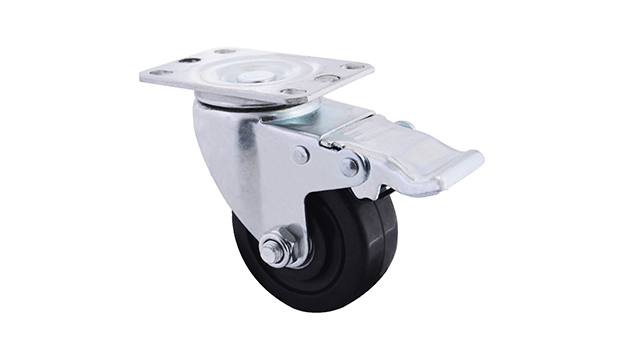
Meet the Eco-Friendly Flat Swivel Castor Wheel with Brake: Designed for Sustainability
At first glance, this castor might look similar to its traditional counterparts, but a closer inspection reveals thoughtful design choices that prioritize the planet. Let's break down its key features:
Materials That Matter: Aluminum Profile and Recycled Plastics
Gone are the days of cheap plastic and non-recyclable steel. The eco-friendly flat swivel castor wheel starts with a frame made from lightweight aluminum profile—an material known for its durability, corrosion resistance, and 100% recyclability. Unlike steel, aluminum doesn't rust, so it lasts longer in humid or chemical-exposed factory environments. Even better, recycling aluminum uses 95% less energy than producing it from raw ore, making it a cornerstone of circular manufacturing.
The wheel itself is often crafted from recycled high-density polyethylene (HDPE) or rubber derived from post-consumer tires. These materials are tough enough to handle heavy loads (up to 300kg per castor in some models) but flexible enough to absorb shocks, reducing noise and wear on both the wheel and the factory floor. And when the wheel finally does wear out? The aluminum frame can be melted down and reused, while the recycled plastic components are often compatible with industrial recycling programs.
Smooth Swivel, Less Effort: The Flat Design Advantage
Traditional castors often have bulky swivel mechanisms that create friction, making them hard to turn and energy-intensive to move. The flat swivel design changes that. By streamlining the joint and using precision ball bearings (often made from recycled steel), this castor glides with minimal effort. Workers pushing a loaded trolley or repositioning a workbench spend less energy, reducing fatigue and cutting down on the "hidden cost" of labor burnout. On conveyor systems, the smooth rotation means motors don't have to work as hard, trimming electricity use over time.
Brakes You Can Trust: Safety Meets Sustainability
A castor is only as good as its brake, and the eco-friendly model doesn't skimp here. The integrated brake system uses a simple, robust lever that locks both the wheel and the swivel joint, preventing accidental movement even on uneven floors. Unlike flimsy plastic brakes that snap after a few months, this one is built with aluminum and reinforced steel components—meaning it lasts longer and rarely needs replacement. Fewer brake failures mean fewer accidents, less downtime, and fewer trips to the landfill for broken parts.

Bridging Lean Systems and Sustainability: How This Castor Fits Your Green Goals
Lean system principles—eliminating waste, optimizing flow, and continuous improvement—are a natural fit for sustainability. After all, waste is waste, whether it's time, materials, or energy. The eco-friendly flat swivel castor wheel with brake aligns with lean thinking in three key ways:
1. Eliminating Waste Through Durability
In lean terms, "waste" includes unnecessary replacement of parts. Traditional castors might last 6–12 months in a busy factory; the eco-friendly model, with its aluminum profile frame and recycled rubber wheels, often lasts 3–5 years. That's a 70% reduction in waste from castor replacements alone. Multiply that by hundreds of castors on workbenches, trolleys, and conveyor systems, and the savings add up—both in terms of landfill space and procurement costs.
2. Optimizing Flow with Smooth Mobility
Lean systems thrive on "flow"—the uninterrupted movement of materials from one production stage to the next. A stuck castor or a trolley that's hard to push disrupts that flow, creating bottlenecks and frustrating workers. The flat swivel design ensures that even heavy loads move with minimal effort. For example, a workbench equipped with these castors can be repositioned in seconds to adapt to a new production line layout, reducing changeover time and keeping the lean principle of "flexibility" alive.
3. Continuous Improvement Through Data
Many modern eco-friendly castors come with optional caster accessories like wear sensors or QR codes that link to maintenance logs. By tracking how often a castor is used, how much weight it carries, and when it needs lubrication, factories can predict failures before they happen—avoiding unexpected downtime and ensuring parts are replaced only when necessary. This data-driven approach aligns with lean's focus on continuous improvement, turning guesswork into actionable insights.

The Numbers Speak: Comparing Traditional vs. Eco-Friendly Castors
Still on the fence? Let's put it all together with a side-by-side comparison. The table below shows how the eco-friendly flat swivel castor wheel with brake stacks up against a standard traditional castor in key sustainability and performance metrics:
| Feature | Traditional Castor | Eco-Friendly Flat Swivel Castor with Brake |
|---|---|---|
| Primary Materials | Virgin plastic, carbon steel, non-recyclable rubber | Recycled aluminum profile, recycled HDPE/rubber, recycled steel bearings |
| Average Lifespan (Factory Use) | 6–12 months | 3–5 years |
| Recyclability | Low (mixed materials hard to separate) | High (aluminum 100% recyclable; plastic components often recyclable) |
| Energy Required to Move (per 100kg Load) | Higher (rough bearings, poor swivel) | 30–40% lower (smooth swivel, precision bearings) |
| Brake Failure Rate | ~20% annually (based on industry surveys) | <5% over 5 years |
| Total Cost Over 5 Years* | $150–$200 (5–10 replacements) | $80–$120 (1 replacement, lower energy/labor costs) |
*Estimated costs include purchase price, replacement parts, and energy/labor savings. Based on average industrial castor prices and factory usage rates.
Real-World Impact: How One Factory Cut Waste by 40% with Eco-Friendly Castors
Case Study: Precision Electronics Manufacturer, Ohio
A mid-sized electronics factory in Ohio was struggling to meet its sustainability goals. Their production line relied on dozens of mobile workbenches and material trolleys, each fitted with traditional plastic castors. The team was replacing castors every 8 months, generating over 200kg of waste annually. Workers complained about trolleys getting stuck, slowing down assembly, and brake failures had led to two minor accidents in a year.
In 2023, they switched to eco-friendly flat swivel castor wheels with brakes. Within six months, the results were clear: castor replacements dropped by 75%, and workers reported a 30% reduction in effort when moving trolleys. The aluminum profile frames held up to the factory's cleaning chemicals, and the recycled rubber wheels reduced noise by 15%. Most importantly, the integrated brakes eliminated accidents, keeping the line running smoothly. By the end of the year, the factory had cut waste from mobility components by 40% and saved $12,000 in replacement and labor costs—all from a simple switch to greener castors.
Beyond the Castor: Building a Sustainable Mobility Ecosystem
The eco-friendly flat swivel castor wheel with brake is just the start. To truly transform factory mobility, it works best when paired with other sustainable components. For example:
- Aluminum Profile Workbenches: Pairing castors with workbenches made from the same aluminum profile ensures a seamless, recyclable system. When it's time to upgrade the workbench, the frame and castors can be recycled together.
- Energy-Efficient Conveyors: Conveyor systems using these castors (and compatible roller track guide rails) require less motor power, cutting electricity use. Some factories report energy savings of 15–20% on conveyor operations alone.
- Smart Caster Accessories: From sensor-equipped brake locks to RFID tags for inventory tracking, caster accessories are getting smarter. These tools help factories monitor usage, predict maintenance, and avoid unnecessary replacements—keeping the lean system running smoothly.
The Future of Green Mobility: What's Next for Castor Technology?
As factories push for even greater sustainability, castor technology is evolving. Here are three trends to watch:
Biodegradable Materials: Researchers are testing castor wheels made from mycelium (mushroom roots) or algae-based plastics, which break down naturally at the end of their lifespan. While still in early stages, these could eliminate plastic waste entirely.
Self-Lubricating Bearings: New nano-coatings on bearings reduce friction without the need for oil, cutting maintenance and eliminating the risk of lubricant spills that harm the environment.
IoT-Enabled Castors: Imagine castors that send real-time data to your factory's management system—alerting you when a wheel is wearing thin, a brake needs adjustment, or a trolley is being overloaded. This "predictive maintenance" could reduce waste even further by ensuring parts are replaced only when necessary.
Conclusion: Small Wheels, Big Impact
Sustainability in manufacturing isn't about grand gestures—it's about the sum of small, intentional choices. The eco-friendly flat swivel castor wheel with brake may be small in size, but its impact is huge: less waste, lower costs, safer workers, and a production line that aligns with both lean system principles and green goals. As more factories embrace this technology, we're one step closer to a future where every component, no matter how small, works toward a healthier planet.
So the next time you walk through a factory, take a moment to look down. Those wheels under the workbench? They might just be the key to a more sustainable tomorrow.