- Company Articles
- Products and Technology
- Procurement Guidelines
- Sustainable Sourcing: Recyclable Materials in 60 Aluminum Roller Track Small Wheel

Sustainable Sourcing: Recyclable Materials in 60 Aluminum Roller Track Small Wheel
Related Product
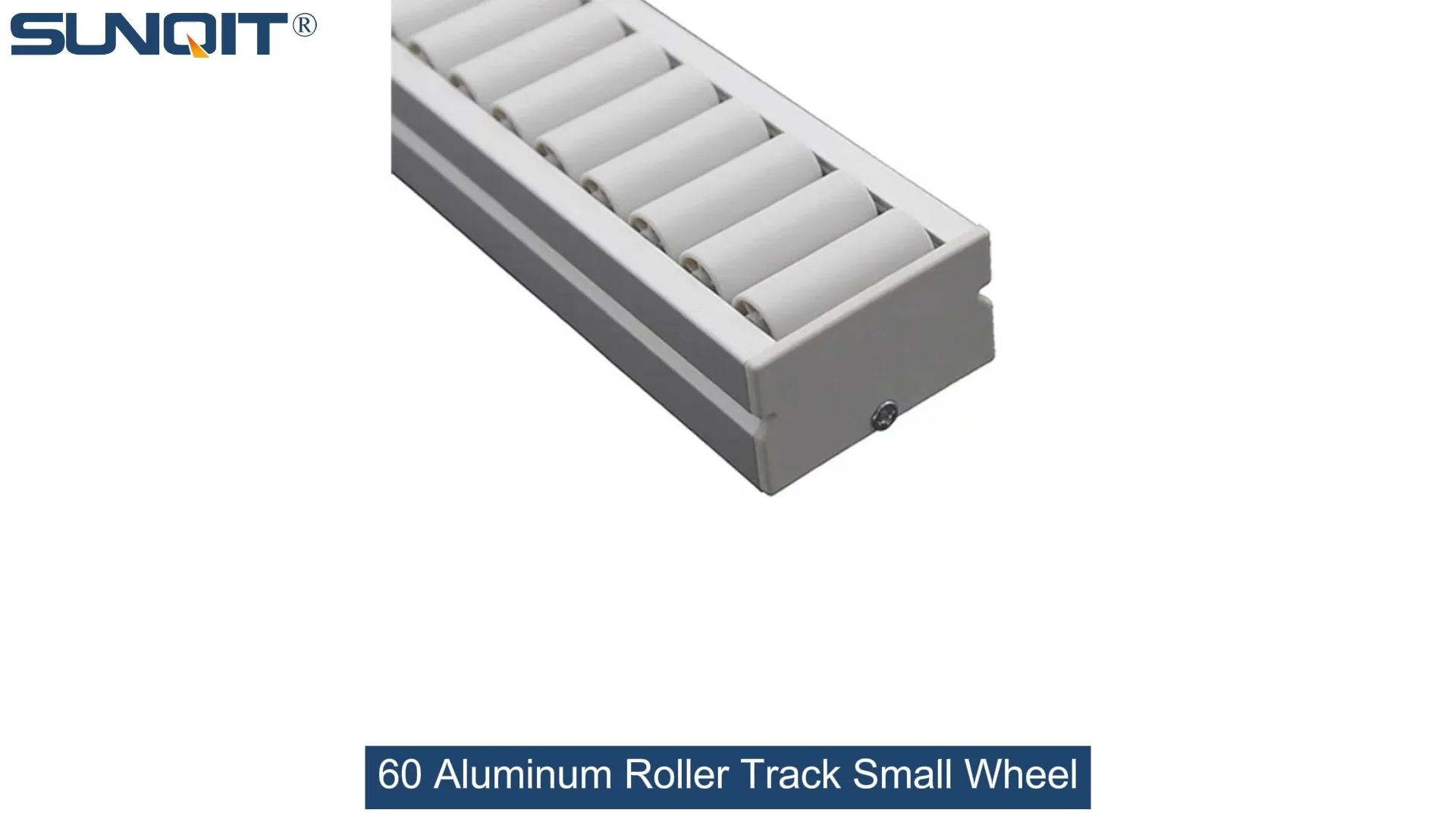
60 Aluminum Roller Track Small Wheel
Modular system roller tracks aluminum gravity roller tracks are an excellent solution for transporting materials within industrial environments, warehouses and distribution centres.
In today's fast-paced manufacturing world, sustainability isn't just a buzzword—it's a core principle that drives long-term success. Every component in a production line, no matter how small, plays a role in reducing environmental impact while maintaining efficiency. One such component that's gaining traction among forward-thinking manufacturers is the 60 aluminum roller track small wheel. This seemingly modest part is a game-changer for businesses looking to align their operations with circular economy goals, thanks to its use of recyclable materials and seamless integration into lean systems.
1. What Is the 60 Aluminum Roller Track Small Wheel?
Let's start with the basics: the 60 aluminum roller track small wheel is a key component of roller track systems used in manufacturing and warehousing. As the name suggests, it's made from high-quality aluminum—one of the most recyclable materials on the planet. Unlike traditional plastic or steel wheels, this aluminum variant is designed for durability, reusability, and easy recycling at the end of its lifecycle. But what makes it stand out from other options? For starters, its 60mm size makes it ideal for light to medium-duty applications, such as moving small parts in flow racks or conveyor systems. It's also corrosion-resistant, which means it lasts longer in harsh industrial environments, reducing the need for frequent replacements.
The design of the 60 aluminum roller track small wheel is optimized for smooth movement. Its surface is treated to minimize friction, ensuring that products glide effortlessly along the track. This not only boosts productivity but also reduces energy consumption—another win for sustainability. Moreover, since it's made from aluminum, it's lightweight yet strong, making installation and maintenance a breeze. For manufacturers that prioritize lean principles, this means less time spent on setup and more time on core operations.
2. The Role of Recyclable Materials in This Roller Wheel
Aluminum is the star here, and for good reason. It's 100% recyclable without losing any of its properties. That means a 60 aluminum roller track small wheel can be melted down and reused to make new components multiple times. Compare this to plastic wheels, which often end up in landfills or incinerators, releasing harmful toxins into the environment. Steel wheels, while durable, are heavier and require more energy to recycle. The aluminum variant strikes the perfect balance between performance and sustainability.
Let's break down the environmental benefits: when you choose a 60 aluminum roller track small wheel, you're reducing your carbon footprint in several ways. First, producing new aluminum from recycled material uses 95% less energy than making it from bauxite ore. That's a huge saving! Second, since these wheels are reusable and recyclable, you're cutting down on waste generation. Third, their long lifespan means fewer replacements, which translates to less raw material extraction and manufacturing. All these factors add up to a more sustainable production line that aligns with global efforts to combat climate change.
Why Recyclable Materials Matter for Your Business
Beyond the environmental perks, using recyclable materials like aluminum in your roller track wheels has tangible business benefits. For one, it helps you meet regulatory requirements related to waste reduction and sustainability. Many countries are tightening their environmental laws, and businesses that fail to adapt risk fines or reputational damage. Additionally, consumers and partners are increasingly choosing to work with companies that prioritize sustainability. By investing in recyclable components like the 60 aluminum roller track small wheel, you're sending a clear message that your brand cares about the planet—something that can set you apart from competitors.
3. Integration with Lean Solutions and Other Components
The 60 aluminum roller track small wheel doesn't work in isolation. It's part of a larger ecosystem of lean production equipment that includes flow racks, conveyors, and workbenches. Let's see how it fits into these systems:
Flow Racks
Flow racks are essential for efficient material handling in warehouses and assembly lines. They use gravity to move products from one end to the other, reducing the need for manual labor. The 60 aluminum roller track small wheel is a perfect fit for flow racks because of its smooth movement and durability. When integrated into a flow rack system, these wheels ensure that parts are delivered to workers quickly and safely, minimizing downtime. Moreover, since the wheels are recyclable, the entire flow rack system becomes more sustainable—aligning with the lean principle of reducing waste.
Conveyors
Conveyors are the backbone of many production lines, moving products between stations with minimal effort. The 60 aluminum roller track small wheel is often used in roller conveyors, where it helps transport small to medium-sized items. Its lightweight design reduces the energy needed to power the conveyor, while its recyclability ensures that when the conveyor is upgraded or replaced, the wheels can be reused instead of discarded. This is a key part of the circular economy approach that many lean manufacturers are adopting.
Aluminum Profile Frames
The 60 aluminum roller track small wheel is typically mounted on frames made from aluminum profile. This is a smart choice because aluminum profile is also recyclable, so the entire roller track system is eco-friendly. Aluminum profile frames are easy to assemble and modify, which means you can adjust your roller track setup as your production needs change. This flexibility is a core tenet of lean manufacturing—allowing you to continuously improve your processes without wasting resources.
4. Comparison: Recyclable vs. Non-Recyclable Roller Wheels
To understand the true value of the 60 aluminum roller track small wheel, let's compare it to traditional non-recyclable options like plastic and steel wheels. The table below highlights key differences in sustainability, cost, and performance:
| Feature | 60 Aluminum Roller Track Small Wheel | Traditional Plastic Wheel | Traditional Steel Wheel |
| Recyclability Rate | 100% (can be reused indefinitely) | Low (most plastics are not recyclable) | High, but requires more energy to recycle |
| Carbon Footprint (Production) | Low (95% less energy than new aluminum) | High (depends on plastic type) | Medium to High |
| Durability | High (corrosion-resistant, long lifespan) | Low (prone to cracking and wear) | High (but heavy) |
| Cost Over Time | Lower (reusable, fewer replacements) | Higher (frequent replacements needed) | Medium (heavier, higher shipping costs) |
| Environmental Impact (End of Life) | Minimal (recycled into new products) | High (landfill or incineration) | Medium (recyclable but energy-intensive) |
5. Sustainable Impact Across Industries
The 60 aluminum roller track small wheel is used across a wide range of industries, from 3C assembly to medical device manufacturing. Let's look at how it's making a difference in key sectors:
3C Assembly
The 3C industry (computers, communication, consumer electronics) is known for its fast product cycles and high demand for efficiency. Manufacturers in this sector use roller track systems to move small components like circuit boards and batteries. The 60 aluminum roller track small wheel is ideal here because it's lightweight and corrosion-resistant—perfect for handling delicate electronic parts. By using recyclable aluminum wheels, 3C manufacturers can reduce waste and meet their sustainability targets without compromising on speed or precision.
Medical Device Manufacturing
Medical device manufacturing requires strict adherence to hygiene and safety standards. The 60 aluminum roller track small wheel is easy to clean and sanitize, making it suitable for this industry. Additionally, since it's recyclable, medical device companies can reduce their environmental impact while complying with regulatory requirements. For example, a company producing surgical instruments might use roller tracks with aluminum wheels to move parts between sterilization and assembly stations—ensuring both efficiency and sustainability.
Warehousing and Logistics
Warehouses and logistics centers handle large volumes of goods daily. Roller track systems with 60 aluminum wheels are used to move boxes and packages quickly and safely. The recyclability of these wheels means that when a warehouse upgrades its storage systems, the old wheels can be melted down and reused—reducing waste and cutting costs. This is especially important for logistics companies that are under pressure to reduce their carbon footprint from transportation and storage.
5. Case Study: How a 3C Manufacturer Benefited from 60 Aluminum Roller Track Small Wheels
Case Study: XYZ Electronics (3C Assembly)
XYZ Electronics is a leading manufacturer of smartphones and tablets. The company was facing two main challenges: high waste from plastic roller wheels in their flow racks and rising energy costs from heavy steel wheels. They decided to switch to 60 aluminum roller track small wheels as part of a larger lean solution to improve sustainability and efficiency.
Problem:
XYZ Electronics used plastic roller wheels in their flow racks. These wheels were prone to cracking, leading to frequent replacements and high waste. Additionally, the heavy steel wheels in their conveyors increased energy consumption, driving up operational costs.
Solution:
The company partnered with a supplier to replace all plastic and steel wheels with 60 aluminum roller track small wheels. They also upgraded their flow racks and conveyors to use aluminum profile frames for maximum recyclability.
Results:
- Waste reduction: The company cut plastic waste from roller wheels by 90% since aluminum wheels last 3x longer and are recyclable.
- Energy savings: The lightweight aluminum wheels reduced conveyor energy consumption by 15%.
- Cost efficiency: Over a two-year period, the company saved $50,000 in replacement costs and energy bills.
- Sustainability: XYZ Electronics met its annual sustainability target of reducing carbon emissions by 10%—in part due to the switch to aluminum wheels.
This case study shows that even small changes, like switching to recyclable roller wheels, can have a big impact on a company's bottom line and environmental footprint.
6. Choosing the Right Supplier for Your Roller Track Needs
When it comes to sourcing 60 aluminum roller track small wheels, choosing the right supplier is crucial. You need a partner that not only provides high-quality products but also understands your sustainability goals. Look for suppliers that offer:
Custom Lean Solutions:
Every manufacturing line is unique, so your supplier should be able to design roller track systems tailored to your specific needs. For example, if you're in the medical industry, they should offer wheels that meet hygiene standards. If you're in 3C assembly, they should provide lightweight wheels for delicate components.
Recyclable Materials:
Ensure that the supplier uses 100% recyclable aluminum for their roller wheels. Ask about their recycling process—do they take back old wheels for reuse? A good supplier will have a clear circular economy strategy.
Durability and Quality:
The 60 aluminum roller track small wheel should be made from high-grade aluminum to ensure long lifespan. Check for certifications like ISO 9001 to verify quality standards.
Wide Product Range:
A supplier with a wide range of products (like flow racks, conveyors, and aluminum profile frames) can provide a complete solution for your lean system needs. This saves you time and effort in sourcing multiple components from different vendors.
7. The Future of Sustainable Roller Track Components
As sustainability becomes more important in manufacturing, the demand for recyclable components like the 60 aluminum roller track small wheel will continue to grow. We can expect to see even more innovations in this space, such as wheels made from recycled aluminum combined with other eco-friendly materials, or designs that further reduce friction and energy consumption. Additionally, suppliers will likely offer more circular economy services, like take-back programs for old wheels, to help manufacturers close the loop on their waste.
For businesses, this means that investing in recyclable roller track components today is a smart long-term decision. Not only will you reduce your environmental impact, but you'll also be prepared for future regulatory changes and consumer expectations.
Conclusion
The 60 aluminum roller track small wheel is more than just a component—it's a symbol of how small changes can lead to big sustainability gains. By choosing recyclable materials like aluminum, manufacturers can reduce waste, cut costs, and align their operations with circular economy principles. Whether you're in 3C assembly, medical device manufacturing, or warehousing, this wheel is a versatile and eco-friendly solution that integrates seamlessly into lean systems.
As we move towards a more sustainable future, it's important to remember that every part of your production line counts. The 60 aluminum roller track small wheel is a great place to start—helping you build a more efficient, cost-effective, and environmentally friendly manufacturing operation.