- Company Articles
- Products and Technology
- Product knowledge
- Swivel Stem Caster Wheels for Hospital Beds: Smooth & Quiet Operation

Swivel Stem Caster Wheels for Hospital Beds: Smooth & Quiet Operation
Related Product
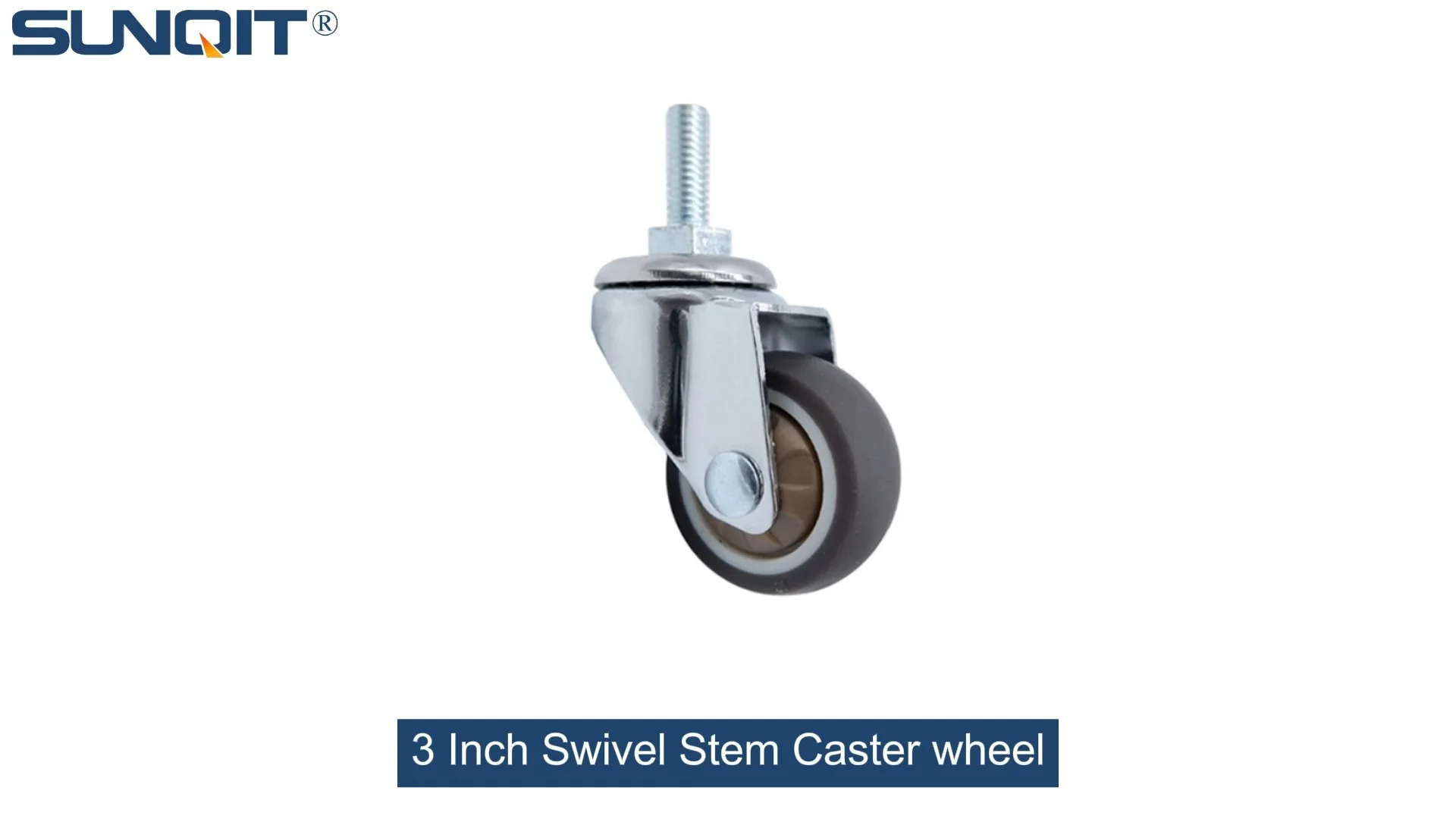
Swivel Stem Caster wheel
360 Degree Swivel Stem Caster. Threaded-post mount design, castors diameter 3 inch.Each swivel caster wheels loading 70KGS. Heavy enough and widely suit for carts, chairs, cabinet, flow rack, workbench, turnover rolley.
In the bustling environment of a hospital, where every second counts and patient comfort is paramount, there's an unsung hero working behind the scenes: the swivel stem caster wheel. These small but mighty components are the backbone of hospital bed mobility, enabling nurses and caregivers to move patients with precision, ease, and—perhaps most importantly—quietness. Imagine a late-night shift in a busy ward: a patient needs repositioning to prevent bedsores, or an emergency requires swift transport to the ICU. The last thing anyone wants is a caster wheel that squeaks, jolts, or sticks, disturbing sleeping patients or adding unnecessary stress to an already tense situation. That's where swivel stem caster wheels shine. Designed for smooth, silent movement, they're not just parts of a bed—they're essential tools that shape the quality of care, staff efficiency, and patient recovery.
In this article, we'll dive deep into the world of swivel stem caster wheels for hospital beds, exploring why their smooth and quiet operation matters, how they're engineered to meet the unique demands of healthcare settings, and what to look for when selecting the right ones. We'll also touch on the role of caster accessories in maximizing performance and ensuring longevity. Whether you're a healthcare facility manager, a procurement specialist, or simply curious about the mechanics behind patient care equipment, this guide will shed light on why these small components make a big difference.
Understanding Swivel Stem Caster Wheels: The Basics
Before we delve into their benefits, let's start with the basics: What exactly is a swivel stem caster wheel? At its core, a swivel stem caster wheel is a wheeled component mounted on a stem (a metal rod or post) that attaches to the bottom of a piece of furniture—in this case, a hospital bed. The "swivel" part refers to the caster's ability to rotate 360 degrees, allowing the bed to move in any direction with minimal effort. This rotational flexibility is critical in tight hospital spaces, where beds often need to navigate around IV poles, medical equipment, and narrow corridors.
Unlike fixed casters, which only roll forward and backward, swivel stem casters offer unparalleled maneuverability. The stem itself is typically threaded, press-fit, or expanding, designed to securely fasten to the bed frame. This secure mounting is non-negotiable in healthcare: a loose caster could lead to instability, risking patient safety or damage to the bed. For hospital beds, which often carry weights of 500 pounds or more (including the patient, mattress, and medical devices), the stem's strength and the caster's load capacity are foundational.
But what makes swivel stem caster wheels particularly suited for hospital beds? It's their combination of mobility and control. Nurses and caregivers need to move beds quickly during emergencies but also position them precisely for procedures like wound care or X-rays. A well-designed swivel stem caster wheel balances these needs, offering smooth rotation for easy turning and stable rolling for straight-line movement. And when paired with features like brakes, they become even more versatile—we'll explore that later.
The Critical Role of Smooth Operation in Patient Care
Smooth operation isn't just a nice-to-have feature for hospital bed casters—it's a necessity. Think about it: a patient recovering from surgery, or someone with chronic pain, is already vulnerable. A caster that jerks or sticks as the bed moves can cause discomfort, increase pain, or even dislodge medical tubes or monitors. For elderly patients or those with mobility issues, sudden jolts could lead to falls or injuries if they're not properly secured. Smooth casters eliminate these risks, ensuring the patient feels as little movement as possible during transfers or repositioning.
For caregivers, smooth operation translates to reduced physical strain. Nurses and orderlies often move beds multiple times per shift, and a caster that requires excessive force to push or turn can lead to back injuries or fatigue. According to the Bureau of Labor Statistics, healthcare workers have one of the highest rates of musculoskeletal disorders, often due to manual lifting and moving patients. Swivel stem caster wheels with smooth-rolling mechanisms—powered by high-quality ball bearings in the swivel head—reduce the effort needed to maneuver beds, lowering the risk of workplace injuries. When a caster rolls smoothly, a nurse can focus on the patient, not on wrestling with the bed.
Smoothness also impacts precision. In intensive care units (ICUs) or operating rooms, beds must be positioned with exactitude—aligned with monitors, surgical tables, or imaging machines. A caster that drifts or sticks makes this nearly impossible, leading to delays or suboptimal care. Swivel stem casters with tight swivel locks and consistent rolling resistance allow for (fine adjustments), ensuring the bed stays exactly where it's placed. This level of control is especially important during procedures where even a small misalignment could affect the outcome.

Quiet Operation: Creating a Healing Environment
If smooth operation is about physical comfort, quiet operation is about emotional and psychological well-being. Hospitals are supposed to be healing spaces, but they're often noisy places: monitors beep, staff converse, carts rattle, and beds are moved around the clock. Excessive noise disrupts patient sleep, increases stress hormones like cortisol, and slows recovery times. A study published in the Journal of Advanced Nursing found that hospital noise levels often exceed recommended guidelines (which suggest 30-40 decibels at night), with much of that noise coming from moving equipment—including beds with loud casters.
Swivel stem caster wheels play a direct role in reducing this noise pollution. The key lies in their design: the wheel material, tread pattern, and swivel mechanism all influence how much sound they produce. Rubber or polyurethane wheels, for example, absorb vibrations better than hard plastic or metal, muffling the sound of rolling over linoleum or tile floors. The tread pattern matters too—deep grooves can trap debris, leading to a "clicking" sound as the wheel turns, while smooth, continuous treads minimize this. Even the swivel head contributes: casters with sealed ball bearings reduce friction, eliminating the "squeaking" that often comes from metal-on-metal contact in poorly maintained wheels.
For patients in critical care or those with neurological conditions, quiet casters can be life-changing. A patient with a traumatic brain injury, for instance, may be hypersensitive to noise, and a squeaky caster could trigger headaches or agitation. Similarly, newborns in neonatal intensive care units (NICUs) need quiet to support brain development—loud casters could disrupt their fragile sleep cycles. By choosing swivel stem caster wheels designed for low noise, hospitals create calmer environments where patients can rest, heal, and recover without unnecessary disturbances.
Quiet casters also benefit staff. A noisy work environment increases stress and can make communication harder—imagine trying to listen to a patient's concerns over the sound of a bed's casters squealing down the hall. When casters operate quietly, staff can focus on their tasks, communicate more effectively, and feel less drained at the end of a shift. It's a small change that ripples through the entire care team, improving morale and reducing burnout.

Inside the Swivel Stem Caster Wheel: Key Components
To truly appreciate why some swivel stem caster wheels are smoother and quieter than others, let's break down their components. Each part plays a role in performance, and understanding them will help you make informed choices when selecting casters for hospital beds.
1. The Stem: The Foundation of Stability
The stem is the "arm" that connects the caster to the bed frame. It comes in three main types: threaded, press-fit, and expanding. Threaded stems are screwed into a threaded hole in the bed frame, offering a secure, adjustable fit. Press-fit stems are forced into a pre-drilled hole, relying on friction to stay in place—common in lightweight beds. Expanding stems, often used for heavy-duty applications, have a split design that expands when a bolt is tightened, creating a tight grip. For hospital beds, which carry heavy loads, threaded or expanding stems are preferred for their durability and stability. A weak stem can bend or break under pressure, leading to catastrophic failure, so material matters: most stems are made of steel or stainless steel for strength and corrosion resistance.
2. The Swivel Head: The Heart of Maneuverability
The swivel head is where the caster's 360-degree rotation happens. It sits between the stem and the wheel assembly, containing a raceway (a circular track) filled with ball bearings or roller bearings. When the bed moves, the bearings allow the swivel head to rotate smoothly with minimal friction. High-quality casters use precision-machined raceways and sealed bearings to keep out dust, hair, and debris—common culprits of "sticky" swivel action. Some swivel heads also have a brake mechanism that locks the rotation, preventing the bed from rolling unintentionally when stationary. For hospital beds, sealed bearings are a must: they require less maintenance and last longer in the dusty, sometimes (moist) environment of healthcare facilities.
3. The Wheel: Where Smoothness and Quietness Meet
The wheel is the part that touches the floor, and its design has the biggest impact on noise and smoothness. Caster wheels come in various materials, each with pros and cons for hospital use:
- Rubber: Offers excellent shock absorption and quiet operation, making it ideal for patient comfort. However, it can leave marks on floors and may degrade faster in harsh cleaning chemicals.
- Polyurethane: A synthetic material that combines the best of rubber and plastic. It's quiet, non-marking, resistant to chemicals, and has a high load capacity—making it a top choice for hospital beds.
- Nylon: Durable and cost-effective, but harder than rubber or polyurethane, leading to more noise and less shock absorption. Best for light-duty beds or areas with minimal patient contact.
Wheel diameter also matters. Larger wheels (5-6 inches) roll over obstacles like thresholds or cords more easily than smaller ones (3-4 inches), reducing jolts. Tread pattern is another factor: a smooth, continuous tread minimizes noise, while a grooved tread provides better traction on slippery floors (important in areas prone to spills).
4. The Brake Mechanism: Safety When Stationary
For hospital beds, a brake is non-negotiable. The swivel stem caster wheel with brake is the gold standard, allowing caregivers to lock the wheel in place when the bed is stationary. There are two main brake types: wheel brakes and swivel locks. Wheel brakes press a pad against the wheel to stop rotation, while swivel locks prevent the swivel head from turning. Many hospital bed casters have both, offering "total lock" functionality—ideal for procedures where the bed must stay perfectly still. Foot-operated brakes are most common in healthcare: they allow nurses to engage or disengage the brake with a simple tap of the foot, keeping hands free to stabilize the patient.

Swivel Stem Caster Wheels: With Brake vs. Without Brake
Not all swivel stem caster wheels are created equal, and one of the biggest decisions is whether to choose a model with or without a brake. While most hospital beds use swivel stem caster wheel with brake options, there are scenarios where non-brake casters might be used (e.g., on the bottom of bed extensions or temporary frames). To help you decide, here's a comparison of the two types:
| Feature | Swivel Stem Caster Wheel (Without Brake) | Swivel Stem Caster Wheel with Brake |
|---|---|---|
| Load Capacity | Typically 300-500 lbs per caster | Typically 400-600 lbs per caster (brakes add durability) |
| Noise Level (Typical) | 45-50 decibels (similar to a quiet conversation) | 45-52 decibels (brakes add minimal noise when engaged) |
| Wheel Material Options | Rubber, polyurethane, nylon | Rubber, polyurethane (nylon less common due to noise) |
| Brake Functionality | None; relies on bed frame locks or external chocks | Foot-operated wheel brake, swivel lock, or both |
| Ideal Use Case | Temporary beds, bed extensions, or equipment that's rarely moved | Standard hospital beds, ICU beds, surgical beds, or any bed requiring frequent stationary positioning |
| Safety Risk | Higher (bed may roll if not chocked) | Lower (brakes prevent unintended movement) |
In most healthcare settings, the swivel stem caster wheel with brake is the clear choice. The added safety of being able to lock the bed in place far outweighs the slightly higher cost. For example, in maternity wards, where newborns are often placed in bassinets attached to the mother's bed, a brake ensures the bed doesn't shift when the mother gets in or out. In emergency rooms, where beds are moved quickly between triage and treatment areas, brakes allow staff to secure the bed instantly during assessments.
Caster Accessories: Enhancing Performance and Longevity
A caster is only as good as its supporting components, and caster accessories play a vital role in keeping swivel stem caster wheels performing at their best. These accessories address common challenges like wear and tear, compatibility, and ease of use, ensuring your casters last longer and work better.
1. Brake Pedal Extensions
Hospital beds come in different heights, and for some staff members—especially those of shorter stature—reaching the brake pedal on a caster can be difficult. Brake pedal extensions attach to the existing brake pedal, making it longer and easier to engage with a foot. This reduces the risk of staff straining to reach the pedal, improving ergonomics and ensuring the brake is used consistently.
2. Wheel Guards and Covers
Debris like hair, lint, or small pieces of trash can get trapped in caster wheels, causing them to squeak or roll unevenly. Wheel guards (plastic or metal shields) attach to the wheel assembly, blocking debris from entering the axle or tread. For extra protection, wheel covers (soft, flexible sleeves) fit over the wheel itself, preventing scratches on floors and reducing noise even further. In pediatric wards, colorful wheel covers can also help calm young patients by adding a playful touch to the bed.
3. Lubricants and Cleaners
To keep swivel heads and wheel axles moving smoothly, specialized caster lubricants are essential. These lubricants are designed to resist water and cleaning chemicals (common in hospitals) and won't attract dust or debris. Caster cleaners, often in spray form, help dissolve grime and hair from wheel treads and swivel raceways, extending the life of the bearings. Regular use of these caster accessories can prevent costly replacements and keep casters operating like new.
4. Stem Adapters
Not all hospital beds have the same stem mounting holes. Stem adapters allow you to use a caster with a threaded stem on a bed frame designed for a press-fit stem, or vice versa. This flexibility is useful when replacing old casters with newer models, ensuring compatibility without having to modify the bed frame itself. Adapters are made of durable materials like steel or aluminum and are tested to handle the same load capacities as the casters they support.
Selecting the Right Swivel Stem Caster Wheels for Your Hospital
Choosing casters for hospital beds isn't a one-size-fits-all process. Factors like bed type, patient population, floor surfaces, and budget all play a role. Here's a step-by-step guide to help you select the best swivel stem caster wheels for your facility:
Step 1: Assess Load Capacity
Start by calculating the total weight the casters will need to support. This includes the bed frame, mattress, patient, and any medical equipment (e.g., IV poles, monitors) attached to the bed. Most hospital beds require casters with a load capacity of 400-600 lbs per caster (and beds typically have 4-6 casters). To be safe, choose casters with a load capacity 20% higher than your calculated maximum weight—this accounts for unexpected loads, like when two staff members lean on the bed to lift a patient.
Step 2: Prioritize Noise and Smoothness
For patient and staff comfort, prioritize casters designed for low noise and smooth rolling. Look for wheels made of polyurethane or rubber, sealed ball bearings in the swivel head, and a tread pattern that minimizes vibration. Ask manufacturers for noise level testing data—reputable brands will provide decibel ratings for their casters (aim for 50 decibels or lower). If possible, test casters in your facility: roll them over different floor surfaces (linoleum, carpet, tile) to see how they perform in real-world conditions.
Step 3: Choose the Right Brake Type
Unless you're buying casters for temporary equipment, opt for swivel stem caster wheel with brake models. Look for brakes that are easy to engage with a foot (no bending required) and have a clear "on/off" indicator (e.g., a red tab when engaged). Total-lock brakes (which lock both wheel rotation and swivel) are best for beds that need to stay perfectly still during procedures. For beds that are moved frequently, consider brakes with a "soft lock" feature that allows for small adjustments without fully releasing the brake.
Step 4: Consider Floor Compatibility
Hospital floors are often a mix of hard surfaces (linoleum, tile) and carpet (in patient rooms or waiting areas). Casters that work well on hard floors may struggle on carpet, and vice versa. Polyurethane wheels are versatile, performing well on both surfaces. If your facility has mostly carpet, look for wheels with a larger diameter (5+ inches) to reduce sinking. For hard floors, non-marking wheels are a must to avoid scuffs and scratches.
Step 5: Evaluate Maintenance Needs
In busy hospitals, maintenance time is limited. Choose casters that are easy to clean and require minimal upkeep. Sealed bearings eliminate the need for frequent lubrication, while removable wheel guards make debris removal a breeze. Look for casters with replaceable parts (e.g., brake pads, wheels) so you can repair them instead of replacing the entire caster when something wears out. Manufacturers that offer warranty coverage (1-5 years) are also a good sign—they stand behind their product's durability.
Maintenance Tips to Keep Casters Rolling Smoothly
Even the best swivel stem caster wheels will underperform without regular maintenance. With a few simple steps, you can extend their lifespan, reduce noise, and ensure they remain safe for patient use. Here's a maintenance checklist to follow:
Weekly Inspections
Every week, visually inspect each caster for signs of wear: check the wheel tread for cracks or uneven wear, the stem for bending or corrosion, and the brake pedal for damage. Test the brake to ensure it engages and releases smoothly—if it sticks, spray a small amount of caster cleaner on the mechanism and work it back and forth. Remove any debris (hair, lint, small toys) from the wheel tread and swivel head using a brush or compressed air. For beds used in pediatric units, pay extra attention to wheel treads—children often drop small objects that can get trapped.
Monthly Cleaning
Once a month, give casters a deep clean. Remove the bed mattress to access all casters easily. Use a mild detergent and warm water to wipe down the wheel treads and swivel head, removing built-up grime. For stubborn debris, use a toothbrush or small brush to scrub the tread grooves. Rinse with clean water and dry thoroughly to prevent rust. If the casters have removable wheel guards, take them off and clean underneath—this is where dust and hair often accumulate.
Quarterly Lubrication
Even with sealed bearings, casters benefit from quarterly lubrication. Use a high-quality caster lubricant (avoid household oils, which attract dust) and apply a small amount to the swivel head raceway and wheel axle. Rotate the swivel head and spin the wheel to distribute the lubricant evenly. Wipe away any excess to prevent dust buildup. If the casters have brakes, lubricate the brake linkage to ensure smooth operation—this will prevent the pedal from sticking or squeaking.
Annual Replacement of Wear Parts
Over time, brake pads, wheel bearings, and swivel raceways will wear out. Instead of replacing the entire caster, replace these caster accessories annually. Brake pads are inexpensive and easy to swap out—simply remove the old pad and snap on a new one. If a wheel is cracked or unevenly worn, replace it with a new one of the same size and material. Swivel raceways can be more complex to replace, so consider hiring a professional if you're not comfortable doing it yourself. Annual replacement of wear parts is much cheaper than replacing the entire caster and ensures the bed remains safe and functional.
Case Study: How One Hospital Improved Patient Care with Better Casters
To see the real-world impact of high-quality swivel stem caster wheels, let's look at a case study from Mercy General Hospital, a 300-bed facility in the Midwest. In 2023, the hospital's nursing staff began complaining about noisy, hard-to-maneuver beds in the medical-surgical unit. Patient surveys also noted frequent awakenings during the night due to "loud bed movements," and staff injury reports related to bed pushing were on the rise.
The hospital's facilities team decided to test three different swivel stem caster wheel with brake models: Brand A (rubber wheels, basic bearings), Brand B (polyurethane wheels, sealed bearings), and Brand C (polyurethane wheels, sealed bearings, total-lock brakes). Over a six-week trial, they installed each brand on 10 beds and collected data on noise levels, staff feedback, and patient sleep quality.
The results were clear: Brand C outperformed the others. Noise levels dropped by 15 decibels (from 58dB to 43dB), staff reported a 40% reduction in effort needed to push beds, and patient sleep interruption complaints decreased by 65%. Nurses particularly praised the total-lock brakes, noting they felt more confident leaving patients unattended knowing the bed wouldn't roll. Based on these results, Mercy General replaced all medical-surgical unit casters with Brand C and expanded the rollout to the ICU and pediatric units.
Six months later, the benefits were still evident: staff injury reports related to bed movement had dropped by 30%, and patient satisfaction scores for "quietness of environment" increased by 20%. The facilities team also noted lower maintenance costs—Brand C's sealed bearings required less lubrication, and replaceable brake pads meant fewer full caster replacements. As one nurse put it: "These casters feel like they're gliding on air. I no longer dread moving patients at night, and the patients actually thank me for not waking them up. It's a small change, but it's made a huge difference in our daily work."
Conclusion: The Unsung Heroes of Patient Care
Swivel stem caster wheels may be small, but their impact on hospital care is enormous. From ensuring smooth, pain-free patient transfers to creating quiet environments that promote healing, these components are the unsung heroes of healthcare mobility. By prioritizing features like polyurethane wheels, sealed bearings, and reliable brakes, hospitals can improve patient comfort, reduce staff strain, and create a more efficient, healing environment.
Remember, the best caster is one that works so well you forget it's there. When a nurse can move a bed with minimal effort, when a patient sleeps through the night undisturbed, and when staff feel safe and supported in their work—that's the power of a well-designed swivel stem caster wheel. So the next time you walk through a hospital ward, take a moment to appreciate these small but mighty tools. They may not get the glory, but they're hard at work, making healthcare better for everyone.
Whether you're upgrading existing beds or purchasing new equipment, investing in high-quality caster wheel and caster accessories is an investment in patient care. With the right casters, you're not just buying a part—you're building a quieter, smoother, more compassionate healthcare environment.