- Company Articles
- Products and Technology
- Product knowledge
- Swivel Stem Caster Wheels for Paint Shops: Chemical Resistance Properties

Swivel Stem Caster Wheels for Paint Shops: Chemical Resistance Properties
Related Product
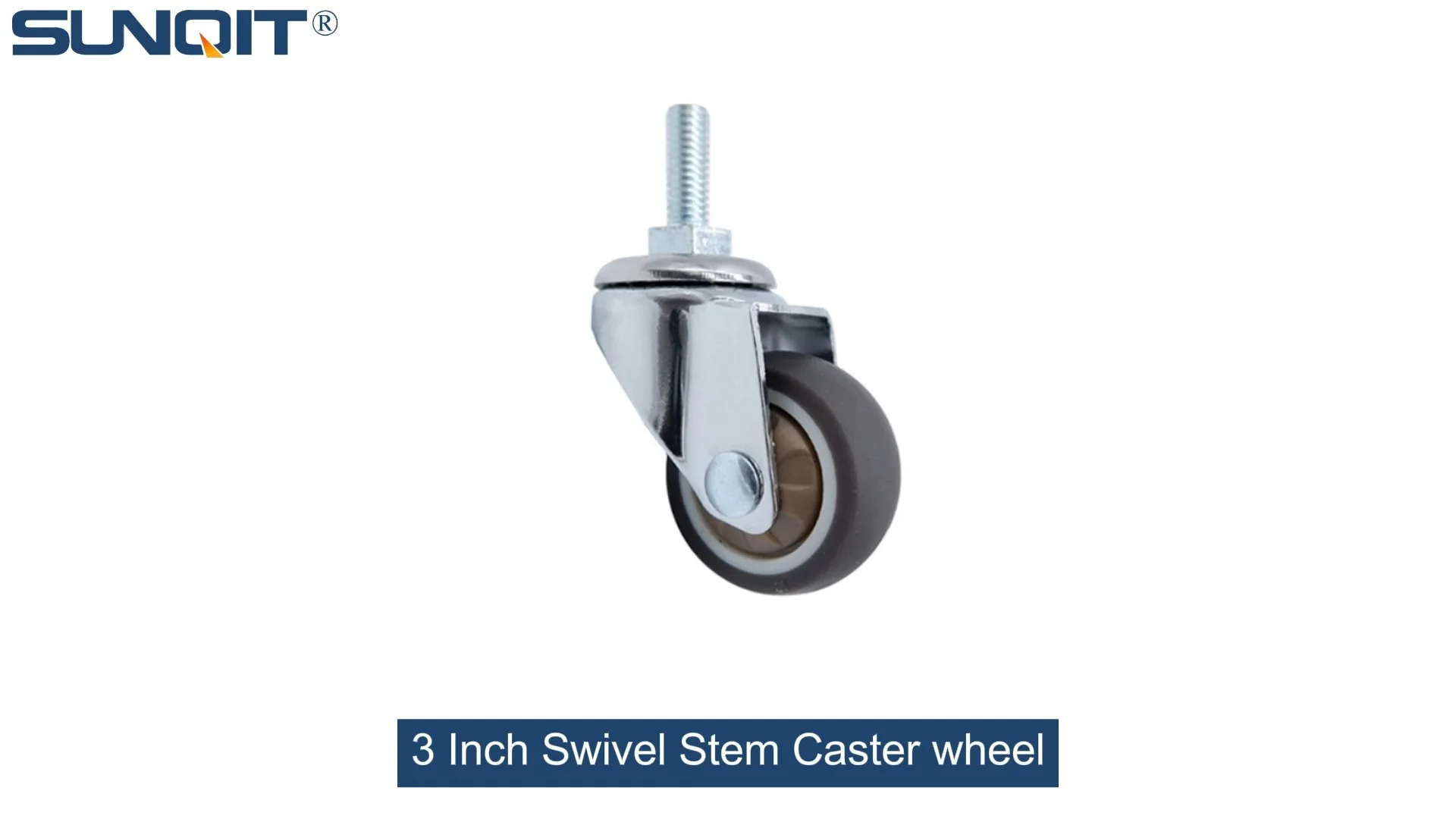
Swivel Stem Caster wheel
360 Degree Swivel Stem Caster. Threaded-post mount design, castors diameter 3 inch.Each swivel caster wheels loading 70KGS. Heavy enough and widely suit for carts, chairs, cabinet, flow rack, workbench, turnover rolley.
Paint shops are dynamic, high-stakes environments where precision, efficiency, and safety collide. From automotive assembly lines to furniture manufacturing facilities, these spaces hum with activity: workers maneuvering workbenches, loading turnover trolleys with paint cans, and rolling material racks stacked with substrates. At the heart of this orchestrated movement lies an often-overlooked component: caster wheels. But not just any caster wheels—swivel stem caster wheels, designed to withstand the unique challenges of paint shop conditions. Among their most critical features? Chemical resistance. In a world where solvents, paints, and thinners are part of daily life, a caster wheel that can't stand up to these substances isn't just a nuisance—it's a bottleneck for productivity and a risk to safety. Let's dive into why swivel stem caster wheels with robust chemical resistance properties are non-negotiable in paint shops, and how they keep operations running smoothly, day in and day out.
The Paint Shop Challenge: A Hostile Environment for Caster Wheels
To understand why chemical resistance matters, we first need to paint a picture of what caster wheels endure in a typical paint shop. These spaces are chemical battlegrounds, where a single spill or even routine exposure can degrade materials over time. Let's break down the adversaries:
- Solvents and Thinners: Acetone, xylene, toluene, and mineral spirits are staples for cleaning tools, thinning paints, and prepping surfaces. These harsh chemicals dissolve plastics, degrade rubber, and can even corrode unprotected metals.
- Paints and Coatings: Oil-based paints, water-based latex, and industrial coatings contain resins, pigments, and additives that stick to surfaces. Over time, dried paint can gum up caster wheel bearings or stiffen swivel mechanisms.
- Cleaning Agents: Degreasers, alkaline cleaners, and pressure-wash solutions used to sanitize work areas can strip away lubricants, weaken wheel materials, or cause discoloration.
- Environmental Extremes: Paint shops often have fluctuating temperatures—think heat from curing ovens or cold from air conditioning to control humidity. Temperature swings can cause materials like rubber to expand and contract, leading to cracks or brittleness.
In this environment, a "standard" caster wheel—say, a rubber wheel with a zinc-plated frame—might last a few months before showing signs of failure: cracked wheels, seized swivel joints, or brakes that no longer engage. For paint shop managers, this means frequent replacements, unplanned downtime, and the constant risk of accidents when a caster gives out mid-operation.
Why Swivel Stem Casters? The Unsung Heroes of Paint Shop Mobility
Mobility is the lifeblood of a paint shop. Workbenches need to be repositioned for different projects, turnover trolleys must ferry materials from storage to spray booths, and material racks need to adapt to shifting production schedules. This is where swivel stem caster wheels shine—their design allows for 360-degree rotation, making tight turns and precise positioning possible even in cramped spaces (like between spray booths or along assembly lines).
But their role goes beyond just movement. Swivel stem casters are the link between static equipment and dynamic workflow. A workbench mounted on swivel stem casters can be wheeled directly to a spray station, reducing the need to carry heavy parts by hand. A material rack with swivel casters can be reconfigured in minutes to accommodate a rush order. And when paired with a reliable brake system—like the swivel stem caster wheel with brake —they lock securely in place, ensuring stability during painting or assembly tasks.
Without durable swivel stem casters, paint shops face a domino effect of problems: slowed production as workers struggle to move equipment, increased physical strain leading to fatigue, and higher risk of spills or collisions when equipment becomes hard to maneuver. In short, the right caster wheels don't just support equipment—they support the entire team's ability to do their jobs safely and efficiently.

What Makes a Caster Wheel "Chemically Resistant"? Key Properties Unpacked
Chemical resistance isn't a one-size-fits-all feature. It's a combination of materials, design, and engineering that ensures a caster wheel can withstand exposure without compromising performance. Let's break down the critical properties:
1. Wheel Material: The First Line of Defense
The wheel itself is the most exposed part of the caster, so its material is make-or-break. Here are the top contenders for paint shop use:
- Polyurethane (PU): A favorite for chemical resistance, PU wheels balance flexibility and durability. They resist oils, solvents, and most paints, and their non-marking surface is ideal for paint shop floors (no scuffs to clean!). PU also absorbs shocks, reducing noise during movement.
- Nylon: Known for its rigidity and chemical resilience, nylon wheels stand up to oils, greases, and many solvents. They're lightweight, heat-resistant (up to 250°F/121°C), and handle heavy loads well—perfect for material racks or heavy workbenches.
- Stainless Steel: When corrosion is a concern (e.g., in humid paint shops or those using water-based cleaners), stainless steel wheels are unbeatable. They won't rust, and their smooth surface is easy to clean—though they're noisier than PU or nylon on hard floors.
- Rubber (Specialized): While standard rubber breaks down in solvents, specialized chemical-resistant rubber (like EPDM or Viton) can withstand oils and mild chemicals. However, they're less common in paint shops due to higher cost compared to PU.
2. Sealed Bearings and Swivel Mechanisms
Even the toughest wheel material can fail if chemicals seep into the bearings or swivel joint. That's why high-quality swivel stem casters feature sealed bearings—either shielded (to block debris) or sealed (with rubber gaskets to prevent liquid ingress). The swivel raceway (the part that allows rotation) should also be treated with corrosion-resistant coatings and lubricated with chemical-resistant grease (e.g., silicone-based) to maintain smooth movement over time.
3. Brake Systems That Don't Quit
For tasks that require stability—like painting a large part on a workbench—the swivel stem caster wheel with brake is indispensable. But brakes are vulnerable to chemical damage too. Foot brakes, for example, use pads that press against the wheel to stop movement. If these pads are made of standard rubber or plastic, solvents can cause them to swell, crack, or lose grip. Look for brakes with nylon or metal pads, and ensure the brake linkage is made of corrosion-resistant materials like stainless steel or zinc-plated steel with a protective coating.
4. Frame and Hardware: Corrosion Resistance
The caster frame (which holds the wheel and swivel joint) and hardware (axles, bolts, nuts) are often overlooked, but they're just as critical. Paint shop chemicals can cause rust, which weakens the frame and leads to seized axles. Opt for frames made of stainless steel or heavy-duty aluminum, and hardware with rust-resistant coatings (like zinc-nickel plating) to avoid this.

Choosing the Right Wheel: A Comparison of Materials
With so many options, how do you pick the best caster wheel material for your paint shop? The table below compares the key properties of the most common materials to help you decide:
| Material | Solvent/Paint Resistance | Temperature Range | Max Load Capacity (per wheel) | Best For | ||||||||
|---|---|---|---|---|---|---|---|---|---|---|---|---|
| Polyurethane (PU) | Excellent (resists most solvents, oils, and paints) | Up to 800 lbs (363 kg) | Nylon | Very Good (resists oils, solvents, and alkalis; less ideal for strong acids) | Up to 1,200 lbs (544 kg) | Stainless Steel | Excellent (resists corrosion, solvents, and extreme chemicals) | Up to 2,000 lbs (907 kg) | Chemical-Resistant Rubber (EPDM) | Up to 600 lbs (272 kg) |
Beyond the Wheel: Caster Accessories That Boost LongevityA caster wheel is only as strong as its weakest component, and that's where caster accessories come into play. These small but mighty parts can extend the life of your casters and enhance their performance in chemical environments:
Investing in high-quality accessories might seem like a small detail, but it pays off. For example, a paint shop that regularly replaces brake pads with chemical-resistant versions can extend the life of their casters by 50% compared to shops that use generic pads. |

The Bottom Line: Benefits of Chemical-Resistant Swivel Stem Casters
At this point, you might be thinking, "Are chemically resistant casters worth the extra cost?" The answer is a resounding yes. Here's how they deliver value:
- Reduced Downtime: Fewer replacements mean less time spent swapping out broken casters and more time focused on production. One automotive paint shop we worked with reported cutting caster-related downtime by 80% after switching to PU swivel stem casters.
- Lower Maintenance Costs: Chemical-resistant casters require less frequent cleaning, lubrication, and repairs. Over five years, the savings on replacement parts and labor can offset the initial higher cost.
- Enhanced Safety: A seized caster or failed brake can lead to spills, falls, or damaged products. Chemically resistant casters reduce these risks by maintaining performance even in harsh conditions.
- Improved Workflow Flexibility: When casters move smoothly and reliably, teams can reconfigure workspaces faster, adapt to rush orders, and reduce physical strain—boosting morale and productivity.
Caring for Your Casters: Maintenance Tips for Longevity
Even the most durable casters need a little TLC to thrive in a paint shop. Here's a simple maintenance routine to keep them rolling strong:
- Weekly Cleaning: Use a soft brush or cloth to wipe away paint overspray, dust, and debris from wheels and swivel joints. For stubborn buildup, use a mild detergent (avoid harsh solvents that could damage wheel materials).
- Monthly Lubrication: Apply a chemical-resistant lubricant (silicone-based or PTFE-based) to swivel joints and bearings. Avoid petroleum-based greases, which can degrade PU or rubber wheels.
- Quarterly Inspections: Check for cracks in wheels, rust on frames, or loose hardware. Test brakes to ensure they engage firmly. replace caster accessories like brake pads or axle caps at the first sign of wear.
- Post-Chemical Exposure Rinse: If a caster is splashed with solvent or paint thinner, rinse it with water immediately (if safe) to dilute the chemical and prevent long-term damage.
Final Thoughts: Invest in Mobility, Invest in Success
In the fast-paced world of paint shops, every component matters—and swivel stem caster wheels are no exception. They're not just "wheels on a stick"; they're the foundation of a flexible, efficient, and safe workspace. By prioritizing chemical resistance—through materials like PU or stainless steel, sealed components, and quality caster accessories —you're not just buying casters; you're investing in smoother workflows, fewer headaches, and a team that can focus on what they do best: creating high-quality finishes.
So the next time you're shopping for casters, remember: it's not about finding the cheapest option. It's about finding the ones that can stand up to your paint shop's toughest challenges. And when you do—whether it's a swivel stem caster wheel with brake for your workbench or heavy-duty stainless steel casters for your material racks—you'll wonder how you ever managed without them.