- Company Articles
- Products and Technology
- Installation And Maintenance
- Swivel Stem Caster Wheels Maintenance: Tips to Extend Service Life

Swivel Stem Caster Wheels Maintenance: Tips to Extend Service Life
Related Product
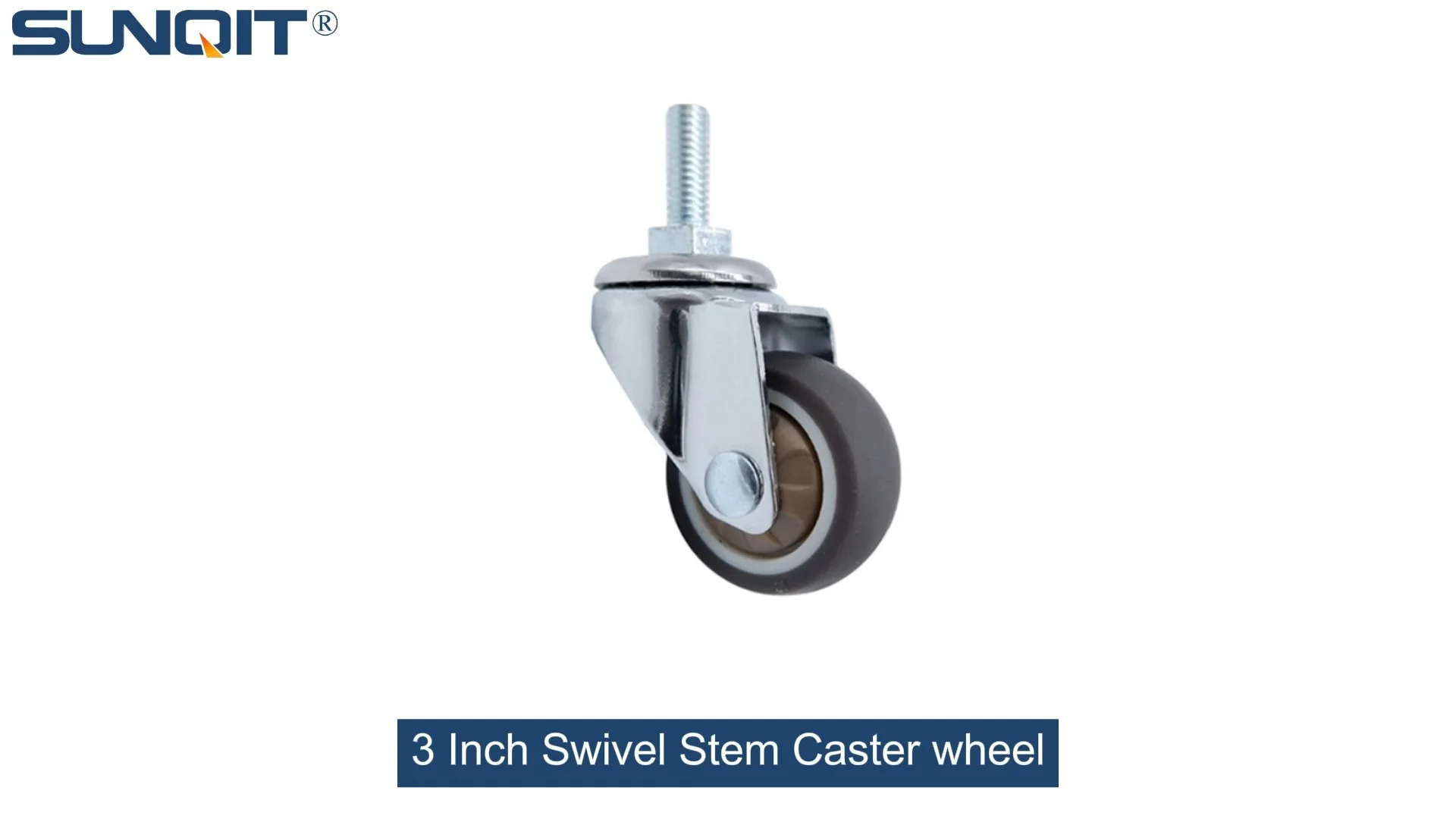
Swivel Stem Caster wheel
360 Degree Swivel Stem Caster. Threaded-post mount design, castors diameter 3 inch.Each swivel caster wheels loading 70KGS. Heavy enough and widely suit for carts, chairs, cabinet, flow rack, workbench, turnover rolley.
Walk into any busy workshop, warehouse, or even a well-organized office, and you'll likely spot them: the unsung heroes quietly keeping operations rolling—swivel stem caster wheels. These small but mighty components are the reason a turnover trolley glides smoothly across concrete, a workbench adjusts effortlessly, and a material rack can be repositioned in seconds to adapt to shifting production needs. But here's the thing: we rarely notice them until they start to fail. A squeak here, a sticky swivel there, or a brake that suddenly gives way—these are the first signs that our caster wheels are crying out for attention. The good news? With a little care and regular maintenance, you can keep these workhorses in top shape, avoiding costly downtime and extending their service life far beyond the average. In this guide, we'll break down everything you need to know to maintain your swivel stem caster wheels, from daily checks to deep cleaning, lubrication, and troubleshooting common issues. Let's dive in.
Why Maintenance Matters: The Cost of Neglect
Before we get into the "how," let's talk about the "why." Neglecting caster wheel maintenance might seem harmless at first, but it can snowball into bigger problems. Imagine this: A warehouse team relies on a fleet of turnover trolleys to move inventory. One day, a trolley's swivel stem caster wheel starts to stick. At first, it's just a minor annoyance—the worker pushes a little harder, mutters under their breath, and moves on. But over time, the stuck swivel causes uneven wear on the wheel, leading to a wobbly ride. Now, the trolley doesn't just stick; it veers off course, risking damage to products. Then, the brake on another caster fails, causing the trolley to roll unexpectedly during loading. Suddenly, what started as a squeak has turned into missed deadlines, damaged goods, and even safety risks.
The numbers back this up, too. Studies show that businesses lose up to 20% of productive time due to equipment downtime, and a significant portion of that can be traced to neglected components like caster wheels. Replacement costs add up, too—swivel stem caster wheels aren't cheap, and replacing them prematurely because of poor maintenance is a drain on budgets. The bottom line? A little time spent on maintenance today saves hours of hassle (and dollars) tomorrow.
The Essential Maintenance Routine
Maintaining swivel stem caster wheels doesn't have to be complicated. Think of it like caring for a car—small, consistent efforts keep it running smoothly. Below is a step-by-step routine to follow, organized by frequency, to ensure your caster wheels stay in peak condition.
1. Daily Quick Checks: Catch Issues Early
Start each day with a 60-second inspection of your caster wheels. This quick scan can spot problems before they escalate. Here's what to look for:
- Debris Buildup: Check for stones, threads, or dirt tangled in the wheel treads or around the swivel joint. Even a small pebble can throw off the wheel's balance or jam the swivel mechanism.
- Uneven Wear: Run your hand along the wheel surface. Are there flat spots or cracks? Uneven wear often means the wheel is misaligned or overloaded.
- Squeaks or Stiffness: Give the caster a gentle spin. Does it swivel freely, or does it feel stiff? Squeaking is often a sign of dry bearings or debris in the swivel joint.
- Brake Function (if applicable): For swivel stem caster wheels with brake, test the brake lever. Does it engage smoothly, and does it hold the wheel firmly in place? A loose or unresponsive brake is a safety hazard.
Pro tip: Keep a small brush or pick tool handy to remove debris on the spot. Catching a stray thread or gravel early prevents it from grinding into the wheel bearings.
2. Weekly Deep Cleaning: Keep Dirt at Bay
Dirt and grime are the biggest enemies of caster wheels. Over time, they can seep into bearings, corrode metal parts, and gum up swivel joints. A weekly deep clean (more often if you're in a dusty or wet environment) will keep your wheels rolling freely. Here's how:
- Remove the Wheel (if possible): If your caster wheels are detachable (check your caster accessories for quick-release mechanisms), take them off to clean more thoroughly. If not, tilt the equipment to lift the wheel slightly off the ground.
- Scrub the Treads: Use a stiff-bristled brush to dislodge dirt from the wheel treads. For sticky residue (like oil or grease), mix warm water with mild dish soap and scrub gently. Avoid harsh chemicals—they can damage rubber or plastic wheels.
- Clean the Swivel Joint: The swivel joint is where the stem connects to the wheel assembly, and it's a magnet for dust. Use a toothbrush or small brush to clean around the joint, removing any buildup that might restrict movement.
- Dry Thoroughly: Moisture leads to rust, so dry the wheel and joint completely with a clean cloth. For hard-to-reach areas, use compressed air to blow out water and debris.
Pro tip: If your caster wheels are exposed to heavy debris (like in a woodworking shop), consider adding caster accessories like axle covers or bearing shields to keep dirt out between cleanings.
3. Monthly Lubrication: Keep It Smooth
Even with regular cleaning, caster wheels need lubrication to keep moving parts from grinding against each other. Think of it as giving your wheels a "drink" to stay hydrated. Here's how to do it right:
- Choose the Right Lubricant: Not all lubricants are created equal. For swivel joints and bearings, use a high-quality lithium-based grease or silicone spray. Avoid oil-based lubricants—they attract dirt and can gum up the works over time.
- Focus on Key Points: Apply lubricant to the swivel joint (where the stem rotates), the wheel bearings (if accessible), and the brake mechanism (for swivel stem caster wheels with brake). A little goes a long way—over-lubricating can lead to excess grease dripping onto floors or attracting dust.
- Work the Lubricant In: After applying, spin the wheel and swivel the stem a few times to distribute the lubricant evenly. Wipe away any excess with a cloth.
Pro tip: Mark your calendar for monthly lubrication, and set a reminder on your phone. Consistency is key—even a well-cleaned wheel will start to stiffen if lubrication is skipped.
4. Quarterly Brake Inspection (for Braked Casters)
For swivel stem caster wheels with brake, the brake system is just as important as the wheel itself. A faulty brake can lead to accidents, so a quarterly deep dive is a must. Here's what to check:
- Brake Pads: Inspect the brake pads for wear. If they're thin, cracked, or glazed, replace them immediately (check your caster accessories for replacement pads).
- Lever Tension: Pull the brake lever—does it feel loose or too tight? Most brakes have an adjustment screw that lets you tweak tension. If the lever hits the wheel before engaging, it's too loose; if it's hard to pull, it's too tight.
- Debris in the Mechanism: Dirt or rust can jam the brake linkage. Use a small brush and compressed air to clean the brake components, then apply a light coat of lubricant to moving parts.
Pro tip: If you notice the brake squeaking when engaged, it's often a sign that the pads are dirty or worn. A quick clean or replacement will silence the noise and restore function.
5. Annual Replacement of Worn Parts
Even with perfect maintenance, caster wheels and their components will wear out over time. An annual inspection can help you spot parts that need replacing before they fail. Common wear items include:
- Wheels: Look for cracks, flat spots, or uneven tread wear. If the wheel no longer rolls smoothly, it's time for a new one.
- Bearings: If the wheel wobbles or makes a grinding noise (even after lubrication), the bearings are likely worn and need replacement.
- Swivel Joints: If the stem swivels stiffly or gets stuck, the swivel bearings or raceways may be damaged.
- Caster Accessories: Axles, washers, and brake components can corrode or loosen over time. replace any bent, rusted, or missing parts.
Pro tip: Keep a small stock of common replacement parts (like wheels, bearings, and brake pads) on hand. This way, you can swap out worn components quickly without waiting for deliveries.

Troubleshooting Common Caster Wheel Problems
Even with regular maintenance, issues can pop up. Here's a handy guide to diagnosing and fixing the most common problems:
| Problem | Common Cause | Solution |
|---|---|---|
| Squeaking wheels | Dry bearings or swivel joint; debris in the joint | Clean the joint and bearings, then lubricate with lithium grease. |
| Wheel won't swivel | Dirt or rust in the swivel joint; bent stem | Clean the joint with a brush and compressed air. If still stuck, check for a bent stem (replace if necessary). |
| Brake won't hold | Worn brake pads; loose adjustment | replace brake pads and adjust the tension screw on the lever. |
| Uneven rolling (trolley veers to one side) | Uneven wheel wear; misaligned casters; loose axles | replace worn wheels, tighten axles, and ensure casters are mounted straight. |
| Wheel wobbles | Damaged bearings; loose axle nut | Tighten the axle nut; if wobbling persists, replace bearings. |

Choosing the Right Accessories to Boost Longevity
Maintenance isn't just about cleaning and lubricating—it's also about equipping your caster wheels with the right accessories to reduce wear and tear. Here are a few must-have caster accessories that can extend service life:
1. Adjustable Leveling Feet
When equipment is stationary, keeping the weight off the caster wheels can prevent flat spots and uneven wear. Adjustable leveling feet let you lift the wheels slightly off the ground, reducing stress on the bearings and treads. Look for anti-slip adjustable leveling feet to ensure stability, especially on smooth floors.
2. Wheel Guards and Shields
In dusty or debris-heavy environments (like construction sites or factories), wheel guards or bearing shields act as a barrier, keeping dirt out of bearings and swivel joints. They're easy to install and can cut down on cleaning time significantly.
3. Axle Covers
Exposed axles are prone to rust and debris buildup. Axle covers (often included in caster accessories kits) protect the axle from moisture and dirt, extending bearing life.

Final Thoughts: Invest in Maintenance, Reap the Rewards
Swivel stem caster wheels might be small, but their impact on productivity and safety is huge. By following this maintenance routine—daily checks, weekly cleaning, monthly lubrication, quarterly brake inspections, and annual part replacements—you can keep your wheels rolling smoothly for years. And don't forget the power of caster accessories: adjustable leveling feet, wheel guards, and replacement parts can make maintenance easier and extend service life even further.
At the end of the day, maintenance is an investment, not an expense. A few minutes a week spent caring for your caster wheels will save you hours of downtime, reduce replacement costs, and keep your operations running like clockwork. So the next time you push a turnover trolley or adjust a workbench, take a second to appreciate those hardworking caster wheels—and give them a little love in return. They'll thank you by keeping up with the pace, day in and day out.