- Company Articles
- Products and Technology
- Procurement Guidelines
- T-Groove Aluminum Pipe Buying Guide: Key Factors to Consider (Certifications, Tolerances)

T-Groove Aluminum Pipe Buying Guide: Key Factors to Consider (Certifications, Tolerances)
Related Product
T-Groove Aluminum Pipe
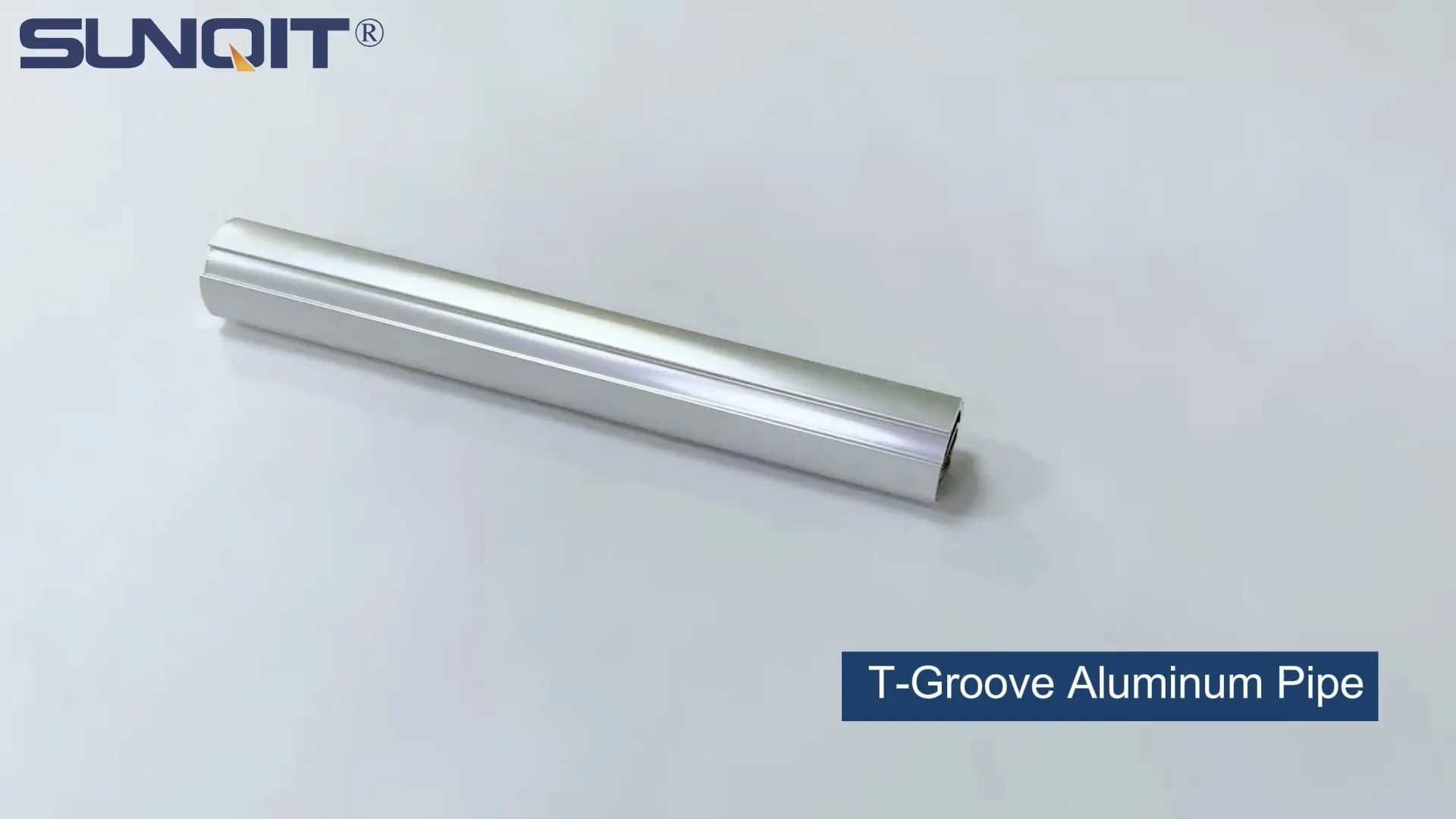
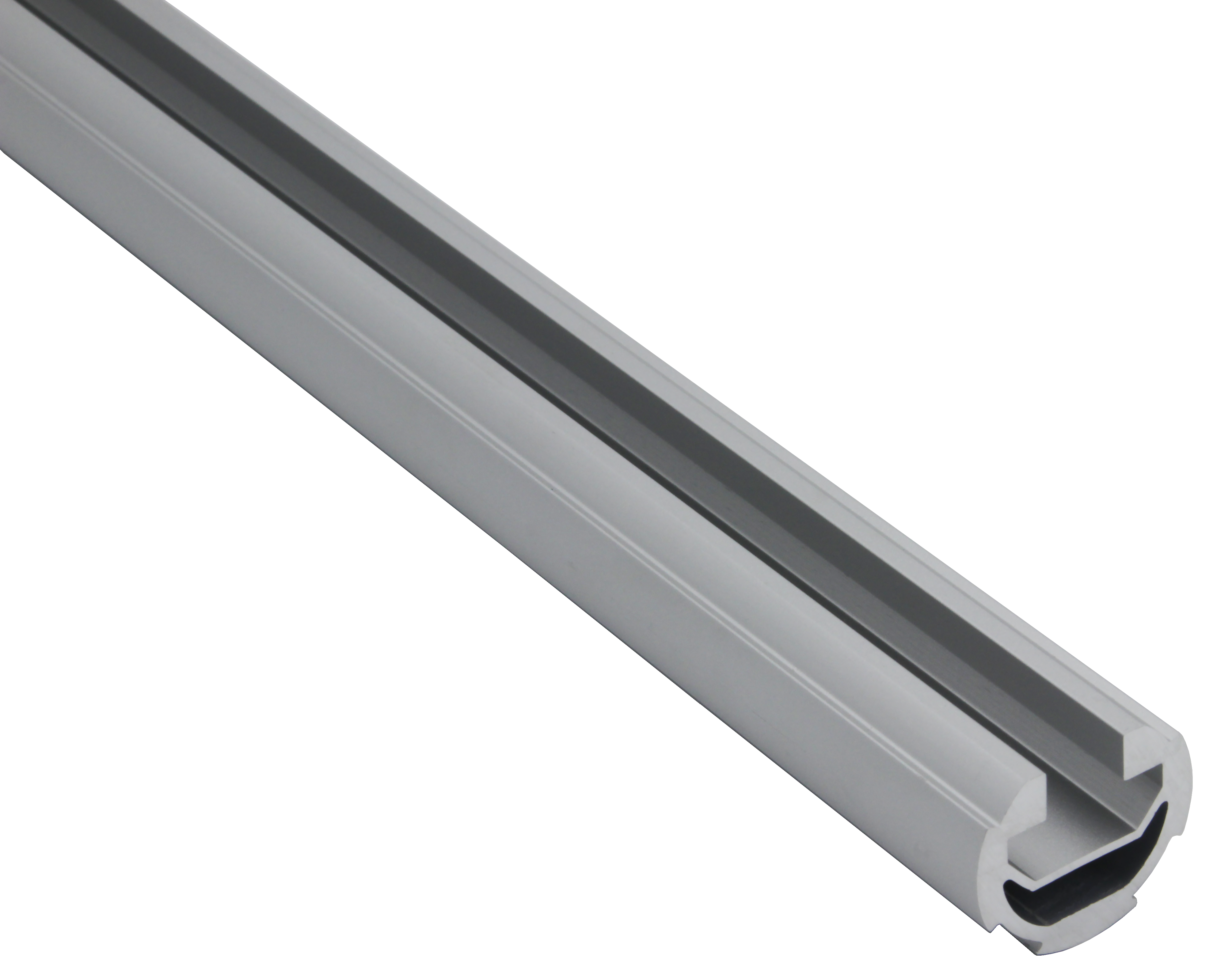
The aluminum pipe opening 10mm is installed into the T-shaped slider, which can be installed with casters or other matching functional parts. The groove can be used for positioning and is used for the track of the roller.
If you've ever dived into the world of industrial or DIY projects, you've probably realized that the right materials can make or break your success. Whether you're building a workbench for your garage, setting up a production line in a factory, or designing a custom storage solution, the materials you choose need to be durable, versatile, and reliable. That's where t-groove aluminum pipe comes into play. These sleek, modular components have become a staple in industries ranging from manufacturing to robotics, thanks to their flexibility and strength. But with so many options on the market, how do you ensure you're picking the right one? In this guide, we'll walk through the key factors you need to consider—focusing on certifications and tolerances, but also touching on material quality, accessories, and supplier reliability—to help you make an informed decision.
What Exactly Is T-Groove Aluminum Pipe?
Before we jump into the nitty-gritty, let's make sure we're all on the same page. T-groove aluminum pipe, often referred to as t-slot aluminum pipe , is a type of extruded aluminum profile characterized by a T-shaped groove running along its length. This groove isn't just a design feature—it's what makes these pipes so versatile. The T-slot allows you to easily attach accessories like brackets, panels, guides, and connectors without welding or drilling. Imagine building a frame where you can adjust, add, or remove components with a simple bolt or slider—that's the power of t-groove design.
These pipes are typically made from aluminum alloys, which balance strength and lightweight properties. Common alloys include 6061 and 6063, each with its own advantages (we'll dive into that later). They're used in everything from workbenches and material racks to conveyor systems and machine guards. The key appeal? Modularity. Unlike fixed steel structures, t-groove setups can evolve with your needs, saving you time and money in the long run.
Why Certifications Matter: More Than Just a Stamp of Approval
When you're shopping for t-groove aluminum pipe, you might come across listings that mention certifications like ISO, ASTM, or RoHS. At first glance, these might seem like just another box to check, but they're actually critical indicators of quality and safety. Let's break down why certifications should be at the top of your checklist.
ISO Certifications: A Mark of Consistency
The International Organization for Standardization (ISO) sets global benchmarks for quality management systems. If a manufacturer is ISO 9001 certified, for example, it means they've demonstrated a commitment to consistent quality control. For t-groove aluminum pipe, this translates to products that meet strict standards for material composition, extrusion precision, and finish. Why does this matter to you? Inconsistent pipes can lead to misaligned slots, weak points, or poor fit with accessories—issues that turn a straightforward project into a frustrating ordeal. An ISO-certified supplier is more likely to deliver pipes that perform reliably, batch after batch.
ASTM Standards: Ensuring Material Integrity
ASTM International (formerly the American Society for Testing and Materials) develops standards for materials, products, and systems. For aluminum extrusions, standards like ASTM B221 (for aluminum alloy extruded bars, rods, and profiles) specify requirements for mechanical properties, dimensional tolerances, and testing methods. If a pipe adheres to ASTM B221, you can trust that its tensile strength, yield strength, and elongation meet industry norms. This is especially important for load-bearing applications—say, a workbench that needs to support heavy machinery or a material rack holding hundreds of pounds of inventory. Cutting corners on material integrity here could lead to accidents or premature failure.
RoHS Compliance: Safety for People and the Planet
If your project involves electronics manufacturing or products intended for sale in the EU, RoHS compliance is non-negotiable. RoHS (Restriction of Hazardous Substances) limits the use of hazardous materials like lead, mercury, and cadmium in electrical and electronic equipment. While t-groove aluminum pipe itself is low-risk, some surface treatments or coatings might contain restricted substances. Choosing RoHS-compliant pipes ensures you're not only protecting your workers from exposure but also avoiding legal issues if your products cross international borders. It's a small detail that speaks volumes about a supplier's commitment to ethical and safe manufacturing.
Tolerances: The Hidden Detail That Makes or Breaks Fit
Tolerances might sound like a technical term best left to engineers, but they're actually one of the most practical factors to consider when buying t-groove aluminum pipe. In simple terms, tolerance refers to the allowable variation in a pipe's dimensions—think length, width, slot size, or wall thickness. For example, a pipe listed as 20mm x 20mm with a tolerance of ±0.1mm could measure anywhere from 19.9mm to 20.1mm. Why does this tiny range matter? Because t-groove systems rely on precise fits between pipes and accessories like brackets, aluminum guide rail a , or connectors.
| Tolerance Level | Typical Range | Best For | Potential Issues with Looser Tolerances |
|---|---|---|---|
| Precision (Tight) | ±0.05mm to ±0.1mm | High-precision applications (e.g., robotics, medical equipment) | N/A (but higher cost) |
| Standard | ±0.1mm to ±0.3mm | General industrial use (e.g., workbenches, material racks) | Minor misalignment with accessories |
| Commercial (Loose) | ±0.3mm to ±0.5mm | Low-stress DIY projects (e.g., shelving, lightweight frames) | Poor fit, wobbling components, difficulty attaching accessories |
Let's say you're building a conveyor system using roller tracks and aluminum profile accessories . If the t-slots in your pipes are too narrow (due to tight negative tolerance), you won't be able to slide in the connectors. If they're too wide (positive tolerance), the connectors might rattle or slip, leading to instability. Even small variations in wall thickness can affect a pipe's load-bearing capacity—critical if you're designing something that needs to support heavy weights over time.
So, how do you check tolerances? Reputable suppliers will list dimensional tolerances in their product specifications. If they don't, ask for a datasheet or sample. When evaluating samples, use a caliper to measure key dimensions and compare them to the listed specs. It's a small step that can save you from hours of frustration later.

Material Quality: Not All Aluminum Pipes Are Created Equal
Certifications and tolerances are important, but they're built on a foundation of material quality. The type of aluminum alloy used, the extrusion process, and surface treatments all play a role in how well your t-groove pipe performs. Let's break down the essentials.
Aluminum Alloys: 6061 vs. 6063
Most t-groove aluminum pipes are made from either 6061 or 6063 alloys, and choosing between them depends on your project's needs. 6061 is known for its high strength and good weldability, making it ideal for structural applications like heavy-duty workbenches or machine frames. It has a higher tensile strength (around 310 MPa) compared to 6063 (around 215 MPa), but it's slightly less corrosion-resistant. 6063, on the other hand, is more malleable, which makes it easier to extrude into complex profiles with smooth finishes. It's often used for architectural applications, display frames, or projects where aesthetics matter as much as function. Both are excellent choices—just match the alloy to your project's load, environment, and appearance requirements.
Extrusion Quality: The Art of Shaping Aluminum
Extrusion is the process of forcing heated aluminum through a die to create the desired profile (like a t-groove pipe). The quality of this process affects everything from dimensional consistency to surface finish. Poor extrusion can result in defects like surface pitting, uneven walls, or warped profiles. To spot a well-extruded pipe, look for smooth, uniform surfaces with no visible seams or bumps. The t-slot itself should have clean, sharp edges—no burrs or deformities that could accessory installation.
Surface Treatments: Protection and Performance
Aluminum naturally forms a thin oxide layer that resists corrosion, but additional surface treatments can enhance durability and appearance. Anodizing is a common treatment that creates a thicker, harder oxide layer, improving scratch resistance and corrosion protection. It also allows for coloring, which is useful if you need pipes to match a brand color or safety standard (e.g., yellow for caution zones). Powder coating is another option, offering a durable, matte finish in a wide range of colors. For indoor, low-moisture environments, untreated aluminum might suffice, but for outdoor or industrial settings, anodized or powder-coated pipes are worth the investment.

Accessories Compatibility: The Key to Modularity
One of the biggest advantages of t-groove aluminum pipe is its modularity—being able to mix and match accessories to create custom setups. But this only works if your pipes are compatible with the accessories you need. Aluminum profile accessories like brackets, hinges, handles, and guide rails are designed to fit specific t-slot sizes and profiles. For example, a 20mm t-slot won't accommodate a bracket designed for a 30mm slot, even if the pipe dimensions are similar.
When shopping for pipes, check the slot width, depth, and spacing (if there are multiple slots). Most suppliers categorize pipes by slot size (e.g., 6mm, 8mm, 10mm) or profile series (e.g., 2020, 3030, 4040, where the numbers represent the pipe's width and height in millimeters). Stick to a single series or slot size unless you're sure the accessories are cross-compatible. Mixing and matching can lead to parts that don't fit or require adapters, adding complexity and cost to your project.
Don't forget to consider the type of accessories you'll need long-term. If you plan to add aluminum guide rail a for sliding components, ensure the rail's mounting hardware matches your pipe's t-slot dimensions. If you're using casters for mobility, check that the caster brackets fit securely in the slots. A good supplier will offer a range of compatible accessories or provide clear compatibility charts to help you plan.
Choosing the Right Supplier: More Than Just a Price Tag
Even the best pipe specs won't matter if your supplier can't deliver consistently. When evaluating potential suppliers, look beyond the price tag—focus on reliability, customer support, and industry reputation. A lean pipe supplier with a track record of excellence will not only provide quality products but also help you navigate challenges like custom orders, lead times, and technical questions.
Vetting Suppliers: What to Look For
Start by checking online reviews and testimonials. Platforms like Google, Alibaba, or industry forums can give you insights into other customers' experiences. Look for comments about product consistency, shipping times, and responsiveness to issues. Next, ask for references or case studies—reputable suppliers will be happy to share examples of how their pipes have been used in real-world applications. If possible, request samples of both pipes and accessories to test fit, finish, and quality firsthand.
Customer support is another red flag. Does the supplier have a dedicated technical team to answer questions about tolerances or compatibility? Do they offer after-sales support if you encounter issues with your order? A supplier that treats you as a partner rather than a transaction is more likely to go the extra mile when problems arise.
Avoiding Common Pitfalls: Too Good to Be True Prices
It's tempting to opt for the cheapest pipe you can find, but low prices often come with hidden costs. Inferior materials, poor tolerances, or lack of certifications can lead to project delays, rework, or even safety hazards. Instead of focusing solely on upfront cost, calculate the total cost of ownership: What will it cost to replace failed pipes? How much time will you lose fixing misaligned accessories? Investing in quality from a trusted supplier might cost more initially, but it pays off in reliability and peace of mind.
Common Mistakes to Avoid When Buying T-Groove Aluminum Pipe
Even with the best intentions, it's easy to overlook key details when shopping for t-groove aluminum pipe. Here are some common mistakes to watch out for:
- Ignoring certifications: Assuming all pipes are "good enough" without checking ISO, ASTM, or RoHS compliance.
- Overlooking tolerances: Choosing the cheapest pipe without verifying dimensional accuracy, leading to fit issues with accessories.
- Mismatching accessories: Buying pipes and accessories from different suppliers without confirming compatibility.
- Sacrificing material quality for price: Opting for untreated or low-alloy aluminum in high-stress environments.
- Not testing samples: Placing large orders without first evaluating sample pipes for finish, tolerances, and fit.
Final Thoughts: Investing in Quality for Long-Term Success
Choosing the right t-groove aluminum pipe isn't just about picking a product off a shelf—it's about investing in a solution that meets your project's unique needs. By prioritizing certifications, tolerances, material quality, accessories compatibility, and supplier reliability, you'll ensure your setup is durable, modular, and built to last. Whether you're a seasoned engineer or a DIY enthusiast, taking the time to evaluate these factors will save you from headaches down the line and help you create something that works as hard as you do.
Remember, the best t-groove aluminum pipe is one that balances performance, cost, and versatility. With the right knowledge and a trusted supplier, you'll be well on your way to building projects that are not only functional but also adaptable to whatever the future brings. Happy building!