- Company Articles
- Products and Technology
- Solution
- T-Groove Aluminum Pipe + Flow Rails: Building Efficient Warehousing Solutions

T-Groove Aluminum Pipe + Flow Rails: Building Efficient Warehousing Solutions
Related Product
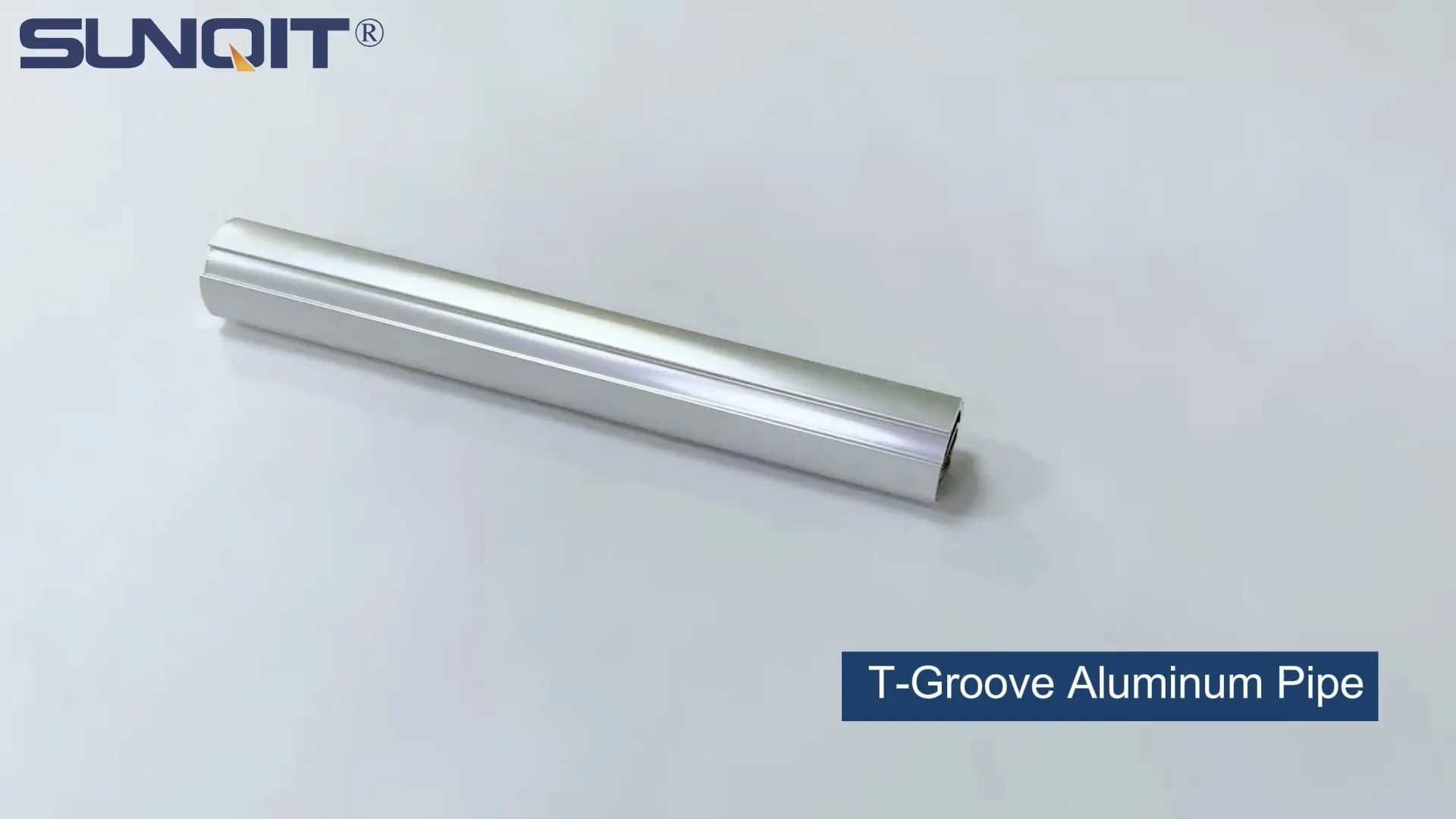
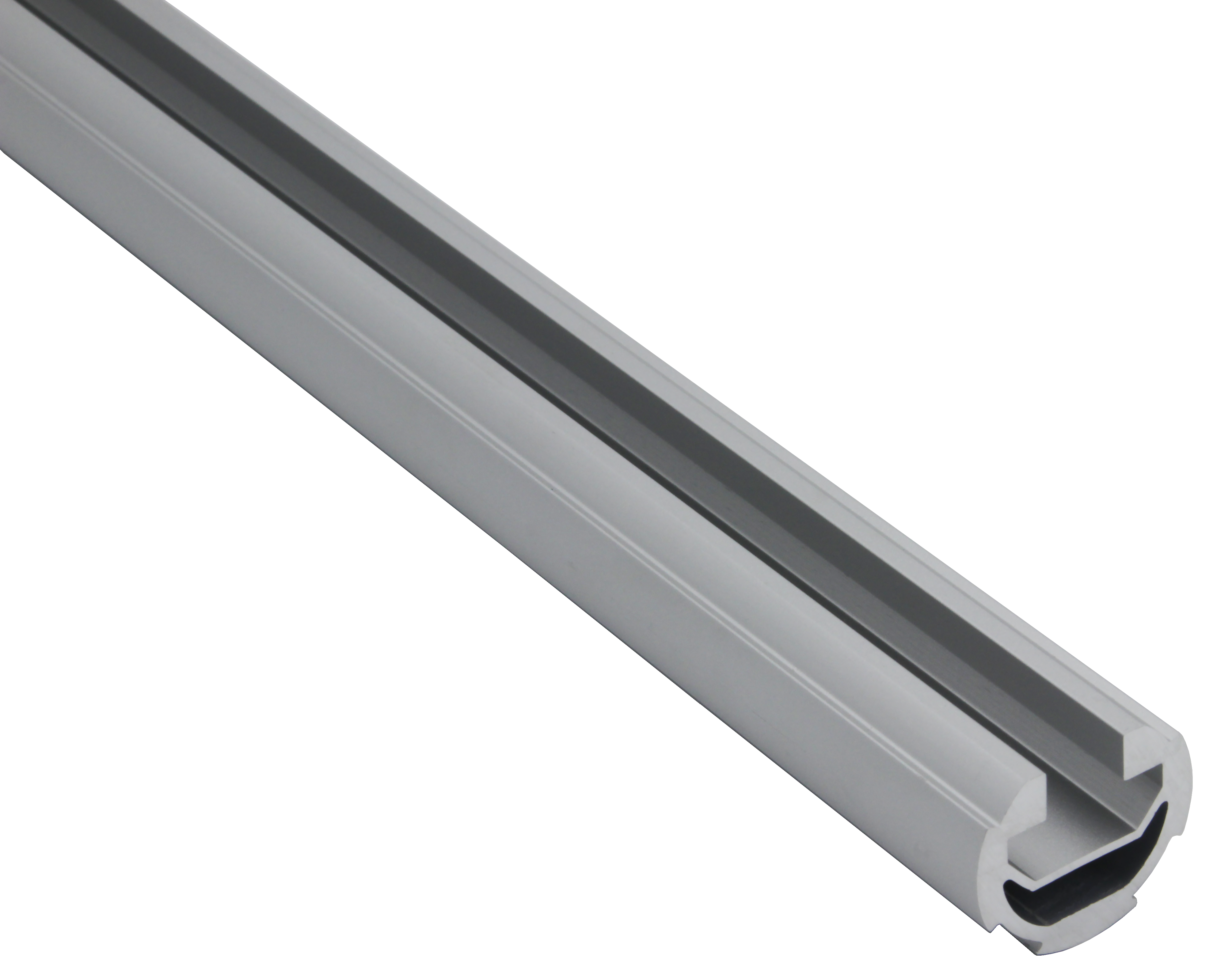
T-Groove Aluminum Pipe
The aluminum pipe opening 10mm is installed into the T-shaped slider, which can be installed with casters or other matching functional parts. The groove can be used for positioning and is used for the track of the roller.
The Hidden Frustration in Warehouses: Why Old Systems Slow You Down
Walk into almost any warehouse or manufacturing floor, and you'll notice a common theme: workers navigating around clunky, fixed structures. A workbench that's too tall for the new batch of parts. A material rack that can't be adjusted when inventory sizes change. A conveyor system that jams because the rails are warped from years of heavy use. These aren't just minor annoyances—they're silent productivity killers.
I once spoke with Maria, a warehouse manager at a mid-sized electronics manufacturer, who told me about her "Monday morning dread." Every week, her team would spend the first two hours rearranging static steel workbenches to accommodate new product lines. "We'd unscrew bolts, drag heavy tables, and by the time we were done, half the morning was gone," she said. "And if a client changed their order mid-week? We'd have to do it all over again. It felt like we were fighting our own workspace instead of working with it."
Sound familiar? For too long, warehouses have relied on rigid, one-size-fits-nobody solutions—steel pipes that rust, wooden shelves that warp, and conveyor rails that can't adapt. But what if your workspace could keep up with you? What if your tools and structures were as flexible as the demands of your business? That's where T-groove aluminum pipe and flow rails come in. These two components, when paired, aren't just pieces of hardware—they're a game plan for a warehouse that works with your team, not against them.
T-Groove Aluminum Pipe: The "Swiss Army Knife" of Warehouse Design
Let's start with the backbone: T-groove aluminum pipe. If you're picturing the heavy, inflexible steel pipes of the past, think again. T-groove aluminum is lightweight but surprisingly tough—imagine a material that's easy to carry with one hand but strong enough to support heavy toolboxes or stacks of inventory. Its real superpower? The T-shaped groove running along its length, which lets you attach accessories—shelves, brackets, even flow rails—in seconds, no welding or drilling required.
Take the basic aluminum tube , for example. It's not just a tube; it's a blank canvas. Need a longer workbench? Slide two tubes into a 90° aluminum pipe joint inside connection and lock it with a hand screw. Want to add a side shelf for tools? Snap a T-groove aluminum pipe with board holder into the groove and tighten. Unlike steel, which requires power tools and a skilled hand, aluminum pipe systems are designed for everyday users . I watched a new hire at a automotive parts supplier assemble a custom workbench in under 15 minutes on his first day—no prior experience needed. "It's like building with giant Legos," he joked. But the joke had a point: simplicity is key when you need to adapt fast.
Durability? Don't let the lightweight fool you. Aluminum resists rust and corrosion, which is a lifesaver in humid warehouses or facilities that handle liquids (like food processing or chemical labs). And because it's non-conductive, it's a safe choice for electronics manufacturers who need to avoid static buildup—pair it with an ESD workstation , and you've got a setup that protects sensitive components while staying flexible.
But the best part? It grows with your business. When Maria's company switched to T-groove aluminum, she told me, "We went from rearranging workbenches for hours to adjusting them in minutes. Last month, we launched a new product line, and my team swapped out the shelves on our material racks during lunch break. No bolts, no hassle—just a few twists of a knob. I haven't had a 'Monday morning dread' in over a year."
Flow Rails: When Materials Move Like They're on Autopilot
Now, let's talk about the other half of the equation: flow rails. If T-groove aluminum is the "bones" of an efficient workspace, flow rails are the "muscles" that keep materials moving smoothly. Think of them as the silent helpers that turn manual lifting into gravity-powered efficiency.
Picture this: A worker at a fulfillment center bends down to pick up a heavy box from a shelf, carries it 20 feet to a packing station, and repeats this 50 times a day. Over time, that's a recipe for fatigue and injury. Now, replace that shelf with a roller track system—rows of small, smooth-rolling wheels that let boxes glide from storage directly to the packing table with a gentle push. Suddenly, that 20-foot carry becomes a 2-second nudge. That's the magic of flow rails.
Flow rails come in all shapes and sizes, but the most versatile are plastic roller track guide rails (yellow or grey, depending on your preference) and aluminum guide rails . What makes them special? They're designed to reduce friction, so even heavy items move with minimal effort. I visited a bakery warehouse once where they used swivel roller balls 1 inch on their worktables—pastry trays glided across the surface like they were on ice, cutting down on the time bakers spent moving dough from station to station. "We used to have two people just moving trays," the head baker told me. "Now, one person can handle it, and the other is decorating cakes. That's how we scaled up production without hiring extra staff."
But flow rails aren't just for straight lines. Need to navigate corners? roller track connectors let you angle rails at 45° or 90° without losing momentum. Working with small parts? swivel roller balls 0.5 inch are perfect for lightweight items like screws or electronic components. And because they're often made of plastic or aluminum, they're gentle on delicate goods—no more scratched surfaces or dented boxes.
The result? Workers spend less time pushing, pulling, and lifting, and more time on the tasks that actually make money. It's not just about speed—it's about reducing physical strain. After installing flow rails, a furniture manufacturer I worked with reported a 30% drop in worker complaints about back pain. "Our team isn't exhausted by lunchtime anymore," the operations manager said. "They're sharper, faster, and honestly? Happier. And happy workers don't quit."

T-Groove Aluminum + Flow Rails: A Match Made for Adaptability
Individually, T-groove aluminum pipe and flow rails are powerful tools. Together? They're a workspace revolution. The magic lies in how they adapt to your needs, not the other way around. Let's break down three common scenarios where this combo shines:
1. Custom Workbenches That Grow With Your Tasks
Remember Maria's problem with static workbenches? T-groove aluminum and flow rails solve that by letting you build workstations that adjust on the fly. Take the workbench E (single deck-without caster) —a simple, lightweight frame made with aluminum pipes. But here's the twist: Add a set of plastic roller track guide rail yellow along the back edge, and suddenly it's a packing station where boxes slide directly into shipping bins. Need to add a shelf for tools? Snap on aluminum profile accessories like brackets or hooks into the T-groove. Got a taller worker joining the team? Loosen the joints, raise the legs, and lock them back in place. Done.
A small appliance repair shop in Texas took this a step further. They built workbenches with roller track placon mount for aluminum profile flat , which let them attach and remove flow rails depending on the day's jobs. "On Mondays, we fix microwaves—small parts, so we use narrow rails," the owner explained. "On Wednesdays, it's refrigerators—bigger parts, so we swap in wider rails. The workbench never changes, but it acts like a completely different station. It's like having a chameleon in the shop."
2. Material Racks That Keep Up With Inventory Swings
Inventory is never static. One month, you're storing large boxes; the next, small components. Traditional steel racks force you to choose a fixed layout, but with T-groove aluminum and flow rails, you can build material rack B (3 row and 3 floor) —and reconfigure it whenever needed. Let's say you start with three rows of shelves for bulky items. When a new order comes in for smaller parts, simply remove the middle shelf, add aluminum guide rail A to the remaining rows, and now you've got a flow rack where parts slide forward as the front ones are taken. No more reaching to the back of the shelf or wasting space on empty slots.
A clothing distributor I worked with used this to handle seasonal swings. "In summer, we stock lightweight t-shirts—small boxes, so we use mini aluminum roller track yellow on all three floors," the warehouse manager said. "In winter, it's heavy coats—we need more space, so we take out the top floor rails and use it for storage. The rack itself stays, but it adapts to what's selling. We used to have to rent extra storage in winter; now, we just reconfigure."
3. Mobile Solutions for On-the-Go Teams
Not everything in a warehouse stays in one place. Sometimes, you need to bring the workspace to the work—like a maintenance cart that follows a technician or a picking trolley that moves with an order packer. That's where caster and accessories come in. Attach caster wheel to a T-groove aluminum frame, add flow rails, and suddenly you've got a mobile workstation that can glide across the floor. A brewery in Colorado uses these for their bottling line: Workers push the trolley right up to the filling machines, and bottles roll along 38 aluminum roller track black esd rails directly into crates. No more carrying heavy cases across the floor.
"Before, we had two people carrying bottles—one on each end of a crate," the brewery owner told me. "Now, one person pushes the trolley, and the rails do the heavy lifting. We're filling 20% more bottles per hour, and no one's complaining about sore arms at the end of the day."

The Unsung Heroes: Accessories That Make the System Sing
You could have the best T-groove aluminum pipes and flow rails, but without the right accessories, you're missing out on their full potential. Think of them as the "glue" that holds the system together—and makes it even more flexible. Let's talk about a few that matter most:
Aluminum Profile Accessories: The "Plug-and-Play" Upgrades
These small but mighty parts turn basic frames into fully functional workspaces. Aluminum profile accessories include brackets, clips, and holders that slide into the T-groove of aluminum pipes. Need to mount a monitor on your workbench? Use a monitor arm bracket. Want to hang a power strip? Snap in a cable management clip. Even something as simple as a nylon handle makes moving a mobile trolley easier—no more gripping cold metal pipes.
Jake, a production supervisor at a furniture factory, raved about the aluminum pipe clamp . "We use them to attach wooden work surfaces to our aluminum frames," he said. "If a surface gets scratched or worn, we just loosen the clamp, swap in a new board, and tighten it back up. No more replacing the entire workbench—just the top. It's saved us thousands in replacement costs."
Roller Track Connectors: Keeping the Flow Uninterrupted
Flow rails are only as good as their connections. Roller track connectors ensure that rails stay aligned, even when they're angled or extended. The roller track placon mount for rail connection , for example, joins two roller tracks seamlessly, so boxes don't get stuck at the joint. And if you need to raise or lower a section of rail? The roller track placon mount for aluminum profile high lets you attach rails to taller frames without losing stability.
A logistics company I visited had a clever setup: They used end support for roller track placon mount with stop at the end of their flow racks. "It's a small plastic piece that keeps boxes from sliding off the end," the warehouse lead explained. "Before, we'd have boxes falling onto the floor at least once a day—now? Zero. It's the little things that make the biggest difference."
Casters: Mobility Without the Headache
Not all casters are created equal. Caster and accessories like 360° swivel expanding stem casters wheel with brake let you move workbenches or trolleys with one hand, then lock them in place with a tap of your foot. For heavy loads, heavy duty split foot seat casters distribute weight evenly, preventing floor damage. And if you work on uneven floors? anti-slip adjustable leveling feet keep your workstation stable, even on rough concrete.
Maria's team at the electronics manufacturer added casters to their material racks, and she called it a "game-changer." "Before, if we needed a rack on the other side of the floor, we'd have to unload it, move the empty rack, then reload—hours of work," she said. "Now, we just unlock the casters, push it where it needs to go, and lock it. We can rearrange the entire floor in an hour instead of a day."
From Frustration to Freedom: Real Stories of Efficiency Gains
Numbers tell part of the story, but the real impact of T-groove aluminum pipe and flow rails shows up in the daily lives of workers and managers. Let's look at two businesses that transformed their operations—and their mindsets—by switching to these flexible systems.
Small Business, Big Results: How a Family-Owned Bakery Scaled Up
Elena and her husband run a family-owned bakery in Chicago, with just 10 employees. Their biggest challenge? Seasonal demand. "Christmas is our busiest time—we triple production of cookies and cakes," Elena said. "But our old steel worktables and wooden racks couldn't keep up. We'd have flour bags stacked on the floor, and workers tripping over them."
They invested in a basic T-groove aluminum system: basic aluminum tube frames for workbenches, swivel roller balls 1 inch on tables for gliding dough trays, and material rack B (3 row and 3 floor) with adjustable shelves. "The first Christmas after installing it, we didn't add a single employee, but we increased output by 40%," Elena said. "Our bakers could focus on mixing and decorating, not moving trays. And when Valentine's Day came around, we just adjusted the racks to fit heart-shaped boxes. No more stress, no more chaos."
Enterprise-Level Efficiency: A Manufacturer Cuts Waste by 25%
A large automotive parts manufacturer with 500+ employees was struggling with waste—specifically, time wasted on material handling. "Our production line was linear, but parts often needed to move back and forth between stations," the plant manager, Raj, explained. "Workers were walking miles each day, pushing heavy carts."
They installed a network of T-groove aluminum frames with 85 steel roller track flow rails, connecting every workstation. "Now, parts glide from the machining station to assembly, and back to quality control if needed—all with gravity," Raj said. "We tracked it: Workers walk 60% less, and we cut material handling time by 25%. The best part? When we launched a new product line, we reconfigured the flow rails in a weekend. With the old system, that would have taken a month and a contractor."
But the biggest win? "Morale," Raj added. "Our turnover rate dropped by 15% in the first year. Workers feel like we're investing in their comfort and efficiency, not just squeezing more work out of them. That's priceless."
How to Get Started: Choosing the Right Components for Your Needs
Ready to say goodbye to rigid, frustrating systems? Here's how to start building your flexible workspace:
Step 1: Assess Your Pain Points
What's slowing your team down? Is it fixed workbenches? Clunky material racks? Jamming conveyors? Make a list of the top 3-5 frustrations. For example: "Workbenches can't be adjusted for different worker heights" or "Material racks waste space because shelves are too far apart."
Step 2: Start Small, Then Scale
You don't need to overhaul your entire facility at once. Maria's team started with just two T-groove aluminum workbenches and a single flow rack. "We wanted to test it first," she said. "After two weeks, the workers who used those stations were begging for more. That's when we knew it was worth expanding."
Good starter projects: A mobile workbench with casters, a flow rack for fast-moving inventory, or a roller track system for packing stations.
Step 3: Choose Quality Components
Not all T-groove aluminum pipes and flow rails are created equal. Look for suppliers that offer aluminum lean pipe with thick walls (at least 1.2mm) for durability, and roller track with smooth, high-quality wheels (plastic or steel, depending on your load). Avoid cheap knockoffs—they'll bend or break under heavy use, costing you more in the long run.
Step 4: Involve Your Team in Design
Your workers know the workspace best. Ask them: "What would make your job easier?" "Where do you waste the most time?" Their input will help you design a system that actually solves their problems, not just looks good on paper.
Traditional vs. T-Groove Aluminum + Flow Rails: A Side-by-Side Comparison
| Feature | Traditional Steel/Wood Systems | T-Groove Aluminum + Flow Rails |
|---|---|---|
| Setup Time | Hours to days (requires tools/welding) | Minutes to hours (no tools needed) |
| Adaptability | Fixed; difficult to reconfigure | Adjustable; reconfigure in minutes |
| Durability | Prone to rust/warping over time | Rust-resistant; aluminum lasts 10+ years |
| Worker Strain | Heavy lifting; static positions cause fatigue | Gliding materials; adjustable heights reduce strain |
| Cost Over Time | High (replacement/repair costs) | Lower (reusable components; minimal repairs) |
The Future of Warehousing: Workspaces That Grow With You
Warehouses and manufacturing floors are no longer just places to store or build things—they're dynamic hubs of productivity. And dynamic hubs need dynamic tools. T-groove aluminum pipe and flow rails aren't just trends; they're the foundation of a workspace that adapts to your needs, not the other way around.
Imagine a future where you never again dread rearranging workbenches, where material racks always fit your inventory, and where workers glide through their tasks instead of fighting through them. That future isn't coming—it's here, and it starts with choosing tools that set your team free to do their best work.
As Maria put it: "We used to work around our workspace. Now, we work with it. And honestly? It feels like we've unlocked a superpower."
What could your team accomplish if they had that superpower, too?