- Company Articles
- Products and Technology
- Product knowledge
- T-Groove Aluminum Pipe for Automated Guided Vehicle (AGV) Pathways

T-Groove Aluminum Pipe for Automated Guided Vehicle (AGV) Pathways
Related Product
T-Groove Aluminum Pipe
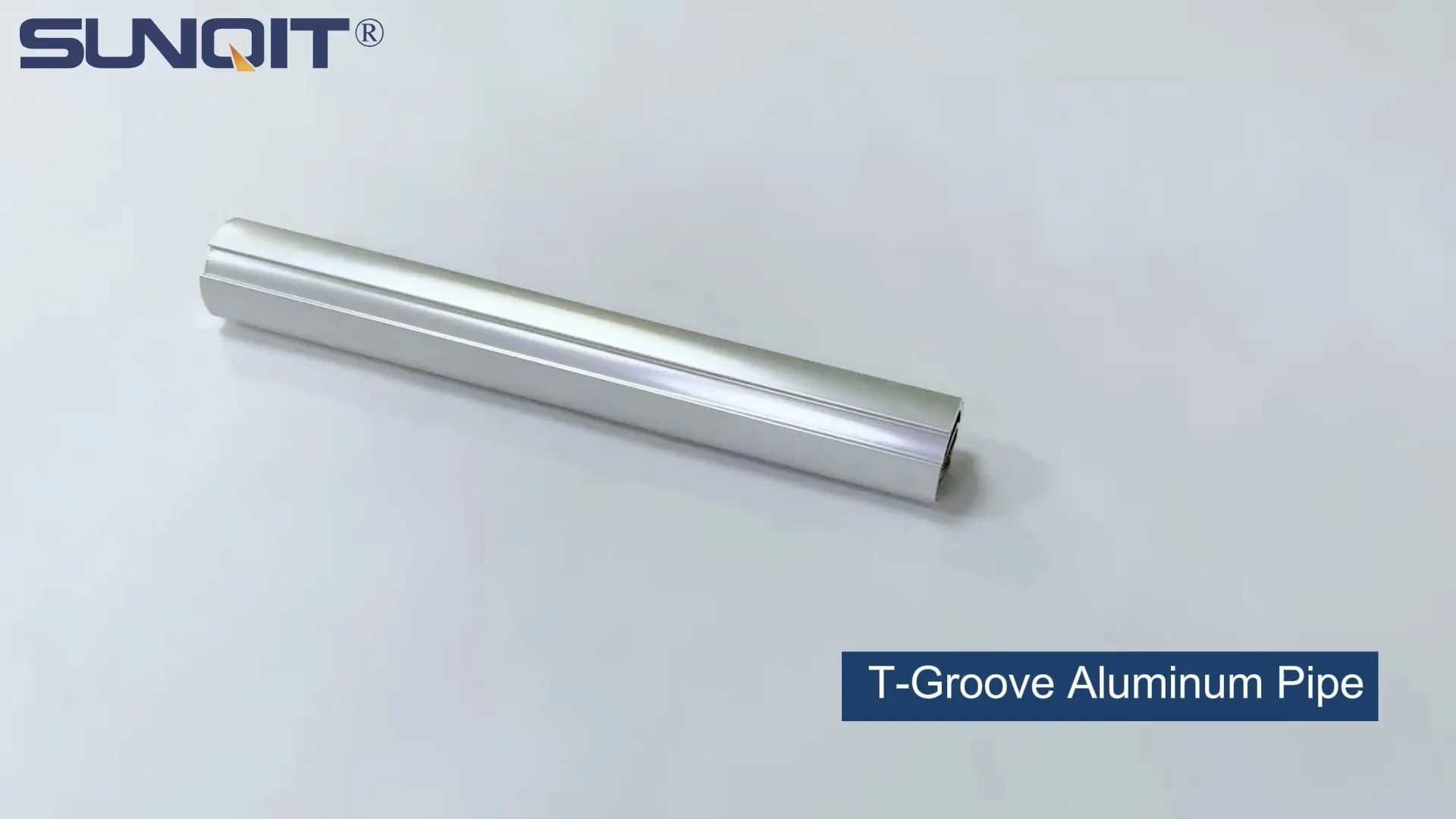
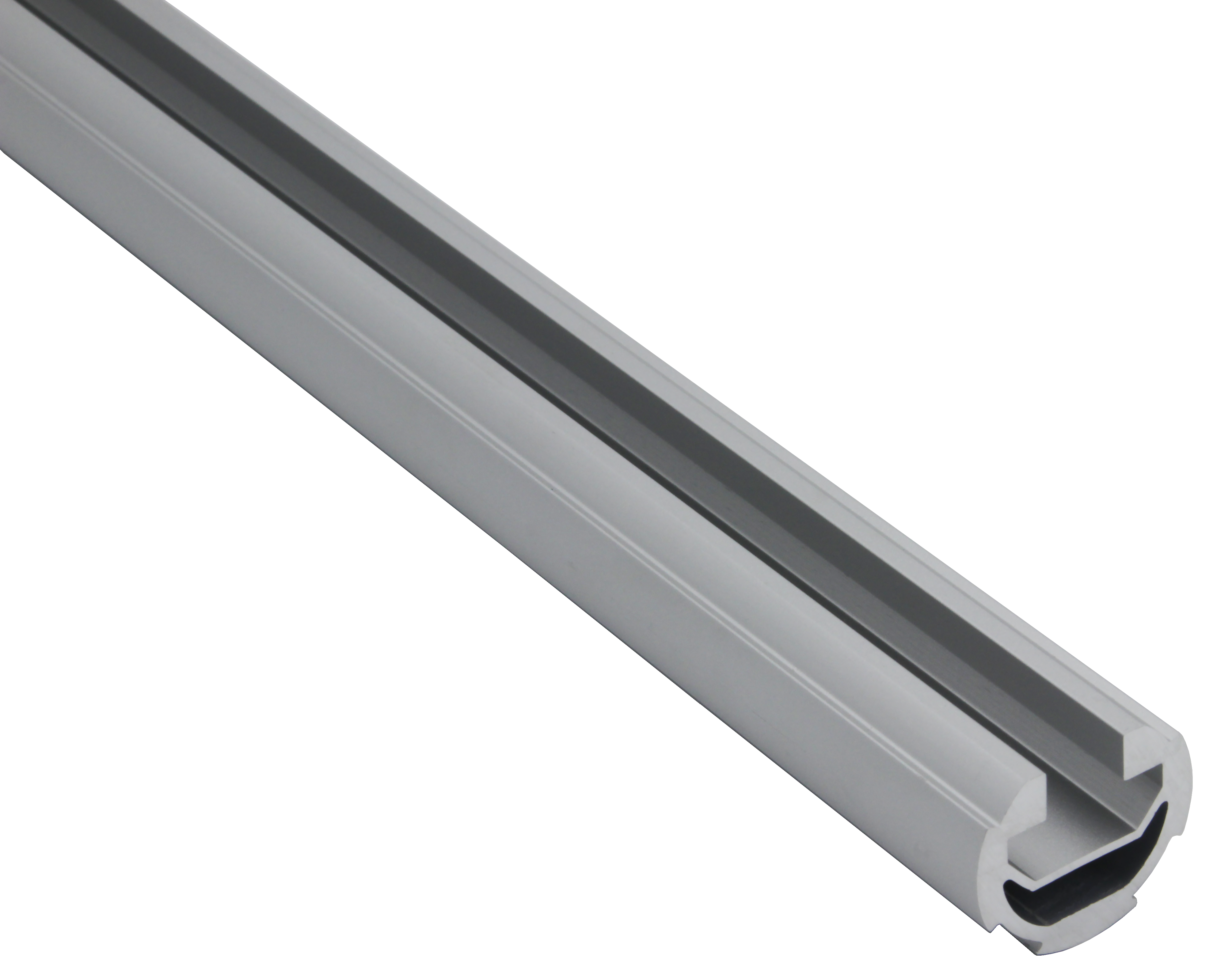
The aluminum pipe opening 10mm is installed into the T-shaped slider, which can be installed with casters or other matching functional parts. The groove can be used for positioning and is used for the track of the roller.
In the humming heart of modern manufacturing facilities, where robots and humans collaborate to build everything from smartphones to automobiles, there's an unsung hero quietly ensuring the show runs smoothly: the pathways that guide automated guided vehicles (AGVs). These self-driving workhorses—whether ferrying components across a factory floor or delivering finished products to shipping—depend on pathways that are not just functional, but flexible, durable, and adaptable. Yet for years, many manufacturers have relied on rigid, one-and-done solutions like concrete trenches or heavy steel rails, which work fine… until production lines shift, demand spikes, or a new product requires a complete layout overhaul. That's where t slot aluminum pipe comes in—a material that's redefining how we think about AGV pathways, one modular section at a time.
The Hidden Challenge of AGV Pathways: Rigidity in a World of Change
Walk into any busy manufacturing plant, and you'll likely see AGVs gliding along their routes, carrying bins of circuit boards, engine parts, or medical supplies. What you might not notice is the pathway itself—often a simple painted line on the floor, a steel rail, or a plastic track bolted down with little room for adjustment. These solutions made sense in an era of static production lines, where a factory might churn out the same product for decades. But today? Manufacturers pivot constantly. A smartphone factory might switch from assembling Model X to Model Y in weeks; a pharmaceutical plant might reconfigure lines to produce a new vaccine overnight. Rigid pathways can't keep up.
Consider the cost of ripping up concrete to reroute a steel rail: downtime, labor, lost production. Or the frustration of painted lines fading, causing AGVs to veer off course and collide with equipment. Even plastic tracks, while lighter, often crack under heavy AGV traffic or become brittle in extreme temperatures. For plant managers and engineers, it's a recurring headache: how do you build a pathway that's strong enough to handle daily use but flexible enough to evolve with your business?
T-Groove Aluminum Pipe: The Flexible Backbone of Modern AGV Systems
Enter t slot aluminum pipe—also known as aluminum extrusion profile—a material that's been quietly revolutionizing industrial design for years, and now finding its calling in AGV pathways. At first glance, it looks like a simple tube, but run your hand along its length, and you'll notice the signature "T-groove": a continuous channel that runs the entire length of the pipe, designed to snap, slide, or bolt on accessories with ease. This isn't just metal; it's a modular building block that turns "permanent" pathways into something you can reconfigure as easily as rearranging furniture.
So, what makes t slot aluminum pipe so special? Let's start with the basics. It's made using an extrusion process, where heated aluminum is forced through a die to create the T-groove shape. This process ensures uniformity, strength, and precision—key for AGV pathways that demand consistent, smooth surfaces. Unlike steel, it's lightweight (about a third the weight of steel, in fact), making it easy to transport, lift, and install without heavy machinery. And because it's aluminum, it's naturally resistant to corrosion, rust, and wear—critical in factories where spills, humidity, or chemicals are part of daily life.
Beyond the Pipe: Aluminum Profile Accessories That Bring Pathways to Life
A t slot aluminum pipe alone is just a tube. What turns it into a functional AGV pathway is the ecosystem of aluminum profile accessories that snap into those T-grooves. Think of it like a grown-up version of building blocks: you've got the pipes (the "base"), then connectors, brackets, and specialized parts that let you build almost any shape or structure. For AGV pathways, the star of the show is often the roller track—a series of small wheels or rollers that fit into the T-grooves, creating a low-friction surface for AGVs to glide over. Unlike a flat aluminum surface, roller track reduces drag, letting AGVs move faster and more efficiently, which translates to lower energy costs and happier plant managers.
But the accessories don't stop there. Need a curve in your pathway? Grab a 90-degree aluminum profile connector. Want to elevate the pathway to avoid floor obstacles? Use height-adjustable brackets. Even something as simple as adding a side rail to keep AGVs on track is a breeze—just slide a rail into the T-groove and tighten a bolt. This modularity is a game-changer. Instead of waiting weeks for custom steel fabrication, you can order standard aluminum profile accessories and assemble a new pathway section in hours. It's like having a toolkit for your factory floor, where every part works together seamlessly.
Why T-Groove Aluminum Pipe Beats Traditional Pathway Materials
To really understand the value of t slot aluminum pipe, let's put it head-to-head with the old standbys: steel, plastic, and concrete. We'll break it down by the factors that matter most to plant managers: cost, flexibility, durability, and installation time.
| Material | Initial Cost | Flexibility | Durability | Installation Time | ||||
|---|---|---|---|---|---|---|---|---|
| T-Groove Aluminum Pipe | Moderate (higher than plastic, lower than steel) | Excellent (reconfigurable with tools; modular accessories) | High (corrosion-resistant; withstands heavy AGV traffic) | 1-2 days for a 50ft pathway (no heavy machinery needed) | ||||
| Steel Rail | High (material + fabrication + installation) | Poor (permanent; requires cutting/welding to modify) | Very High (but prone to rust without coating) | Plastic Track | Low (material cost) | Fair (some modularity, but cracks under heavy weight) | Low (brittle in cold; degrades in heat/chemicals) | 1 day (lightweight, but requires precise alignment) |
The table tells the story: t slot aluminum pipe hits the sweet spot between cost, flexibility, and durability. It's not the cheapest upfront, but when you factor in how easy it is to modify (no more paying for welding crews to reroute a steel rail), the long-term savings add up fast. And unlike plastic, it won't crack or warp after a year of AGVs rolling over it. For manufacturers who value agility—and let's face it, which manufacturer doesn't these days—this is a no-brainer.

From Blueprint to Reality: Building a T-Groove Aluminum AGV Pathway
So, how do you actually build an AGV pathway with t slot aluminum pipe? Let's walk through the process, step by step, to see just how straightforward it is. (Don't worry—you don't need to be an engineer to follow along.)
Step 1: Plan Your Layout (and Embrace Imperfection)
First, map out your AGV route. Where do the AGVs start? Where do they need to go? Are there obstacles like pillars, drains, or existing machinery to work around? With t slot aluminum pipe, you don't need to stick to straight lines—thanks to 45-degree and 90-degree aluminum profile connectors, you can curve, merge, or split pathways as needed. Pro tip: Leave a little extra space for future expansion. One of the beauties of this system is that you can always add a new section later by just sliding in a few more pipes and accessories.
Step 2: Gather Your Materials (It's Like a Hardware Store Treasure Hunt)
You'll need: t slot aluminum pipes (cut to your desired lengths—most suppliers will cut them for you), roller track sections (to create that smooth gliding surface), aluminum profile accessories (connectors, brackets, end caps), and basic tools (a hex key, a rubber mallet, maybe a level). That's it. No welding torches, no concrete mixers, no cranes. Just a few boxes of parts that fit in the back of a pickup truck.
Step 3: Assemble (No Experience Required)
Lay out the pipes on the floor, align the T-grooves, and snap in the connectors. Most aluminum profile accessories use "drop-in" bolts that slide into the T-groove and tighten with a hex key—no drilling, no tapping, no fuss. Once the base frame is up, add the roller track by sliding it into the T-grooves along the top of the pipes. Adjust the height with brackets if needed, then secure everything with a final tighten. In a few hours, you've got a functional pathway. Need to tweak the angle? Loosen a bolt, adjust, and retighten. It's that simple.
Step 4: Test, Tweak, and Celebrate
Fire up an AGV and let it glide along the new pathway. Does it feel smooth? Are there any bumps or rough spots? Chances are, it'll work perfectly on the first try, but if not, just adjust the roller track or tighten a loose bracket. Then step back and admire your handiwork: a pathway that's strong enough to handle daily use, flexible enough to change with your needs, and installed in a fraction of the time it would take with traditional materials. Cue the confetti (or at least a well-deserved coffee break).

Real-World Wins: How Factories Are Using T-Groove Aluminum Pathways
Still not convinced? Let's look at a few real-world examples of factories that made the switch to t slot aluminum pipe AGV pathways—and never looked back.
Case Study 1: Automotive Parts Manufacturer Saves 80% on Rerouting Costs
A mid-sized automotive parts plant in Michigan used to rely on steel rails for their AGV pathways. When they needed to reroute a 100ft section to make room for a new assembly line, the quote came in at $25,000—including welding, concrete repair, and two weeks of downtime. Ouch. They decided to try t slot aluminum pipe instead, ordering pipes, roller track, and aluminum profile accessories for $8,000. A team of two workers installed the new pathway in three days, with zero downtime (they worked weekends). Six months later, when they needed to adjust the route again, they simply disassembled the old section and rebuilt it in a new location—costing just $500 in labor. Total savings? Over $16,500, plus weeks of production time saved.
Case Study 2: Electronics Factory Cuts AGV Energy Use by 15%
An electronics factory in California was struggling with AGVs that kept overheating and breaking down. Their old plastic track pathway had rough spots, causing the AGVs to work harder to move forward. They switched to t slot aluminum pipe with roller track, which reduced friction dramatically. Within a month, AGV energy use dropped by 15%, and breakdowns decreased by 70%. The maintenance team, which used to spend 10 hours a week fixing plastic track cracks, now spends just 1 hour a month tightening bolts on the aluminum system. "It's like night and day," said the plant manager. "We should have done this years ago."
The Future of AGV Pathways: Smart, Sustainable, and T-Groove
As manufacturing continues to evolve—with smarter AGVs, IoT sensors, and AI-driven logistics—the pathways that guide these systems need to keep up. T slot aluminum pipe is already ahead of the curve here. Imagine adding sensors to the T-grooves that track AGV speed, detect jams, or send alerts when a roller track needs lubrication. Or integrating LED strips into the pathways to guide AGVs in low-light conditions. Because the T-grooves are standardized, adding these "smart" features is as simple as sliding a new accessory into place.
Sustainability is another area where t slot aluminum pipe shines. Aluminum is 100% recyclable, and because the system is modular, there's little waste—unlike steel or concrete, which often end up in landfills when pathways are replaced. Plus, the lightweight nature of aluminum reduces transportation emissions, and the low-friction roller track cuts down on AGV energy use. For factories aiming to reduce their carbon footprint, this is a win-win.
Final Thoughts: It's Time to Ditch Rigidity and Embrace Flexibility
At the end of the day, AGV pathways are more than just lines on the floor—they're the arteries of your factory, carrying the lifeblood of production. Rigid pathways choke that flow, limiting your ability to adapt, grow, and innovate. T slot aluminum pipe, with its modular design, durable construction, and ecosystem of aluminum profile accessories, is the antidote. It's not just a material; it's a mindset shift—one that says, "Our factory doesn't have to be stuck in the past. We can build for change."
So, whether you're building a new factory from scratch or upgrading an old production line, consider this: the next time you watch an AGV glide by, ask yourself: Is this pathway holding us back, or is it helping us move forward? With t slot aluminum pipe, the answer will always be the latter.