- Company Articles
- Products and Technology
- Product knowledge
- T-Groove Aluminum Pipe for Safety Barriers: Protecting Workers in Production Areas

T-Groove Aluminum Pipe for Safety Barriers: Protecting Workers in Production Areas
Related Product
T-Groove Aluminum Pipe
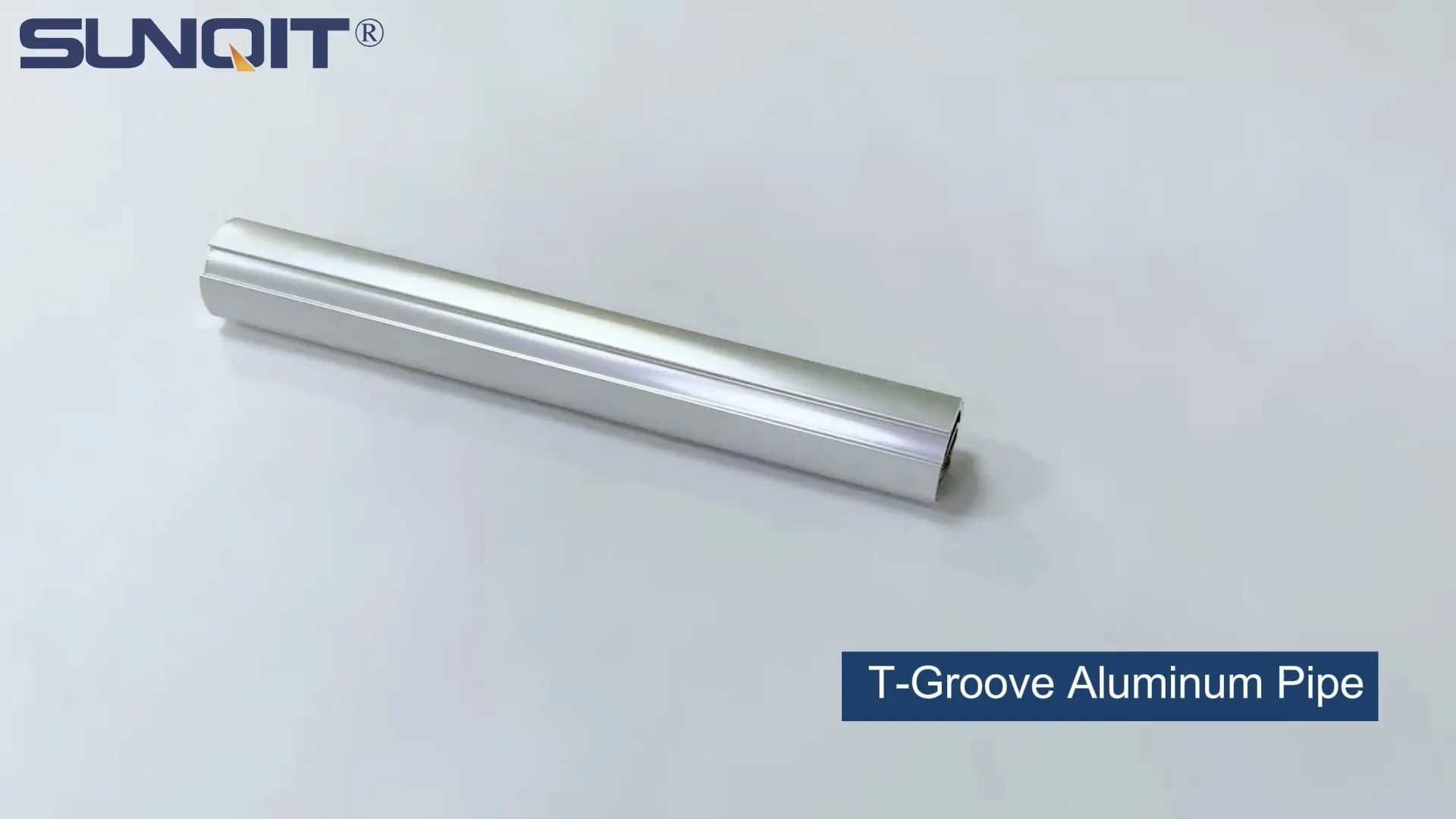
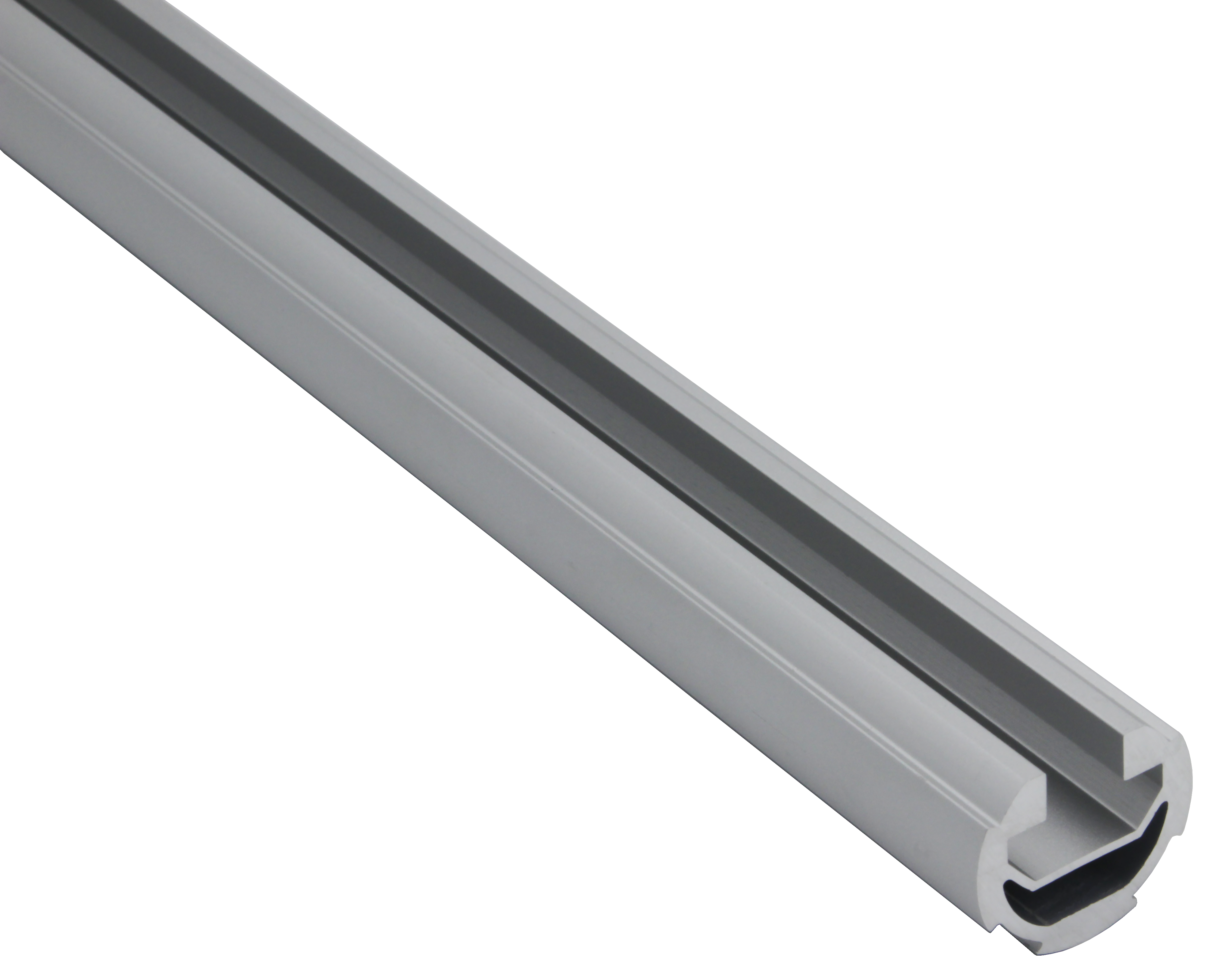
The aluminum pipe opening 10mm is installed into the T-shaped slider, which can be installed with casters or other matching functional parts. The groove can be used for positioning and is used for the track of the roller.
Walk through any busy production floor, and you'll notice the hum of machinery, the movement of materials, and the focused energy of workers. It's a space where efficiency and precision matter—but none of that matters if workers aren't safe. Every year, production areas see accidents ranging from minor collisions to serious injuries, often stemming from unclear boundaries, unprotected machinery, or unstable barriers. That's where the right safety infrastructure comes in. Today, we're diving into a solution that's changing the game for worker protection: T-Groove Aluminum Pipe. More than just a metal tube, it's a foundation for building safety barriers that adapt to your needs, stand the test of time, and keep your team out of harm's way.
Why Safety Barriers Matter in Production Areas
Before we get into the specifics of T-Groove Aluminum Pipe, let's take a step back. Why are safety barriers so critical in production zones? Imagine a typical day in a manufacturing plant: forklifts zip by carrying pallets, conveyor belts move parts between stations, and workers operate heavy machinery. Without clear barriers, lines blur—literally and figuratively. A worker might step into a vehicle path, a loose tool could roll into a machine, or a sudden equipment malfunction could send debris flying. These aren't just hypothetical risks; they're daily realities that can lead to lost time, damaged equipment, and, worst of all, hurt team members.
Effective safety barriers do more than just "block" areas—they communicate. They say, "This is where you walk," "Keep clear of this machine," or "Materials move here, so stay back." They create predictable zones, reducing split-second mistakes that happen when workers are distracted or in a hurry. But not all barriers are created equal. Traditional options like steel fencing or plastic dividers often fall short: steel is heavy and hard to reconfigure; plastic cracks under impact; both feel like permanent, inflexible obstacles. That's where T-Groove Aluminum Pipe steps in, offering a middle ground that's strong, adaptable, and worker-friendly.
What Is T-Groove Aluminum Pipe, Anyway?
At first glance, T-Groove Aluminum Pipe might look like any other metal tube, but its design is where the magic happens. Unlike smooth aluminum pipes, T-Groove Aluminum Pipe has a distinct "T" shaped groove running along its length (and sometimes multiple grooves, depending on the profile). This groove isn't just for show—it's a built-in channel that lets you attach accessories without drilling holes or welding. Think of it as a modular building block: the pipe is the backbone, and the T-groove lets you snap, bolt, or clamp on whatever you need to create a custom barrier.
Made from high-grade aluminum, it's lightweight—much lighter than steel—yet surprisingly strong. Aluminum's natural resistance to rust and corrosion means it holds up in dusty, humid, or even slightly damp production environments, unlike steel that might start to corrode over time. And because it's aluminum, it's easy to handle: one person can carry a 10-foot section without straining, making installation a breeze compared to hauling heavy steel pipes.
But the real star here is the T-groove design. Let's say you need to add a warning sign to your barrier. Instead of drilling into the pipe (which weakens it) or using adhesive (which fails over time), you can slide a T-nut into the groove, bolt the sign on, and it's secure. Need to move the sign later? Just loosen the bolt, slide the nut to the new spot, and retighten. No damage, no hassle. That flexibility is a game-changer in production areas where layouts shift, new machinery is added, or safety protocols update.
Why T-Groove Aluminum Pipe Stands Out for Safety Barriers
So, why choose T-Groove Aluminum Pipe over other materials for safety barriers? Let's break down the benefits that matter most in production settings:
1. Lightweight but Strong Enough to Protect
Production areas need barriers that can take a hit—whether from a wayward pallet jack or a worker accidentally leaning against them. T-Groove Aluminum Pipe might be light, but it's far from flimsy. Most standard profiles can withstand 200-300 pounds of force without bending, which is more than enough to stop a collision or redirect a misaligned cart. And because it's lightweight, installing a 20-foot barrier doesn't require a crew of four; two people can lift, position, and secure it in an hour, minimizing downtime.
2. Modular by Design (Thanks to Aluminum Profile Accessories)
Here's where aluminum profile accessories come into play. These small but mighty components—think corner brackets, T-connectors, end caps, and even hinges—turn basic pipes into fully functional barriers. Want a barrier with a gate for easy access? Use a hinge accessory that slides into the T-groove, attach a pipe section as the gate, and add a latch. Need to split a barrier into two sections at a 90-degree angle? A corner bracket locks the pipes together securely. The best part? No welding, no drilling, no special tools. Just slide, bolt, and done. This modularity means you can start small (a simple barrier around a single machine) and expand later (adding extensions as the production line grows) without wasting materials.
3. Corrosion-Resistant for Longevity
Production floors are tough on equipment. Oil, coolant, dust, and occasional spills can eat away at lesser materials. But T-Groove Aluminum Pipe resists corrosion naturally—no need for paint or coatings that chip off. Even in environments with high humidity (like food processing plants) or chemical exposure (like automotive workshops), the aluminum holds up, ensuring your barriers stay strong and safe for years. Compare that to steel barriers, which might start rusting after a few months, or plastic barriers that crack when exposed to harsh chemicals.
4. Customizable to Fit Any Space
No two production areas are the same. One might need a 3-foot tall barrier to separate walkways from machinery; another might require a 5-foot barrier around a high-risk zone. T-Groove Aluminum Pipe adapts to both. Cut pipes to length with a standard hacksaw (no special tools needed), mix and match accessories, and even add extras like foam padding (attached via T-groove clips) for extra worker protection. End caps, for example, slide into the pipe ends to cover sharp edges, preventing cuts—a small detail that makes a big difference in daily safety.
5. Cost-Effective Over Time
While T-Groove Aluminum Pipe might cost a bit more upfront than plastic barriers, it pays off in the long run. Plastic cracks, steel rusts, but aluminum lasts. And because it's modular, you won't have to replace the entire barrier if you need to reconfigure—just swap out a section or add new accessories. Plus, the ease of installation means lower labor costs: what might take a day with steel (due to welding and heavy lifting) takes half a day with aluminum. Over time, those savings add up.

How It All Comes Together: A Safety Barrier in Action
Let's paint a picture of how T-Groove Aluminum Pipe, aluminum profile accessories, and even extras like roller track work together in a real production setting. Imagine a small electronics assembly plant with a mix of workbenches, conveyor belts, and forklift traffic. The plant manager wants to reduce accidents near the workbenches, where workers often set down tools and parts—prime spots for tripping or collisions.
First, they measure the perimeter around the workbench area: 50 feet total, with two 10-foot gaps for entry/exit. They order T-Groove Aluminum Pipe (1.5-inch diameter, 12-foot sections), aluminum profile accessories (4 corner brackets, 2 hinges, 8 T-connectors, 10 end caps), and two gate latches. They also pick up some bright yellow foam padding (attached via T-groove clips) to make the barrier more visible.
Installation day arrives. The team starts by cutting the pipes to length: four 10-foot sections for the straight runs, two 5-foot sections for the gates. Using the corner brackets, they connect the pipes into a rectangular frame around the workbenches. For the gates, they attach hinges to two of the straight sections, then bolt the 5-foot gate pipes to the hinges. The latches slide into the T-groove on the gate and frame, ensuring the gates stay closed but can be opened quickly in an emergency.
But the plant also uses roller track to move circuit boards from one workbench to the next. To keep the roller track accessible but safe, they add a low T-Groove Aluminum Pipe barrier along its edge—just 18 inches tall, with gaps where workers load/unload boards. The barrier prevents parts from rolling off the track and onto the floor (a common tripping hazard) while still letting workers reach over to grab materials. Aluminum profile accessories like flat brackets secure the barrier to the roller track frame, creating a seamless safety system.
Six months later, the plant rearranges the workbenches to accommodate a new machine. Instead of tearing down the old barrier and buying new materials, the team simply unbolts the aluminum profile accessories, breaks down the sections, and rebuilds the barrier in the new layout. The whole process takes 2 hours, and not a single pipe or accessory goes to waste. That's the power of modularity.

T-Groove Aluminum Pipe vs. Other Barrier Materials: A Quick Comparison
| Feature | T-Groove Aluminum Pipe | Steel Pipe | Plastic Pipe |
|---|---|---|---|
| Weight (per 10ft section) | 8 lbs | 25 lbs | 5 lbs |
| Max Impact Resistance | 300 lbs of force | 500 lbs of force | 100 lbs of force |
| Corrosion Resistance | Excellent (no rust) | Poor (needs coating) | Good (but cracks in chemicals) |
| Installation Time (50ft barrier) | 2 hours (no welding) | 6 hours (welding required) | 1 hour (but less secure) |
| Reconfigurability | Easy (unbolt and rebuild) | Hard (welds must be cut) | Medium (prone to cracking when moved) |
| Longevity (in production settings) | 10–15 years | 5–8 years (with rust protection) | 2–3 years (sun/chemical damage) |
*Data based on average industry standards for 1.5-inch diameter pipes in light-to-medium production environments.
Beyond Barriers: Other Safety Uses for T-Groove Aluminum Pipe
While safety barriers are a primary use, T-Groove Aluminum Pipe's versatility means it can boost safety in other parts of the production area too:
Machine Guards
Many production machines have moving parts (think conveyor belts, rotating gears) that pose pinch or entanglement risks. T-Groove Aluminum Pipe makes quick work of guards: build a frame around the machine, add mesh panels (attached via T-groove clips) for visibility, and use hinges for easy access during maintenance. The aluminum won't conduct electricity, making it safe for use near electrical equipment.
Fall Protection Railings
Elevated platforms or mezzanines in production areas need railings to prevent falls. T-Groove Aluminum Pipe railings are lightweight enough to install on raised surfaces without adding excessive weight, yet strong enough to meet OSHA fall protection standards. Add a mid-rail (using T-connectors) and toe board (attached via brackets) for full compliance.
Caster Wheel-Equipped Mobile Barriers
For temporary safety needs—like blocking off a spill or a broken machine—mobile barriers are a must. Attach caster wheels (via aluminum profile accessories like mounting plates) to a T-Groove Aluminum Pipe frame, and you've got a barrier that rolls where it's needed. Lock the caster wheels in place, and it stays put until the issue is resolved. No more dragging heavy steel barricades around!
Maintenance: Keeping Your Barriers Safe and Strong
One of the best things about T-Groove Aluminum Pipe barriers is how little upkeep they need. Unlike steel, which needs repainting every few years, or wood, which rots, aluminum is low-maintenance:
- Cleaning: Wipe down pipes and accessories with a damp cloth to remove dust, oil, or debris. For stubborn grime, use mild soap and water—avoid harsh chemicals that might damage the aluminum finish.
- Check Connections: Every 3–6 months, tighten any loose aluminum profile accessories (like brackets or connectors) with a wrench. The T-groove design keeps most connections secure, but vibrations from machinery can loosen bolts over time.
- replace Worn Parts: If an accessory (like a hinge or latch) breaks, swap it out with a new one—no need to replace the entire barrier. Most aluminum profile accessories cost less than $10, making repairs budget-friendly.
- Inspect for Damage: After a major impact (e.g., a forklift collision), check pipes for bends or cracks. Minor dents can often be bent back by hand; severe damage means replacing that section. Better to replace one pipe than risk a weakened barrier.
Final Thoughts: Safety That Grows With Your Production
At the end of the day, safety barriers aren't just about checking a box on a compliance list—they're about showing your team that their well-being matters. T-Groove Aluminum Pipe barriers do that by being strong enough to protect, flexible enough to adapt, and easy enough to maintain that they never become an afterthought.
Whether you're safeguarding workbenches, securing roller track zones, or building machine guards, the combination of T-Groove Aluminum Pipe and aluminum profile accessories offers a level of customization and durability that other materials can't match. It's safety that grows with your production area—adding sections when you expand, reconfiguring when layouts change, and standing strong for years to come.
So, if you're tired of barriers that are too heavy, too hard to install, or too quick to wear out, give T-Groove Aluminum Pipe a look. Your workers (and your bottom line) will thank you.