- Company Articles
- Products and Technology
- Product knowledge
- T-Groove Aluminum Pipe + Inner Rotating Aluminum Joints: Perfect Assembly Partners

T-Groove Aluminum Pipe + Inner Rotating Aluminum Joints: Perfect Assembly Partners
Related Product
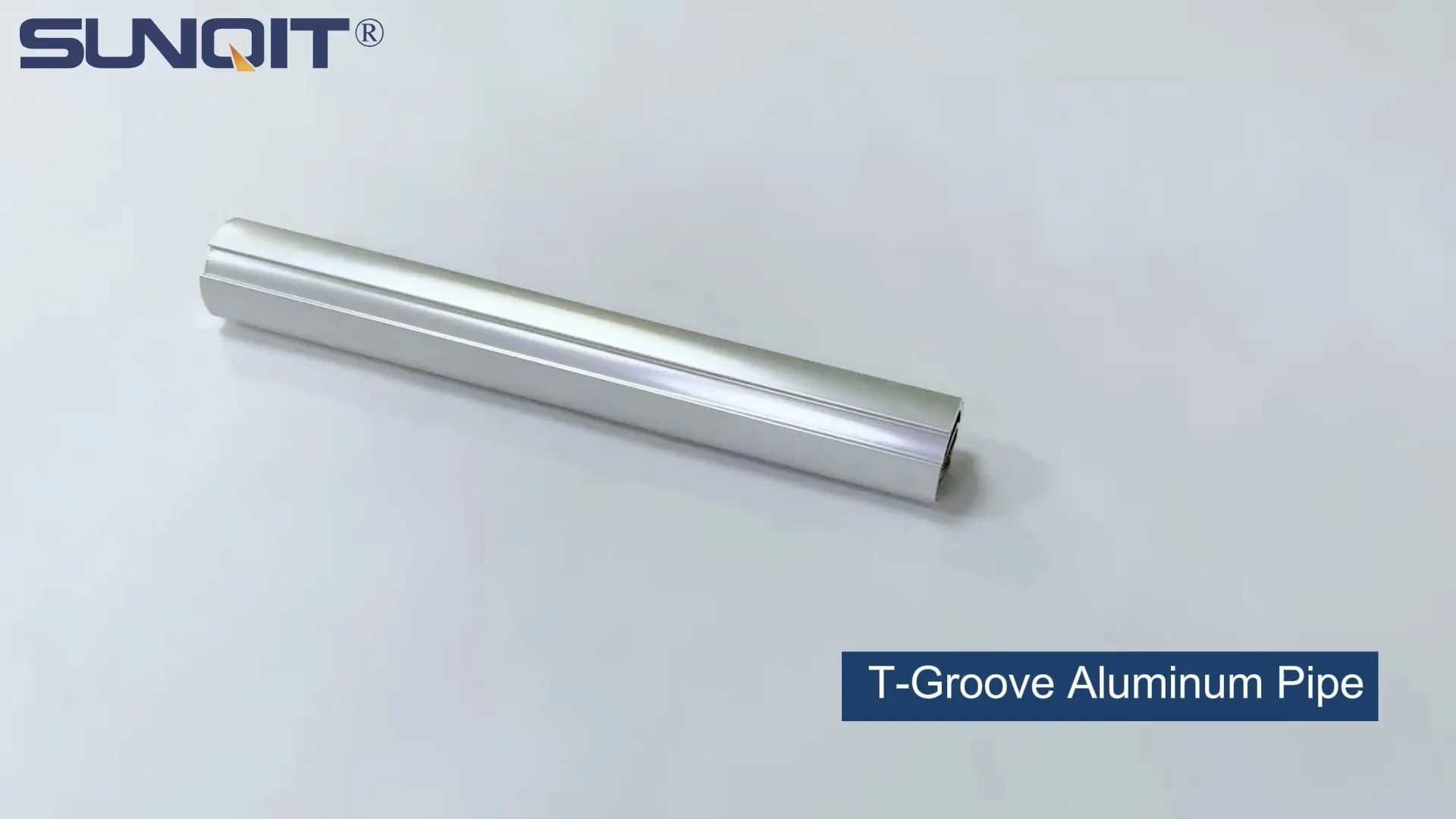
T-Groove Aluminum Pipe
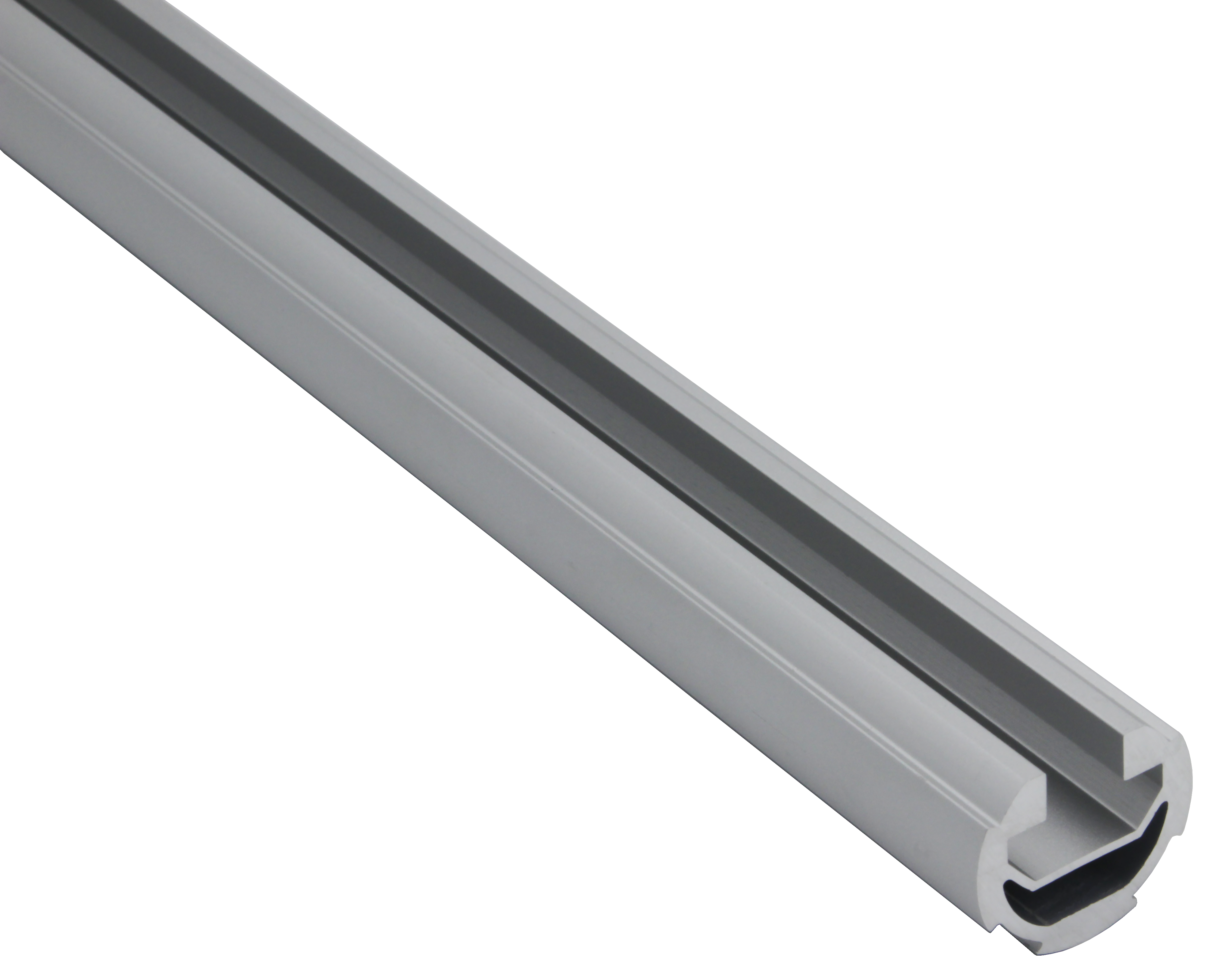
The aluminum pipe opening 10mm is installed into the T-shaped slider, which can be installed with casters or other matching functional parts. The groove can be used for positioning and is used for the track of the roller.
Walk into any modern factory, warehouse, or workshop today, and you'll notice a quiet revolution happening on the shop floor. The rigid, one-size-fits-all assembly lines of the past are giving way to (flexible), adaptable systems that can keep up with the ever-changing demands of manufacturing. At the heart of this transformation lies a dynamic duo:
T-Groove Aluminum Pipe
and
Inner Rotating Aluminum Joints
. These two components aren't just parts—they're partners, working together to redefine how we build, modify, and optimize workspaces. Let's dive into why they're the perfect assembly partners for today's lean, agile operations.
What Makes T-Groove Aluminum Pipe Stand Out?
First, let's get to know T-Groove Aluminum Pipe. At first glance, it might look like any other metal pipe, but its design tells a different story. Made from high-grade aluminum, it's lightweight yet surprisingly strong—think of it as the "Swiss Army knife" of industrial tubing. What really sets it apart, though, is the T-shaped groove (or T-slot) running along its length. This groove isn't just a design quirk; it's a game-changer for functionality.
Imagine you're building a workbench. With traditional steel pipes, you'd need to drill holes, weld joints, or use clunky brackets to attach shelves, tools, or casters. It's time-consuming, messy, and if you ever need to reconfigure the bench? Good luck—you'd probably have to start from scratch. T-Groove Aluminum Pipe changes that. The T-slot allows you to slide in accessories like brackets, clamps, or even entire shelves without drilling a single hole. Need to move a tool holder from the left side to the right? Just loosen the bolt, slide it over, and tighten. Done. No fuss, no wasted time, no damage to the pipe itself.
But it's not just about convenience. Aluminum's natural resistance to corrosion means this pipe can hold up in humid warehouses, dusty factories, or even outdoor settings without rusting. And because it's lightweight, installing or reconfiguring systems is a one-person job—no need for heavy machinery or extra hands. For small businesses or startups watching their labor costs, that's a huge win. Plus, aluminum is recyclable, aligning with the sustainability goals many companies are prioritizing today.
Another hidden benefit? Consistency. T-Groove Aluminum Pipes come in standardized sizes, so you never have to worry about mismatched parts. Whether you're buying a 1-meter length or a 5-meter one, the T-slot dimensions stay the same, making it easy to mix and match pipes and accessories. This standardization is a lifesaver for maintenance teams—no more hunting for "that one weird bracket that only fits the old pipes."
Inner Rotating Aluminum Joints: The Flexibility You've Been Missing
Now, let's meet the other half of this power couple: Inner Rotating Aluminum Joints. If T-Groove Aluminum Pipe is the backbone of your system, these joints are the "hinges" that bring it to life. Traditional fixed joints lock pipes into rigid angles—90 degrees, 45 degrees, maybe 180 if you're lucky. But manufacturing needs aren't always so rigid. What if you need a workbench that tilts for better ergonomics? Or a flow rack that angles downward to let products glide smoothly? That's where inner rotating joints shine.
Inner Rotating Aluminum Joints are designed to connect two T-Groove Aluminum Pipes while allowing one (or both) to rotate. Picture a joint that lets you adjust the angle between pipes from 0 to 180 degrees—or even 360, in some cases—with a simple twist. Need to create a V-shaped material rack for storing awkwardly shaped parts? Rotate the joint to 60 degrees. Want to fold down a side shelf when it's not in use? Spin it 90 degrees upward. The possibilities are almost endless.
What's impressive about these joints is how secure they are, even with all that flexibility. Inside the joint, a precision-engineered mechanism locks the rotation in place once you've set your desired angle. No wobbly shelves, no slipping parts—just a tight, stable connection that can handle the daily wear and tear of a busy workshop. And like the T-Groove Pipe, they're made from aluminum, so they're lightweight and corrosion-resistant, matching the pipe's durability.
For anyone familiar with
lean system
principles—like reducing waste and maximizing efficiency—these joints are a dream come true. In lean manufacturing, "waste" includes time spent on unnecessary setup or rework. Inner Rotating Joints cut that waste by letting you adapt your workspace on the fly. A production line that assembles small electronics in the morning can be reconfigured to handle larger parts in the afternoon, all without disassembly. That's the kind of agility that keeps businesses competitive in fast-moving markets.
Why They're Better Together: The Synergy of Pipe and Joint
Now, here's where the magic happens: T-Groove Aluminum Pipe and Inner Rotating Aluminum Joints weren't just designed to work well individually—they were made for each other. Their compatibility turns a collection of parts into a fully customizable system that grows with your needs. Let's break down their synergy.
First, installation is a breeze. Since both the pipe and joint are aluminum, they're lightweight enough to handle without strain. The T-slot on the pipe perfectly fits the bolts and brackets on the joint, so you don't need special tools—just a hex key or a screwdriver. Even someone with no prior assembly experience can put together a basic workbench in under an hour. Compare that to traditional steel systems, which often require welding certifications or power tools, and the time savings add up fast.
Then there's the flexibility factor. Let's say you start with a simple
aluminum workbench
using T-Groove Pipes and fixed joints. A few months later, your team realizes they need more storage, so you add a flow rack on one side using Inner Rotating Joints to angle the rollers for better product flow. Six months after that, you expand the workspace and need to move the bench—just swap out the fixed feet for casters (slotted into the T-groove, of course) and roll it to the new location. The system evolves with you, instead of holding you back.
Durability is another area where their partnership shines. Aluminum's strength-to-weight ratio means the pipe can support heavy loads—think toolboxes, machinery, or stacks of materials—without bending. The Inner Rotating Joints, with their precision locking mechanism, ensure that even under load, the system stays stable. I've visited factories where these setups have been in use for years, and they still look and function like new. No rust, no loose joints, just reliable performance day in and day out.

Traditional vs. T-Groove + Inner Rotating: A Quick Comparison
| Feature | Traditional Steel/PVC Systems | T-Groove Aluminum Pipe + Inner Rotating Joints |
|---|---|---|
| Flexibility | Fixed angles; hard to reconfigure without disassembly | Adjustable angles (0-180+ degrees); easy to reconfigure in minutes |
| Installation Time | Hours (welding, drilling, painting) | Minutes to hours (tool-free assembly with T-slot accessories) |
| Weight | Heavy (requires 2+ people for setup) | Lightweight (one-person installation possible) |
| Durability | Prone to rust (steel) or cracking (PVC) | Corrosion-resistant; withstands heavy loads and daily use |
| Cost Over Time | High (replacement parts, labor for reconfigurations) | Low (reusable parts, minimal labor for adjustments) |

Beyond the Basics: Aluminum Profile Accessories Elevate the System
What really makes this duo unstoppable is how well they play with others—specifically,
aluminum profile accessories
. Think of these accessories as the supporting cast that turns a basic pipe-and-joint setup into a fully functional workspace. Casters let you roll workbenches or trolleys around with ease. Roller tracks (slotted into the T-groove) create gravity-fed flow racks for parts. Brackets and shelves add storage, while tool holders keep everything within arm's reach.
Take caster wheels, for example. With T-Groove Aluminum Pipe, you don't need to bolt casters to the bottom of a bench—just slide a caster bracket into the T-slot, tighten it, and you're mobile. Need to lock the bench in place? Flip the brake on the caster. It's that simple. Or consider roller tracks: by attaching them to a sloped frame built with Inner Rotating Joints, you create a flow rack where products glide from the top shelf to the picking area, reducing the need for manual lifting. These small additions turn a static workspace into a dynamic, efficient one.
And because all these accessories are designed to fit the T-slot, you never have to worry about compatibility. Mix and match from different manufacturers, or swap out parts as your needs change. A warehouse that starts with basic shelving can later add conveyor rails, lighting mounts, or even computer monitor arms—all without modifying the original T-Groove Pipes. It's modularity at its finest.
Real-World Impact: How Businesses Are Winning with This Duo
Let's ground this in real life. I recently spoke with Maria, a production manager at a small electronics manufacturer. Her team was struggling with a fixed steel workbench that was too small for their new product line. "We needed more space, but welding on extra shelves would take days, and we couldn't afford to stop production," she told me. After switching to T-Groove Aluminum Pipe and Inner Rotating Joints, they built a custom workbench in a day. "We added a fold-down extension using the rotating joints—when we need extra space, we flip it up; when we don't, we fold it down. It's saved us so much time and hassle."
Then there's Raj, who runs a third-party logistics warehouse. His team handles everything from small packages to large boxes, so their storage needs change weekly. "With traditional wooden pallets and steel racks, we were always rearranging and breaking our backs moving heavy shelves," he said. Now, they use T-Groove Aluminum Pipe and Inner Rotating Joints to build adjustable material racks. "If a client needs a rack for small parts, we angle the shelves with the rotating joints. For big boxes, we flatten them out. It's like having a new warehouse every week without the cost."
Why They're Perfect for Lean Systems
At the end of the day, T-Groove Aluminum Pipe and Inner Rotating Aluminum Joints align perfectly with the core principles of
lean system
thinking: eliminate waste, build quality in, and deliver value to the customer. Here's how:
Waste Reduction:
Traditional systems waste time (installation, reconfiguration), materials (drilling, welding), and labor (needing multiple people to move heavy parts). This duo cuts all that. Reconfiguring a workbench takes minutes, not days, and one person can handle it alone.
Adaptability:
Lean systems thrive on being able to pivot quickly. Whether you're ramping up production for a busy season or testing a new product line, these components let you adjust your workspace without disrupting operations.
Employee Engagement:
When workers can customize their own workbenches or storage areas, they take ownership of their space. A more comfortable, efficient workspace leads to happier, more productive teams.
Final Thoughts: More Than Parts—Partners in Progress
T-Groove Aluminum Pipe and Inner Rotating Aluminum Joints aren't just tools; they're partners in building the factories, warehouses, and workshops of the future. They're about giving businesses the freedom to adapt, innovate, and grow without being held back by rigid infrastructure. Whether you're a small startup or a large manufacturer, this duo offers a simple truth: workspaces should work
for
you, not against you.
So, if you're tired of wrestling with fixed, outdated systems, or if you're looking to build a workspace that can keep up with your ambitions, it's time to consider T-Groove Aluminum Pipe and Inner Rotating Aluminum Joints. They're more than perfect assembly partners—they're the key to unlocking a leaner, more agile, and more successful operation.