- Company Articles
- Products and Technology
- Product knowledge
- T-Groove Aluminum Pipe vs. Lean Composite Pipe: Durability & Reusability Analysis

T-Groove Aluminum Pipe vs. Lean Composite Pipe: Durability & Reusability Analysis
Related Product
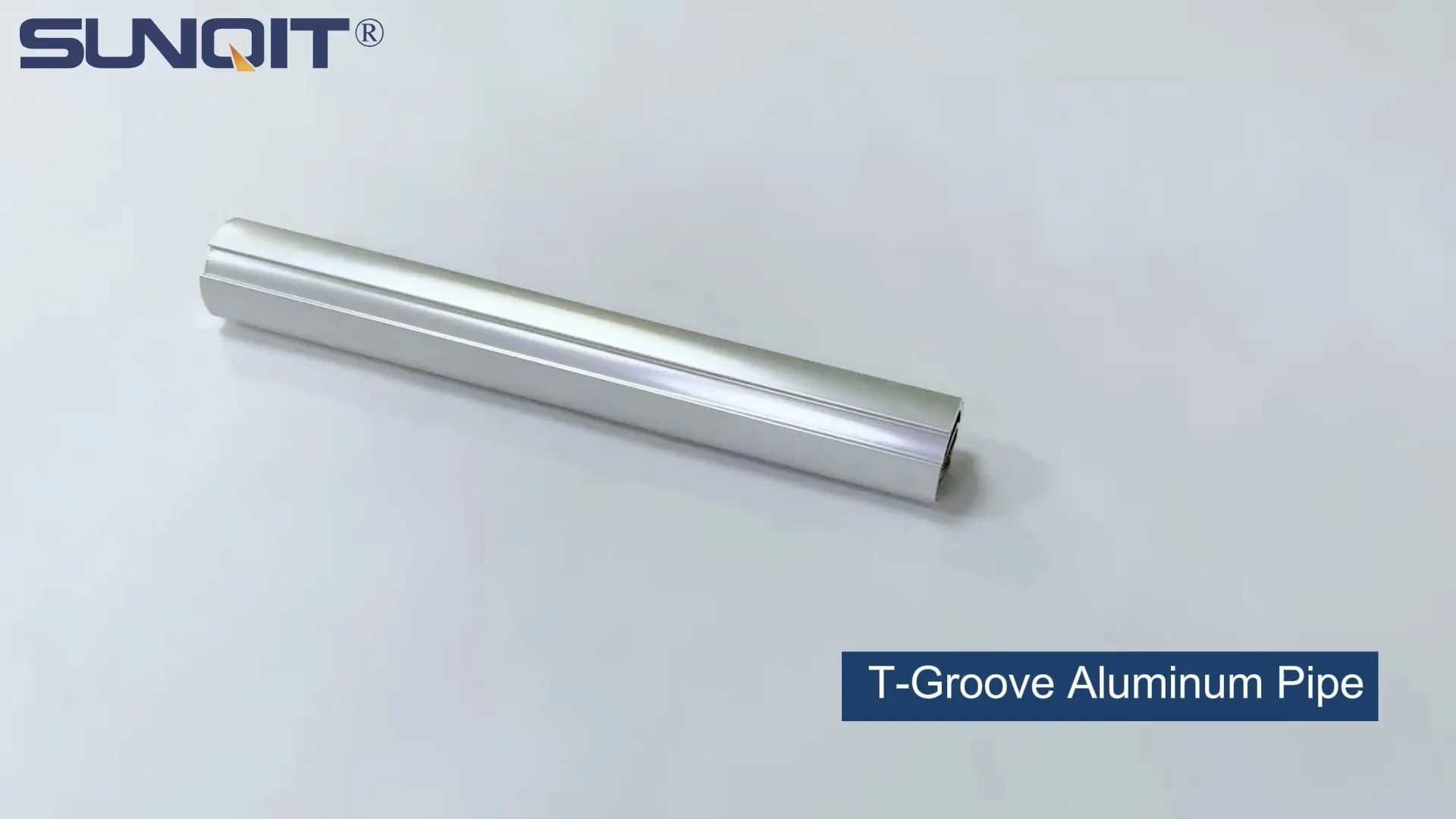
T-Groove Aluminum Pipe
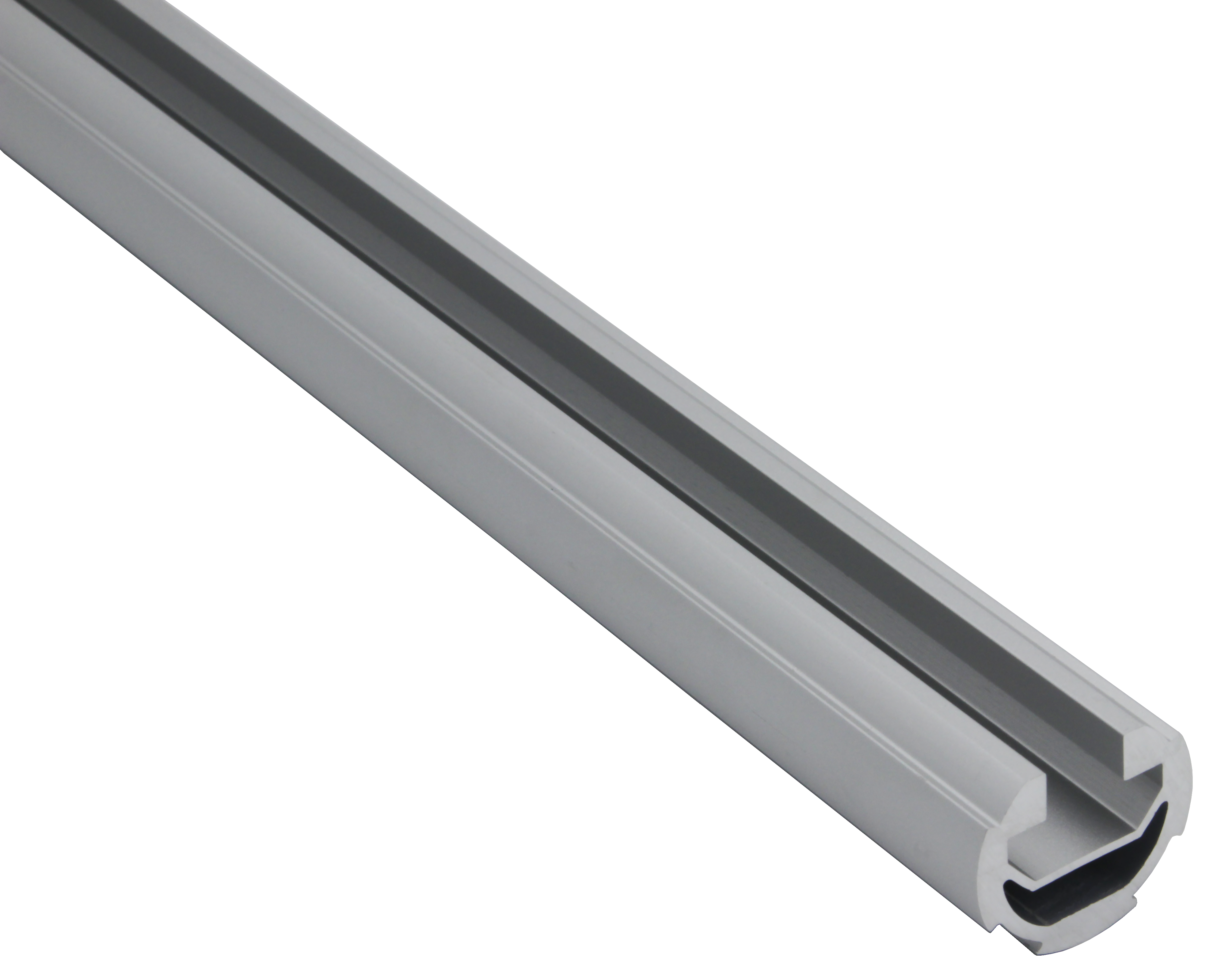
The aluminum pipe opening 10mm is installed into the T-shaped slider, which can be installed with casters or other matching functional parts. The groove can be used for positioning and is used for the track of the roller.
In the world of manufacturing and industrial operations, efficiency isn't just about the speed of machines or the skill of workers—it's also about the silent backbone that holds everything together. From workbenches where products take shape to flow racks that keep materials moving, the structures we build directly impact productivity, safety, and long-term cost-effectiveness. Two materials stand out in this space: T-Groove Aluminum Pipe and Lean Composite Pipe. Both are go-to choices for building modular systems, but how do they stack up when it comes to durability and reusability? Let's dive in.
1. Understanding the Basics: What Are We Comparing?
Before we pit them against each other, let's get clear on what each material is. Think of this as getting to know the contenders before a match—their strengths, their origins, and what they're built for.
T-Groove Aluminum Pipe: The Precision Player
T-Groove Aluminum Pipe, often referred to as an aluminum profile , is exactly what it sounds like: a pipe made from aluminum, extruded into a specific shape with T-shaped slots running along its length. These slots are the secret sauce—they let you slide in accessories like brackets, connectors, and panels without needing to drill holes or weld. It's lightweight, sleek, and designed for precision. You'll find it in everything from heavy-duty workbenches to intricate assembly line structures. Its popularity comes from its ability to balance strength and flexibility, making it a favorite in industries where adaptability is key.
Lean Composite Pipe: The Flexible Workhorse
Lean Composite Pipe, or simply lean pipe , takes a different approach. Most often, it's a steel core wrapped in a plastic (usually polyethylene, PE) coating. This combo gives it a unique set of traits: the steel core provides strength, while the plastic coating adds protection against scratches, corrosion, and even static (in ESD-rated versions). It's the poster child for lean manufacturing systems—think flow racks, turnover trolleys, and simple workstations that need to be built, taken apart, and rebuilt quickly. Its claim to fame? Affordability and ease of use, even for teams without specialized training.
2. Durability: Which One Stands the Test of Time?
Durability isn't just about how tough a material is on day one—it's about how well it holds up after months (or years) of bumps, loads, and environmental wear. Let's break this down into key factors.
Material Composition: Aluminum's Oxide Shield vs. Composite's Coated Armor
Aluminum is a natural survivor. When exposed to air, it forms a thin, invisible layer of aluminum oxide that acts like a shield, preventing further corrosion. This means even if you scratch an aluminum profile, that oxide layer regenerates over time, keeping rust at bay. For factories in humid climates or those dealing with liquids (like food processing or automotive painting), this is a game-changer. T-Groove Aluminum Pipes don't just resist corrosion—they fight back against it.
Lean Composite Pipe, on the other hand, relies on its PE coating for protection. The plastic layer does a great job of keeping moisture and chemicals away from the steel core—until it gets damaged. A deep scratch or a hard impact can chip the coating, exposing the steel underneath. Once that happens, rust becomes a risk, especially in damp environments. Over time, repeated wear and tear can lead to more exposed steel, weakening the pipe's structural integrity. It's not that composite pipe is fragile; it's just that its defense system is a single layer, not a self-healing one like aluminum's.
Load Capacity: How Much Can They Handle?
When it comes to carrying weight, both materials have their limits, but aluminum profiles often pull ahead in heavy-duty scenarios. Let's take a common example: a 40mm x 40mm aluminum profile (a standard size) can typically support around 200-300 kg per linear meter when used horizontally in a workbench. That's enough for tools, parts bins, and even small machinery. The T-slots themselves are reinforced during extrusion, so attaching heavy accessories doesn't weaken the pipe.
Lean Composite Pipe, with its steel core, isn't far behind. A standard 28mm composite pipe can handle around 150-250 kg per linear meter under similar conditions. But here's the catch: the plastic coating can compress under constant heavy loads, especially if the pipe is bent or under torque. Over time, this compression can lead to sagging, which isn't just a cosmetic issue—it affects the stability of the entire structure. For light to medium loads, composite pipe works great, but when the going gets heavy, aluminum profiles often have the edge.
Wear and Tear: Scratches, Impacts, and Daily Abuse
Factory floors are rough places. Pipes get bumped by forklifts, scraped by tools, and knocked by workers in a hurry. How do our two contenders handle this?
Aluminum profiles are surprisingly tough. While they can scratch (nothing's indestructible), aluminum is a soft metal compared to steel, so impacts tend to dent rather than crack. A small dent might look unsightly, but it rarely compromises the pipe's structural integrity. Plus, aluminum's smooth surface is easy to clean—grease, oil, and dirt wipe off with a cloth, keeping the pipe looking (and functioning) like new.
Lean Composite Pipe's plastic coating is designed to absorb impacts, which is great for avoiding dents. But that coating is prone to chipping. Drag a metal tool across it, and you might leave a gash exposing the steel core. Over time, these chips can grow, especially if the pipe is used in high-traffic areas. And while the PE coating is resistant to chemicals, strong solvents (like industrial cleaners) can sometimes eat away at it, weakening the protection. For teams that prioritize "good enough" over "pristine," this might not matter—but for those aiming for a long-lasting, low-maintenance setup, aluminum's durability starts to shine.
3. Reusability: Which One Lets You Adapt Without Starting Over?
In today's fast-paced manufacturing world, reusability is gold. A system that can be reconfigured for a new product line or repurposed for a different department saves time, money, and resources. Let's see how T-Groove Aluminum and Lean Composite stack up here.
Modularity: T-Slots vs. Lean Pipe Joints
T-Groove Aluminum Pipe's T-slots are a modularity dream. Want to add a shelf to your workbench? Slide a bracket into the slot and tighten a screw. Need to move that shelf six inches to the left? Loosen the screw, slide, and retighten. No drilling, no cutting—just adjust and go. And when you're ready to tear down the entire structure, you can reuse every single piece. The aluminum pipe accessories (brackets, connectors, end caps) are designed to be compatible across different profile sizes, so you can mix and match old and new parts without issues. This makes aluminum profiles ideal for businesses that frequently update their processes—think tech manufacturers launching new products quarterly.
Lean Composite Pipe relies on lean pipe joints —simple plastic or metal connectors that clamp onto the pipe. Building a structure is as easy as sliding a joint onto two pipes and tightening a bolt. But reusability here has limits. Over time, the joints can wear out: the plastic might crack, or the bolt threads might strip, making them less secure. Plus, cutting lean pipe to length leaves you with short, leftover pieces that are often too small to reuse. And while composite pipe is flexible, its accessories are less standardized than aluminum's—swap out a joint from one supplier, and it might not fit a pipe from another. For teams that need to build quick, temporary setups, this is fine. But for long-term reusability, aluminum's modularity and standardized accessories are hard to beat.
Assembly and Disassembly: Speed vs. Precision
Lean Composite Pipe wins the "quick build" race. With just a hex key, anyone can assemble a basic workstation in 30 minutes. The joints are intuitive—no need for measuring or aligning T-slots. This is why it's a favorite for lean manufacturing teams that need to set up a new flow rack before the next shift starts.
Aluminum profiles take a bit more time upfront. You'll need to measure, align the T-slots, and use specific tools (like hex wrenches or torque drivers) to ensure accessories are tightened properly. But that extra time pays off when you need to reconfigure. Disassembling an aluminum structure is just as easy as assembling it—no stripped bolts or broken joints, just a systematic loosening of screws. And because aluminum is lightweight, even large structures can be taken apart and moved by a small team, reducing downtime during transitions.
Recyclability: Closing the Loop
Reusability doesn't end when a structure is retired—it extends to what happens to the materials afterward. Aluminum is 100% recyclable, and recycling it uses just 5% of the energy needed to produce new aluminum. That means even if an aluminum profile is bent beyond repair, you can sell it to a recycler and get some of your investment back. Lean Composite Pipe, on the other hand, is a mix of steel and plastic. Separating those materials for recycling is time-consuming and often not cost-effective, so most composite pipes end up in landfills. For companies prioritizing sustainability, aluminum's recyclability is a clear advantage.

4. Head-to-Head Comparison: The Numbers (and Real-World Impact)
| Feature | T-Groove Aluminum Pipe | Lean Composite Pipe |
|---|---|---|
| Corrosion Resistance | Excellent (oxide layer self-repairs) | Good (PE coating; risk of rust if damaged) |
| Load Capacity (per linear meter) | 200-300 kg (4040 profile example) | 150-250 kg (28mm pipe example) |
| Impact Resistance | Dents but rarely cracks; structural integrity maintained | Coating chips; steel core exposed over time |
| Reusability | High (modular T-slots; accessories compatible across sizes) | Medium (joints wear out; short cut pieces often unused) |
| Recyclability | 100% recyclable; high scrap value | Low (mixed materials hard to separate) |
| Best For | Heavy loads, humid environments, long-term setups | Light to medium loads, quick builds, temporary structures |

4. Real-World Scenarios: When to Choose Which?
Let's put this into context with two common factory scenarios.
Scenario 1: A High-Volume Automotive Assembly Line
Imagine a line where car parts weighing 50-100 kg move along flow racks 24/7. The environment is humid (due to cooling systems), and the racks need to last 5+ years without major repairs. T-Groove Aluminum Pipe is the clear winner here. Its corrosion resistance handles the humidity, its high load capacity supports the heavy parts, and its modular T-slots let the team adjust rack heights as new car models are introduced. Even after 5 years, the aluminum profiles can be disassembled, cleaned, and reused to build new racks for the next generation of vehicles.
Scenario 2: A Small Electronics Workshop Launching a New Product
Now picture a team of 5 people building a prototype assembly line for a new smartphone. They need a simple workbench, a small flow rack for components, and a trolley to move parts between stations—all up and running in a week, with a tight budget. Lean Composite Pipe makes sense here. It's cheap, easy to assemble with basic tools, and the team can tweak the setup daily as they iron out kinks. When the prototype phase ends, they can take the structures apart and reuse the pipes for storage racks, even if some joints are worn. For a project with a short timeline and uncertain future, composite pipe's speed and affordability outweigh its long-term limitations.
5. Conclusion: Durability and Reusability—The Final Verdict
T-Groove Aluminum Pipe and Lean Composite Pipe both have their place, but when it comes to durability and reusability, aluminum profiles pull ahead. Its natural corrosion resistance, high load capacity, and modular T-slots make it a long-term investment that pays off in low maintenance and adaptability. Lean Composite Pipe, while affordable and easy to use, struggles with wear over time and offers limited reusability compared to aluminum's "build once, reuse forever" mindset.
That said, "better" depends on your priorities. If you need something quick, cheap, and temporary, lean pipe is a solid choice. But if you're building for the future—for a factory that grows, changes, and values sustainability—T-Groove Aluminum Pipe is the backbone your operations deserve. After all, the best structures aren't just built to last—they're built to evolve.