- Company Articles
- Products and Technology
- Product knowledge
- T-Groove Aluminum Pipe vs. Steel Pipe: Weight, Installation & Cost Comparison

T-Groove Aluminum Pipe vs. Steel Pipe: Weight, Installation & Cost Comparison
Related Product
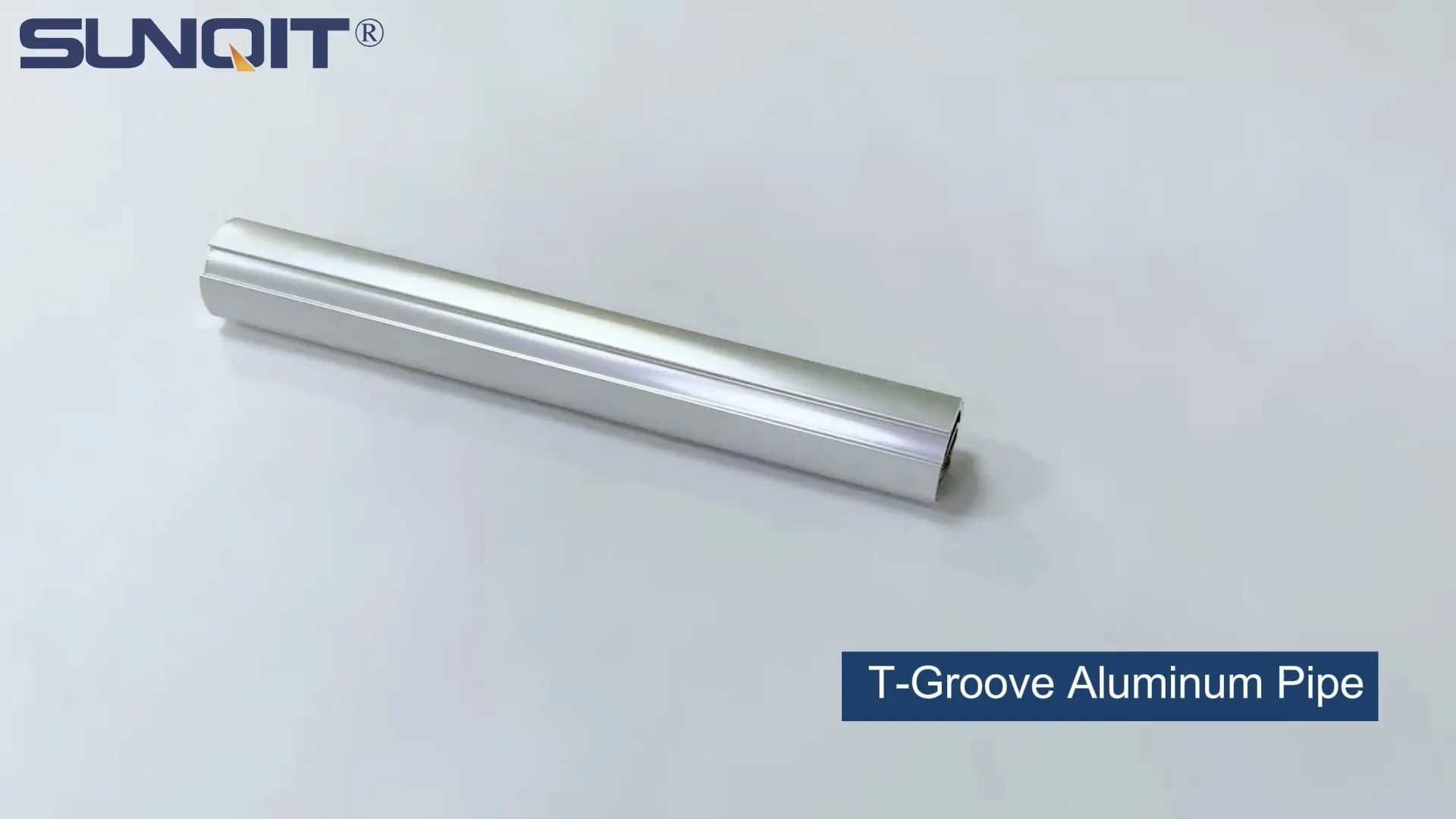
T-Groove Aluminum Pipe
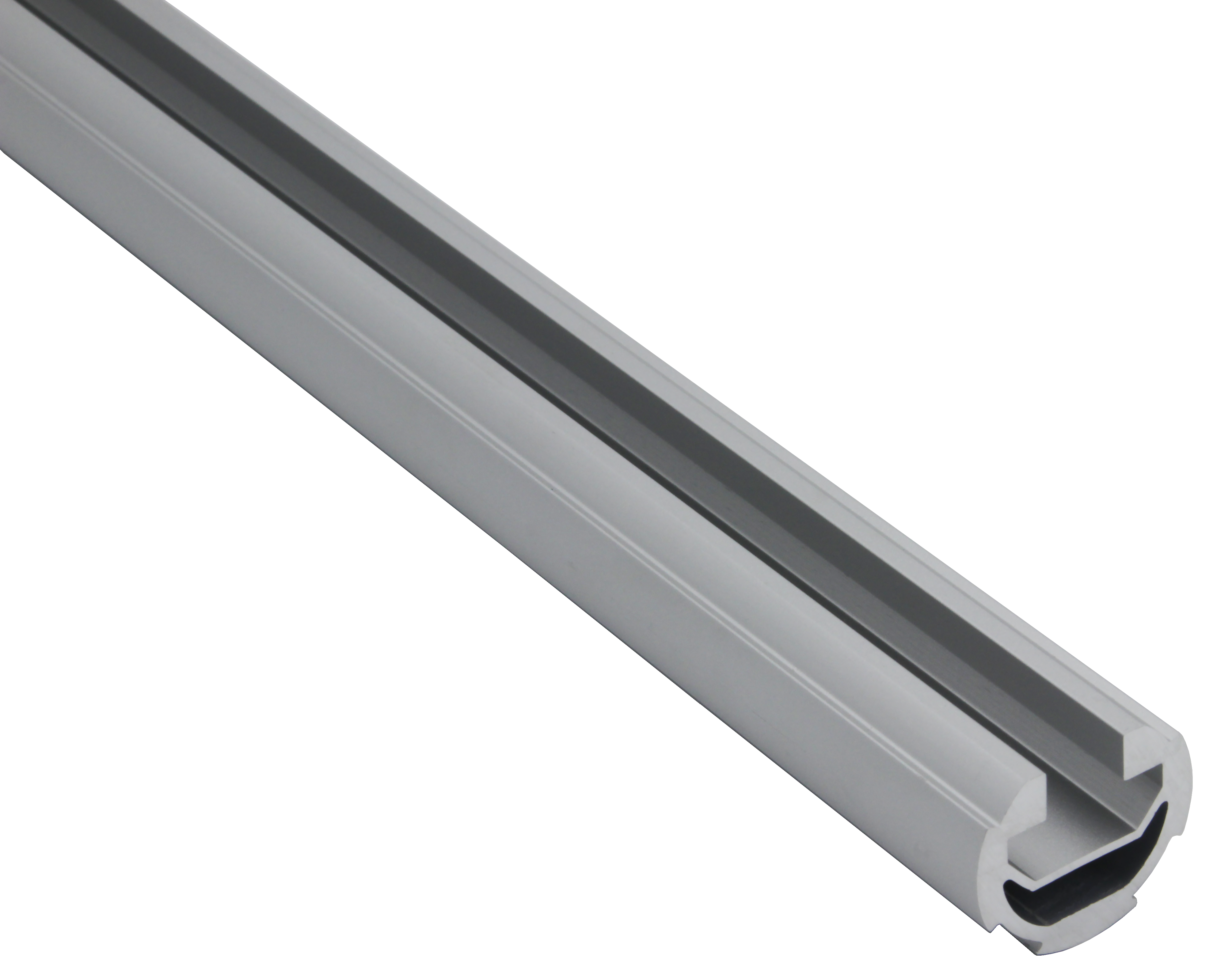
The aluminum pipe opening 10mm is installed into the T-shaped slider, which can be installed with casters or other matching functional parts. The groove can be used for positioning and is used for the track of the roller.
Introduction: The Backbone of Modern Workspaces
Every efficient workspace—whether it's a bustling manufacturing plant, a precision-focused assembly line, or a dynamic warehouse—relies on one often-overlooked foundation: the materials that hold it all together. When it comes to building structures like workbenches, material racks, conveyors, or lean system setups, two materials stand out as industry staples: T-groove aluminum pipe and steel pipe. Each brings unique strengths to the table, but choosing between them can feel like a balancing act of weight, ease of installation, cost, and long-term functionality.
In this article, we'll dive deep into the world of T-groove aluminum extrusion profile and steel pipe series, comparing their performance across key areas that matter most to businesses and builders. We'll explore how their weight impacts mobility and safety, how their installation processes align with lean system principles, and how their costs stack up—both upfront and over time. By the end, you'll have a clear picture of which material deserves a spot in your next project.
Understanding T-Groove Aluminum Pipe: The Modular Innovator
What Is T-Groove Aluminum Pipe?
T-groove aluminum pipe—often referred to as aluminum extrusion profile —is a lightweight, versatile material born from the aluminum extrusion process. Unlike traditional pipes, it features a unique "T-slot" design: a long, continuous groove running along its length that allows for easy attachment of accessories like brackets, clamps, and panels. This design is a game-changer for modular setups, making it a favorite in lean manufacturing, automation, and custom workbench builds.
Manufacturers produce T-groove aluminum pipes in various sizes and profiles, from small 20x20mm tubes for light-duty tasks to robust 40x80mm beams for heavy shelving or conveyor systems. Paired with aluminum profile accessories —think corner brackets, slide nuts, and end caps—these pipes transform into almost any structure you can imagine, with minimal tools and no welding required.
Key Traits of T-Groove Aluminum
Lightweight yet Strong: Aluminum's natural lightness (about one-third the weight of steel) makes T-groove pipes easy to handle, transport, and reconfigure. Don't let the weight fool you, though—aluminum extrusion profiles are surprisingly strong, with tensile strengths ranging from 10,000 to 60,000 psi, depending on the alloy. This makes them ideal for applications where mobility and durability are both priorities, like turnover trolleys or adjustable workbenches.
Corrosion Resistance: Aluminum forms a thin oxide layer when exposed to air, protecting it from rust and corrosion. This makes it perfect for humid environments, cleanrooms, or even outdoor use (with proper finishing). Unlike steel, it won't require regular painting or coating to stay in top shape.
Design Flexibility: The T-slot system is a modular dream. Need to add a shelf to your workbench? Slide a bracket into the groove and tighten a bolt. Want to reposition a conveyor track? Loosen a few fasteners, adjust, and you're done. This flexibility aligns perfectly with lean system principles, where minimizing waste (like time spent on rework) is key.
Steel Pipe Series: The Traditional Workhorse
The Basics of Steel Pipes
Steel pipe has been the backbone of industrial construction for over a century, and for good reason. Made from carbon steel (or stainless steel for specialized applications), these pipes are known for their raw strength and rigidity. The steel pipe series includes everything from thin-walled electrical conduits to thick-walled structural tubes, with diameters ranging from ¼ inch to several feet.
In industrial settings, you'll often encounter black steel pipes (uncoated, for indoor use) or stainless steel pipe series (coated to resist corrosion, ideal for food processing or marine environments). Steel pipes are also available in galvanized variants, where a zinc coating adds an extra layer of protection against rust.
Key Traits of Steel Pipes
Unmatched Strength: Steel's high tensile strength (typically 40,000 to 100,000 psi) makes it the go-to for heavy-load applications. A single steel pipe can support thousands of pounds, making it indispensable for fixed structures like industrial racks, machine bases, or overhead conveyors.
Stability: Steel's density and weight give it exceptional stability. Unlike lighter materials, steel structures are less likely to vibrate or shift under load, which is critical for precision work (e.g., CNC machine workbenches) or high-traffic areas.
Cost-Effective Upfront: Steel pipes are generally cheaper per foot than T-groove aluminum, especially for standard sizes. This low initial cost makes them appealing for budget-conscious projects with straightforward, fixed designs.

Comparison #1: Weight – Mobility vs. Stability
Weight isn't just a number on a scale—it affects everything from installation safety to long-term usability. Let's break down how T-groove aluminum and steel pipes stack up.
T-Groove Aluminum: Lightweight for Dynamic Workspaces
At roughly 2.7 g/cm³, aluminum is significantly lighter than steel (7.8 g/cm³). For example, a 1-meter length of 40x40mm T-groove aluminum pipe weighs about 1.5 kg, while a steel pipe of the same dimensions tips the scales at 4.5 kg—three times as much!
This lightness translates to real-world benefits: Easier Handling: Workers can carry longer lengths of aluminum without straining, reducing the risk of injuries during installation. Mobile Setups: Structures built with aluminum, like turnover trolleys or portable workbenches, are easier to move around the shop floor, adapting to changing production needs. Reduced Shipping Costs: Lighter materials mean lower freight charges, especially for large orders.
The downside? In very high-load scenarios—say, a rack supporting 5,000-pound pallets—aluminum may require larger profiles or additional bracing to match steel's stability. But for most mid-weight applications (e.g., workbench tops, small material racks), its strength-to-weight ratio is unbeatable.
Steel Pipes: Heavyweight for Fixed Strength
Steel's weight is both a strength and a weakness. On one hand, it provides unmatched stability for fixed structures. A steel pipe rack won't wobble under heavy loads, and steel workbenches stay firmly anchored, even during aggressive machining operations.
On the other hand, that weight can be a liability: Installation Challenges: Moving and positioning steel pipes often requires forklifts, hoists, or multiple workers, slowing down setup. Limited Mobility: Steel structures are rarely mobile. Once welded or bolted in place, reconfiguring them means cutting, welding, or disassembling entirely—hardly ideal for lean systems that value flexibility. Transport Costs: Shipping steel is pricier, and delivery trucks may need special equipment to unload heavy bundles.
When to choose steel for weight? If your structure is fixed, load-bearing, and won't need to move, steel's stability is worth the heft. For anything dynamic, aluminum's lightness shines.

Comparison #2: Installation – Speed vs. Permanence
Installation time and complexity can make or break a project, especially in fast-paced industries where downtime equals lost revenue. Let's see how T-groove aluminum and steel pipe systems compare.
T-Groove Aluminum: Tool-Free (Almost) Assembly
T-groove aluminum's claim to fame is its modular, tool-friendly installation . Thanks to the T-slot design and aluminum profile accessories like slide nuts, drop-in bolts, and corner brackets, you can build complex structures with just a hex key or screwdriver. No welding, no cutting (in most cases), and no specialized training required.
Here's how it works: Slide a nut into the T-slot, position your accessory (e.g., a shelf bracket), and tighten the bolt. The nut locks into place as you turn, creating a secure connection. Need to adjust? Loosen the bolt, reposition, and retighten. It's that simple.
Real-world example: A team building a workbench with T-groove aluminum can assemble the frame, attach the tabletop, and add shelves in under an hour. With steel, the same project might take half a day (or more) due to cutting, welding, and painting.
This speed aligns perfectly with lean system goals, where minimizing setup time and maximizing adaptability are priorities. It also reduces labor costs—you don't need a certified welder; any team member can learn to assemble aluminum structures in minutes.
Steel Pipes: Welding and Permanence
Steel pipe installation is a more involved process, often requiring welding, cutting, and drilling. For simple structures, you might use threaded connections or pipe clamps, but these are less common in industrial settings where strength is critical. Welding creates a permanent, rock-solid bond, but it comes with trade-offs:
Skilled Labor Required: Welding steel requires a trained professional with certification, adding to labor costs. Time-Consuming: Welding takes time—each joint needs prep, heating, and cooling. Plus, you'll need to grind down welds and paint the finished structure to prevent rust. Limited Flexibility: Once welded, steel structures are fixed. Want to add a shelf later? You'll need to cut the frame, weld on new supports, and repaint—hardly efficient.
When to choose steel for installation? If your structure is permanent (e.g., a heavy-duty material rack that will never move) and you have access to welding equipment, steel's permanence might be an advantage. For everything else, aluminum's speed and flexibility win.
Comparison #3: Cost – Upfront vs. Long-Term ROI
Cost is often the first factor considered, but it's rarely as simple as "which is cheaper per foot." Let's look at upfront costs, installation expenses, and long-term maintenance to get the full picture.
Upfront Costs: Steel Has the Edge
On paper, steel pipes are cheaper. For example, a 1-meter length of 40mm steel pipe costs around $5–$10, while T-groove aluminum of the same size ranges from $15–$30. This price gap widens for larger profiles, making steel appealing for projects with tight upfront budgets.
But here's the catch: Upfront cost is only part of the equation. Steel requires additional materials (welding rods, paint, fasteners) and labor (welders, grinders) that add up quickly. Aluminum, with its simple assembly and minimal tools, often closes the gap.
Installation Costs: Aluminum Saves Time (and Money)
Labor is one of the biggest expenses in any construction project. With steel, you're paying for skilled welders, who typically charge $50–$150 per hour. A small steel structure might require 4–8 hours of welding alone, adding $200–$1,200 to the project cost.
Aluminum, by contrast, can be assembled by general laborers at $20–$30 per hour. That same small structure? Maybe 1–2 hours of work, costing $20–$60. The savings here often offset aluminum's higher material cost.
Maintenance Costs: Aluminum's Long-Term Win
Steel requires ongoing maintenance to prevent rust. You'll need to repaint it every 2–5 years (costing $1–$3 per square foot), and if it's in a humid environment, you might need to treat it with rust inhibitors. Stainless steel pipe series reduces this need, but it's significantly more expensive than carbon steel, erasing the upfront cost advantage.
Aluminum? Virtually maintenance-free. Its natural corrosion resistance means no painting, no rust treatments, and no unexpected repair costs. Over 5–10 years, this lack of maintenance can save thousands, especially for large structures.
ROI: Aluminum Shines for Flexible Projects
For fixed, one-and-done projects with heavy loads, steel might offer better short-term ROI. But for dynamic workspaces that evolve over time—think startups, warehouses, or lean manufacturing facilities—aluminum's flexibility and low maintenance make it the smarter long-term investment. You can reconfigure an aluminum structure a dozen times without buying new materials, while steel structures often end up in the scrapyard when needs change.
Side-by-Side Comparison Table
| Factor | T-Groove Aluminum Pipe | Steel Pipe Series |
|---|---|---|
| Weight (per meter, 40x40mm) | ~1.5 kg (lightweight, easy to handle) | ~4.5 kg (heavy, stable but hard to move) |
| Installation Time | Fast (30–60 mins for small structures; no welding) | Slow (2–8 hours for small structures; welding required) |
| Upfront Cost | Higher ($15–$30 per meter) | Lower ($5–$10 per meter for carbon steel) |
| Installation Labor Cost | Low ($20–$30/hour; general labor) | High ($50–$150/hour; skilled welders) |
| Maintenance | None (corrosion-resistant) | High (repainting, rust treatment every 2–5 years) |
| Flexibility | High (easily reconfigurable with tools) | Low (permanent; requires cutting/welding to modify) |
| Best For | Lean systems, mobile setups, workbenches, modular racks | Heavy fixed loads, industrial machinery bases, outdoor structures (with coating) |
Practical Applications: When to Choose Which
Still on the fence? Let's map specific use cases to each material.
Choose T-Groove Aluminum If:
You Need Flexibility: If your workspace changes often (e.g., seasonal production lines, startup offices), aluminum's reconfigurable design is a must. Use it for adjustable workbench setups, mobile material carts, or temporary event structures.
Mobility Matters: For turnover trolleys, portable tool racks, or rolling workstations, aluminum's light weight makes movement easy and safe.
Speed Is Critical: When you need to build or modify structures quickly (e.g., emergency production lines, trade show booths), aluminum's fast installation can't be beat.
Corrosion Resistance Is Key: In humid environments (e.g., food processing, marine facilities) or cleanrooms, aluminum's rust-free nature prevents contamination and extends lifespan.
Choose Steel Pipe Series If:
You're Supporting Heavy Loads: For industrial racks holding 10,000+ pounds, machine bases, or overhead conveyors, steel's strength is irreplaceable.
Stability Is Non-Negotiable: Precision equipment (e.g., CNC machines, lab instruments) needs a rock-solid base—steel's weight and rigidity minimize vibration.
You're on a Tight Upfront Budget: For simple, fixed structures with no future modifications, carbon steel's low initial cost is appealing (just factor in long-term maintenance).
Outdoor Use (with Coating): Steel pipes with galvanized or painted coatings work well for outdoor structures like storage racks or signposts, where aluminum might dent more easily.
Conclusion: The Right Material for Your Workspace
T-groove aluminum pipe and steel pipe series each have their place in the industrial world. Steel is the tried-and-true workhorse, offering unmatched strength and low upfront costs for fixed, heavy-load applications. But for modern, dynamic workspaces that value flexibility, speed, and long-term savings, T-groove aluminum extrusion profile is hard to beat.
If you're building a lean system , a modular workbench , or any structure that might need to evolve, aluminum's lightweight design, fast installation, and low maintenance make it the smarter choice. And while its upfront cost is higher, the savings in labor and upkeep often make it the more economical option over time.
At the end of the day, the best material depends on your unique needs. But one thing's clear: In a world where adaptability and efficiency rule, T-groove aluminum is quickly becoming the material of choice for forward-thinking businesses.